Utah Helmet Rules for Riders Under 18
One of the most common worries parents share when getting their kids into the exhilarating world of ATV and UTV riding in Utah is understanding all the rules, especially when it comes to safety gear like helmets. It can feel like a maze trying to figure out who needs what, when, and where, leading to a lot of second-guessing before you even hit the dirt. This guide is here to untangle the specifics of Utah's helmet laws for riders under the age of 18, so you can ride with confidence and peace of mind, knowing your young adventurers are protected and legal.
The Core Requirement: Who Must Wear a Helmet Under 18?
Let's cut right to the chase because this is where a lot of the confusion often starts. Utah law is very clear when it comes to minors and helmets while riding off-highway vehicles (OHVs). It's not just a suggestion; it's a firm requirement designed to keep our younger generation safe on the trails and beyond.
What the Law Says for Young Riders
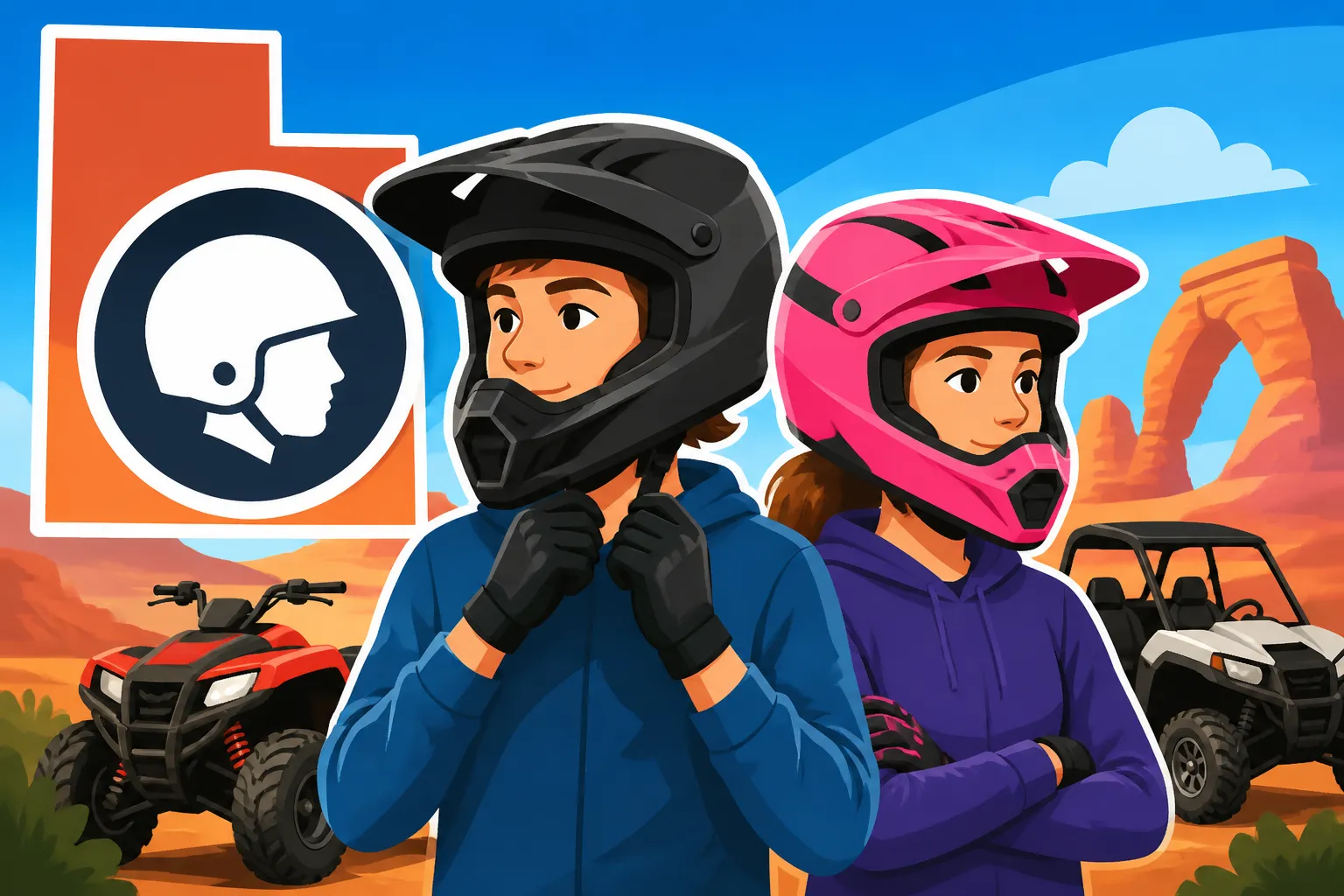
In Utah, any person under the age of 18 operating or riding as a passenger on an ATV, UTV, dirt bike, or any other off-highway vehicle must wear a properly fitted, securely fastened helmet. This isn't limited to public trails; it applies whenever the machine is in operation. Think of it this way: if a child is on an OHV that's moving, even just pulling it out of the garage, they need a helmet. The law doesn't care if they're on a designated trail, a county road open to OHVs, or even private land, though enforcement might vary. The spirit of the law is universal protection for our youngest riders. It's a non-negotiable part of the adventure.
This regulation stems from a deep understanding of the risks associated with OHV riding, especially for developing bodies and minds. A helmet acts as the first line of defense against serious head injuries, which, let's be honest, no one wants to deal with on what should be a fun family outing. We've all seen those videos of unexpected tip-overs or low-speed spills that can still have severe consequences, and for a child, those consequences are amplified. So, while it might seem like just another rule, it's truly a crucial layer of protection.
Passengers Under 18 Need Helmets Too
This is an area where some folks mistakenly think the rule only applies to the operator. Nope! Utah law explicitly includes passengers under 18 in the helmet requirement. So, if your youngster is riding shotgun in a side-by-side or clinging behind you on a two-up ATV, they need to be wearing that helmet just as much as the driver. It's about comprehensive safety for everyone below the age of majority.
Imagine you're taking your family out to Sand Hollow State Park for a day of dune riding. You've got your pre-teen driving their own quad, and your younger child is riding as a passenger in your UTV. Both need helmets. It's not optional for one and mandatory for the other; the rule covers both roles equally. This ensures that no matter where they are seated or what they're doing on the machine, any minor is afforded the same level of crucial head protection.
This also means that if you're taking a family trip and perhaps a friend's child is joining, they fall under the same rules. You, as the supervising adult, are responsible for ensuring all minors on your machines are compliant. It's easy to get caught up in the excitement of the ride, but a quick check that everyone's helmet is on and snug before you hit the throttle is a habit worth cultivating. [Supervision Rules for Young Utah Riders] are important to remember in these situations.
Beyond the Trails: Helmet Rules on Utah Roads
While OHV riding primarily happens on trails and designated areas, the landscape of Utah's OHV laws has evolved, allowing for more road access in certain areas. This brings up new questions about helmet requirements, especially when a minor is involved, and it’s important to understand how the helmet law extends to these scenarios.
Street-Legal Machines and Minors
If you've gone through the process of [Making a UTV Street Legal in Utah], you know there are specific equipment requirements. For minors, the helmet rule still applies even when riding a street-legal OHV on a public road. Utah's general helmet law for OHVs doesn't magically disappear just because you're on asphalt instead of dirt. So, if your 16-year-old is operating a street-legal side-by-side to run an errand in a town like [Kanab, Utah: Riding From Your Motel], they still need that helmet securely fastened.
The logic here is consistent with the off-road rules: head protection for minors is paramount. While a street-legal machine might be on a paved road, the risks, especially for younger, less experienced riders, are still present. Other vehicles on the road, varying speeds, and the inherent differences in handling an OHV compared to a car all contribute to why this rule remains in effect. It's not about the surface; it's about the rider's age and vulnerability. [Age to Drive a Street-Legal ATV in Utah] covers who can drive, but the helmet rule is about who needs protection.
Think about a common scenario: a family enjoying the [Paiute ATV Trail] system. Many towns along the Paiute allow OHV access on certain streets to connect trail sections or access services like gas or food. If your kids, under 18, are driving their own OHVs or riding as passengers during these street sections, their helmets must stay on. There's no "street exemption" for minors when it comes to OHVs. The transition from trail to street is seamless in terms of helmet requirements for those under 18.
Crossing Roads and Short Trips
Even for brief road crossings or very short distances on paved surfaces, the helmet rule for minors remains. You might be just crossing a two-lane highway to get from one section of a trail system to another, or perhaps moving your machine a few hundred yards down a county road to a new staging area. If a minor is operating or is a passenger on that OHV, a helmet is legally required. It's easy to let our guard down for "just a minute," but those minutes are precisely when unexpected incidents can occur.
Consider this hypothetical: you're at [Five Mile Pass in Utah County], and you want to move your staging area from one parking lot to another directly across the road. Your 15-year-old is on their quad, ready to follow. Even for that 30-second jaunt across the highway, they need their helmet on. It's not about the duration, but the simple act of operating or being a passenger on an OHV when under 18. An officer observing this would see a violation, and rightly so, as the risk exists no matter how short the distance.
This rule emphasizes that safety is a continuous commitment, not something to be turned on and off based on convenience or perceived risk for short periods. [What a Utah Trooper Checks at a Trailhead] often includes looking for helmet compliance, especially for younger riders. Adhering to this rule protects your family and also sets a great example for responsible OHV use.
Why Helmets Matter: Safety and Enforcement
Beyond the legal requirements, understanding the "why" behind helmet laws for young riders is crucial. It’s not just about avoiding a ticket; it’s about preventing life-altering injuries and fostering a culture of safety.
The Unseen Risks
Many riders, especially kids, might feel invincible on their machines. However, the forces involved in even a seemingly minor OHV incident can be severe, and the human head is incredibly vulnerable. A properly fitted helmet significantly reduces the risk of traumatic brain injury (TBI), skull fractures, and other severe head trauma. These aren't just statistics; these are real-world outcomes that can dramatically alter a child's future.
Think about a small bump or a sudden stop. A child's neck muscles are not as developed as an adult's, and their heads are proportionally larger and heavier. This means they are more susceptible to whiplash and head impacts. Even at slow speeds, hitting one's head on the roll cage of a UTV during a sudden jolt, or falling off an ATV onto a rock, can have devastating consequences. The "what ifs" are precisely why the law is in place, and why, as parents, we must take it seriously. It's about proactive protection against the [Unseen Costs After You Buy a Side-by-Side], which can sometimes be medical.
Furthermore, helmets offer protection from more than just impacts. They shield the face and eyes from flying debris, branches, and even harsh sunlight. While not a primary function, this secondary protection contributes to overall rider safety and comfort, allowing young riders to focus on the trail ahead. When considering [What to Carry on a Utah Day Ride], a helmet is always at the top of the list for anyone under 18.
What a Trooper Looks For
Utah Highway Patrol troopers, park rangers, and local law enforcement officers are on the lookout for compliance, especially when it comes to the safety of minors. They're not just trying to give out tickets; they're working to prevent accidents and ensure everyone enjoys Utah's stunning outdoors responsibly. If an officer spots a minor on an OHV without a helmet, they will likely stop you.
The enforcement often starts with education, but it can quickly escalate to a citation. A common scenario might be an officer observing a family unloading their machines at a popular spot like [Moab, Utah on a Side-by-Side]. If a child hops on their ATV for a quick spin around the parking lot without a helmet, that's a clear violation. The officer will want to see that the helmet is not just present but worn properly – securely fastened, not tilted back, and covering the forehead. It's not enough to have it sitting on the seat; it must be on the head.
The penalties for riding unregistered or without proper safety gear like helmets can include fines. More importantly, it creates a potential liability issue for the adult in charge. Officers are trained to spot these things, and they prioritize the safety of young riders above all else. Understanding these rules is not just about avoiding a ticket; it's about making sure your riding experience is as safe as it is fun, and preventing serious issues like the [Impound Risk for Unregistered Machines in Utah], which could also arise from other safety violations.
Choosing the Right Helmet for Young Riders
Complying with the law is one thing, but ensuring maximum safety for your child means selecting the right helmet and making sure it fits perfectly. A poorly fitting helmet is almost as bad as no helmet at all, offering compromised protection when it's needed most.
Fit and Certification
When it comes to helmets, fit is king, especially for children. A helmet that's too large will wobble around, obscure vision, and can come off in an impact. One that's too small will be uncomfortable and may not cover enough of the head. You want a snug fit that doesn't cause pain but also doesn't allow for excessive movement. Have your child try on several sizes, and look for specific youth sizes. When they nod their head or shake it gently, the helmet should move with their head, not independently.
Beyond fit, look for helmets that meet recognized safety certifications, such as DOT (Department of Transportation) or Snell. These certifications mean the helmet has been rigorously tested to withstand impacts and provide reliable protection. Many reputable brands offer a range of youth helmets that meet these standards. Investing in a quality helmet from a brand known for safety, perhaps from a retailer carrying SuperATV gear which often includes robust safety equipment, is a smart move that goes beyond mere compliance.
When you're out shopping for helmets, don't rush the process. Bring your child with you, if possible, so they can try them on. Check for features like good ventilation, comfortable padding, and an easy-to-use chin strap. Remember that children grow, so you'll need to check the fit periodically and be prepared to upgrade sizes as they get older. Proper care of the helmet is also important; a damaged helmet, even if it looks fine, may have compromised integrity.
Additional Safety Gear for Young Adventurers
While the helmet is paramount, it's just one piece of the safety puzzle. For young riders, especially those on ATVs or dirt bikes, additional protective gear is highly recommended, even if not strictly mandated by law. This includes goggles or protective eyewear (many helmets come with visors, but separate goggles often offer better protection and seal), sturdy over-the-ankle boots, long pants, long-sleeved shirts, and gloves.
Consider the dynamic nature of OHV riding: dust, flying rocks, branches, and potential tumbles. Goggles protect eyes from debris and sun. Boots protect feet and ankles from impacts and burns. Long clothing guards against scrapes, sun exposure, and minor impacts. Gloves improve grip and protect hands. Think of it as a full "armor" setup to keep your child as safe and comfortable as possible, minimizing the chances of injury that could otherwise spoil a fantastic day outdoors.
Many riders also opt for chest protectors, knee pads, and elbow pads, especially for more aggressive riding or when kids are just starting out. These items provide crucial impact absorption in common fall zones. While Utah's law specifically focuses on helmets for minors, advocating for and providing this full range of protective gear demonstrates a true commitment to safety. It shows that you're not just following the letter of the law but embracing the spirit of responsible OHV riding, ensuring every adventure is as safe as it is memorable for your [Family ATV Tours in Utah].
Disclaimer
This article is for general informational purposes only and does not constitute professional advice. Laws, prices and regulations vary by location and change over time. Consult a qualified professional for guidance on your specific situation.