Mirrors Utah Requires on Both Sides
It's incredibly frustrating, isn't it, when you're trying to make your beloved ATV or UTV street-legal in Utah, and you get bogged down in all the specific equipment requirements? You might think a single rearview mirror is enough, especially if you're used to just trail riding, but the rules for road use are a different beast entirely. Getting pulled over or failing an inspection because of something as seemingly simple as a mirror can really deflate your riding plans. This guide is here to clarify exactly what Utah demands when it comes to mirrors on both sides of your machine, so you can ride confidently and legally on our beautiful state's roads.
Why Two Mirrors? Understanding Utah's Requirement
When you decide to take your off-highway vehicle (OHV) from the dirt to the pavement in Utah, one of the first things you'll encounter in the regulations is the requirement for mirrors. It might seem like a minor detail, but it's a foundational safety element, and ignoring it can lead to immediate compliance issues. The state isn't just trying to make things harder; there's a real purpose behind these rules, especially when you consider the vastly different environments of trail versus road.
The Letter of the Law: What Utah Really Says
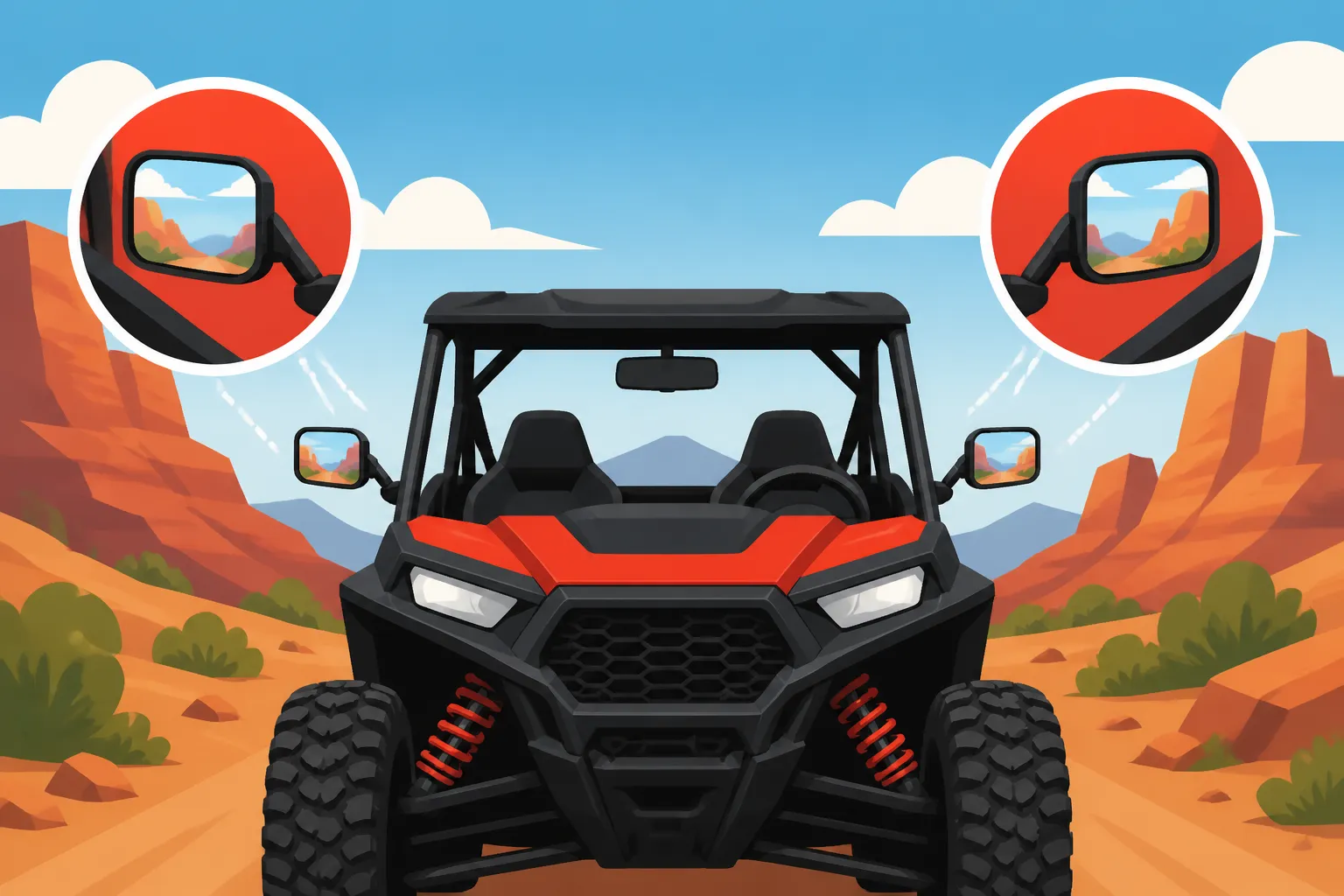
Utah law is quite clear when it comes to mirrors for street-legal OHVs: you must have rearview mirrors on both sides of the machine. This isn't an arbitrary rule; it's designed to provide the operator with a comprehensive view of the traffic approaching from the rear and sides, much like a conventional automobile. A single center-mounted rearview mirror, while useful on the trail, simply doesn't cut it for road use. It leaves significant blind spots that can be incredibly dangerous when changing lanes, making turns, or even just being aware of cyclists or other slow-moving vehicles behind you. Think about trying to merge onto a busy street without knowing what's coming up your left or right flank – it's a recipe for disaster. This specific wording ensures that you have the same level of rearward visibility as any other vehicle sharing the road, minimizing potential hazards for both you and other drivers. You'll find these details laid out in the broader rules for [Utah Street-Legal ATV Equipment Requirements].
Safety Beyond the Regulations: The Rider's Perspective
While meeting the legal requirement is essential, having two functional side mirrors goes far beyond just ticking a box. They dramatically improve your situational awareness, which is paramount when you're sharing the road with cars, trucks, and even semi-trailers. On the trail, you're often focused on the terrain directly in front and immediately around you, and rarely worried about a car doing 60 mph coming up behind you. On the road, however, those blind spots can hide an entire vehicle. Properly adjusted side mirrors allow you to quickly glance and see what's alongside you or rapidly approaching, making lane changes and intersections much safer. Imagine you're riding through a town like Moab on your way to the trailhead, and you need to signal a left turn. Without a clear view to your left, you're guessing, and that's not a risk worth taking. This enhanced visibility isn't just for avoiding tickets; it's for keeping you and your passengers safe every time you hit the asphalt.
Types of Mirrors That Pass Inspection in Utah
Now that you understand why you need two mirrors, let's talk about what kind of mirrors will meet Utah's standards. There's a wide variety out there, and choosing the right ones can make a difference in durability, functionality, and ease of use. You don't want to get all the way to your inspection only to find your mirrors aren't up to snuff.
Side Mirrors for UTVs and ATVs
The most common and generally recommended type of mirror for street-legal OHVs is the clamp-on or roll cage mounted side mirror. These are specifically designed for the tubular frames of UTVs and ATVs, offering secure attachment points and robust construction to withstand the vibrations and occasional jostles of off-road use, which will inevitably happen even on a street-legal machine. When you're picking them out, look for models with sturdy clamps that won't vibrate loose on the road or shift out of position after hitting a bump. Adjustability is also key; you need to be able to fine-tune the angle to get a perfect view from your riding position. Many riders find that brands like SuperATV offer a wide range of side mirrors designed for durability and ease of installation on popular UTV models. These often come with various mounting options to fit different cage diameters and provide a clear, stable image of what's behind you. Checking for a secure mount is crucial; an officer or inspector will definitely be looking for anything that seems flimsy or about to fall off.
Beyond Basic: Breakaway and Convex Options
Beyond the standard side mirror, you'll encounter a couple of other important design features: breakaway and convex mirrors. Breakaway mirrors are a fantastic innovation for machines that will see mixed street and trail use. They're designed to fold inward or outward on impact, preventing damage to the mirror housing or your roll cage if you brush against a tree branch or take a tumble on the trail. This can save you a lot of hassle and money in replacements, especially if you plan on taking your street-legal machine back to its natural habitat after your road travels.
Convex mirrors, on the other hand, offer a wider field of view. This is because their curved glass distorts distances, making objects appear further away but showing you more of your surroundings. While great for reducing blind spots, especially on the passenger side, some riders find the distance distortion takes a little getting used to. It's a trade-off: more peripheral vision versus accurate depth perception. When choosing, consider your primary riding style. If you're doing a lot of tight trail riding and road driving, breakaway mirrors might be your best friend. If you're mostly on the road and just want to maximize your view, a good set of convex mirrors could be ideal. Just ensure whatever you choose is robust enough to handle the unique stresses of an OHV. You can often find a variety of these specialized mirrors in street-legal kits, which can simplify the process of gathering all the [Street-Legal Kits That Suit Utah's Rules].
| Mirror Type | Pros | Cons | Suitability for Utah Street Legal |
|---|---|---|---|
| Standard Side | Clear, accurate view; durable | Limited field of view; prone to damage on trail | Excellent, meets legal requirement |
| Convex Side | Wide field of view; reduces blind spots | Objects appear farther away; distortion | Excellent, improves awareness |
| Breakaway Side | Folds on impact, prevents damage; durable | Can be more expensive; may require re-adjustment | Excellent, ideal for mixed use |
| Center Mirror | Good for direct rear view; common on trails | Does not meet "both sides" requirement | Not sufficient alone |
Installation Tips for Utah Street-Legal Mirrors
Having the right mirrors is only half the battle; installing them correctly is just as crucial for both legal compliance and your safety. A mirror that constantly shifts or provides a poor view is as good as no mirror at all. Don't rush this step – take your time to ensure they're perfectly positioned for your specific machine and riding style.
Mounting Locations and Adjustments
When it comes to mounting your side mirrors, the primary goal is clear, unobstructed visibility to the rear and sides. Most UTVs will have a roll cage or similar structure where the mirrors can clamp on. For ATVs, you might need bar-end mirrors or specialized mounts that attach to the handlebars or a brush guard. The key is to place them wide enough that your body or the machine's structure doesn't block the view. Start by mounting them in a position that feels natural for you to glance at. Then, sit in your normal riding position and adjust the mirror angle. You should be able to see a good portion of the road behind you, with just a sliver of your own machine visible on the inside edge of the mirror. This helps with judging distance and understanding your own machine's position relative to others. Remember, what works for one rider might not work for another due to height, seat position, or even preferred riding posture. It's a bit of trial and error, but getting it right is worth the effort for improved safety.
Common Installation Pitfalls to Avoid
Even with the best mirrors, installation errors can lead to big headaches. One of the most common issues is mirrors that vibrate loose or shift while riding. This usually comes down to not tightening the clamps enough, or using clamps that aren't quite the right size for your roll cage tubing. Invest in high-quality clamps and ensure they're cinched down securely, but without over-tightening to the point of damaging your roll bar. Another pitfall is placing mirrors in a position where they become obscured by other accessories, like a full windshield or side enclosures. Before finalizing the mount, sit in your machine and check your sight lines through the windshield and past any doors or nets. You need an unobstructed view. Finally, make sure the mirrors themselves are oriented correctly. Some mirrors are designed with a specific left or right side in mind, or they might have an adjustment mechanism that works best when installed in a particular direction. Double-check the manufacturer's instructions, and don't be afraid to take a few extra minutes to make sure it's perfect. This attention to detail will help you pass [What Fails a Utah Street-Legal Inspection] and keep you safer on the road.
What a Utah Officer Looks For During an Inspection or Stop
So, you've installed your mirrors, you're confident in their position, and you're ready to hit the road. But what exactly will a Utah Highway Patrol officer or a DMV inspector be looking for? It's not just about having them; it's about their presence, functionality, and condition. Knowing what to expect can help you prepare and avoid any last-minute surprises.
Are Your Mirrors Present and Visible?
The most basic check an officer or inspector will perform is simply confirming that you have two rearview mirrors—one on the left side and one on the right side of your OHV. This isn't a suggestion; it's a hard requirement for street legality in Utah. They'll also be looking for placement. Your mirrors need to be positioned so that they provide a clear and adequate view to the rear. This means they shouldn't be blocked by other equipment like tall cargo, flags, or even parts of your machine's body. During a routine traffic stop, an officer might do a quick visual check, confirming that you have both mirrors and that they appear to be functional. If your mirrors are folded in, missing, or obviously out of position, that's a red flag right away. It's one of the key things an officer checks for, along with other essential items covered in [What a Utah Officer Looks for on a Street-Legal ATV]. Always make sure your mirrors are properly deployed and positioned before you even turn the key on a paved road.
Functionality and Condition Checks
Beyond just being present, your mirrors must also be functional and in good condition. This means the mirror glass itself shouldn't be cracked, shattered, or severely obscured. A small chip might pass, but if the integrity of the reflective surface is compromised to the point of distorting your view or making it hard to see, it's a problem. The mirrors must also be securely mounted and not wobbly. If they vibrate excessively at speed, they won't provide a clear image, rendering them ineffective for road safety. An inspector performing a full street-legal certification will often try to adjust the mirrors to ensure they move freely but also hold their position once set. They'll also physically tug on them gently to ensure they're firmly attached to your machine. If your mirror housing is cracked, the mounting arm is bent, or the glass is falling out, you're not going to pass. It's all about ensuring that the mirrors actually do their job of giving you a reliable view of what's behind you. When you visit a certified [Finding a Certified Utah Inspection Station], they'll scrutinize these details.
Maintaining Your Street-Legal Mirrors for Utah Roads
You've gone through the effort of installing the right mirrors and getting them adjusted. Now, the final piece of the puzzle is maintaining them. OHVs, even street-legal ones, live a harder life than cars. Dust, mud, vibrations, and occasional impacts are par for the course. Regular maintenance ensures your mirrors stay compliant and functional, keeping you safe on every ride.
Keeping Them Clean and Clear
Anyone who rides OHVs in Utah knows that dust and mud are simply facts of life. Your mirrors, being exposed on the sides of your machine, will collect their fair share of grime. It's incredibly important to keep them clean and clear. A mirror caked in dust or spattered with mud is just as useless as a missing one. Before every road ride, take a moment to wipe them down with a soft cloth. If they're really dirty, use a gentle cleaning solution suitable for glass or plastic to avoid scratching the surface. Never use abrasive cleaners or dry-wipe heavy grit, as this can permanently scratch the mirror surface, reducing clarity and potentially making them fail an inspection. Imagine riding through the beautiful landscapes near St. George or Hurricane; you want to take in the views, but more importantly, you need to see traffic clearly. A quick clean before hitting the pavement makes all the difference for visibility and safety.
Regular Checks for Security and Damage
The rough and tumble nature of off-road riding, even if your machine is primarily street-legal, means that components can loosen or get damaged over time. It's a good habit to incorporate a quick check of your mirrors into your pre-ride routine, especially before you head out on any paved roads. Give them a gentle wiggle to ensure the mounts are still tight and that the mirror housing itself isn't cracked or loose. Check the glass for any new chips or cracks that might have occurred during your last adventure. Even small impacts, like a low-hanging branch on a tight trail, can jar a mirror out of alignment or cause minor damage that worsens over time. Addressing these issues proactively, whether it's tightening a bolt or replacing a damaged mirror, is far better than discovering a problem during a street-legal inspection or, worse, after nearly causing an accident due to obscured vision. Regular maintenance is a small investment of time that pays huge dividends in safety and compliance, ensuring your street-legal UTV is always ready for the road.
Disclaimer
This article is for general informational purposes only and does not constitute professional advice. Laws, prices and regulations vary by location and change over time. Consult a qualified professional for guidance on your specific situation.