Are Helmets Required at 18 and Older in Utah?
Many adult ATV and UTV riders in Utah find themselves scratching their heads when it comes to helmet rules. You see plenty of riders out on the trails with no helmet, but then you hear whispers about fines or accidents where a helmet could have made all the difference. It's a frustrating gray area that leaves many wondering what the actual requirement is once you're past a certain age. This guide is here to clear up the confusion surrounding helmet mandates for riders 18 and older in Utah, ensuring you're both safe and compliant on your next adventure.
Understanding Utah's Helmet Law for Adult Riders
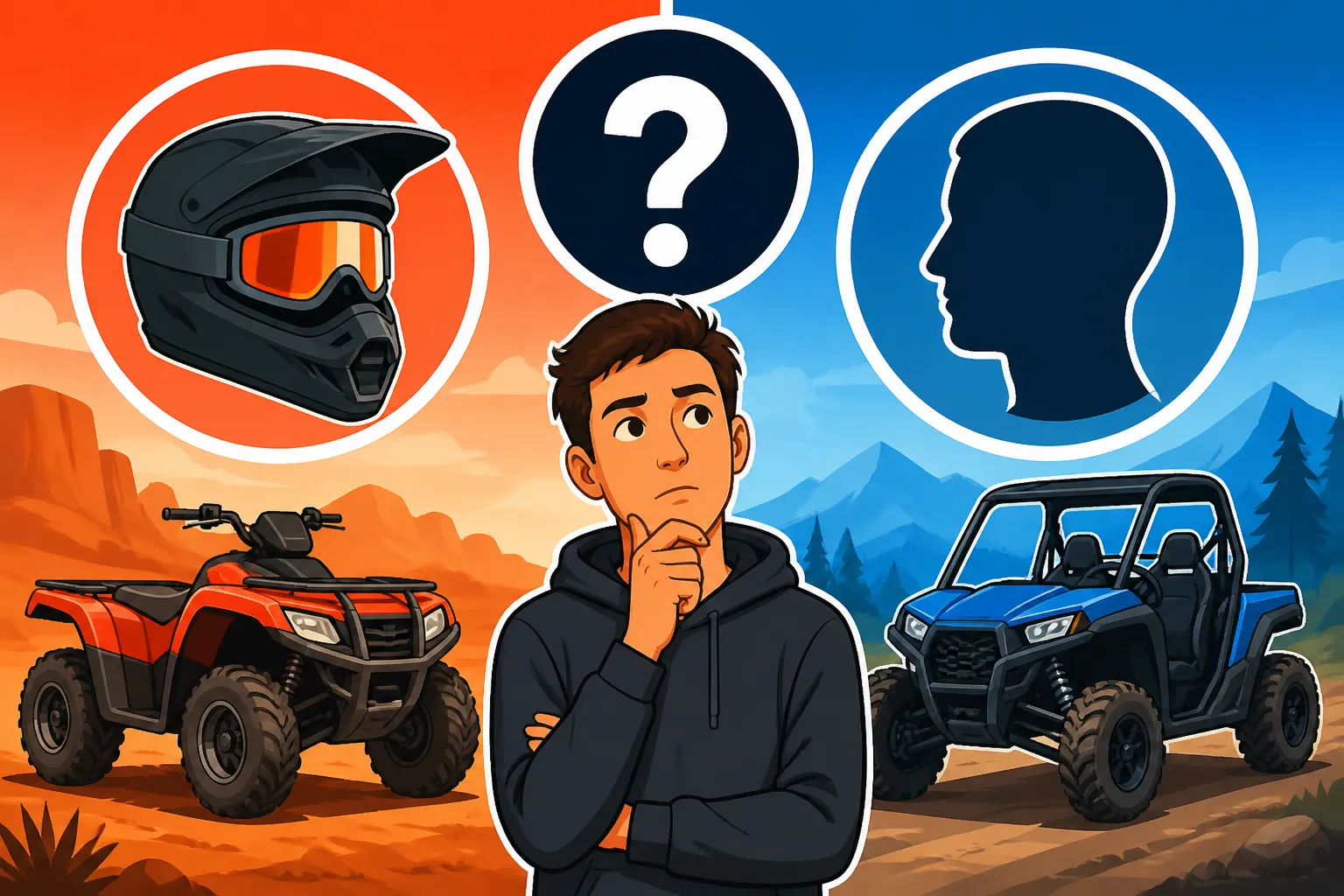
Let's cut right to the chase: For riders 18 years of age and older, Utah law generally does not mandate helmet use when operating an ATV or UTV on public lands or designated OHV trails. This often comes as a surprise to those accustomed to motorcycle laws or rules in other states. The primary focus of Utah's helmet laws for off-highway vehicles is on younger riders, recognizing their increased vulnerability and inexperience.
No Universal Helmet Mandate for Adults
It's true, if you're an adult enjoying a ride through the stunning red rock country near Moab or cruising the high mountain trails of the Paiute Trail system, the state law doesn't explicitly require you to wear a helmet. This applies to typical off-road recreational riding on trails, dirt roads, and open areas designated for OHV use. So, for many seasoned riders who stick to the trails, the decision to wear a helmet often comes down to personal preference and risk assessment. However, "not required" doesn't mean "not recommended," and we'll dive into why in a bit.
Imagine you're out with a group of friends, maybe exploring the canyons near Sand Hollow. Some of your buddies might be rocking full-face helmets, while others have open faces or no helmets at all. According to the letter of the law for adults 18 and over, everyone in that scenario could technically be in compliance. The flexibility can be a relief for some, but it also places a greater onus on individual riders to make smart safety choices. This general allowance is a significant distinction from many other vehicle types and jurisdictions, which is why the confusion is so widespread.
The Critical Age Cutoff: Under 18 Rule
While adults generally aren't required to wear helmets, the rule is crystal clear for younger riders. In Utah, anyone under the age of 18 must wear an approved safety helmet while operating or riding as a passenger on an ATV or UTV. This applies across the board, whether you're on public land, private land, or anywhere else an OHV is being operated.
This means if you're a parent or guardian taking your teenager out for a ride, they absolutely need to be helmeted. Even if you, as an adult, choose not to wear one, your minor passenger or operator must. It's not just a recommendation; it's a legal requirement designed to protect the most vulnerable members of our riding community. Failing to ensure a minor wears a helmet can result in citations and fines, which no one wants when they're trying to have a fun family outing. Always refer to [Utah Helmet Rules for Riders Under 18] to ensure you're up to date on these specific mandates.
When Helmets Are Required (Even for Adults)
While the general rule for adults is "no mandatory helmet," there are specific circumstances and environments where an approved safety helmet becomes a legal requirement, regardless of your age. These situations are important to understand, as overlooking them could lead to fines or, more importantly, put your safety at serious risk.
Street-Legal OHVs and Roadway Operation
This is perhaps the biggest area of confusion for adult riders. If you've modified your UTV or ATV to be street legal and you're operating it on public paved roads, highways, or city streets in Utah, the rules change. In most cases, if your OHV is considered a street-legal vehicle and operating in a manner similar to a motorcycle or other vehicle subject to roadway laws, adult helmet laws for motorcycles may apply.
Utah's motorcycle helmet law states that operators and passengers under the age of 18 must wear a helmet. For those 18 and older, helmet use is generally optional when riding a motorcycle. However, the interpretation for street-legal OHVs can sometimes vary by municipality or specific road designation. It's always best to err on the side of caution. If you're going to be driving your street-legal side-by-side on state highways or through towns, donning a helmet is a smart move not only for safety but also to avoid potential misunderstandings with law enforcement. Understanding [Street-Legal ATV Equipment Requirements] is key here, as helmets often factor into the overall safety profile for road use.
Special Events and Permitted Riding Areas
Sometimes, certain organized events, races, or privately owned riding parks will have their own specific rules regarding helmet use, which might be stricter than state law. If you're participating in an ATV/UTV rally, a sanctioned race, or even riding on private land that has its own set of rules (like some motocross tracks or adventure parks), always check their specific requirements. They may mandate helmets for all riders, regardless of age, as part of their liability and safety protocols.
It’s not uncommon for these events to require specific types of helmets, like DOT-approved full-face models, especially in competitive scenarios. Always read the fine print or ask the event organizers directly before you show up. You don't want to be turned away from a fun day of riding because you didn't bring the necessary gear. Many riders find that a versatile helmet, perhaps one they sourced from a brand like SuperATV known for its robust accessories, serves them well across a variety of riding conditions and events.
Riding with a Learner's Permit or No Driver's License
While primarily affecting younger riders, there can be nuances if an adult is operating an OHV under certain conditions related to licensing. Generally, if you are 18 or older and have a valid driver's license, the general "no helmet required" rule applies for off-road use. However, if there are any specific local ordinances or unique situations (such as if you're borrowing a machine or are part of a supervised group where a guide dictates rules), it's always wise to clarify. For anyone learning to ride, the best practice is always to wear a helmet, regardless of age, to minimize risk during the learning phase. Getting your [The Utah OHV Education Certificate] is also a smart move, as it covers critical safety information, including proper gear.
Why Choose a Helmet Even When Not Legally Required
Okay, so Utah law generally gives adults the option when it comes to helmets on the trails. But let's be real: "optional" doesn't mean "unnecessary." As someone who's seen a fair share of trail mishaps, I can tell you that a helmet is the cheapest insurance policy you can buy for your head. Even the most experienced riders can find themselves in unexpected situations, and a helmet can be the difference between a minor inconvenience and a life-altering injury.
Protecting Your Most Important Asset
Your brain is irreplaceable. Seriously. While ATVs and UTVs are incredibly fun, they are powerful machines that operate in dynamic, often unpredictable environments. A roll-over, a sudden stop, an unexpected obstacle, or even a low-speed tip-over can send your head impacting the ground, a rock, or part of your machine. A helmet absorbs and dissipates impact forces, dramatically reducing the risk of concussion, skull fracture, or traumatic brain injury.
Think about it this way: you invest thousands in your machine, your truck, your trailer, and all your riding gear. Why wouldn't you invest in the single most important piece of safety equipment for yourself? We've all seen riders take a tumble, even at low speeds, and come away with a nasty bump. But sometimes, that bump is more serious than it looks. A helmet provides that critical layer of protection, allowing you to ride with a little more peace of mind, knowing you've taken a proactive step to safeguard your health.
Beyond Head Injuries: Preventing Scrapes and Bumps
While the primary function of a helmet is to protect against severe head trauma, it also offers excellent protection against a multitude of lesser, but still unpleasant, injuries. Imagine a branch snapping back at your face, a rock flung up by another rider's tires, or the simple act of falling off your machine and scraping your head on the ground. A good helmet, especially a full-face model, shields your face, ears, and scalp from these common trail hazards.
Riding often involves kicking up dust, dirt, and debris. Eye protection is critical (and often required or strongly recommended for minors, and just plain smart for adults), but a helmet takes it a step further. Many riders choose helmets that integrate well with goggles or feature built-in visors, providing comprehensive protection from the elements. Aftermarket options, perhaps from a reputable dealer carrying brands like SuperATV, can provide enhanced features like improved ventilation or impact resistance, making your ride more comfortable and safer.
The Right Helmet for the Right Ride
Not all helmets are created equal, and choosing the right one can enhance both safety and comfort. Here are a few common types:
- Full-Face Helmets: These offer the most comprehensive protection, covering your entire head, face, and chin. They're excellent for high-speed riding, rough trails, and dusty conditions.
- Open-Face (3/4) Helmets: These cover the top, back, and sides of your head but leave your face exposed. They're lighter and offer more airflow, but require separate eye protection.
- Dual-Sport Helmets: A hybrid, these look like motocross helmets but often have a visor like a street helmet. They offer good protection and versatility.
Regardless of the type you choose, ensure it's DOT (Department of Transportation) approved. This certification means it meets minimum safety standards for impact absorption. An improperly fitted helmet is almost as bad as no helmet at all, so take the time to try different sizes and styles to find one that fits snugly without being uncomfortable.
Other Important Safety Gear and Rules for Utah Riders
While helmets are a big part of the safety conversation, they're just one piece of the puzzle. Being a responsible and safe ATV/UTV rider in Utah involves a holistic approach to preparation, gear, and awareness. Neglecting other aspects of safety can quickly undermine the protection a helmet provides.
Eye Protection and Gloves: Don't Forget the Basics
Even if you choose not to wear a full-face helmet, eye protection is non-negotiable. Dust, flying debris, bugs, and branches can cause serious eye injuries and impair your vision, leading to accidents. Goggles or shatter-resistant glasses are a must-have for every ride. Similarly, gloves protect your hands from blisters, abrasions, and impacts, while also improving your grip on the handlebars. These seemingly minor items can prevent a lot of discomfort and injury, allowing you to enjoy your ride more fully.
When out on the trails, especially in areas like the San Rafael Swell where dust can be prevalent, good eye protection is a lifesaver. You don't want your vision obscured because a rogue piece of trail debris caught you off guard. Many riders pair their helmets with high-quality goggles for optimal vision and comfort, often looking for accessories from trusted names like SuperATV that offer clear visibility and a secure fit.
The Importance of Rider Education
Whether you're a seasoned pro or new to the sport, ongoing rider education is incredibly valuable. Utah offers OHV education courses that cover safe riding practices, environmental responsibility, and specific laws. While mandatory for youth, adults can also benefit greatly from these courses, refreshing their knowledge and learning new techniques. You can find more information about these programs and certificates by looking up [The Utah OHV Education Certificate].
Education isn't just about avoiding tickets; it's about making you a more skilled, aware, and prepared rider. Understanding trail etiquette, how to safely navigate different terrains, and what to do in an emergency are all critical components of responsible OHV use. This knowledge base helps prevent accidents where a helmet might become your last line of defense.
What to Carry on the Trail: Preparedness is Key
Beyond personal safety gear, being prepared for unexpected situations on the trail is paramount. Carrying essential items can make a huge difference if you encounter a breakdown, get lost, or need to administer first aid. Here’s a quick checklist of items every rider should consider:
- First-aid kit: For minor injuries.
- Water and snacks: Especially important in Utah's arid climate. Check out [Water to Pack for a Summer Utah Ride] for more tips.
- Tools: Basic tools for minor repairs, tire repair kit.
- Navigation: GPS device or detailed maps (and know how to use them, even if you have a phone).
- Communication: Cell phone (with a charger), satellite messenger for remote areas.
- Emergency supplies: Whistle, flashlight, small shovel, fire starter.
Being self-sufficient on the trail is a hallmark of an experienced rider. Knowing [What Utah Riders Must Carry on Public Land] is more than just about paperwork; it's about packing for contingencies so a fun day doesn't turn into a dangerous situation. Always let someone know your planned route and expected return time, especially if you're venturing into remote areas.
Rules of the Road and Trail Etiquette
Even if you're not riding a street-legal machine, understanding basic rules of the road and trail etiquette is vital. This includes respecting speed limits on shared roads or designated OHV routes, yielding to other trail users like hikers and equestrians (see [Riding Etiquette When You Meet Horses]), and being mindful of noise levels. If you do get stopped by a Utah officer, knowing [What a Utah Officer Looks for on a Street-Legal ATV] can help you understand their concerns, even if your machine isn't street-legal. Always have your registration and permit handy, whether physical or digital. [Carrying Digital Proof of Registration on the Trail] is often acceptable, but confirm local requirements.
Riding responsibly is not just about following the law; it's about being a good steward of our incredible public lands and ensuring everyone can enjoy them safely. A huge part of that is protecting yourself, and wearing a helmet, even when not legally obligated, is a powerful statement of that commitment.
Here's a quick summary of Utah's adult helmet requirements:
| Scenario | Age Under 18 | Age 18 and Older | Notes |
|---|---|---|---|
| Off-road on Public Lands/Trails | REQUIRED | Optional | Strongly recommended for all ages. |
| Riding on Private Property | REQUIRED | Optional | Owner's rules may supersede state law. |
| Operating a Street-Legal OHV on Roads | REQUIRED | Optional | Motorcycle helmet laws apply; always confirm local ordinances. |
| Special Events/Races/Parks | REQUIRED (often) | REQUIRED (often) | Event/venue rules may mandate helmet use for all participants. |
| As a Passenger | REQUIRED | Optional | Same rules apply for passengers as for operators. |
This table provides a snapshot, but remember, laws can be nuanced. When in doubt, wear a helmet.
Disclaimer
This article is for general informational purposes only and does not constitute professional advice. Laws, prices and regulations vary by location and change over time. Consult a qualified professional for guidance on your specific situation.