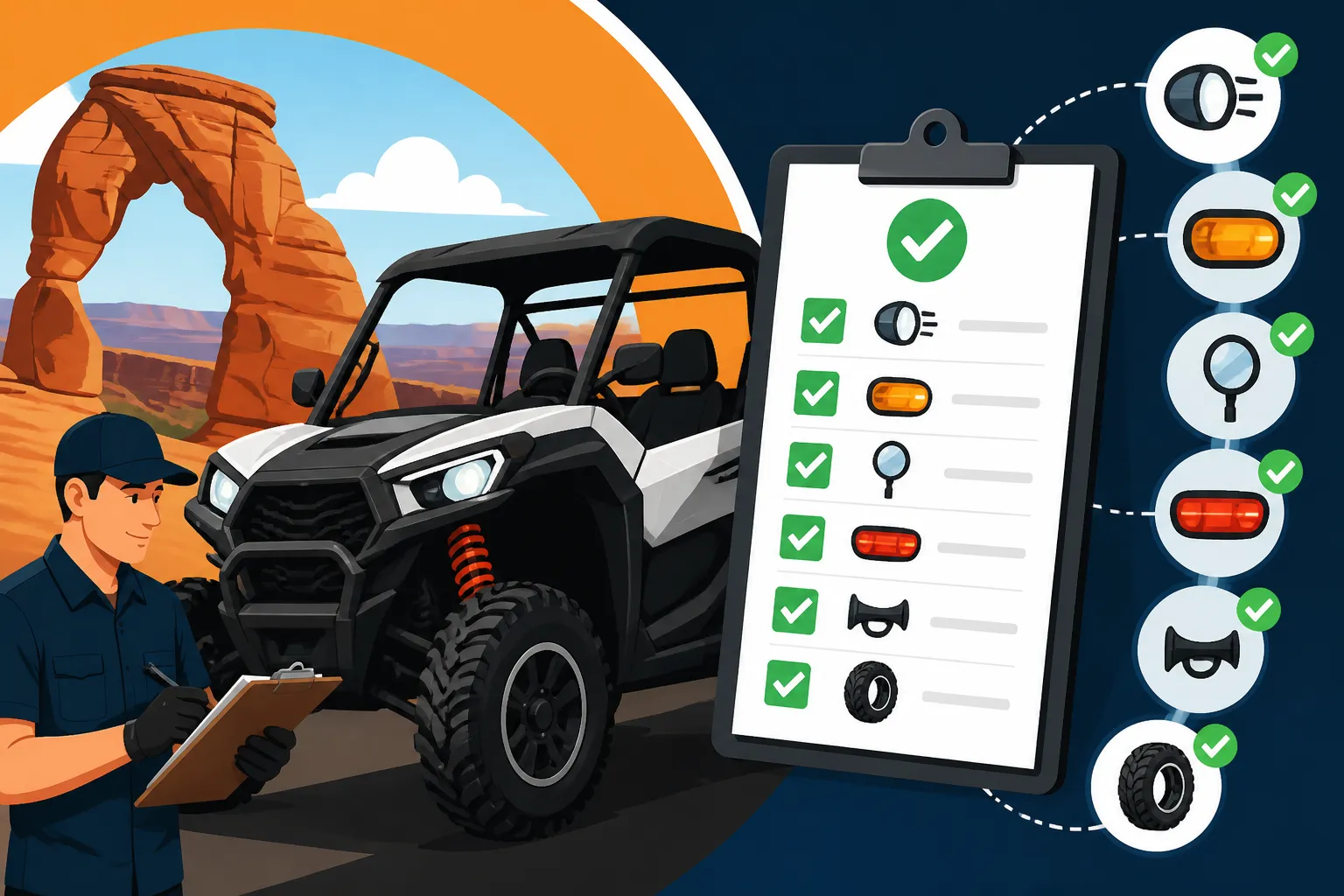
Utah’s Street-Legal ATV Inspection, Step by Step
There's nothing quite like the freedom of exploring Utah's incredible backcountry, but let's be honest, those stretches of paved road between trails can be a real buzzkill. Hauling your machine on a trailer just to get to the next dirt section feels like a huge waste of time and effort, and that's exactly why so many of us dream of making our ATV or UTV street legal. Getting through the Utah street-legal ATV inspection can feel like navigating a complex maze, but this guide will walk you through every single step, ensuring you know exactly what to expect and how to prepare your machine for road-ready adventures.
Why Utah Requires a Street-Legal Inspection
You've got your beast of a machine, you've invested in some sweet aftermarket upgrades, and now you want to hit the pavement. It seems straightforward, right? Slap a license plate on it and go. But Utah, like many states, has a vested interest in road safety, and that's where the street-legal inspection comes in. It's not just about creating hoops to jump through; it's about making sure your off-highway vehicle (OHV) can safely share the road with everything from motorcycles to semi-trucks.
More Than Just a Plate: Safety and Compliance
When you're out on the trails, your machine is designed for rugged terrain, tight turns, and sometimes, taking a beating. Roads, however, demand a different set of capabilities. Cars, trucks, and even other street-legal OHVs operate under a specific set of rules and expectations for visibility, signaling, and braking. The inspection ensures your machine meets these fundamental safety standards. For instance, an ATV typically doesn't come from the factory with turn signals or mirrors that are adequate for highway speeds and traffic awareness. These components are critical for safe road use. It’s about more than just having a license plate; it’s about having a machine that communicates its intentions clearly to other drivers and can react predictably in traffic. Without these crucial elements, even a short trip down a paved county road could put you and others at risk.
Think about it: when you signal a turn in your car, other drivers understand exactly what you're doing. On an OHV, hand signals might not be seen, especially by larger vehicles or at night. The inspection verifies that your machine has the necessary equipment to comply with standard traffic laws, from proper lighting to an audible horn. It’s the state's way of saying, "Okay, we trust you to drive this on our roads, but only if it meets these baseline safety requirements." This ensures everyone on the road, including you, has a safer experience.
Protecting All Road Users
It's easy to focus on your own machine and your own safety, but the street-legal inspection is also very much about protecting everyone else on the road. Imagine you're driving your side-by-side through a small town on your way to the trailhead, and suddenly you need to stop. If your brake lights aren't bright enough or your tires aren't suitable for pavement, you could create a dangerous situation for the car behind you. Similarly, if your machine is excessively loud, it can distract or annoy other drivers and residents, making the experience less pleasant for everyone. [Moab's Noise Ordinance and What It Measures] is a good example of how communities are trying to manage these impacts.
The requirements for things like mirrors ensure you can see what's behind you, just like any other road vehicle. This isn't just for your benefit when changing lanes; it also helps you be aware of emergency vehicles or other fast-approaching traffic. The inspection provides a uniform standard, meaning that any street-legal OHV you encounter on a Utah road should meet the same basic safety criteria. This standardization helps foster predictability and trust among all road users, which is essential for safe traffic flow. When every vehicle, regardless of type, adheres to a common set of safety regulations, the roads become safer and more manageable for the entire community.
Understanding the Core Equipment Requirements
Before you even think about heading to an inspection station, you need to be absolutely sure your OHV is equipped with all the necessary components. This is where most riders spend their time and money, either adding parts to a stock machine or upgrading existing ones. Getting these details right before your inspection appointment can save you a ton of frustration and a potential re-inspection fee. Many companies, including SuperATV, offer complete kits and individual components designed to help you meet these requirements.
Headlights, Tail Lights, and Brake Lights
This might seem obvious, but there's more to it than just having lights. Your OHV needs to have functional headlights that illuminate the road ahead, just like a car. This means they need to be bright enough and properly aimed. Think about riding at dusk or in adverse weather – good headlights are non-negotiable for visibility. You also need a tail light that is clearly visible from the rear, letting others know you're there. And crucially, your brake lights must activate when you apply the brakes, signaling to following traffic that you're slowing down or stopping. [Headlights and Tail Lamps Utah Requires] provides more detail on the specifics.
Often, stock OHV lights are designed for off-road use, which means they might not be bright enough, or their beam pattern isn't appropriate for highway driving. You might need to install brighter LED headlights or add auxiliary tail lights to meet the visibility standards. It's not enough for them to just "work"; they need to be compliant with road vehicle standards for intensity and coverage. The inspector will check for both functionality and proper placement, ensuring they are not obstructed and are clearly visible from the required distances.
Turn Signals and Horn: Making Your Intent Known
These are two critical items often missing from factory OHVs and are usually among the first things riders add for street legality. Turn signals are essential for indicating your intentions to turn or change lanes. You'll need amber turn signals both front and rear, on both sides of the machine, that flash in a clear and consistent manner. They should be visible from a certain distance, both day and night. Many riders opt for aftermarket kits that integrate seamlessly into their OHV's wiring system.
Equally important is a functional horn. This isn't just for trail signaling; on the road, a horn is a vital safety device for alerting other drivers or pedestrians to your presence, especially in situations where a visual signal might be missed. [Horns, Mufflers and Utah Noise Limits] covers this in more detail. The horn needs to be audible from a specific distance, typically 200 feet, and must be able to be operated by the driver while maintaining control of the vehicle. Inspectors will test both the functionality and the audibility of your horn, ensuring it meets the required standards.
Mirrors and Windshield/Eye Protection
Visibility around your vehicle is just as important as visibility of your vehicle. Utah law requires at least one rearview mirror, typically mounted on the left side, that provides a clear view of the road to the rear. However, for maximum safety and to easily pass inspection, most riders install mirrors on both sides of their OHV. [Mirrors Utah Requires on Both Sides] discusses this in depth. These mirrors need to be securely mounted and provide an unobstructed view. Flimsy, vibrating mirrors won't cut it.
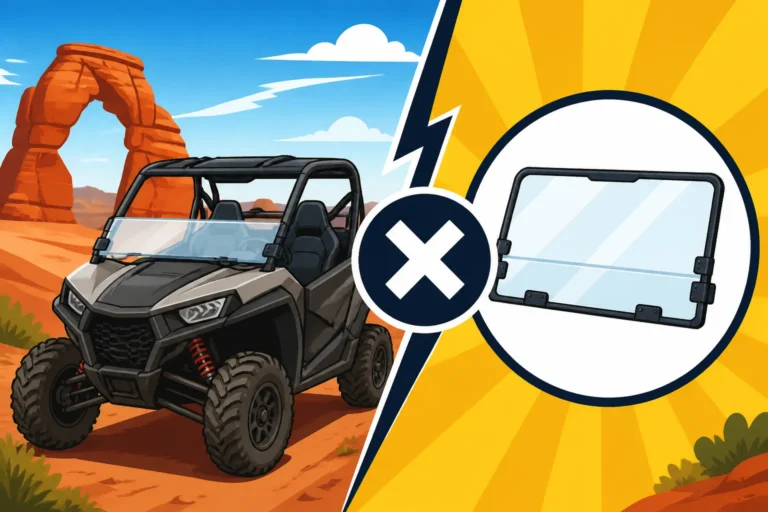
Regarding eye protection, if your OHV doesn't have a windshield, you (and any passengers) are required to wear eye protection while operating it on public roads. This could be goggles, a face shield on a helmet, or safety glasses. If you do install a windshield, it must be made of safety glass or a similar material that won't shatter dangerously in an impact. The inspector will check if your setup meets one of these criteria, whether it's a [Does a Half Windshield Pass in Utah?] or full windshield, or if you're prepared to use appropriate eye protection.
License Plate Mount and Illumination
Once your machine is street legal, it will be issued a standard vehicle license plate. This plate needs to be securely mounted on the rear of your OHV, in a position where it is clearly visible and not obstructed by any cargo or machine components. It must also be illuminated at night by a white light, making it legible from at least 50 feet away. [License Plate Lights and Mounting in Utah] dives deeper into these rules.
Many aftermarket street-legal kits, including those from SuperATV, come with a dedicated license plate bracket and light. It's crucial that this setup is robust enough to withstand the vibrations and occasional bumps that even a street-legal OHV might encounter. A plate that rattles loose or a light that stops working after a few rides will likely lead to issues down the line. The inspector will ensure the plate is mounted properly and the light works, confirming compliance with visibility regulations.
Muffler, Spark Arrestor, and Noise Limits
Noise pollution is a significant concern for many communities, especially in scenic areas where OHVs are popular. Your OHV must be equipped with a muffler that effectively reduces engine noise to within legal limits. Excessive noise is a common complaint, and some towns have stricter noise ordinances than others. [Moab's Noise Ordinance and What It Measures] highlights this. Beyond the muffler, a spark arrestor is crucial for preventing wildfires, even on public roads, and is typically required by law.
The inspector will likely perform a visual check of your muffler and spark arrestor to ensure they are present and appear to be in good working order. While they may not use a decibel meter during every inspection, if your machine is noticeably loud, it could raise a red flag. It's always a good idea to check local ordinances if you plan to ride in specific areas, as some places have stricter limits than the statewide regulations. Installing a quiet exhaust option can go a long way in ensuring compliance and maintaining good relations with local residents.
Brakes, Tires, and General Machine Condition
The functionality of your brakes is absolutely paramount for road safety. Your OHV needs to have a braking system that can effectively stop the vehicle. This means both front and rear brakes must be in good working order, with sufficient pad thickness and no leaks in the hydraulic system. The inspector will test your brakes, often by rolling the machine a short distance and applying the brakes to ensure they engage properly and stop the vehicle efficiently.
Your tires are also a key component. While knobby off-road tires are perfect for the dirt, they might not be ideal for pavement. They need to be in good condition, with adequate tread depth, and suitable for highway use. Extremely aggressive mud tires can wear quickly on pavement and might not offer optimal grip. Finally, the general condition of your machine matters. Loose suspension components, broken lights, or anything that looks unsafe could lead to a failed inspection. The vehicle should appear well-maintained and roadworthy. Think of it like getting a vehicle ready for a regular car inspection; everything needs to be secure and fully functional.
Finding a Certified Inspection Station in Utah
So, you've gone through your checklist, installed all the necessary components, and your OHV is looking road-ready. The next step is to find an authorized inspection station. You can't just go to any garage; Utah has specific requirements for who can perform these inspections. It's important to choose a reputable place to ensure the inspection is done correctly and efficiently.
Dealerships vs. Independent Shops
When it comes to getting your OHV inspected, you generally have two main options: power sports dealerships or independent service shops that are certified by the state to perform safety inspections. Dealerships that sell ATVs and UTVs are often a good choice because their technicians are already familiar with the specific quirks and setups of these machines. They know what to look for and are usually well-versed in the specific regulations that apply to OHVs going street legal. For example, a Polaris dealer will be very familiar with [Installing Turn Signals on a Polaris RZR] because they do it all the time.
Independent shops can also be a great option, especially if you have one locally that you trust. The key is to ensure they are indeed a certified inspection station for motor vehicles, and specifically capable of inspecting OHVs. Not all auto repair shops handle OHV inspections, so it's always best to call ahead and confirm. Some independent shops might specialize in off-road vehicles and be just as knowledgeable, if not more so, than a general dealership. The choice often comes down to convenience, your existing relationship with a shop, and their experience with off-highway vehicles.
Calling Ahead and Making Appointments
This might seem like a small detail, but calling ahead is absolutely crucial. Don't just show up to a shop with your OHV on a trailer, expecting them to drop everything and inspect it. Most inspection stations operate by appointment, and their schedules can be quite busy. When you call, clearly state that you need a "street-legal OHV inspection." This helps them understand the specific type of inspection required and allocate the right amount of time.
It's also a great opportunity to ask about their process, any specific requirements they might have, and the current fee for the inspection. While many shops have similar fees, they can vary. Confirming the cost upfront avoids any surprises. Also, ask if there's anything specific you should bring, beyond your OHV's registration and title. Some shops might have particular forms or want you to highlight the modifications you've made. Being prepared helps the process go smoothly for everyone involved.
The Inspection Process: What to Expect on Inspection Day
The big day is here! You've made your appointment, your machine is prepped, and you're ready to get it certified. Understanding the flow of the inspection process can help calm any nerves and ensure you haven't forgotten anything. It's generally a pretty straightforward visual and functional check, but attention to detail on your part will make it much quicker.
Pre-Inspection Checklist: Preparing Your OHV
Before you even load your OHV onto the trailer to head to the inspection station, do one final, thorough check. This isn't just a casual glance; it's a systematic run-through of every single requirement. Go through your list: Are the headlights working on both high and low beam? Do all four turn signals flash clearly? Is the horn loud and clear? Does the brake light illuminate immediately when you press the brake pedal? Are your mirrors secure and providing a good view? [What Fails a Utah Street-Legal Inspection] often comes down to these basic functional checks.
Check your tires for proper inflation and adequate tread. Make sure your license plate bracket is secure and the illumination light is functioning. Take a moment to check underneath your machine for any obvious leaks or loose components. This "pre-flight" check can catch small issues you might have overlooked and prevent a frustrating re-inspection. It's also a good idea to ensure your OHV is clean; while not a legal requirement, a clean machine shows respect for the inspector's time and attention to detail.
The Visual Examination: Lights, Mirrors, and More
Once you arrive at the inspection station, the inspector will start with a comprehensive visual examination of your OHV. They'll walk around the machine, systematically checking for the presence and proper installation of all required components. This is where they confirm you have front and rear turn signals, side mirrors, a horn, and a license plate light. They'll also verify that your headlights, tail lights, and brake lights are present and appear functional.
The inspector won't just look for the parts; they'll also check their condition and placement. For example, are your turn signals positioned where they can be clearly seen from the front and rear? Is your license plate free of obstructions? They'll also typically check for a spark arrestor and the overall condition of your exhaust system to ensure it meets noise and emissions standards. This visual sweep is designed to ensure that all the mandated safety features are physically present and appear to be in good working order.
Functional Tests: Brakes, Horn, and Signals
After the visual check, the inspector will move on to functional tests. This is where they actively engage the various systems to confirm they operate as required. They'll typically sit in the driver's seat and:
- Test all lights: They'll cycle through your headlights (high/low beam), turn on the tail light, and most importantly, step on the brakes to ensure the brake light illuminates promptly.
- Activate turn signals: They'll activate both left and right turn signals, checking that they flash consistently at both the front and rear of the vehicle.
- Sound the horn: They'll press the horn button to confirm it emits an audible sound.
- Check brake effectiveness: For this, they might roll your OHV a short distance and apply the brakes to feel their engagement and stopping power. They're looking for firm brake pedal/lever feel and effective stopping.
They'll also likely check your tires for tread depth and overall condition, and may even check for excessive play in steering or suspension components. The goal here is to ensure that all the safety features don't just exist, but perform their intended function reliably. [How Long a Street-Legal Inspection Takes] isn't usually very long if everything is in order, but functional checks are thorough.
Documentation and Paperwork at the Station
Beyond your machine, the inspection station will also need some of your paperwork. You'll typically need to provide your OHV's title and current registration (even if it's currently only registered for off-highway use). They'll verify the Vehicle Identification Number (VIN) on your machine matches the VIN on your documentation. This is a critical step to ensure the machine being inspected is the one legally owned and registered.
Once the inspection is complete and your OHV passes, the inspector will issue you an inspection certificate or a similar form. This document is your proof that your machine has met all the street-legal safety requirements. It's incredibly important, as you'll need to take this certificate to the Utah DMV to actually get your license plate and street-legal registration. Make sure you keep this document safe, as losing it could mean delays or even needing a new inspection.
Common Reasons OHVs Fail Inspection
It's completely normal for some OHVs, especially those that haven't had a full street-legal kit installed, to fail their first inspection. Don't get discouraged! The inspection process is designed to catch these issues, and often, the problems are relatively minor and easily fixed. Understanding why machines often fail can help you prepare better and potentially pass on your first attempt. [What Fails a Utah Street-Legal Inspection] is a key resource to review.
Minor Fixes and Quick Adjustments
Many failures come down to small, easily rectifiable issues. Imagine you've installed all your lights, but one of the wires came loose during your last ride, or a bulb burned out. That's a quick fix. Sometimes, turn signals aren't properly synchronized, or a mirror isn't quite tight enough and vibrates excessively. These are all things you can usually address on the spot if you're prepared, or at least very quickly before a re-inspection.
Another common minor issue is the horn not being loud enough, or the license plate light being dim or improperly aimed. Tire pressure might be off, or a minor crack in a lens could be an issue. These aren't reasons to despair. Often, if the inspector sees you're nearly there, they'll give you clear guidance on exactly what needs to be fixed. The key is to take their feedback seriously and make the necessary adjustments promptly. Many shops are happy to do a quick re-check without a full re-inspection fee if the fixes are trivial.
Major Component Issues and Repairs
Sometimes, the issues are more significant and require more than a quick tweak. This could include a faulty brake system that needs substantial repair, or headlights that simply aren't bright enough to meet road standards and require replacement. For instance, a stock UTV might have very basic lights that are fine for off-road but don't cast enough light or have the proper beam pattern for night driving on pavement. This would require an upgrade, perhaps a full LED headlight assembly. [Passing Inspection With Aftermarket Lights] is possible, but they must meet specific criteria.
Another common problem might be an exhaust system that's too loud, requiring a new muffler or modifications. Or perhaps your tires, while great for mud, are completely unsuitable for road use and need to be swapped out for a more street-friendly compound. These larger repairs or component replacements can take time and money, so it's wise to budget for them when planning your street-legal conversion. If you're using a company like SuperATV for your conversion parts, they often provide options specifically designed to meet these road requirements.
Understanding the Re-inspection Process
If your OHV fails the initial inspection, don't worry! You'll be given a rejection slip detailing exactly what failed. You'll then have a certain amount of time (often around 15 days, but this can vary) to make the necessary repairs and bring your machine back for a re-inspection. There's usually a reduced fee for a re-inspection, especially if you return within the specified timeframe.
The re-inspection will typically focus only on the items that failed the first time. For example, if your brake light was out, they'll just check the brake light. However, if they notice something new that's obviously unsafe, they might flag that too. It's in your best interest to fix everything on the original rejection slip thoroughly. The goal is to get your OHV compliant, so treat the re-inspection as a second chance to prove your machine is roadworthy. Being proactive with your initial checklist will minimize the chances of needing a re-inspection at all.
After Passing: Next Steps to Get Your Plate
Congratulations, your OHV passed the street-legal inspection! That's a huge milestone. But you're not quite done yet. Passing the inspection is just one piece of the puzzle. Now you need to take that inspection certificate and complete the registration process at the Utah Division of Motor Vehicles (DMV) to finally get your license plate. This is the moment your hard work pays off, and your OHV officially becomes road-legal.
Taking Your Inspection Certificate to the DMV
Once you have that signed and stamped inspection certificate in hand, your next stop is the Utah DMV. This certificate is your golden ticket. You'll need to bring it along with your OHV's title, proof of insurance (yes, street-legal OHVs require insurance, just like any other road vehicle), and your valid driver's license. [Insurance for a Street-Legal Machine in Utah] is a must-read for this step. Be prepared to fill out some additional paperwork for vehicle registration.
The DMV clerk will process your application, verify all your documents, and then issue you a new registration that designates your OHV as street legal. They will also issue you a standard Utah license plate. Make sure to double-check all the information on your new registration and plate to ensure accuracy before you leave the DMV. Mistakes can be a hassle to correct later. This is the moment where your OHV officially transitions from purely off-road to capable of sharing the paved roads.
Dual Registration: OHV Decal and Street-Legal Plate
Here's where it gets a little interesting: when your OHV becomes street legal in Utah, it essentially gets "dual citizenship." You'll still need your traditional OHV registration decal for riding on designated off-highway trails, and now you'll also have a standard vehicle license plate for road use. This means you'll pay two sets of fees – one for the off-highway registration and one for the street-legal registration. [Paying Two Registration Fees on One Machine] covers this in more detail.
The OHV decal typically goes in a specific spot, usually on the rear fender or front cowl, as outlined in [Where Utah's OHV Decals and Where They Go]. The new street-legal license plate will be mounted on the rear of your machine, usually in the center, and illuminated at night. It's crucial to have both current and properly displayed if you plan to use your machine for both purposes. The beauty of this dual system is that you retain all your off-road access while gaining the flexibility to connect trails via public roads.
Carrying Your Paperwork Legally
Just like with any other registered vehicle, you are legally required to carry specific documents with you whenever you operate your street-legal OHV on public roads. This includes your current street-legal registration, proof of insurance, and your driver's license. For off-road trail use, you'll also need your current OHV registration card and potentially your [The Utah OHV Education Certificate] if required for your age group or certain trails.
Many riders find it convenient to keep these documents in a waterproof bag or a secure compartment on their OHV. A digital photo of your registration and insurance on your phone might be accepted in some situations, but having the physical documents is always the safest bet. [Carrying Digital Proof of Registration on the Trail] is a good read. An officer may ask to see these documents during a traffic stop or even at a trailhead, so being prepared ensures a smooth interaction and avoids potential fines.
Maintaining Street-Legal Compliance Over Time
Getting your OHV street legal is not a one-and-done deal. Just like your car or truck, it requires ongoing maintenance and adherence to regulations to remain legal for road use. Understanding these continuing obligations will help you avoid issues down the road and keep your adventures hassle-free for years to come.
Re-inspections: How Often Are They Needed?
Unlike standard passenger vehicles in some states that require annual or biennial safety inspections, Utah's rules for street-legal OHVs can vary. It's crucial to stay informed about the current requirements, as these can change. Generally, street-legal OHVs may be subject to periodic re-inspection to ensure they continue to meet safety standards. [How Often Utah Re-Inspects a Street-Legal ATV] delves into the specifics, but typically, they aren't as frequent as a new inspection.
The idea behind re-inspections, even if not annual, is to catch components that may have worn out or become damaged over time. Riding on trails can be tough on machines, and parts like lights, mirrors, or exhaust systems can take a beating. Even if a formal re-inspection isn't required every year, it’s always wise to conduct your own thorough safety check before each riding season or any significant road trips. This proactive approach ensures your machine remains safe and compliant, regardless of formal inspection schedules.
Keeping Your Equipment Up to Code
The moment your OHV passes its inspection, the clock starts on the wear and tear of its components. Bulbs burn out, mirrors get bumped, and mufflers can develop leaks. To maintain street-legal compliance, you need to proactively ensure all your required equipment remains in good working order. Don't wait until a light fails during a night ride to replace it. Regular checks of your headlights, tail lights, turn signals, and horn should become part of your routine maintenance.
This also extends to your tires and brakes. Aggressive off-road riding can quickly wear down brake pads and tire tread. Regularly inspect these critical safety components and replace them as needed. If you modify your machine after it's been inspected, ensure those modifications don't compromise its street-legal status. For example, [Lift Kits and Utah Street-Legal Rules] specifies that excessive lift or tire size could potentially violate road safety regulations. Staying current with your vehicle's condition is paramount for continued legal road access.
Understanding Ongoing Costs
Beyond the initial investment in parts and the inspection fee, there are ongoing costs associated with keeping your OHV street legal. As mentioned, you'll be paying for both the off-highway registration and the street-legal vehicle registration annually or biennially, depending on your renewal choice. [Renewing Your Utah OHV Registration] is a separate but related process. You also have the cost of liability insurance, which is mandatory for any vehicle operating on public roads. [Street-Legal Insurance Cost for a UTV] gives you an idea of what to expect.
Then there's the cost of maintaining your street-legal components. Replacement bulbs, new mirrors if they break, or even a new muffler if yours gets damaged on the trail are all potential expenses. While these might seem minor individually, they add up. Budgeting for these ongoing costs is just as important as budgeting for your initial conversion. Being prepared for these expenses ensures that your street-legal OHV remains a source of enjoyment, not a financial headache.
City and County OHV Rules Across Utah
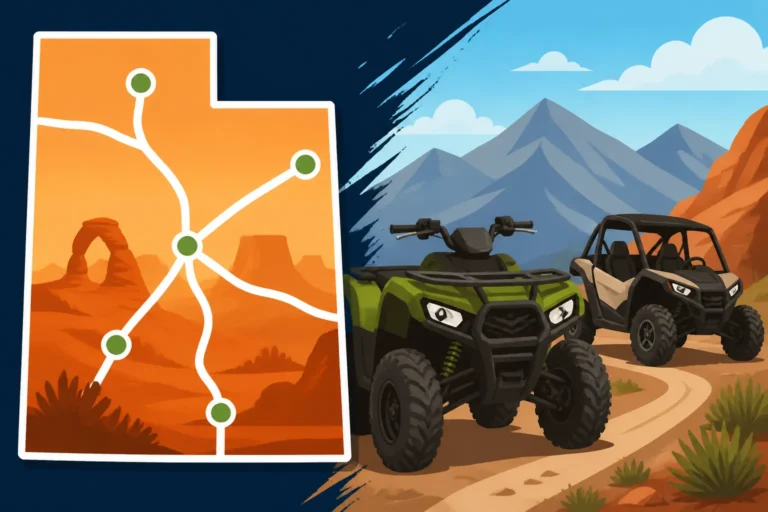
While Utah has statewide laws governing street-legal OHVs, it's incredibly important to understand that individual cities and counties can, and often do, implement their own specific ordinances. These local rules can dictate everything from speed limits on certain streets to noise restrictions and even where you can park your OHV. Ignoring these hyper-local regulations can lead to unexpected fines and a less enjoyable riding experience. [City and County OHV Rules Across Utah] provides a broader overview, but digging into specific towns is key.
Speed Limits, Noise, and Designated Routes
One of the most common variations you'll encounter at the local level relates to speed limits. While state law might permit a certain speed for OHVs on roads, a city or county might impose a lower speed limit within its municipal boundaries, especially in residential or downtown areas. [The 15 mph Rule on Moab City Streets] is a prime example of such a local ordinance. These lower limits are often put in place for safety, to reduce dust, and to minimize noise in populated zones. Always pay attention to posted speed limit signs, as they can change frequently when transitioning from county roads to city streets.
Noise ordinances are another area where local rules can be stricter than state law. Many popular OHV towns are sensitive to noise, especially during peak tourist seasons or late at night. Even if your muffler passed state inspection, it might still violate a local noise ordinance if it's deemed excessively loud by local standards. Before heading out, especially in popular destinations like Moab or Kanab, it's wise to check their specific ordinances. Some communities also designate specific routes or roads where OHVs are permitted, sometimes restricting access to main thoroughfares while opening up secondary streets.
Parking, Fuel Stops, and Navigating Town
Navigating a street-legal OHV through a small town often presents unique challenges. Parking can be a big one. While you can often park a street-legal OHV in regular parking spots, some towns might have specific regulations or designated areas. Always be mindful of parking signs and avoid blocking storefronts, sidewalks, or residential driveways. [Parking a UTV on a Moab Street] has some tips. The goal is to be a respectful visitor and not create nuisances for locals.
Fuel stops are typically straightforward, as most gas stations are accustomed to serving all types of vehicles. However, be aware of turning radius limitations if you're driving a longer UTV. Also, consider the etiquette of pulling up to a busy pump, especially if your machine is wide or requires a moment to maneuver. Many riders also use their street-legal status for quick grocery runs or grabbing a meal. While [Taking a UTV Through a Drive-Through] might seem fun, remember that some establishments might not be set up for OHV access, so be considerate and avoid blocking lanes. Overall, blend in and respect local customs, just as you would in any other vehicle.
Riding Across State Lines with a Utah Street-Legal OHV
One of the fantastic perks of having a street-legal OHV in Utah is the freedom it offers to explore beyond state borders. However, just because your machine is legal on Utah roads doesn't automatically mean it's street legal in every neighboring state. Each state has its own unique set of laws regarding OHVs on public roads, and these can vary significantly. Understanding these differences is crucial before you plan a cross-state adventure.
Reciprocity and Varying State Laws
The concept of "reciprocity" is key here. In simple terms, reciprocity means that one state recognizes the legal validity of licenses, registrations, or certifications from another state. For street-legal OHVs, reciprocity is a patchwork. Some states might fully recognize your Utah street-legal registration and allow you to ride on their roads, while others might have stricter requirements or simply not recognize out-of-state OHV street-legal conversions at all. [Riding a Street-Legal UTV Into Arizona] is a common question, and generally, Arizona has different rules for OHVs on roads.
States like Idaho, Nevada, and Colorado each have their own specific laws regarding OHV road use. For instance, some states might have minimum age requirements, helmet laws, or equipment standards that differ from Utah's. You might find that some states only allow OHVs on certain classes of roads, or only in specific counties. Always research the specific state's Department of Motor Vehicles or Parks and Recreation website before you cross the border. Ignorance of the law is never an excuse, and getting a ticket in a neighboring state can quickly ruin your trip.
Planning a Trip: Researching Your Destination
Before you trailer your street-legal OHV to a neighboring state, commit to thorough research. Don't assume. Look up the specific OHV street-legal laws for Arizona, Colorado, Idaho, Nevada, Wyoming, or any other state you plan to visit. Key questions to ask yourself and research include:
- Does the state recognize out-of-state street-legal OHV registrations?
- Are there specific equipment requirements (e.g., specific mirror sizes, different lighting standards) that differ from Utah's?
- What types of roads are open to OHVs (e.g., only county roads, no state highways, specific city streets)?
- Are there any non-resident permits required, even if your machine is street legal? [Idaho Stickers and Utah Machines] highlights specific out-of-state requirements.
- Are there different helmet laws or age restrictions for drivers or passengers on public roads?
It's also a good idea to check for local ordinances within specific towns or counties you plan to visit, as they can add another layer of complexity. Sometimes, a quick phone call to the local sheriff's office or state parks department in your destination area can provide the clearest answers. Being fully informed allows you to enjoy your trip without the stress of potential legal issues.
Disclaimer
This article is for general informational purposes only and does not constitute professional advice. Laws, prices and regulations vary by location and change over time. Consult a qualified professional for guidance on your specific situation.