Cost to Make a UTV Street Legal in Utah
Thinking about making your UTV street legal in Utah can feel like staring at a mountain of expenses, trying to figure out if it's even worth the climb. It’s not just about bolting on a few accessories; there's a whole process and a lineup of costs that can be a bit daunting to anticipate. But don't you worry, because this guide is here to break down exactly what you'll need to budget for, helping you navigate the financial side of getting your side-by-side ready for both the trail and the pavement.
The Initial Investment: Essential Gear and Professional Inspections
When you decide to make your UTV street legal in Utah, you're essentially transforming an off-road beast into a dual-purpose machine. This transformation isn't free, and the first major chunk of your budget will go towards the necessary equipment upgrades and the official inspections to ensure everything is up to snuff. It’s an investment in freedom, but it definitely requires some upfront cash.
Non-Negotiable Equipment Upgrades for Utah Roads
Utah has a very specific list of items your UTV must have to be considered street legal. This isn't just about looking good; it's about safety, visibility, and compliance with traffic laws. You'll need to think about turning signals, a horn, rearview mirrors, a license plate light, some form of windshield or eye protection, and a proper muffler. Each of these components comes with its own cost, and you'll have to decide whether to buy individual parts or a comprehensive kit.
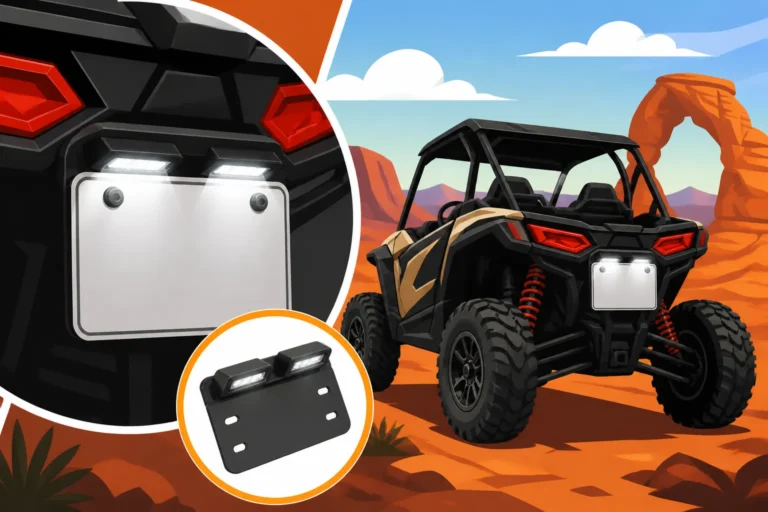
Let's break down these essentials. First, you'll need turn signals on both the front and rear of your machine. These are absolutely crucial for communicating your intentions to other drivers, and they need to be amber in color for the front and amber or red for the rear. Next up is a horn – a simple beep-beep might seem minor, but it's a critical safety device for alerting others on the road. Then there are rearview mirrors. Utah law specifically requires at least one mirror on the left side, but honestly, having mirrors on both sides is just plain smart for road driving. You'll also need a license plate light to illuminate your rear plate, making sure it's visible at night. A windshield or eye protection is another must-have; if your UTV doesn't have a full windshield, you or your passengers will need to wear goggles or glasses when riding on public roads. Finally, your muffler needs to be in good working order and not excessively loud, often with a spark arrestor that's compliant for both street and trail use. You can dive deeper into what’s needed in [Utah Street-Legal ATV Equipment Requirements].
The cost here can vary wildly depending on whether you're sourcing individual parts or opting for a full street-legal conversion kit. Many riders find that a kit, especially from reputable brands like SuperATV, can simplify the process immensely. These kits often include all the necessary wiring, switches, and components tailored for specific UTV models, which can save you a lot of headache in trying to piece things together. While a kit might seem like a higher upfront cost, it often offers better compatibility and less frustration during installation. Remember, quality counts here – choosing cheap, unreliable parts could lead to repeated failures, more spending, and even safety hazards down the road. You want components that will hold up to both trail dust and highway speeds. Understanding [What a Street-Legal Kit Includes] and [Parts You Still Need After Buying a Kit] will help you plan your purchases effectively.
The Cost of Getting Legally Vetted: Inspections and Paperwork
Once you've got all the essential equipment installed, your UTV isn't magically street legal. There's a formal process to go through, and that involves both a safety inspection and a visit to the DMV. These steps carry their own fees, and it’s important to factor them into your overall budget.
The first crucial step is a safety inspection conducted by a certified mechanic. This isn't just a quick look-over; they'll meticulously check every aspect of your street-legal conversion to ensure it meets Utah's specific requirements. This includes testing your turn signals, horn, brake lights, mirrors, tires, brakes, and making sure your windshield (or eye protection requirement) is met. These inspections aren't free, and the fee can vary by shop. You're typically looking at a set charge for the mechanic's time and expertise. This is a non-negotiable step, and if your machine fails, you'll have to fix the issue and potentially pay for a re-inspection. For a clear understanding of what happens during this stage, take a look at [Utah's Street-Legal ATV Inspection, Step by Step].
After passing the safety inspection, you'll take your passed inspection certificate, along with your vehicle's title and registration paperwork, to the Utah Division of Motor Vehicles (DMV). Here, you'll complete the administrative steps to officially change your UTV's status to street legal. There will be administrative fees for processing this change, issuing a new title if necessary, and getting your official license plate. While the exact figures can fluctuate, you should anticipate fees for the title change, the new street-legal registration, and the issuance of a traditional license plate that will be displayed on your machine. You'll still pay the standard OHV registration fees as well, but now your machine will also be recognized for road use. The DMV can also help you with specific questions about these fees and guide you to [Finding a Certified Utah Inspection Station]. Don't forget to budget for the [Cost of an ATV Safety Inspection in Utah] as a separate line item from your DMV visit.
| Cost Type | Description | Nature of Cost |
|---|---|---|
| Equipment & Parts | Turn signals, horn, mirrors, license plate light, windshield/eye protection, compliant muffler, tires. | One-time (initial setup) |
| Installation Labor | If you hire a mechanic to install the street-legal kit or individual components. | One-time (initial setup) |
| Safety Inspection Fee | Mandatory inspection by a certified mechanic to ensure compliance with Utah street-legal requirements. | One-time (initial setup) |
| DMV Title & Reg. Fees | Fees for updating title, processing street-legal registration, and issuing a license plate. | One-time (initial setup) |
Sustaining Street-Legal Status: Ongoing Costs and Renewals
Making your UTV street legal isn't just a one-time financial splash; it involves ongoing commitments to maintain its road-legal status. Just like a regular car, you’ll have annual fees and the crucial need for appropriate insurance. These are recurring costs that you absolutely need to factor into your long-term budget if you want to enjoy the full freedom of riding on both trails and roads.
The New Reality of Insurance for Road Use
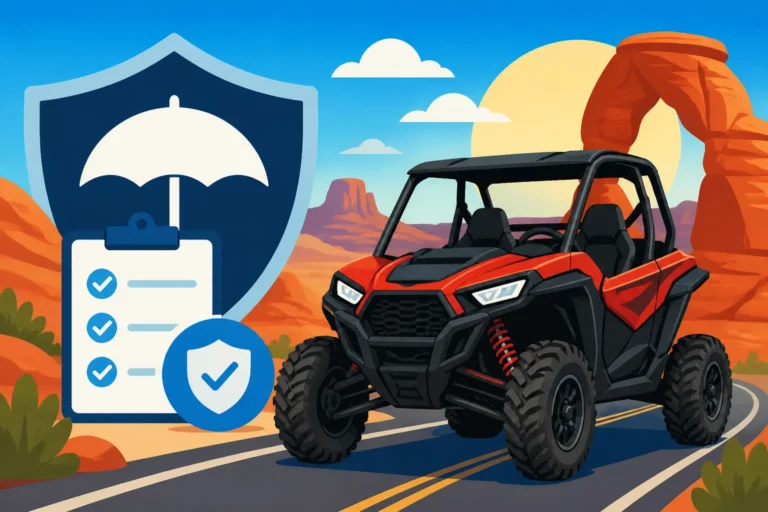
Perhaps one of the most significant ongoing costs for a street-legal UTV is insurance. When your UTV is purely an off-highway vehicle, your homeowner's insurance might offer some limited coverage, or you might opt for a basic OHV policy focusing on liability for trail accidents. However, the moment your UTV touches public roads, it's generally treated like any other motor vehicle, and that means a different, more comprehensive type of insurance is mandatory.
You'll need a policy that provides at least the minimum liability coverage required by Utah law for vehicles operating on public roads. This protects you financially if you're at fault in an accident that causes injury or property damage to others. Beyond liability, many riders choose to add comprehensive and collision coverage. Comprehensive coverage protects your UTV from non-collision incidents like theft, vandalism, fire, or damage from natural disasters. Collision coverage pays for damages to your UTV if you hit another vehicle or object. While these aren't always legally mandated, they offer invaluable peace of mind, especially given the investment you've made in your machine. Without adequate coverage, a single incident on the road could lead to devastating out-of-pocket expenses.
The cost of this insurance can vary widely based on several factors: the value and type of your UTV, your driving record, your age, where you live, and the specific coverage limits and deductibles you choose. You might find that adding your street-legal UTV to an existing auto policy with your current provider is an option, or you might need a specialized UTV or motorcycle policy. It's always a good idea to shop around and get quotes from multiple insurance companies to ensure you're getting the best rates for the coverage you need. Don't underestimate this cost; it's a critical component of responsible street-legal riding. For more details, explore [Insurance for a Street-Legal Machine in Utah] and understand the [Liability Limits Utah Requires on the Road].
Annual Fees: Registration, Plates, and Uniform Fees
Just like any other vehicle operating on Utah's roads, your street-legal UTV will be subject to annual registration renewals and associated fees. It’s not a "set it and forget it" kind of deal. You'll continue to pay the standard Off-Highway Vehicle (OHV) registration fee, which contributes to trail maintenance and management. However, because your UTV is now also street legal, it will also be assessed other fees typically associated with on-road vehicles.
These additional fees often include the state's uniform fee, which is based on a percentage of your UTV's value, as well as any applicable county-specific fees. The exact calculation can be a bit nuanced, but the key takeaway is that your annual renewal cost will generally be higher than if your machine were purely an off-highway vehicle. You're essentially paying for the privilege of accessing two different types of riding environments: designated trails and public roads. The renewal process itself is fairly straightforward, usually involving a payment to the DMV online or in person. Once renewed, you'll receive updated decals that signify both your OHV registration and your street-legal status.
Keeping your registration current is crucial. Riding a street-legal UTV with expired registration is a quick way to get pulled over and face fines. Budgeting for these annual costs ensures you can continue to enjoy the seamless transition from pavement to trail without any legal headaches. It’s a small price to pay for the immense flexibility that street-legal status provides. You can find more specific information about this process in [Renewing a Street-Legal ATV Registration], and it's helpful to be aware that you'll essentially be [Paying Two Registration Fees on One Machine], in a manner of speaking, as your UTV benefits from both sets of funding.
Beyond the Basics: Hidden Expenses and Practical Considerations
Beyond the straightforward costs of parts, inspections, and annual renewals, there are other financial factors that often pop up when making and maintaining a street-legal UTV. These can include the decision of whether to do the work yourself or hire a professional, unexpected maintenance, and even the cost of optional comforts that enhance your road-riding experience. Budgeting for these "hidden" or less obvious expenses can prevent surprises down the road.
DIY vs. Professional Installation: Weighing Time, Tools, and Expertise
One of the biggest variables in the total cost to make your UTV street legal is how you approach the installation of all the necessary components. Do you roll up your sleeves and tackle it yourself, or do you hand the keys over to a professional mechanic? Both approaches have their financial implications.
DIY (Do-It-Yourself) installation can save you significantly on labor costs. If you're mechanically inclined, have a good set of tools, and are comfortable with wiring diagrams and assembly instructions, this can be a very rewarding and cost-effective route. Many street-legal kits, like those from SuperATV, are designed with the DIY enthusiast in mind, often including detailed instructions and even some of the specialized connectors you might need. However, "saving money" on labor isn't always free. You're investing your time, which can be considerable, especially if you encounter unexpected issues. You might also need to purchase specialized tools if you don't already have them, adding to the initial outlay. There's also the risk of making a mistake that could lead to a failed inspection, requiring more time, parts, and potentially a re-inspection fee. Incorrect wiring, for example, could be a real headache.
Professional installation, on the other hand, means paying for a mechanic's labor, which will add a substantial amount to your initial cost. However, it comes with several benefits. A professional can typically complete the installation much faster, ensuring all components are installed correctly and up to code. This can save you a lot of personal frustration and minimize the risk of failing the inspection due to installation errors. For many riders, the peace of mind that comes with knowing the job was done right by an expert is well worth the extra expense. It frees up your time, and you can be more confident that your machine will pass inspection the first time. The decision often boils down to your personal skill set, available time, and comfort level with complex mechanical and electrical work.
The Costs of Compliance, Maintenance, and Optional Comforts
Once your UTV is street legal, the financial commitment isn't entirely over. There are ongoing costs associated with keeping your machine compliant, performing necessary maintenance, and potentially adding comforts that make road riding more enjoyable.
First, maintaining compliance means ensuring all your street-legal components remain functional. A burnt-out turn signal bulb, a cracked mirror, or a horn that stops working isn't just an inconvenience; it can lead to a traffic stop and potential fines. These parts will eventually wear out or get damaged, and you'll need to budget for their replacement. Additionally, Utah conducts periodic re-inspections for street-legal vehicles, so you'll need to ensure your UTV is always ready for scrutiny. Understanding [How Often Utah Re-Inspects a Street-Legal ATV] is key to staying ahead of this.
Then there's tire wear. While off-road tires are great for the dirt, they wear much faster on asphalt and can affect handling. You might find yourself investing in a set of more road-friendly tires, which offer better longevity and performance on pavement, but might come with their own specific cost considerations. Check out [Tire Rules for Street-Legal Machines] for guidance on what’s acceptable.
Finally, many riders invest in optional comforts and enhancements once their UTV is street legal. While not strictly required, items like a full cab enclosure, a heater, upgraded seating, a more robust stereo system, or even advanced GPS navigation can significantly improve the experience of driving your UTV on public roads, especially for longer distances or in varying weather. These additions can range from a few hundred to several thousand dollars, but they transform your rugged off-roader into a more comfortable and versatile road machine. While these aren't necessary for legal status, they're common upgrades that many riders ultimately choose, adding to the overall financial commitment. Keeping your machine in top shape is also what [What a Utah Officer Looks for on a Street-Legal ATV] – they're checking for safe and compliant operation.
Making your UTV street legal in Utah is truly an investment in freedom and versatility, opening up countless miles of roads and connecting you to trails in ways you couldn't before. While the costs can seem like a lot when you look at them all together, breaking them down into initial outlays for parts and inspections, and then ongoing expenses for insurance and renewals, makes the process much more manageable. Just remember to shop around for parts and insurance, weigh the pros and cons of DIY versus professional installation, and always budget for the unexpected so you can enjoy your ride, pavement or dirt, worry-free.
Disclaimer
This article is for general informational purposes only and does not constitute professional advice. Laws, prices and regulations vary by location and change over time. Consult a qualified professional for guidance on your specific situation.