Street-Legal Rules for Rented Machines
Renting an off-highway vehicle (OHV) in Utah can open up some of the most incredible landscapes you'll ever see, but it can also be a minefield of confusion when it comes to riding legally on paved roads. Many folks assume that if a rental company offers a "street-legal" machine, all the heavy lifting is done, and they can just hit the road without a second thought. But the truth is, even with a rental, you as the operator still have responsibilities to ensure you're compliant with Utah's specific and sometimes intricate street-legal laws. This guide will walk you through what you need to know about street-legal rules for rented OHVs, helping you avoid headaches, fines, and ruined trips.
Understanding Utah's Street-Legal OHV Landscape
Before we dive into the specifics of rentals, let's set the stage with a quick overview of what "street-legal" actually means for an ATV or UTV in Utah. It's not just a fancy sticker; it's a specific set of requirements designed to integrate these machines safely onto public roads. Utah is one of the more progressive states when it comes to allowing OHVs on roads, but that freedom comes with stringent rules.
The Basics of Street-Legal Conversion
Converting an OHV to be street legal in Utah involves equipping it with certain safety features that mirror those found on conventional automobiles. This isn't just about throwing on a turn signal kit; it's about meeting a comprehensive checklist. Think of it this way: your side-by-side might be a beast on the trails, but to share the pavement with cars and trucks, it needs to behave like one. The [Utah Street-Legal ATV Equipment Requirements] are very clear about what needs to be in place.
For instance, every street-legal OHV must have proper headlights and tail lamps, not just for visibility but often specifically designed for road use. You'll need turn signals on all four corners, a horn that works, and at least one rearview mirror. Many riders also choose to add a windshield for comfort and safety, though eye protection like goggles can sometimes satisfy the requirement if there's no windshield. Braking systems must be fully functional, and your exhaust needs to meet noise limits. These are non-negotiable items that a Utah Highway Patrol officer will be looking for.
Why Street-Legal Matters for Riders
The reason all this matters so much is simple: safety and access. Utah wants OHV riders to be safe when they're on roads, and they also want to ensure that access to trails via public roads remains open for everyone. Ignoring these rules can lead to significant fines and even impoundment, which would absolutely derail your vacation. Beyond that, an improperly equipped machine is a hazard to yourself and others on the road.
Moreover, many popular riding destinations in Utah, especially in the southern part of the state like Moab, St. George, and Kanab, have integrated their OHV trail systems with city and county roads. This means you can often ride directly from your motel to the trailhead, or pop into town for gas and groceries, all on your OHV. This incredible convenience is only possible if your machine, whether it's your own or a rental, is legally street-plated and equipped. Knowing [What a Utah Officer Looks for on a Street-Legal ATV] can help you feel more confident when you encounter law enforcement.
Street-Legal Rules Applied to Rented OHVs
Now, let's get into the nitty-gritty of how these rules apply when you're renting a machine. The key takeaway here is that responsibility doesn't vanish just because you don't own the vehicle. When you're in the driver's seat, you're responsible for its legal operation.
Renter's Due Diligence: What to Verify at Pickup
When you pick up a rented street-legal OHV, it’s crucial to do your own quick inspection. Don't just assume everything is in perfect order. Rental companies, particularly the reputable ones, work hard to ensure their fleets are compliant, but a quick double-check can save you a lot of grief. You should confirm that the machine has a valid license plate and the appropriate street-legal registration stickers. You can even ask to see the registration card itself. Many rental outfits install durable, high-quality aftermarket components, perhaps from a brand like SuperATV, to ensure their machines stand up to the rigors of diverse terrain and frequent use while meeting street-legal standards.
Beyond the paperwork, physically check the essential equipment. Turn on the headlights and make sure both high and low beams work. Test the brake lights. Engage the turn signals on both sides and confirm they flash correctly front and rear. Give the horn a quick honk. Check that the rearview mirrors are present, properly adjusted, and not cracked or obscured. If the machine lacks a full windshield, ensure you have appropriate eye protection (like goggles) for road use. Ask the rental company if they provide a checklist or go over these items with you. A good company will be happy to demonstrate compliance.
Carrying the Right Documents
Just like with your own vehicle, you need to carry certain documents when operating a street-legal OHV on Utah roads, even if it's rented. This typically includes the machine's registration, proof of insurance, and your valid driver's license. For OHV rentals, the rental agreement itself might serve as proof that you are authorized to operate the vehicle, but it's always wise to confirm with the rental agency what specific documents you should keep on hand. Remember, a physical copy is always best, but a clear digital photo on your phone can sometimes suffice for the registration card if you're in an area with cell service. However, it's safer to have the paper copy. This directly relates to [What Paperwork Utah Riders Must Carry] on the trails or roads.
It’s also important to clarify if the rental company handles the non-resident permit for out-of-state visitors. While your rental might be street-legal, if you're from out of state, you still need a valid [The Utah OHV Education Certificate] and often a non-resident permit for trail riding. Some rental companies include this, others leave it up to the renter. Always ask [Questions to Ask a Rental About Permits] before you finalize your booking.
Who is Responsible for Equipment and Compliance?
This is where it can get a little murky. While the rental company is responsible for providing a machine that is initially street-legal and properly maintained, you, as the operator, assume responsibility for its lawful operation once you drive it off the lot. If a turn signal bulb burns out mid-trip, or a mirror gets knocked off on the trail, you might be ticketed if you then drive it on the road in that condition.
Think of it like renting a car: if the headlight goes out, you're expected to address it or notify the rental company and not continue driving it illegally. The same principle applies here. If you notice a critical street-legal component is damaged or malfunctioning during your rental period, contact the rental company immediately. They should provide guidance on repairs, replacement, or even a different machine. Many rental machines feature robust components, sometimes reinforced with heavy-duty parts from vendors like SuperATV, but even the toughest gear can encounter an issue on the challenging Utah terrain.
Common Misconceptions and Practical Advice for Renters
Renting a street-legal OHV opens up incredible possibilities for exploring Utah, but a few common misunderstandings can quickly turn an epic adventure into a frustrating ordeal. Let's clear up some of those myths and offer practical advice.
"Street-Legal" Doesn't Mean "Highway-Legal" Everywhere
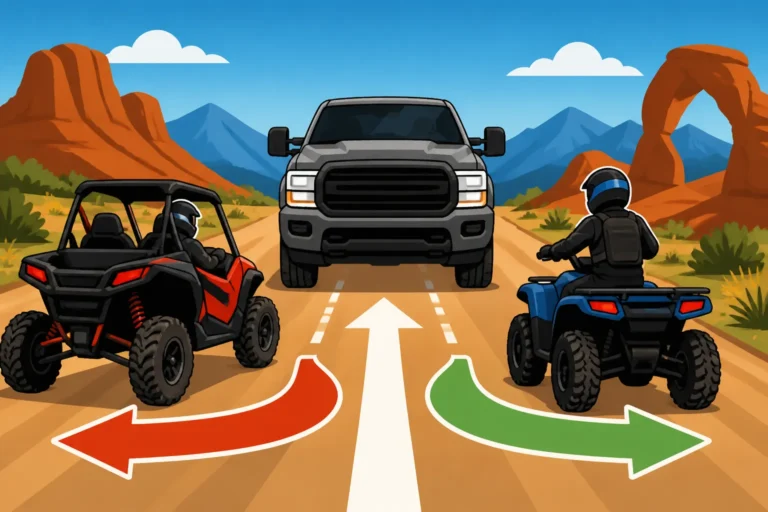
This is a big one. Just because your rental is street-legal doesn't mean you can drive it everywhere a car can go. Utah law generally prohibits OHVs from interstates and freeways. There might also be specific roads or areas that local municipalities restrict, even if state law allows street-legal OHVs. For example, while Moab is famous for its OHV-friendly roads, there are specific speed limits and noise ordinances to adhere to, such as [The 15 mph Rule on Moab City Streets]. Always check local ordinances for the areas you plan to ride.
Your rental company should provide you with information about where you can and cannot ride their street-legal machines, but it's always a good idea to cross-reference with Utah's official OHV resources. Don't assume that a major highway connecting two towns is fair game just because you have a license plate. Stick to designated OHV routes and local roads as much as possible.
Your Driver's License Still Matters
Operating a street-legal OHV on public roads requires a valid driver's license. This isn't like trail riding where sometimes younger riders with an OHV education certificate can operate a machine under supervision. On the pavement, you need to be a licensed driver. This applies to everyone in the driver's seat. For more details, refer to [Driver License Rules on Utah Roads].
Make sure that whoever will be driving the rental has a valid license that isn't suspended or expired. Some rental companies may also have age restrictions beyond state law for who can rent and operate their machines, so always clarify this upfront. Generally, you need to be at least 16 to drive an OHV on a public road in Utah, but rental companies might require a minimum age of 21 or even 25 to rent. This also applies to passengers, as [Age to Drive a Street-Legal ATV in Utah] covers.
Insurance and Damage Waivers
Even with a rental, you're typically responsible for any damage to the machine. Rental companies will almost always offer some form of damage waiver or insurance, and it's something you should seriously consider. Your personal auto insurance policy might not cover off-road vehicles, or it might have significant exclusions when it comes to rental machines or off-road use. It's best to check with your own insurance provider before you travel.
The damage waiver offered by the rental company often limits your financial liability for damages to the OHV, but it's critical to understand exactly what it covers and what it doesn't. Some waivers have exclusions for reckless driving, rollovers, or driving off-designated trails. Read the fine print! If you decline the waiver, be prepared for a substantial security deposit. Companies like SuperATV specialize in making durable parts, but even the best components can be damaged in an accident, and the costs can add up quickly.
Essential Checklist for Renting a Street-Legal OHV
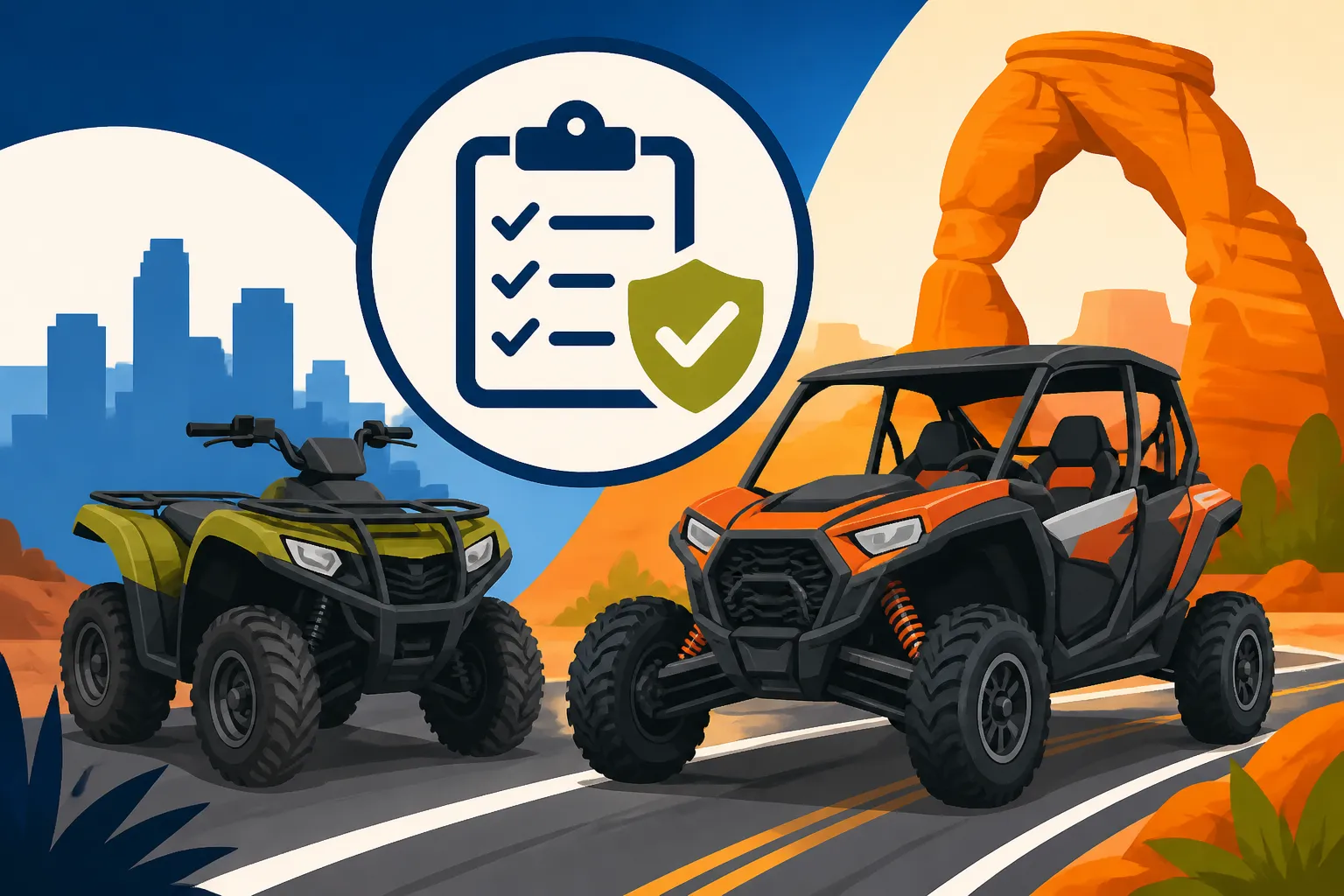
To help you stay on top of things, here's a quick checklist of what to confirm and consider when you're looking to rent a street-legal OHV in Utah:
| Item to Confirm | Renter's Responsibility | Rental Company's Responsibility | Notes |
|---|---|---|---|
| Valid Street-Legal Registration | Verify license plate and current decal/sticker. Carry the registration card. | Ensure machine is properly registered with Utah DMV for street use. | This often means the machine is classified as a "Street-Legal OHV" by the state. |
| Required Safety Equipment | Visually inspect headlights, taillights, turn signals, horn, mirrors, seat belts. | Provide a machine with all necessary equipment in working order for street legality. | Test all lights and the horn before departure. If no full windshield, ensure you have approved eye protection. Aftermarket parts, perhaps from SuperATV, often meet these requirements. |
| Proof of Insurance | Carry proof of liability insurance (often provided by rental company). | Provide state-mandated liability insurance for street-legal vehicles. | Confirm coverage limits. Your personal auto insurance may not cover OHV rentals; consider the rental company's damage waiver. |
| Valid Driver's License | Driver(s) must possess a valid, unexpired driver's license. | Verify renter's license and ensure they meet rental age requirements. | Rental companies often have higher age requirements (e.g., 21 or 25) than state law minimums for driving on roads. |
| Non-Resident OHV Permit (if applicable) | If out-of-state, confirm if rental includes permit or if you need to purchase one. | Clarify permit requirements for out-of-state renters and advise on purchase. | [The Utah OHV Education Certificate] and permit are separate from street-legal registration but are required for most trail riding by non-residents. |
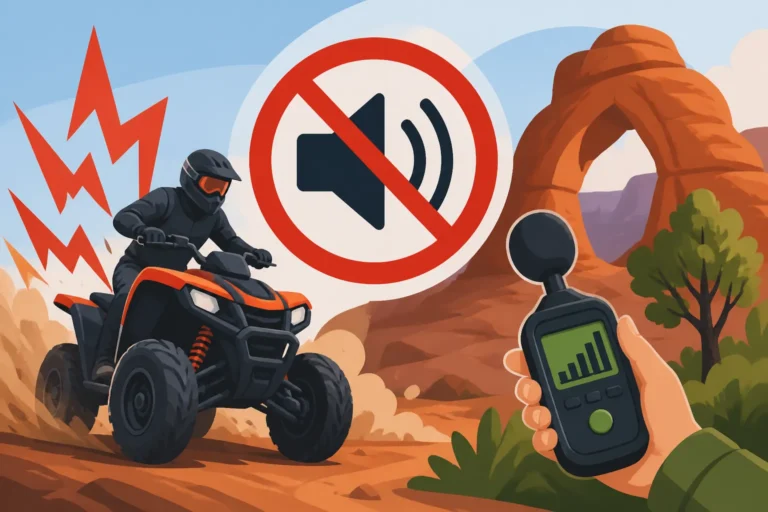
| Local Ordinances & Restrictions | Research or ask about specific local road restrictions in your riding area. | Inform renters of known general restrictions (e.g., interstates, major highways). | Don't assume all roads are open. Speed limits, noise rules (like [How Moab Measures OHV Noise]), and specific road closures can vary. |
| Emergency Contact & Roadside Assistance | Know who to call if you encounter a mechanical issue or accident. | Provide clear instructions for reporting breakdowns, accidents, or issues. | Make sure you have a charged phone and know who to contact. Recovery services for OHVs can be costly and difficult in remote areas. |
| Rental Contract Review | Read the entire rental agreement carefully, especially cancellation, damage, and mileage clauses. | Present a clear and comprehensive rental contract. | Understand what voids your damage waiver or incurs additional charges. What are the [Cancellation Policies in Utah's Riding Towns]? |
Following this checklist and staying informed will make your rented street-legal OHV experience in Utah much smoother and more enjoyable. The goal is to have an unforgettable adventure, not a visit to the local justice court!
Disclaimer
This article is for general informational purposes only and does not constitute professional advice. Laws, prices and regulations vary by location and change over time. Consult a qualified professional for guidance on your specific situation.