Scenic Byways Open to Street-Legal UTVs
It's incredibly frustrating when you've invested the time and effort to make your UTV street-legal, only to feel uncertain about where you can truly take it. Many of us dream of cruising Utah's breathtaking scenic byways in our side-by-sides, but the rules can feel like a maze. This guide will cut through the confusion, helping you understand which of Utah's stunning scenic byways are open to your street-legal OHV and how to enjoy them responsibly and safely.
Understanding Street-Legal UTVs on Utah Roads
Before we dive into the scenic routes, let's clear up some common misconceptions about what "street-legal" actually means in Utah. It's not just a matter of slapping a license plate on your rig; there's a specific set of requirements and rules that transform your off-highway vehicle into something that can share the road with cars and trucks. For many of us, this conversion is a labor of love, a quest for greater access to the incredible landscapes Utah has to offer.
The Foundation: Becoming Street Legal in Utah
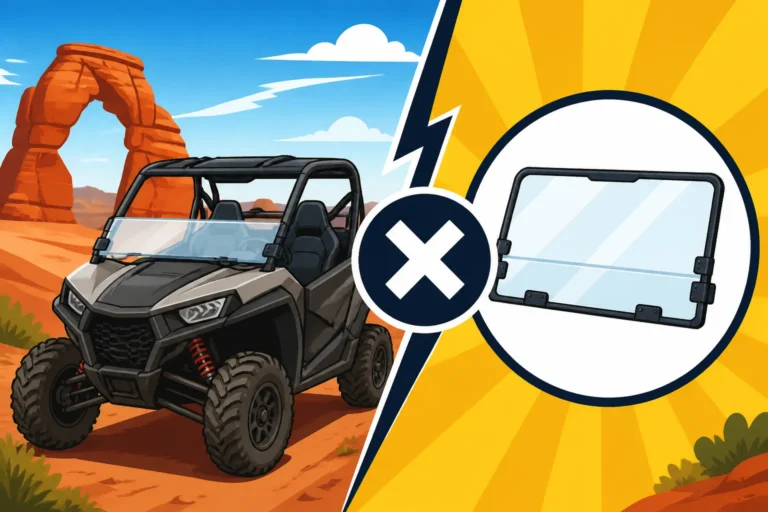
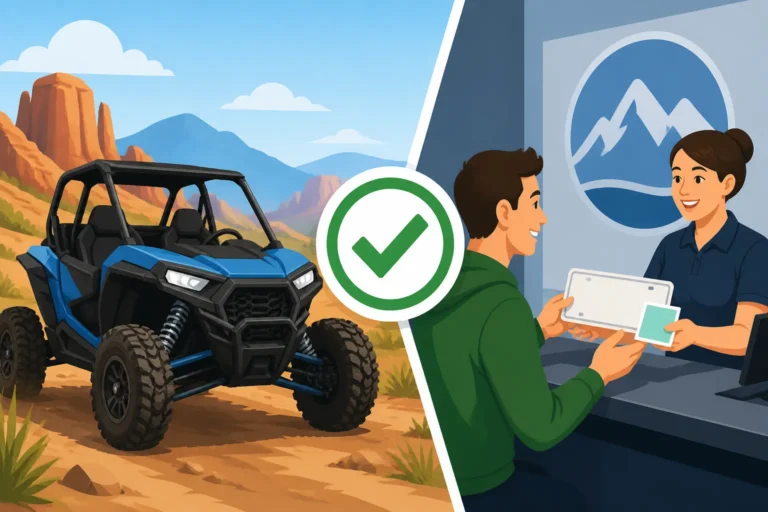
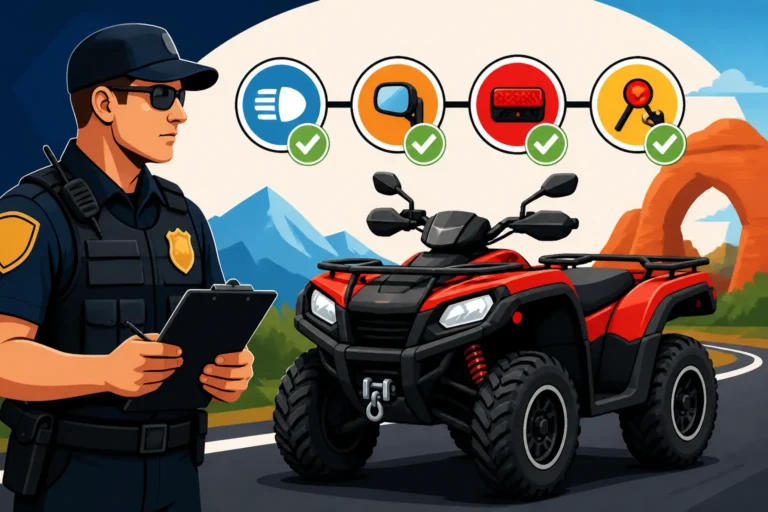
Making your UTV street-legal involves more than just a quick trip to the DMV. You need to meet specific equipment standards set by the state. This means having proper headlights, tail lights, brake lights, turn signals, mirrors, a horn, and often a windshield or eye protection. It’s about ensuring your machine is visible and can communicate its intentions just like any other vehicle on the road. Without meeting these requirements, you're not truly street-legal, and that dream scenic drive could turn into an expensive citation. It's worth reviewing the full list of necessities in [Utah Street-Legal ATV Equipment Requirements] before you hit the road.
One of the biggest hurdles can be sourcing the right parts and getting them installed correctly. Many riders turn to aftermarket solutions for turn signal kits, rearview mirrors, and horns. Companies like SuperATV offer comprehensive kits designed to help UTV owners meet these specifications, making the conversion process a lot smoother. It's not just about compliance; it's about safety, making sure you can see and be seen, and that you can signal your intentions clearly to other drivers, especially on winding byways where visibility can be tricky.
General Rules for Street-Legal OHVs on Public Roads
Once your UTV is street-legal, you're generally allowed to operate it on most public roads in Utah. This is a huge win for riders, opening up countless miles of adventure. However, there are crucial exceptions. You absolutely cannot drive your street-legal UTV on interstate highways (like I-15 or I-70). These are high-speed, limited-access roads designed for traditional vehicles, and UTVs simply don't belong there. Similarly, some cities and counties might have specific ordinances that further restrict OHV use on certain municipal streets. It's always a good idea to check local regulations, especially when venturing into new towns.
Beyond the "where," there's the "how." When riding on public roads, you're expected to follow all traffic laws – speed limits, stop signs, lane etiquette, and so on. This isn't just a suggestion; it's the law. Treating your UTV like any other vehicle on the road is key to maintaining a good reputation for the entire OHV community. We don't want to give anyone a reason to push for stricter bans. Remember, you'll also need to carry specific documents, including your driver's license, registration, and proof of insurance, just like you would in a car. For more details, check out [What Paperwork Utah Riders Must Carry].
Navigating Utah's Scenic Byways: What's Open to OHVs
Utah is blessed with an abundance of incredible scenic byways, routes specifically designated for their natural beauty and cultural significance. The good news for street-legal UTV owners is that many of these stunning roads are fair game! Imagine cruising along with panoramic views, the wind in your face, and the freedom of your side-by-side. It’s an experience truly unique to the street-legal OHV community.
Iconic Byways and Their UTV Accessibility
Some of Utah's most famous scenic byways are entirely open to street-legal UTVs, offering unparalleled access to stunning landscapes. These are generally state highways that wind through mountains, deserts, and canyons, but avoid the interstate system. For example, Scenic Byway 12, often called "A Journey Through Time Scenic Byway," is one of the most celebrated roads in America, and you can drive your street-legal UTV on its entirety. This incredible route takes you past Bryce Canyon National Park, Grand Staircase-Escalante National Monument, and Capitol Reef National Park, offering jaw-dropping views around every bend. Similarly, Highway 89, which runs north-south through much of the state, offers many scenic stretches accessible by UTV, often serving as a connector to smaller, more OHV-friendly roads.
However, even on these open byways, it's crucial to distinguish between the byway itself and any national park or monument roads that might branch off. While the state highway (the scenic byway) is open, the roads within national parks or monuments are typically not open to OHVs, even if they are street-legal. Always check the specific rules of federal lands as you approach them. You can't just veer off into Zion or Bryce Canyon's interior roads on your side-by-side, no matter how much you might want to. Always pay attention to signage.
Lesser-Known Gems and County Roads
Beyond the famous routes, Utah has a network of lesser-known scenic byways and countless miles of county and forest service roads that are perfect for street-legal UTV exploration. These are often gravel or dirt roads, but they are still considered public roads where your street-legal machine can operate. Think about places like the Kolob Terrace Road near Zion National Park (outside the park boundary, of course), which offers stunning views of the park's western edge, or the countless routes through the Fishlake National Forest or Manti-La Sal National Forest. These roads are often less traveled and provide a more immersive "off-highway" feel while still being legal for your plated UTV.
One of the greatest benefits of having a street-legal UTV is the ability to connect trail systems. You might ride an awesome segment of singletrack, then hop onto a designated scenic backway for a few miles to reach the next section of trail. This freedom to seamlessly transition between legal road riding and permitted trail riding is a game-changer for planning epic adventures. Just make sure your street-legal UTV is also properly registered as an OHV for those trail sections. Check out [Utah OHV Registration vs Street-Legal Registration] for more on that distinction.
Here's a quick look at some general characteristics of Utah's scenic byways and how they might apply to your street-legal UTV adventures:
| Scenic Byway Type | Typical Surface | UTV Accessibility (Street-Legal) | Key Considerations |
|---|---|---|---|
| Major Paved State Highways | Paved | Generally Open | High speeds, mixed traffic, follow all road laws |
| Paved Forest/Mountain Roads | Paved | Generally Open | Winding, varying elevation, watch for wildlife |
| Gravel/Dirt Forest Service Roads | Gravel/Dirt | Generally Open | Variable conditions, dust, watch for other OHVs |
| National Park/Monument Internal Roads | Paved/Dirt | Generally Not Open | Strict regulations, check park specific rules |
| City/Town Streets (Connectors) | Paved | Generally Open | Check local ordinances, speed limits, parking |
Essential Gear and Etiquette for Scenic Byway Riding
Hitting the scenic byways in your street-legal UTV is an incredible experience, but it comes with responsibilities. Unlike being solely on the trail, you're now sharing the road with passenger cars, RVs, and even large trucks. This means safety, visibility, and courtesy become even more paramount. We want to be good ambassadors for the UTV community, ensuring these privileges remain open to us all.
Safety and Visibility on Paved Roads
When you're out on the open road, visibility is your first line of defense. Even with all the required street-legal equipment like headlights and brake lights, UTVs are smaller than most other vehicles, and it's easy to be overlooked, especially on winding roads or at highway speeds. Consider adding additional amber lights or a whip flag for enhanced visibility, even if not strictly required for street use. Brightly colored apparel for you and your passengers can also make a significant difference. Your UTV's mirrors, particularly wide-angle ones like those offered by SuperATV, are crucial for staying aware of traffic behind you, helping you make safe lane changes or pull over when necessary.
Maintaining safe speeds is also critical. While your UTV might be capable of keeping up with traffic on some roads, remember its handling characteristics are different from a car, especially at higher speeds or in emergency braking situations. Many street-legal conversions involve lift kits and larger tires, which can alter stability. Always ride within your machine's capabilities and your comfort level. On long, straight stretches, if you feel you're holding up traffic, find a safe spot to pull over and let vehicles pass. This simple act of courtesy goes a long way in fostering positive relationships with other road users. Also, make sure everyone in your UTV is wearing seatbelts. While helmets aren't always required for adults over 18 on public roads, they're always a smart choice for safety, especially if you're hitting varied terrain. You can learn more in [Helmet and Age Rules on Utah Roads].
Respecting Others and the Environment
Riding on scenic byways means interacting with a diverse group of people – tourists in rental cars, local residents, cyclists, and even pedestrians. A little courtesy goes a long way. Always yield to slower traffic, especially cyclists or pedestrians, and keep your speed down when passing them. Avoid excessive noise; while some aftermarket exhausts sound great off-road, they can be intrusive in residential areas or quiet scenic spots. This consideration helps prevent complaints that could lead to further restrictions on UTV access.
Environmental responsibility extends to paved roads as well. Avoid littering, and be mindful of dust, especially if you briefly transition to a gravel shoulder or turn-off. While our UTVs are designed for adventure, they're not exempt from the rules of the road. Park only in designated areas, never block traffic, and always stay on established roadways. The beauty of these byways is preserved by all of us being good stewards. If you're carrying fuel cans, make sure they are securely mounted and properly sealed to prevent spills.
Planning Your Street-Legal UTV Scenic Route
The beauty of a street-legal UTV is the freedom it grants you to explore, but freedom is best enjoyed with a little planning. Knowing your route, understanding the local nuances, and preparing for the unexpected will ensure your scenic byway adventure is memorable for all the right reasons. Don't leave your trip to chance; a little research goes a long way.
Researching Your Route and Local Ordinances
The first step in planning any great UTV trip, especially one involving scenic byways, is thorough research. Start with a good map – not just Google Maps, but dedicated OHV maps like those offered by the Utah State Parks OHV Program. These maps often highlight designated OHV routes and can clarify which roads are open. Look for information specific to the byways you plan to traverse. Are there any known closures? Any specific restrictions for OHVs? Sometimes, even if a state byway is generally open, a small town along the way might have specific rules for OHVs on its main street. Checking [Riding Main Street in Southern Utah Towns] can offer some insight into this.
Online forums and local tourism websites can also be invaluable resources. Fellow riders often share tips and current conditions. Call local visitor centers; they are usually a wealth of information about specific road conditions, temporary closures, or any unique local regulations you might encounter. Remember, while your UTV might be street-legal, an informed rider is a safe and responsible rider. Never assume; always verify.
Pre-Trip Checks and What to Carry
Just like any off-road adventure, a scenic byway trip requires some preparation for your machine and yourself. Before you head out, do a thorough pre-ride inspection of your UTV. Check tire pressure, fluid levels, brakes, and ensure all your street-legal equipment (lights, horn, turn signals) is in working order. Carrying a basic toolkit, tire repair kit, and a small air compressor is always a good idea. You never know when a flat might occur, even on paved roads.
Beyond the machine, think about personal preparedness. Pack plenty of water, snacks, first-aid supplies, and sun protection. Utah's weather can change rapidly, especially in the mountains, so layers of clothing are smart. Don't forget your cell phone, but also consider a satellite messenger if you plan on venturing into remote areas where cell service is spotty. And of course, ensure you have all your necessary paperwork: driver's license, UTV registration, and proof of insurance. A printed copy of your registration is always a good backup in case your phone battery dies. You can find more advice in [What to Carry on a Utah Day Ride].
Getting your UTV street-legal opens up a whole new world of adventure on Utah's stunning scenic byways. With careful planning, respect for the rules, and a commitment to safety, you can enjoy these beautiful routes and create unforgettable memories, all from the driver's seat of your favorite side-by-side.
Disclaimer
This article is for general informational purposes only and does not constitute professional advice. Laws, prices and regulations vary by location and change over time. Consult a qualified professional for guidance on your specific situation.