Wyoming Trips From Northern Utah
You've got your Utah-registered quad or UTV, you've explored the diverse landscapes of our incredible state, and now that familiar itch for new horizons is kicking in. Often, the next logical step for northern Utah riders is to look north towards Wyoming. It feels close, the scenery is breathtaking, and the open spaces call your name. But before you hitch up the trailer and point your rig north on I-15 or US-89, there are some really important things you need to understand about taking your Utah-plated machine across the border and hitting those Wyoming trails or roads. This guide is all about helping you navigate the rules, prepare your machine, and plan a seamless and legal riding adventure into the Cowboy State.
Navigating Wyoming's OHV Rules as a Utah Rider
It's tempting to think that since Wyoming is our neighbor, their off-highway vehicle (OHV) laws will be pretty similar to Utah's. While there's certainly some overlap, it's a mistake to assume they're identical. Just like when you're looking at [Utah OHV Registration vs Street-Legal Registration], each state has its own nuances, and misunderstanding them can quickly turn an exciting trip into a frustrating one, possibly even ending with a citation.
Wyoming's Non-Resident OHV Sticker Requirement
The first, and arguably most crucial, difference you'll encounter is Wyoming's non-resident OHV sticker. Unlike Utah, which previously had reciprocity but now requires non-residents to purchase a [The Utah OHV Education Certificate], Wyoming has a mandatory non-resident user fee decal for all out-of-state OHVs operating on public land or designated routes. This means your perfectly valid Utah registration and decal are great for Utah, but they don't cover you in Wyoming.
You simply can't roll into Wyoming with just your Utah plates and expect to hit the trails legally. You'll need to purchase a Wyoming non-resident OHV sticker. These are typically available online through the Wyoming Game and Fish Department, or you might find them at local vendors in towns near popular riding areas. It's smart to buy this before you leave home or at least before you get deep into Wyoming's backcountry where purchasing options might be scarce. Make sure to display it correctly on your machine, usually near your registration decal or on the front fender, so it's clearly visible to any enforcement officers. This is one of those simple steps that can save you a lot of grief.
Street-Legal Status and Road Access in Wyoming
One of the biggest areas of confusion for Utah riders heading to Wyoming revolves around street-legal status. In Utah, we have fairly clear, albeit detailed, rules for [Making a UTV Street Legal in Utah], outlining specific equipment like turn signals, mirrors, and a horn. Many northern Utah riders have invested time and money into making their machines street-legal to cruise through towns like Moab or Kanab to access trailheads. But does that street-legal conversion hold up in Wyoming?
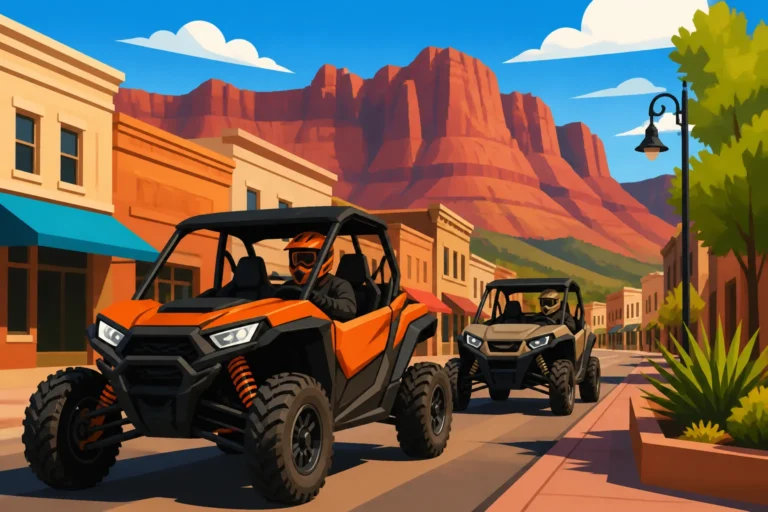
The answer is, generally, yes, but with some key distinctions. Wyoming does allow street-legal OHVs on many public roads and highways, often with speed limits of 45 mph or less, provided the machine meets specific equipment requirements for Wyoming. These requirements are often quite similar to Utah's—headlights, tail lights, brake lights, turn signals, mirrors, a horn, and a valid license plate. However, local ordinances can vary. Just like [City and County OHV Rules Across Utah] can differ, some Wyoming towns or counties might have additional restrictions or prohibitions on OHV use on their municipal streets. Always check local signage and regulations when you enter a new area. While your SuperATV turn signal kit or horn might be perfectly legal in Utah, always ensure it also aligns with Wyoming's specific mandates if you plan on using public roads. It's a good practice to carry copies of your registration, proof of insurance, and your Wyoming non-resident sticker to show you've done your homework.
Preparing Your Utah-Plated Machine for a Wyoming Adventure
Getting your machine ready for a Wyoming trip isn't just about the paperwork; it's also about ensuring your quad or UTV is mechanically sound and equipped for the potentially different terrain and conditions you might encounter. Wyoming offers everything from wide-open plains and desert riding to high-elevation mountain trails, often within a short drive of northern Utah.
Mechanical Checks and Essential Upgrades
Before any long trip, a thorough mechanical inspection is non-negotiable. This is even more critical when you're planning on venturing into unfamiliar territory, potentially far from easy roadside assistance. Start with the basics:
- Tires: Check tire pressure, inspect for any cuts or excessive wear, and ensure you have a good spare, plug kit, and portable air compressor. Different terrains might warrant different tire choices, but all-terrain tires are usually a safe bet for mixed riding.
- Fluids: Top off all fluids—engine oil, coolant, brake fluid, and differential fluid. Check for any leaks.
- Brakes: Inspect brake pads and rotors. You'll want reliable stopping power, especially if you encounter steep descents in mountain terrain.
- Suspension: Look for worn bushings, cracked boots, or bent components. Wyoming trails can be rocky, and a robust suspension is key to a comfortable and safe ride.
- Belts: If you have a UTV, check your drive belt for wear and consider carrying a spare, especially if it's nearing its service interval.
- Lights: Ensure all your lights are functional—headlights, tail lights, brake lights, and turn signals if your machine is street-legal. If you're planning night riding, investing in a quality light bar, perhaps from a brand like SuperATV, can dramatically improve visibility and safety.
Consider the elevation change. Many trails in Wyoming, particularly in the western and central parts of the state, are at much higher elevations than what you might be used to in northern Utah. This can affect engine performance, especially in carbureted machines. If you're riding a fuel-injected machine, the computer will adjust, but older or less-tuned machines might struggle. Always know your machine's limits and service history.
What to Carry: Beyond the Basics
When you hit the trails in Wyoming, especially in remote areas, you need to be prepared for anything. Think beyond your usual [What to Carry on a Utah Day Ride] list. The vastness of Wyoming means help can be a long way off.
- Navigation: A reliable GPS unit or a smartphone with downloaded offline maps (like those often used for [GPS Apps Utah Riders Actually Use]) is essential. Cell service can be spotty to non-existent in many areas. Paper maps are also a smart backup.
- Emergency Kit: A comprehensive first-aid kit is crucial. Add a warm blanket, a fire starter, and some emergency food. Even in summer, mountain weather can change rapidly.
- Tools and Repair Supplies: A basic tool kit, zip ties, duct tape, a tire repair kit, a tow strap, and a small shovel can be invaluable.
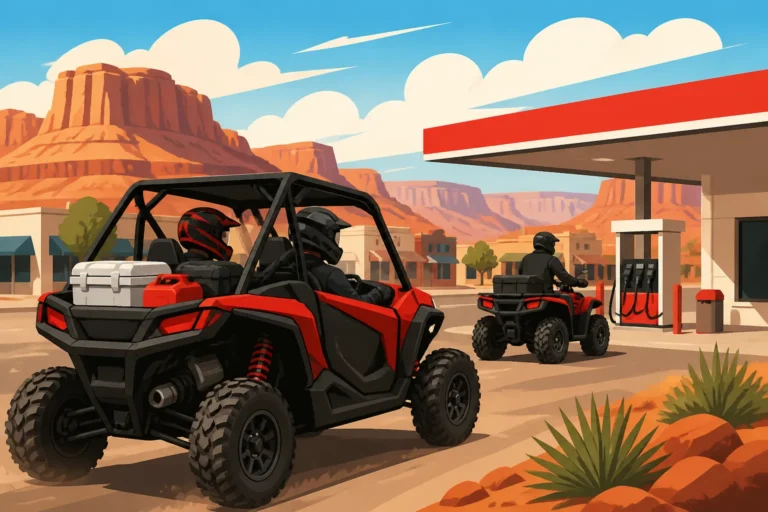
- Water and Fuel: Always carry more water than you think you'll need, especially for desert or high-plains riding. Extra fuel is also a good idea; fuel stops can be few and far between once you leave the main highways.
- Communication Device: A satellite messenger or personal locator beacon (PLB) can literally be a lifesaver if you get into trouble outside of cell service range.
- Whip Flag: While not universally required on all Wyoming trails, some popular dune areas or high-traffic zones may mandate them for visibility. It's a good habit, especially for [Whip Flags on the Road and on the Dunes].
Packing strategically means not just what you carry, but how you carry it. Secure all your gear tightly to prevent it from bouncing out on rough trails. A good cargo box or secure soft bags can make a huge difference.
Popular Wyoming Riding Areas Accessible from Northern Utah
While Wyoming is a big state, there are several fantastic OHV destinations that are quite manageable for a weekend or multi-day trip from northern Utah. These areas offer diverse scenery and riding experiences, making the drive well worth it.
Bear River Mountain Range and Uinta Mountains Proximity
Just across the northern Utah border into southwest Wyoming, you'll find extensions of the same beautiful mountain ranges we love here. The Bear River Mountain Range, which includes areas like the Caribou-Targhee National Forest, stretches into Wyoming and offers incredible high-country riding. These trails are often less crowded than some of Utah's more famous spots and provide stunning alpine views, forest riding, and wildlife viewing opportunities. This area is easily accessed from towns like Evanston, Wyoming, which is a relatively short drive from cities like Ogden or even Salt Lake City.
Riding in these mountain areas often means navigating forest service roads, which can range from well-maintained gravel to rocky, technical climbs. Always be aware of the season; many higher elevation trails are only open in summer and early fall due to snow. [Uinta Trails That Open Latest in Summer] gives you an idea of similar conditions you might face. These areas are perfect for those who enjoy cooler temperatures and lush scenery after a long season of desert riding. It's an entirely different experience than, say, [Riding Moab, Utah on a Side-by-Side] or hitting the red sands of Sand Hollow.
Wyoming's Red Desert and Killpecker Sand Dunes
For those who love wide-open spaces and unique desert landscapes, Wyoming's Red Desert is an incredible destination. While a bit further north than the immediate border, areas like the Killpecker Sand Dunes are within reach for a longer weekend trip from northern Utah. The Red Desert offers vast tracts of public land with designated OHV routes, wild horses, and unique geological formations. The Killpecker Sand Dunes are particularly famous, rivaling even [Little Sahara and Its Sand Bowls] for sheer scale.
Riding in the Red Desert demands serious preparation. It's an arid, remote environment. Navigation skills are paramount as trails can be faint and landmarks few. Dust is a constant companion, so consider a good dust-filtering mask or helmet. Temperatures can swing wildly, with hot days and surprisingly cool nights. If you’re heading to the dunes, paddle tires might be a consideration, similar to [Paddle Tires at Sand Hollow and Little Sahara], though many riders manage with aggressive all-terrains. This type of riding highlights the importance of durability and reliability, where quality components like those from SuperATV can really shine, whether it's heavy-duty axles for rough terrain or a robust winch for self-recovery in sandy conditions.
Planning Your Logistics and Ensuring a Smooth Trip
Venturing out of state requires a bit more thought than just a local day trip. From accommodations to safety protocols, a little pre-planning goes a long way in ensuring your Wyoming adventure is memorable for all the right reasons.
Accommodation and Staging Areas
When planning your trip from northern Utah, consider where you'll base your operations. Towns near the border, like Evanston or Kemmerer, Wyoming, are excellent choices. They offer hotels, restaurants, fuel, and usually have ample parking for trucks and trailers. Many trail systems have designated staging areas that can accommodate larger rigs, but it’s always wise to confirm this beforehand. Look for information on the specific riding area's website or call local ranger districts.
If you're camping, Wyoming offers numerous options, from developed campgrounds to dispersed camping on Bureau of Land Management (BLM) and Forest Service lands. Dispersed camping (free camping outside of designated campgrounds) is often allowed, but always adhere to Leave No Trace principles and be aware of any fire restrictions, which are common during dry seasons. Remember, you're a visitor, and respecting the land is paramount. Having a comfortable, convenient base camp can greatly enhance your riding experience, allowing you to maximize your time on the trails.
Safety, Regulations, and Emergency Protocols
Safety should always be your top priority. While Utah has strict [Helmet and Age Rules on Utah Roads], Wyoming also has its own helmet laws, particularly for younger riders. Always wear a helmet, even if it's not legally mandated for adults on certain types of terrain. Injuries can happen anywhere, and head protection is non-negotiable. Ensure all passengers are wearing seatbelts if your UTV is equipped with them.
Before you head out, inform someone of your planned route and expected return time. This "float plan" is a simple but critical safety measure, especially in remote areas. Carry a fully charged cell phone, but don't rely on it for communication. As mentioned, a satellite messenger or PLB is ideal for true emergencies in areas without service.
Familiarize yourself with local emergency services contact information. Knowing who to call and how to describe your location can shave precious minutes off response times if an accident occurs. Always be respectful of wildlife, yield to horses and hikers, and stay on designated trails to minimize your impact on the environment. Understanding [What Utah Riders Must Carry on Public Land] is a good baseline, but always consider the additional remoteness that Wyoming might present.
| Aspect | Utah OHV Rules | Wyoming OHV Rules |
|---|---|---|
| Non-Resident Permit | Required for most out-of-state machines. | Required for all out-of-state machines (user fee decal). |
| Street-Legal Status | Detailed equipment requirements; allows road access. | Similar equipment requirements; allows road access (local variations). |
| Helmet Laws | Required for riders under 18 on public lands/roads. | Generally required for riders under 18; varies by road type. |
| Registration | State registration and decal required. | Out-of-state registration honored with WY user decal. |
| Insurance | Required for street-legal OHVs on roads. | Required for street-legal OHVs on roads. |
| Primary Access from N. Utah | Moab, Sand Hollow, Paiute Trail, Wasatch Back. | Bear River Range, Killpecker Dunes, Flaming Gorge. |
Disclaimer
This article is for general informational purposes only and does not constitute professional advice. Laws, prices and regulations vary by location and change over time. Consult a qualified professional for guidance on your specific situation.