Reasons Riders Undo a Street-Legal Setup
It’s a scenario many of us have faced: the excitement of modifying your ATV or UTV to be street-legal in Utah, picturing endless miles from your driveway to the trail. But for some riders, that initial dream doesn't quite match the reality of street-legal ownership. This guide dives deep into the common reasons why riders eventually decide to undo their street-legal setup, the practical challenges they encounter, and what exactly is involved if you find yourself wanting to revert your machine back to its dedicated off-highway roots.
The Initial Appeal Versus Reality
When you first consider making your off-highway vehicle (OHV) street-legal in Utah, the idea is incredibly enticing. Imagine the freedom: no more trailering your machine everywhere, no need for complex staging areas, just hop on and go. You envision seamless transitions from paved roads to dirt trails, maximizing your riding time and minimizing the hassle. This vision is powerful, and it drives many riders to invest the time and money into the conversion.
The Dream of Unrestricted Access
The biggest draw for many is the perceived "unrestricted access." The thought of being able to leave directly from your garage, cruise through town for gas or a quick bite, and then seamlessly transition onto a designated OHV route is incredibly appealing. It feels like unlocking a whole new level of convenience and adventure. For some, it's about connecting disparate trail systems that are otherwise separated by public roads. For others, it’s simply about making quick runs to the local store on their side-by-side without needing to load it onto a trailer. The marketing for street-legal kits often highlights this freedom, painting a picture of ultimate utility and boundless exploration across Utah's diverse landscapes.
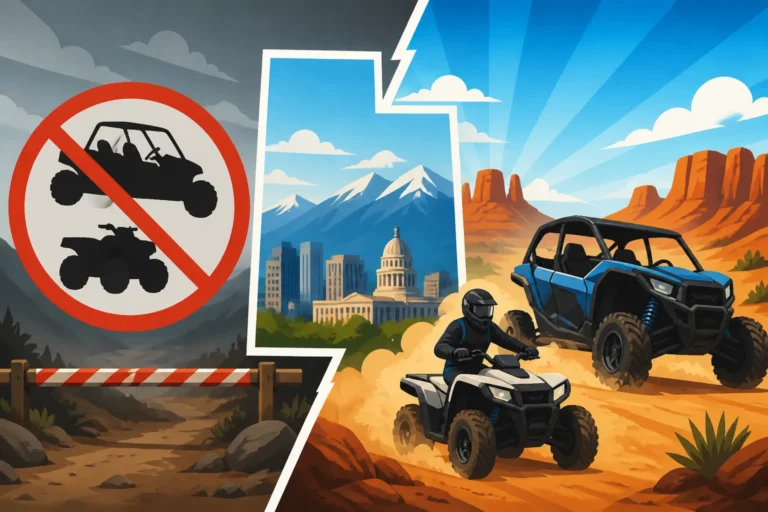
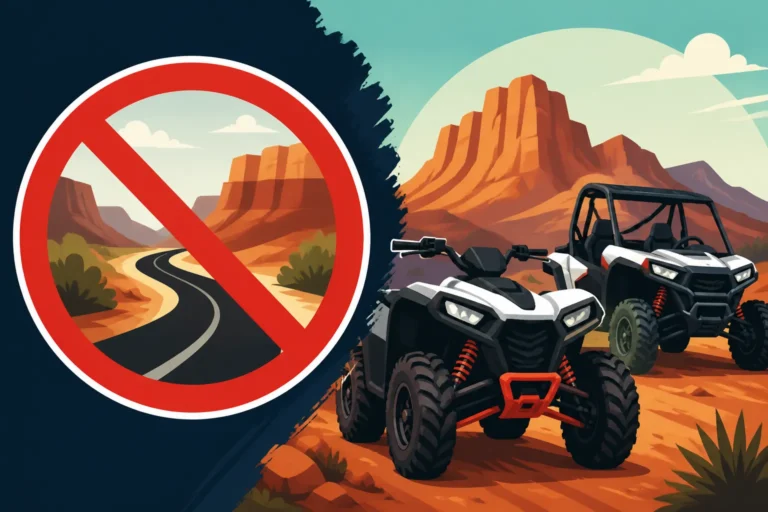
However, the reality can often be a bit more nuanced than the dream. While Utah offers significant opportunities for street-legal OHVs, there are still limitations. Certain major highways, interstates, and specific city ordinances might restrict where you can actually ride. This means that while you gain some road access, it's not truly "unrestricted," and navigating these rules can quickly become a mental overhead that detracts from the spontaneous joy you initially sought. Knowing the exact rules for [Roads Utah Keeps Closed to Street-Legal ATVs] is crucial to understanding these limitations.
Unexpected Costs and Ongoing Maintenance
Converting your OHV to street-legal status involves more than just a quick trip to the DMV. You'll need to install specific equipment like turn signals, mirrors, a horn, a license plate light, and often a windshield or adequate eye protection. Brands like SuperATV offer many of these components, making the initial conversion straightforward. But these parts, while essential, add weight and complexity. Then there's the inspection itself, which comes with its own fees, and the ongoing costs associated with having a street-legal vehicle. This includes higher insurance premiums compared to an off-highway only policy, and potentially more wear and tear on components not designed for continuous road use.
Beyond the initial investment, maintaining a street-legal setup can be an ongoing expense. Turn signals can get ripped off on tight trails, mirrors can snap, and windshields can crack from road debris or trail obstacles. Replacing these specialized components adds up. Moreover, the dual nature of street-legal machines means you're often putting road miles on tires designed for dirt, or trail miles on components that might be slightly less robust than dedicated off-road parts. This hybrid use can accelerate wear, leading to more frequent maintenance and replacement of tires, brakes, and suspension components, all of which contribute to the overall cost of ownership. It's easy to overlook these cumulative expenses when focused on the initial excitement of getting your [Street-Legal Conversion Costs in Utah] sorted.
The Reality of Road Riding in Utah
Utah boasts some incredible OHV-friendly towns and routes, particularly in the southern regions like Moab, Hurricane, and Kanab. These areas embrace street-legal machines, often allowing you to ride directly from your lodging to the trailhead. Yet, riding on paved roads, even in these friendly towns, can be a very different experience than cruising a wide-open dirt trail. You're sharing the road with cars, trucks, and RVs, often at higher speeds than you're accustomed to on the trail. This requires a heightened level of defensive driving, constant awareness of traffic, and adherence to all traffic laws – something many OHV enthusiasts aren't used to prioritizing.
The noise, vibrations, and constant vigilance needed for road riding can quickly diminish the "freedom" aspect. What started as a convenient way to get to the trail can sometimes feel like a chore, exposing your machine to road hazards like potholes, glass, and aggressive drivers. The slower speed limits imposed on OHVs in many areas also mean you can become a mobile roadblock, leading to frustrated drivers and potentially unsafe passing maneuvers. This often leads riders to question if the advantages truly outweigh the compromises, especially if their primary joy comes from true off-road adventures rather than road cruising.
Specific Challenges That Drive Riders Back
Beyond the general expectations versus reality, several specific pain points often push riders to undo their street-legal modifications. These are practical, day-to-day issues that make the conversion feel less like an upgrade and more like a series of compromises.
Performance Compromises and Trail Limitations
When you make an OHV street-legal, you're essentially adding road-specific components to a machine built for the dirt. This can subtly, or sometimes significantly, impact its off-road performance. The added weight of a full windshield, beefier tires (often required for road legality), and various lights and mounts can affect acceleration, suspension tuning, and overall agility on challenging trails. A wider tire for road stability might rub on a tight turn on the trail. A robust mirror that can withstand highway speeds might be the first thing to get snagged by a tree branch.
Furthermore, some street-legal modifications, while necessary for road use, can actually be detrimental to serious off-road riding. For instance, specific tire tread patterns or compounds that are great for pavement wear quickly on sharp rocks or perform poorly in deep sand. Some riders even find that the aesthetic changes – like permanent mounts for license plates or turn signals – detract from the rugged, purpose-built look and feel of their machine on the trail. They realize they’ve traded optimal off-road capability for marginal road convenience, especially if they are tackling trails like Hell's Revenge or the more technical parts of the Paiute Trail.
Regulatory Hassles and Enforcement
Maintaining street-legal status in Utah isn't a "one and done" deal. There are ongoing requirements and the ever-present possibility of encountering law enforcement who are checking compliance. Just like any other vehicle on the road, your street-legal OHV is subject to traffic stops, and officers will be looking for specific items. Riders must be diligent about keeping all their [Utah Street-Legal ATV Equipment Requirements] in perfect working order, from the horn to the turn signals and brake lights. A burned-out bulb or a broken mirror isn't just an inconvenience; it can lead to a ticket.
Then there's the dual registration aspect. Even as a street-legal machine, you still need to maintain your off-highway vehicle registration and display the corresponding [Utah OHV Decals and Where They Go]. This means carrying [What Paperwork Utah Riders Must Carry] for both street-legal and OHV operations, which can feel redundant and confusing. Enforcement of OHV laws can be strict, and troopers at trailheads often perform [What a Utah Trooper Checks at a Trailhead]. For riders who prefer a more relaxed approach to their outdoor adventures, the constant need to ensure everything is perfect for road legality can feel like an unnecessary burden, taking away from the spontaneity of a ride.
Insurance and Liability Concerns
Insurance for a street-legal OHV is a significant factor. While standard OHV insurance typically covers liability and physical damage during off-road use, adding street-legal status often requires a different, more comprehensive policy. This is because you're now operating a vehicle on public roads, subject to the same liability risks as a car or truck. The cost of [Insurance for a Street-Legal Machine in Utah] is generally higher, reflecting this increased risk.
Beyond the cost, some riders find the liability implications unsettling. If you're involved in an accident on a public road, even a minor fender bender, the legal and financial ramifications can be far more complex than a mishap on the trail. The scrutiny from insurance companies and legal professionals will be much higher, potentially leading to increased premiums or even policy cancellation if you have multiple incidents. For some, the peace of mind that comes with keeping their OHV strictly off-road and therefore in a less litigious environment is worth foregoing the street-legal option entirely. This focus on minimizing risk, especially after hearing stories of complicated claims or legal battles, can be a major driver in deciding to undo the conversion.
| Aspect | Street-Legal OHV Pros | Street-Legal OHV Cons | Off-Highway Only OHV Pros | Off-Highway Only OHV Cons |
|---|---|---|---|---|
| Access | Ride from home to certain trails, gas, and stores. | Restricted on some highways/cities, traffic hassles. | Optimal trail performance, lower maintenance on parts. | Requires trailering to all ride locations. |
| Costs | Higher initial setup, inspection, insurance premiums. | More frequent replacement of street-legal components. | Lower insurance, less initial modification cost. | No road access for quick errands. |
| Maintenance | Dual wear (road/trail), more complex components. | Street-legal parts can be fragile off-road. | Simpler setup, parts dedicated to off-road use. | Limited utility beyond trails. |
| Regulations | Must adhere to road laws, dual registration. | Frequent checks for compliance, potential tickets. | Focus purely on OHV regulations (decals, permits). | No spontaneous road travel. |
| Performance | Potential compromises on extreme trails due to weight. | Added weight/complexity for off-road maneuvers. | Optimized for trail conditions, lighter, more agile. | Cannot legally traverse public roads. |
| Insurance/Risk | Higher premiums, greater liability on public roads. | More complex claims in road accidents. | Generally lower premiums, less road liability. | Still requires basic OHV insurance for trails. |
The Process of Reverting Your Machine
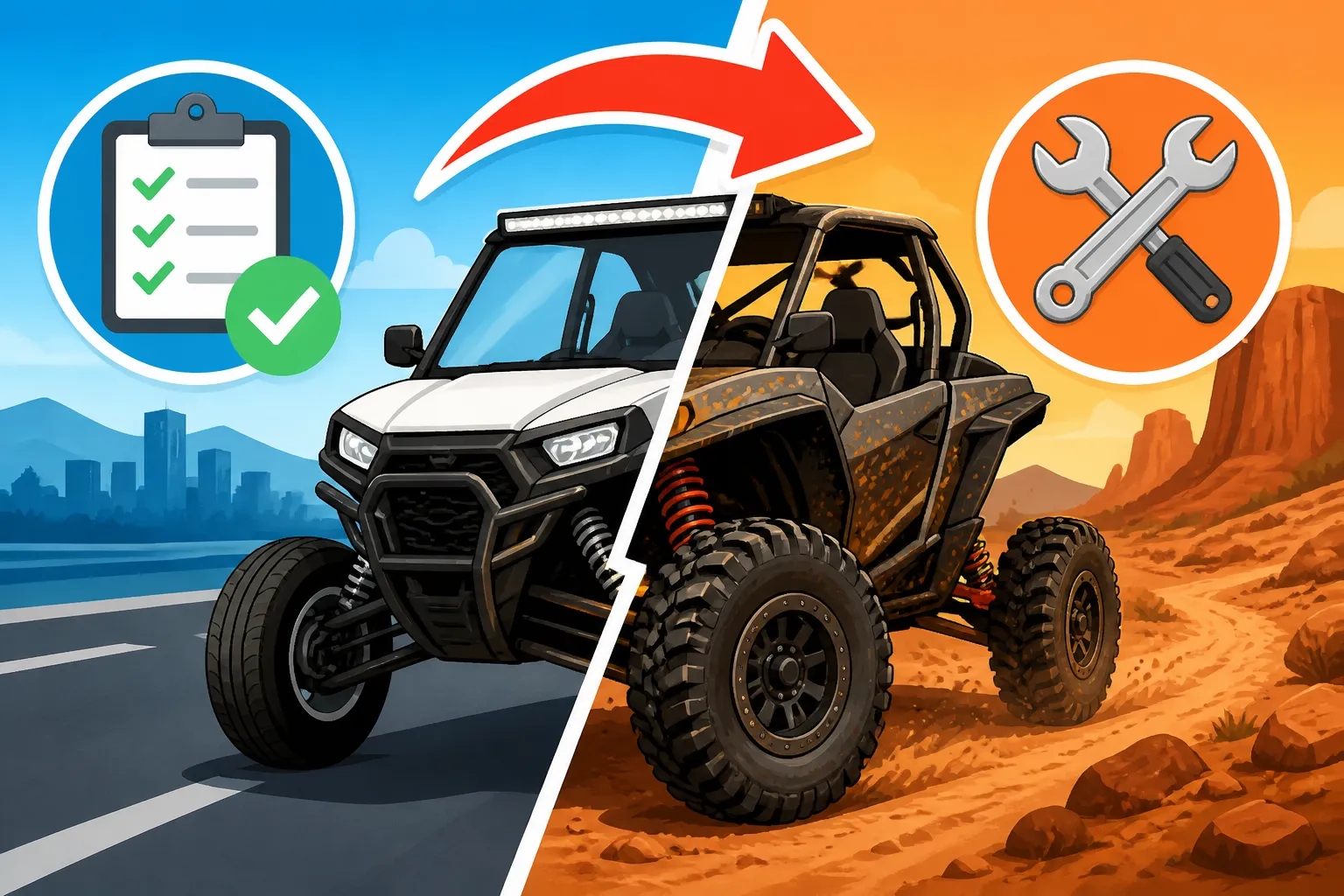
So, you’ve weighed the pros and cons, faced the realities, and decided that going back to an off-highway-only setup is the right move for you. The good news is that just as you can convert your machine to street-legal, you can also revert it. The process primarily involves removing the street-legal components and officially updating your machine's status with the state of Utah. This isn't usually as complex as the initial conversion, but it does require attention to detail.
Removing Street-Legal Components
The first practical step in undoing your street-legal setup is physically removing the components that allowed it to pass inspection. This typically includes:
- Turn signals: Disconnect and remove the front and rear turn signal assemblies.
- Mirrors: Take off the side mirrors that are required for road use.
- Horn: Remove the horn, though many riders might choose to keep this for trail safety.
- License plate mount and light: Detach the license plate bracket and its illumination.
- Windshield/Eye protection: If you installed a full windshield solely for street legality, you might choose to remove it or replace it with a half-windshield or none at all, relying on goggles for trail use.
- Speedometer: If you added an aftermarket speedometer to meet road requirements, you might remove it or keep it for trail data.
While removing these parts, it's a good idea to consider returning your machine to its original, rugged configuration. This might mean replacing any fragile street-legal lenses with more durable trail-oriented covers or simply patching any holes left by removed components. If you used high-quality, easily removable kits from a supplier like SuperATV, this process should be fairly straightforward. Always remember to store these components properly if you think you might ever want to re-convert in the future.
Updating Your Utah Registration Status
Once the physical components are removed, the next crucial step is to inform the Utah Division of Motor Vehicles (DMV) that your vehicle is no longer operating as a street-legal machine. This is vital to ensure you're not held to street-legal standards or paying associated fees if you're no longer using it that way. You'll want to address your registration and title. While your OHV will still need its basic [How to Register an ATV or UTV in Utah] and display the current OHV decal, you'll want to make sure the street-legal designation is removed from any state records.
This often involves visiting a [Which Utah DMV Offices Handle OHV Paperwork] location. You'll need to explain your intent to revert your machine to off-highway-only status. The DMV will guide you through any specific forms or procedures required to update your vehicle’s classification. While Utah doesn't typically have a specific "undo street legal" form, you'll be confirming that you no longer meet the requirements for street-legal operation and wish to remove that status. This also impacts your insurance, allowing you to transition back to a less expensive, trail-focused policy. It’s essentially the reverse of the paperwork you filed when you first decided to make your machine street legal, and it’s important to clarify the state’s process for [Switching a Machine Back to Off-Highway Only].
Financial Considerations of Undoing the Setup
Undoing a street-legal setup also has its financial considerations, although they are generally about savings rather than new costs. The most immediate benefit is often a reduction in your insurance premiums, as you'll no longer need the more extensive (and expensive) coverage required for road use. Make sure to contact your insurance provider as soon as you've decided to revert and discuss updating your policy.
While there isn't usually a direct "fee" from the state to remove the street-legal designation, you might incur minor costs if you need to replace any parts that were compromised by the street-legal conversion (e.g., if you cut into wiring harnesses or drilled holes for mounts). However, these are typically minimal compared to the initial conversion costs. The main financial benefit comes from avoiding future costs like more frequent maintenance on road-worn parts, potential traffic fines for non-compliance, and the higher annual insurance premiums. Ultimately, for many riders, the decision to revert is a cost-saving measure, allowing them to redirect those funds towards better off-road gear, more frequent trips, or simply reducing their overall cost of OHV ownership.
Disclaimer
This article is for general informational purposes only and does not constitute professional advice. Laws, prices and regulations vary by location and change over time. Consult a qualified professional for guidance on your specific situation.