Kanab, Utah: Riding From Your Motel
There’s nothing quite like the dream of rolling out of your motel parking lot in Kanab, Utah, directly onto an ATV or UTV adventure. It’s a vision many riders share: no trailers, no staging areas, just pure freedom from the moment you step outside. However, making that dream a legal and practical reality involves understanding specific street-legal requirements, local ordinances, and smart planning. This guide is here to walk you through exactly what you need to know to safely and legally ride your off-highway vehicle (OHV) straight from your Kanab accommodation to the stunning trails beyond.
The Allure of Kanab: Ride Right From Your Motel
Kanab, often dubbed "Little Hollywood" and nestled amidst some of Southern Utah's most spectacular landscapes, has become a veritable mecca for off-highway vehicle enthusiasts. The sheer variety of terrain – from the iconic red rocks and sand dunes to hidden canyons and forest trails – is simply breathtaking. For many, the ultimate convenience is being able to simply hop on their machine at their hotel and start their adventure, bypassing the hassle of trailering to a distant trailhead.
Kanab's Unique Appeal for OHV Riders
What makes Kanab truly special for OHV riders isn't just the access to world-class trails like those leading to Peek-a-Boo Slot Canyon or the Hog Canyon trail system; it's the town's welcoming attitude towards off-road recreation. Unlike some cities that restrict OHV use within their limits, Kanab has embraced its role as an adventure hub. This openness creates a unique atmosphere where OHV traffic is a common sight, contributing to the vibrant, outdoor-focused community. It's an experience that really enhances your trip when you can return from a dusty trail ride directly to your motel room without needing to load up again.
Imagine finishing a long day exploring the backcountry, pulling up to your lodging, and knowing you don't have another hour of trailer maneuvering and unloading ahead of you. This convenience makes a significant difference, especially after a full day of riding. It means more time for relaxation, enjoying Kanab's local eateries, or simply soaking in the incredible red rock views from your motel patio. The proximity to varied terrain means you can have a completely different experience each day, all starting and ending at your temporary home base.
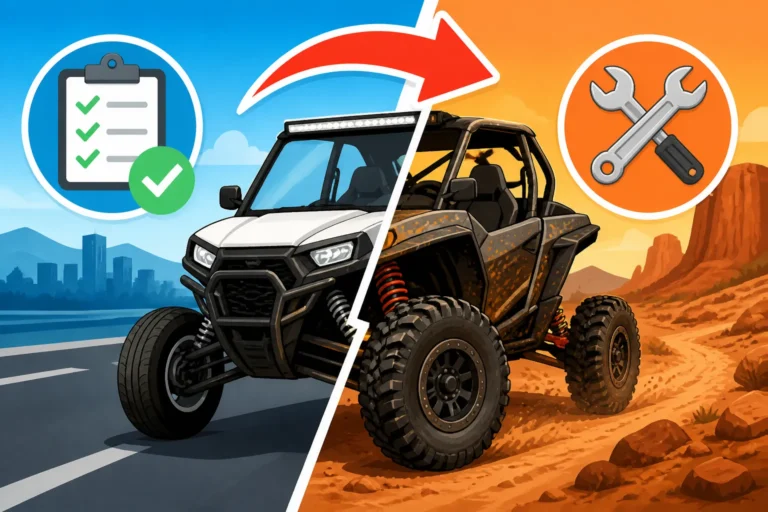
The Dream vs. The Reality of Ride-Out Access
While the idea of riding directly from your motel is incredibly appealing, it's crucial to understand that it's not a free-for-all. The dream of seamless access must align with the reality of local laws and state regulations. Just because Kanab is OHV-friendly doesn't mean you can disregard the rules of the road. Your machine must be properly equipped to be considered street-legal, and you, as the operator, must adhere to all traffic laws just as if you were driving a car. This includes speed limits, stop signs, and yielding to pedestrians.
Many visitors arrive with machines that are fantastic on the trail but lack the necessary components to be street-legal. The frustration often sets in when they realize they still need to trailer their OHV out of town, or worse, face a citation for operating an illegal vehicle on city streets. The goal is to transform that dream into a legitimate, legal, and enjoyable reality, allowing you to truly experience the freedom of Kanab's ride-out culture without any unwelcome surprises. This involves a bit of homework and potentially some modifications to your machine, but the payoff of true ride-out convenience is well worth the effort.
Making Your Machine Street Legal for Utah Roads
Before you can even dream of cruising Kanab's main street on your UTV, your machine needs to meet specific requirements to be legally allowed on Utah's public roads. This isn't just about having a license plate; it's a comprehensive list of equipment designed to ensure your safety and the safety of others on the road. Navigating these requirements can feel a bit like reading a mechanic's manual in a foreign language, but I promise, it's totally manageable once you break it down.
Decoding Utah's Statewide Street-Legal Requirements
Utah has a clear set of rules for what constitutes a street-legal OHV. Think of it like this: if a car needs it to be safe and visible on the road, your OHV probably does too. The core requirements include headlights, tail lamps, turn signals, mirrors, a horn, a windshield or eye protection, a license plate light, and a functioning speedometer. Beyond these, your exhaust system must meet noise regulations, and your brakes need to be in good working order. It's a comprehensive list, but each item serves a critical safety function, whether you're riding in broad daylight or after dusk. You can find a detailed breakdown of these components in [Utah Street-Legal ATV Equipment Requirements].
The biggest hurdle for many is often the turn signals and mirrors. Many off-the-shelf OHVs simply aren't equipped with these features from the factory. You'll need to install them as aftermarket additions. Similarly, ensure your headlights have both high and low beams, and that your tail lights function as both running lights and brake lights. It might sound like a lot, but numerous aftermarket kits are available to help you retrofit your machine. Remember, the goal isn't just to pass an inspection, but to be genuinely safe and visible to other drivers, especially when you're sharing the road with cars, trucks, and RVs.
Essential Components for Kanab-Specific Riding
While the statewide requirements lay the foundation, thinking about Kanab specifically can help you prioritize your setup. Given the dusty conditions of many Southern Utah trails and the potential for riding in varying light, robust and reliable components are key. For instance, choosing durable, bright LED turn signals that can withstand trail abuse is a smart move. When it comes to mirrors, opting for sturdy, adjustable side mirrors that offer a wide field of view will be invaluable for navigating both city streets and dusty county roads. Many riders find that a full, DOT-approved windshield drastically improves comfort by reducing dust and wind buffeting, though eye protection like goggles is also an legal option.
When you're upgrading your machine, consider reputable brands that specialize in OHV accessories. Companies like SuperATV offer a wide range of street-legal kits and individual components – from turn signal kits to durable mirrors and full windshields – that are designed to meet or exceed Utah's requirements while standing up to the rigors of off-road use. They've built a reputation for understanding what riders truly need. Investing in quality components from such brands means fewer headaches down the road and more time enjoying the trails. Don't forget the importance of your horn, either; a loud, clear horn is essential for alerting distracted drivers or pedestrians, especially in a busy tourist town like Kanab.
| Component | Utah Requirement | Kanab Riding Context |
|---|---|---|
| Headlights | Minimum one, high/low beam, white/amber | Essential for varied light, early morning/late evening trail returns. |
| Tail Lights | Minimum one, red, brake light function | Critical for visibility on shared roads, dusty conditions. |
| Turn Signals | Front and rear, amber/red, flashing | Non-negotiable for safe lane changes, turns in town. |
| Mirrors | Minimum two, one on each side, view 200 ft to rear | Wide-angle, durable mirrors are key for urban and road riding. [Choosing Mirrors That Pass Utah Inspection] |
| Horn | Audible from 200 ft | Alerting pedestrians/drivers, essential safety feature in town. |
| Windshield/Eye Prot. | Windshield or DOT-approved eye protection | Windshield provides comfort from dust; goggles are a must if no windshield. |
| Brakes | Functioning front and rear, parking brake | Reliable stopping power on varied surfaces and in traffic. |
| License Plate Light | Illuminates plate from 50 ft | Ensures plate visibility for law enforcement. |
| Speedometer | Functional and visible | Adhering to speed limits in town and on roads. |
| License Plate | Properly mounted, current registration | Display current street-legal plate clearly. [Making a UTV Street Legal in Utah] |
Navigating Kanab's Streets: Local Rules and Smart Riding
Once your OHV is fully street-legal, the next step is understanding how to properly and safely operate it on Kanab's streets. It's not just about meeting state equipment requirements; it's also about respecting local ordinances and practicing smart, defensive driving. Kanab is generally very welcoming to OHVs, but that doesn't exempt you from traffic laws, and knowing the nuances can prevent an unexpected ticket or, more importantly, an accident.
Kanab City Ordinances and Your OHV
Kanab, like many Utah towns that embrace OHV tourism, has specific ordinances governing the use of street-legal OHVs within city limits. The good news is that most main roads in Kanab are open to street-legal OHVs, allowing you to ride from your motel to local businesses or directly out to trailheads. However, there are typically speed limits to observe, which are often lower than what you might be used to on wider highways. For instance, Kanab's main street (Highway 89) might feel like a fast road, but within city limits, the posted speed limit will apply, and often be lower than the highway speed. You'll want to pay close attention to all posted signs, especially around residential areas and near schools, where limits can drop significantly. [Riding Main Street in Southern Utah Towns] offers more insights into this experience.
Parking is another consideration. While you can drive your street-legal OHV on city streets, you'll need to park it legally, just like any other vehicle. This means no parking on sidewalks, blocking driveways, or parking in no-parking zones. If you're stopping for groceries or a bite to eat, look for designated parking spaces. Also, be mindful of noise. Even with a legal exhaust, OHVs can be louder than passenger cars. Be a good neighbor by avoiding excessive revving and accelerating slowly, especially early in the morning or late at night when others might be trying to sleep. The community's continued acceptance of OHVs depends heavily on riders showing respect for local residents and rules.
General Traffic Laws Applicable to Street-Legal Machines
Beyond Kanab's specific ordinances, all general Utah traffic laws apply to street-legal OHVs. This includes obeying all traffic signals, stop signs, and right-of-way rules. Remember, you're sharing the road with cars, trucks, and even larger vehicles, so defensive driving is crucial. Always assume other drivers might not see you, especially because your OHV is smaller and sits lower than many vehicles. Making eye contact with drivers at intersections can be a lifesaver.
Lane discipline is also important. Ride in the lane appropriately, signal all turns and lane changes well in advance, and maintain a safe following distance. Remember that while your OHV might be capable of high speeds, Utah's street-legal OHV laws often come with speed restrictions, usually limiting you to roads with a speed limit of 50 mph or less. Pay close attention to [What Utah's 50 mph Limit Means for Riders]. Passengers must be seated and wear seatbelts (if applicable), and all riders under a certain age might have helmet requirements, so be sure to check [Utah Helmet Rules for Riders Under 18]. Carrying your registration, proof of insurance, and your driver's license is also legally required whenever you're operating on public roads. An officer will expect to see these documents, along with properly displayed decals and your license plate. [What a Utah Officer Looks for on a Street-Legal ATV] covers this in detail.
Planning Your Kanab Adventure Beyond the Pavement
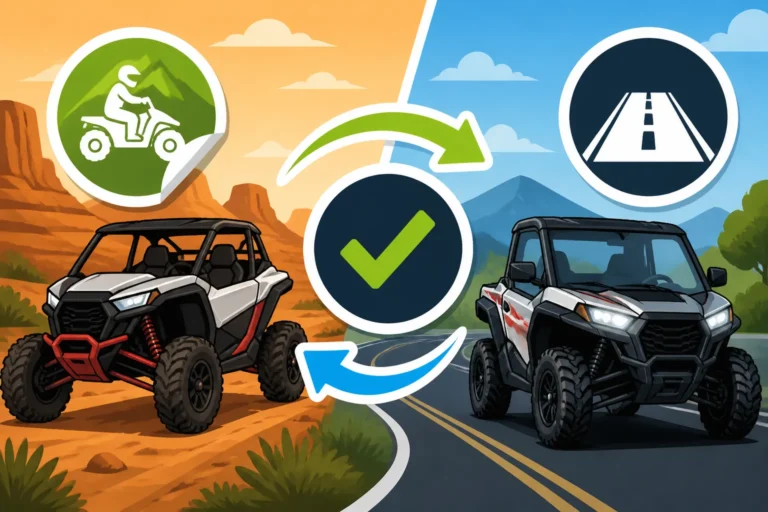
The real fun begins when you transition from the streets of Kanab to the vast network of trails that surround the town. Having a street-legal machine means you can seamlessly move between the urban environment and the rugged backcountry, making for truly epic days of exploration. But even with the convenience of riding out from your motel, a little planning goes a long way to ensure a smooth and enjoyable trip.
Discovering Routes Accessible From Town
One of the greatest benefits of a street-legal OHV in Kanab is the ability to directly access popular riding areas without trailering. You can quite literally ride out of your motel and head towards destinations like Hog Canyon, or even take the scenic routes that lead towards Coral Pink Sand Dunes State Park. Many local businesses, including outfitters and rental shops, cater to this very convenience and can provide maps or advice on routes that are OHV-friendly right from town. [Riding Through Kanab to Coral Pink] is a fantastic example of a route you could consider.
Before you head out, do a bit of research on your intended route. Utilize mapping apps that show OHV-legal roads and trails, and always check for any temporary closures or restrictions, especially during sensitive wildlife seasons or after heavy rains. Consider starting with easier, well-marked trails if you're new to the area, gradually working your way up to more challenging terrain. The key is to know where you're going and to understand the various road classifications – some roads might be open to OHVs while others, such as state highways or private land, may not be. Confirming your chosen route is legal for your machine from start to finish will save a lot of headaches.
Fuel, Supplies, and Responsible Trailhead Conduct
Even if you're riding from your motel, you'll still need to think about fuel and supplies. Kanab has several gas stations conveniently located in town, making it easy to fill up your tank before you hit the trails. Plan your fuel stops, especially on longer rides, as some backcountry routes might not have easy access to gas. It's always a good idea to carry extra fuel, especially if your OHV has a smaller tank or you plan on extensive exploration. A small, secured fuel can could be a trip-saver.
Beyond fuel, consider what other supplies you'll need for a day on the trails. Water is paramount in Southern Utah's desert climate; carry more than you think you'll need. Pack snacks, a first-aid kit, tools for basic repairs (like a tire plug kit), and navigation aids. Even if you have GPS on your phone, a physical map and compass can be invaluable in areas with no cell service. When you arrive at a designated trailhead or staging area, even if you've ridden there, remember to practice responsible conduct. This includes parking only in designated areas, staying on marked trails, packing out all your trash, and respecting the natural environment. These small actions contribute significantly to the preservation of our riding areas and the continued goodwill towards OHV enthusiasts.
Avoiding Common Pitfalls for Kanab OHV Riders
While the freedom of riding from your motel in Kanab is exhilarating, it's easy to overlook crucial details that can quickly turn an epic adventure into a frustrating ordeal. Many riders, especially those new to Utah's specific rules or to street-legal OHV operations, fall into common traps. Understanding these pitfalls ahead of time is your best defense against unexpected fines, delays, or even accidents.
The Importance of Proper Documentation and Permits
One of the most frequent mistakes riders make is assuming that because their machine is street-legal, they are fully compliant with all state and local laws. This isn't always the case. For example, ensuring your OHV has a current Utah OHV registration is critical. This is separate from your street-legal registration and license plate, which allows you on roads. Even if your machine is plated for the street, you still need the OHV registration to ride on designated OHV trails. [Utah OHV Registration vs Street-Legal Registration] clarifies this distinction. Also, if you're an out-of-state visitor, you'll need a Utah Non-Resident OHV Permit, which is required for riding on public lands and trails. Don't skip this; enforcement is common, especially in popular riding areas.
Beyond machine documentation, don't forget your personal credentials. A valid driver's license is required to operate a street-legal OHV on public roads. Additionally, all operators and passengers under 18 must have an OHV education certificate. Even if you're an adult, completing the adult OHV education course is a smart move for safety and understanding the rules. [The Utah OHV Education Certificate] is a valuable resource here. Carry all these documents with you – physical copies are best, as cell service can be spotty in the backcountry, making digital proof unreliable if an officer can't verify it. An incomplete set of documents is a quick way to get pulled over and potentially face a fine.
Overlooking Local Courtesy and Environmental Impact
Another common pitfall is inadvertently causing issues by not being mindful of local courtesy and the environment. While Kanab is OHV-friendly, it's still a community where people live. Excessive noise, dust, or reckless riding within city limits can quickly erode goodwill towards OHV riders. Imagine trying to enjoy a quiet evening meal at a restaurant patio, only to have a loud OHV constantly revving its engine nearby. Such behavior is not only rude but can lead to stricter local ordinances in the future. Always ride respectfully, keep speeds low in residential areas, and avoid unnecessary noise.
Similarly, the environmental impact of your riding should always be top of mind. Even when riding legally from town to a trailhead, staying on designated trails is crucial. Venturing off-trail can damage fragile desert ecosystems, disturb wildlife, and accelerate erosion. It's not just about what's legal, but what's responsible. Remember the "Tread Lightly!" principles: Travel responsibly, Respect the rights of others, Educate yourself, Avoid sensitive areas, and Drive with care. These guidelines help ensure that the beautiful landscapes surrounding Kanab remain pristine for future generations of riders and other outdoor enthusiasts. Your actions reflect on the entire OHV community, so let's make it a positive reflection.
Essential Gear and Machine Prep for Your Kanab Trip
Getting your OHV street-legal and understanding the local rules is a huge step, but a truly successful and enjoyable Kanab adventure requires thorough preparation of both your machine and your personal gear. The diverse terrain and often remote nature of Southern Utah trails demand that you're well-equipped for various scenarios, from technical climbs to unexpected weather changes. Being prepared isn't just about comfort; it's about safety.
What to Pack for a Day on the Trails and Roads
When riding from your motel in Kanab, your "packing list" needs to cover both street legality and trail readiness. For personal safety, always wear appropriate riding gear. This includes a DOT-approved helmet (even if not strictly required for adults on roads, it's highly recommended for trail riding), eye protection (goggles or a full windshield), sturdy boots, long pants, and long sleeves to protect against sun, scrapes, and debris. Beyond protective clothing, hydration is absolutely non-negotiable in the Utah desert. Carry ample water, perhaps in a hydration pack, and consider electrolyte drinks.
Other essentials for your OHV include a basic tool kit, tire repair kit with a portable air compressor, a tow strap, and a small shovel. A reliable GPS device or a mapping app with downloaded offline maps is also critical, as cell service can be non-existent in many backcountry areas. Don't forget a first-aid kit, a flashlight or headlamp (even for daytime rides, an emergency can extend into night), and a way to signal for help, such as a satellite messenger, especially if you plan to venture into remote regions. Finally, bring layers of clothing. Desert temperatures can swing wildly, with hot days and surprisingly cool evenings, or sudden changes in elevation bringing cooler air.
Pre-Ride Checks for Street-Legal Compliance
Before every ride, especially when you're transitioning from street to trail and back, a quick but thorough pre-ride check of your OHV is essential. This isn't just for performance, but specifically to confirm your street-legal components are still functional. Check all your lights – headlights (high and low beam), tail lights, brake lights, and turn signals – to ensure they are working properly. Test your horn. Verify your mirrors are securely attached and provide adequate rear visibility; if they've been bumped on a tight trail, readjust them.
Inspect your tires for proper pressure and any signs of damage. Road use can sometimes be harder on tires than soft dirt, so look for wear patterns or embedded debris. Check your fluid levels (oil, coolant, brake fluid) and ensure your brakes feel firm. Don't forget to ensure your license plate is clean and visible, and that your OHV registration decal is current and properly affixed. For those who prioritize durability and reliability in their modifications, aftermarket parts from companies like SuperATV are often designed with these frequent checks and the general wear and tear of OHV life in mind. A few minutes of checks before you leave the motel can prevent a potential breakdown or a citation out on the road or trail, ensuring your day is filled with enjoyment, not frustration.
Disclaimer
This article is for general informational purposes only and does not constitute professional advice. Laws, prices and regulations vary by location and change over time. Consult a qualified professional for guidance on your specific situation.