Riding a UTV in a Utah Neighborhood
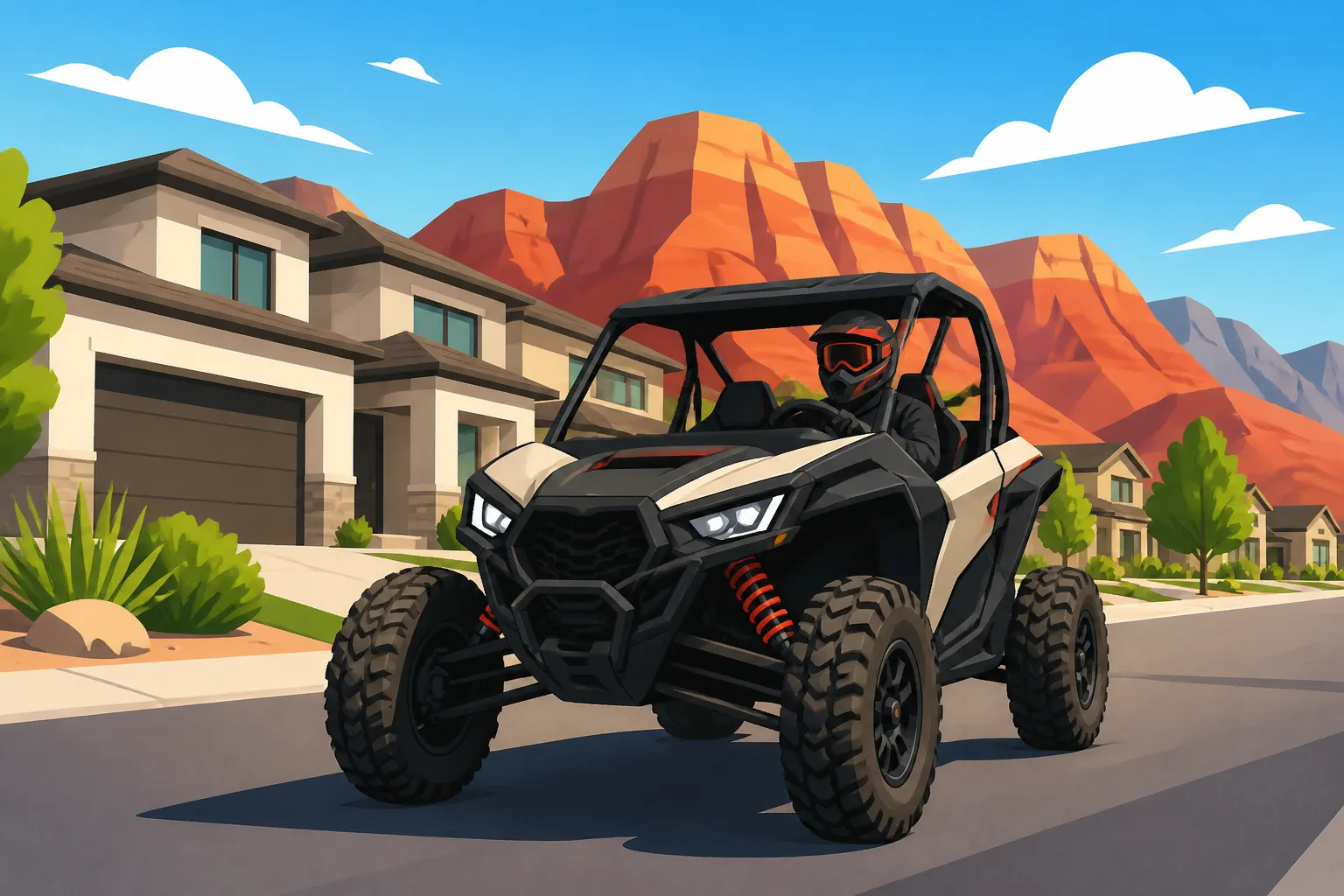
It's incredibly frustrating when you just want to zip down the street on your UTV to a local trailhead, or even just to a friend's house, but you're not entirely sure if it's legal. Many of us grapple with the maze of Utah's OHV laws, especially when it comes to riding a UTV or ATV right in our own neighborhoods. This guide aims to clear up that confusion, helping you understand the rules for riding your UTV in Utah's residential areas, what you need to do to stay legal, and how to be a considerate neighbor.
The Foundation: Utah's Street-Legal Requirements for Neighborhood Access
Before you even think about putting tires on pavement in your neighborhood, your UTV needs to meet some pretty specific criteria to be considered "street legal" in Utah. This isn't just a suggestion; it's the absolute baseline for legal road use, even for short distances within a residential area. The state has clear expectations, and failing to meet them can lead to a lot more than just a stern look from a neighbor.
What Makes a UTV Street Legal in Utah?
Making your UTV street legal is essentially converting it to a road-worthy vehicle in the eyes of the law. This involves ensuring it has all the safety equipment typically found on a car, and then getting it inspected and registered as such. Think of it as giving your rugged trail machine a polite suit and tie for civilian life. The core components typically include headlights (with high and low beams), tail lights, brake lights, turn signals, and a horn. You’ll also need at least one mirror (most riders opt for two for better visibility) and either a windshield or appropriate eye protection. Your tires need to be DOT-approved, and your exhaust can't exceed specific noise limits. It's a comprehensive list, and often requires specific aftermarket parts. For instance, many riders turn to companies like SuperATV for their street-legal kits, which bundle many of these necessary components into one package, making the conversion process a bit more streamlined.
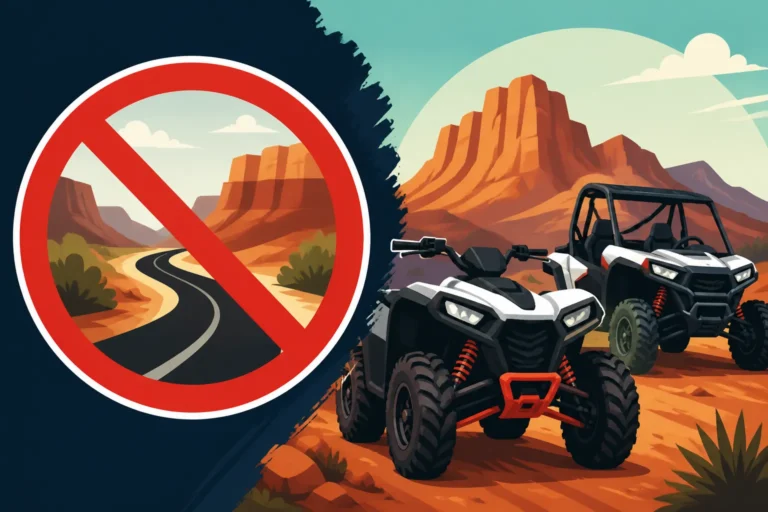
Beyond the physical equipment, your UTV will need a license plate, proof of insurance, and the driver must hold a valid driver's license. The state also has specific rules regarding engine size and maximum speeds for these types of conversions. Without all these elements in place, your machine is strictly an off-highway vehicle, and residential streets, even quiet cul-de-sacs, are off-limits. If you're unsure about the exact equipment list, it's worth checking out [Utah Street-Legal ATV Equipment Requirements] to ensure you're not missing any crucial elements.
The Role of State Law vs. Local Ordinances
Here's where it gets a little tricky, and often where the confusion really sets in for riders. Utah state law provides the overarching framework for what constitutes a street-legal OHV and broadly allows them on most public roads with a speed limit of 50 mph or less. However, the state also grants significant authority to local jurisdictions – meaning cities and counties – to enact their own, more restrictive ordinances regarding OHV use within their boundaries.
This means that while your UTV might be perfectly street legal according to state standards, your specific city or county could have additional rules that limit where and when you can ride it in a neighborhood. Some towns might designate specific roads for OHV use, while others might ban them entirely from residential streets, or impose stricter curfews or noise restrictions. It's a dynamic situation where state permission is foundational, but local rules are the ultimate decider for neighborhood access. Understanding this two-tiered system is key to avoiding fines and maintaining good relations with your community. You might be interested in reading [City and County OHV Rules Across Utah] for a broader perspective on this issue.
Understanding Your Neighborhood's Specific Rules
Given that local jurisdictions have a big say in where you can and can't ride your street-legal UTV, it's absolutely crucial to do your homework. What's perfectly fine in one town might get you a ticket just a few miles down the road. This variability is probably the biggest headache for Utah riders.
City and County Ordinances: A Local Labyrinth
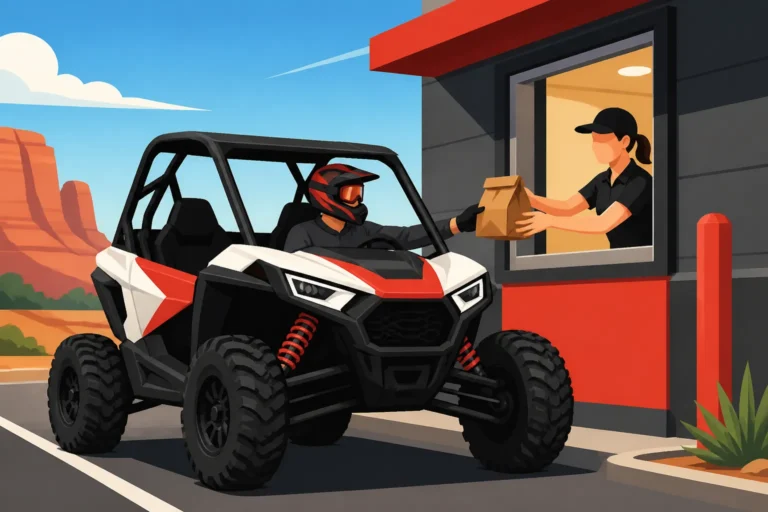
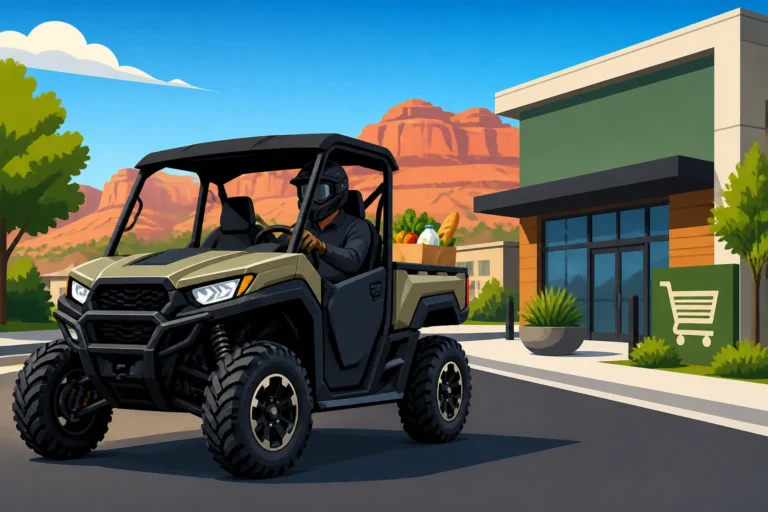
The reality of riding a street-legal UTV in Utah neighborhoods is that it's not a one-size-fits-all situation. Southern Utah towns like Moab, Kanab, or St. George, which are hubs for OHV tourism, often have more permissive rules, even allowing street-legal UTVs on main streets to access trails or local businesses. You'll see riders pulling up to gas stations, restaurants, and even grocery stores in their side-by-sides. However, even in these rider-friendly areas, there are usually specific speed limits within city limits, often lower than the typical 50 mph state standard, and sometimes noise ordinances.
Move to a more urban or suburban area, particularly closer to the Wasatch Front in places like Salt Lake County or Davis County, and the rules tend to be much stricter, if not outright prohibitory on most residential streets. These communities prioritize quiet, traditional vehicle traffic, and may have very few, if any, roads open to OHVs. Even if your machine is fully street-legal, an ordinance might simply state that OHVs are not allowed on city streets except for crossing at designated intersections. It really is a local labyrinth, and you cannot assume that what applies in one community will apply in the next. To get a better grasp of the broader picture, consider reading Riding a UTV in a Utah Neighborhood for more localized discussions.
How to Research Your Local UTV Driving Rules
So, how do you navigate this patchwork of rules without getting into trouble? The best way is to do some direct investigation for your specific city or county. Don't rely on what your buddy heard from a guy at the gas station; go straight to the source.
Here’s a step-by-step approach:
- Check Your City or County Website: Most local governments have their ordinances published online. Look for sections related to "motorized vehicles," "off-highway vehicles," or "traffic and streets." A quick search for "[Your City Name] OHV ordinance" or "[Your County Name] UTV rules" should get you started.
- Contact Your Local Police Department or Sheriff's Office: If the online information is unclear or difficult to find, call the non-emergency line for your local law enforcement. They can usually tell you directly what the local rules are, or at least point you to the correct department or document.
- Visit Your City/County Clerk's Office: For the most official word, you can visit the clerk's office in person. They maintain all official records and ordinances and can provide copies if needed.
- Look for Posted Signage: While not exhaustive, many communities will post signs at their city limits or along certain roads indicating restrictions on OHV use. This is a good visual cue, but don't rely on it as the only source of information.
Remember, the goal is to be informed and compliant. Taking the time to research your specific neighborhood's rules will save you headaches, potential fines, and ensure you're a responsible member of the riding community. This diligence is especially important if you're [Moving to Utah With an ATV You Already Own] and need to get up to speed on local regulations quickly.
Here’s a general idea of what types of restrictions you might encounter:
| Restriction Type | Description | Common Areas Where Applied |
|---|---|---|
| Speed Limits | Lower maximum speeds for OHVs than for cars, especially on residential streets. | Throughout most city limits, particularly in dense residential areas. |
| Road Exclusions | Specific streets or entire zones (e.g., all residential streets) where OHVs are prohibited. | Typically in larger cities, quiet neighborhoods, or near schools/parks. |
| Curfews | Restrictions on operating OHVs during certain hours, often late at night or early morning. | Residential areas to minimize noise disturbance. |
| Noise Limits | Ordinances setting a maximum decibel level for vehicle exhaust, often stricter for OHVs. | Common in any developed area, especially residential and commercial zones. |
| Age/License Restrictions | May reinforce state laws or add additional local requirements for drivers on city streets. | Generally consistent with state law, but always worth double-checking local specifics. |
| Parking Rules | Specific rules about where OHVs can be parked on public streets or rights-of-way. | Similar to car parking rules, but sometimes with additional restrictions for OHVs. |
Responsible Riding and Neighborly Conduct
Even when you're legally cleared to ride your UTV in your neighborhood, being a good neighbor goes a long way. The perception of OHVs in residential areas is often mixed, and our actions as riders can significantly influence that. It’s about more than just following the law; it’s about respect and minimizing disturbance.
Mind Your Speed and Your Muffler: Being a Good Neighbor
When you're on a public road, especially in a neighborhood, you're not on the trail anymore. Your primary concern should be safety and minimizing your impact on others. This means strictly adhering to posted speed limits – which are often much lower in residential zones – and driving defensively. Kids play in neighborhoods, pets wander, and other drivers might not expect a UTV on the road. Slow down, be predictable, and use your turn signals.
Noise is another huge factor. OHVs, by their nature, can be louder than passenger cars, especially if they have aftermarket exhausts. While some aftermarket exhausts might be legal for street use, they can still be significantly louder than stock. A loud exhaust echoing down a quiet street early in the morning or late at night is a surefire way to generate complaints and push for stricter local ordinances. If you frequently ride in neighborhoods, consider investing in a quieter exhaust system. Some manufacturers, like SuperATV, offer exhaust options designed to be more neighborhood-friendly while still performing well. Being mindful of your noise level and passing through residential areas as quickly and quietly as safely possible can make a huge difference in how your community perceives OHV use. This is a common concern addressed in topics like [Moab's Noise Ordinance and What It Measures].
Parking, Access, and Public Perception
Where you park your UTV, and how you access trails from your home, also impacts public perception. If you're constantly parking your UTV on the street, especially if it takes up significant space or blocks visibility, it can become a nuisance. Always use your driveway or designated parking areas where possible. If you must park on a public street, ensure it's legal, safe, and not blocking anyone's access or sightlines.
Furthermore, how you access trails from your home matters. If your street-legal route to the trailhead involves tearing through a sensitive area, kicking up dust, or making excessive noise, it can quickly sour relations with your neighbors. Plan your routes to be as unobtrusive as possible, sticking to main roads when feasible, and avoiding shortcuts through grassy areas or vacant lots. The goal is to be seen as a responsible motorist, not a nuisance. Your actions reflect on the entire OHV community, so let's make it a positive reflection. Remember, good relationships with neighbors can often pave the way for continued or even expanded street access, whereas constant complaints can quickly lead to stricter bans. For more on navigating trail access, check out [Riding Through Town to the Trailhead in Utah].
Common Missteps and Consequences
Even with the best intentions, it's easy to make mistakes or misunderstand the nuances of OHV laws. Unfortunately, these missteps can lead to significant headaches, both legally and within your community. Understanding these common pitfalls can help you avoid them entirely.
The "Short Hop" Fallacy: Why Ignoring Rules is Risky
One of the most common justifications (and traps) riders fall into is the "just a short hop" mentality. "I just need to cross this road," or "It's only two blocks to the store," or "The trailhead is right there, why bother loading it on a trailer?" This mindset, while understandable for convenience, is incredibly risky. If your UTV isn't street legal and you're caught riding it on any public road, even for a few feet, you're breaking the law.
The consequences for these "short hops" can be just as severe as for a longer illegal ride. You could face fines, points on your driving record, and potentially have your machine impounded. Beyond the legal ramifications, it fuels the negative stereotype of irresponsible OHV riders. When neighbors see unregistered, non-street-legal machines on public roads, it erodes trust and makes it harder for legitimate, law-abiding riders to gain acceptance. Don't risk a ticket or community backlash for the sake of a few minutes of convenience. It's simply not worth it. If you're wondering about the exact penalties, reading [Penalties for Riding Unregistered in Utah] could be highly informative.
Private Roads vs. Public Roads
Another area of confusion revolves around the distinction between private roads and public roads, especially in planned communities, rural areas, or neighborhoods with private homeowner associations (HOAs). Just because a road "looks" private or is not maintained by the city doesn't automatically mean you can ride an unregistered or non-street-legal UTV on it.
Generally, if a road is accessible by the public, even if privately owned, traffic laws often still apply. However, HOA rules can add another layer of complexity. Some HOAs may have specific bylaws regarding OHV use, even on private roads within their jurisdiction, regardless of state or city street-legal status. Always check with your HOA if you live in such a community. The safest assumption is that if a road leads anywhere beyond your own private property, it's subject to some form of regulation. Always assume public road rules apply unless you have explicit, written confirmation otherwise. Even if you're only using your UTV to plow snow on a shared private road, understanding these nuances is critical. [HOA Rules That Reach Street-Legal UTVs] delves deeper into this specific challenge.
Enforcement and Penalties for Unregistered or Unapproved Use
Law enforcement in Utah takes OHV regulations seriously. Troopers, sheriffs, and city police officers are often trained on these specific laws, and they know what to look for. An officer stopping you for riding an unregistered or non-street-legal UTV in a neighborhood could result in a range of penalties.
These typically include fines, which can vary widely depending on the infraction and the local jurisdiction. Beyond the financial penalty, an officer might order you to immediately remove the machine from the roadway, potentially requiring a friend with a truck and trailer to come retrieve it. In more severe or repeat cases, your UTV could be impounded, leading to additional towing and storage fees before you can get it back. Furthermore, some violations might impact your driver's license or insurance rates. The goal of enforcement isn't just to punish, but to ensure public safety and maintain order. Abiding by the rules, especially when it comes to riding in residential areas, is the easiest way to avoid these unpleasant consequences. Make sure you know [What a Utah Trooper Checks at a Trailhead] or on the road, so you're always prepared.
Disclaimer
This article is for general informational purposes only and does not constitute professional advice. Laws, prices and regulations vary by location and change over time. Consult a qualified professional for guidance on your specific situation.