Kids Riding as Passengers on Utah Roads
Bringing the kids along for a ride on your street-legal ATV or UTV through Utah's incredible landscapes is one of the joys of OHV ownership. However, the thought of navigating public roads with your precious cargo can fill any parent with a mix of excitement and legitimate apprehension. You want to share the adventure, but you also need to ensure everyone's safety and stay on the right side of the law. This guide aims to clear up the confusion surrounding kids riding as passengers on Utah roads in street-legal off-highway vehicles, helping you understand the rules and ride with confidence.
Understanding Utah's Passenger Rules for Minors on Street-Legal OHVs
When you're out on Utah's scenic byways or cruising through a small town on your street-legal side-by-side, the rules for passengers, especially young ones, are a bit different than when you're just kicking up dust on the trail. Utah's laws are designed to protect everyone, and that includes our youngest riders. It's crucial to know these distinctions before you hit the pavement.
Age-Based Passenger Restrictions and Seat Requirements
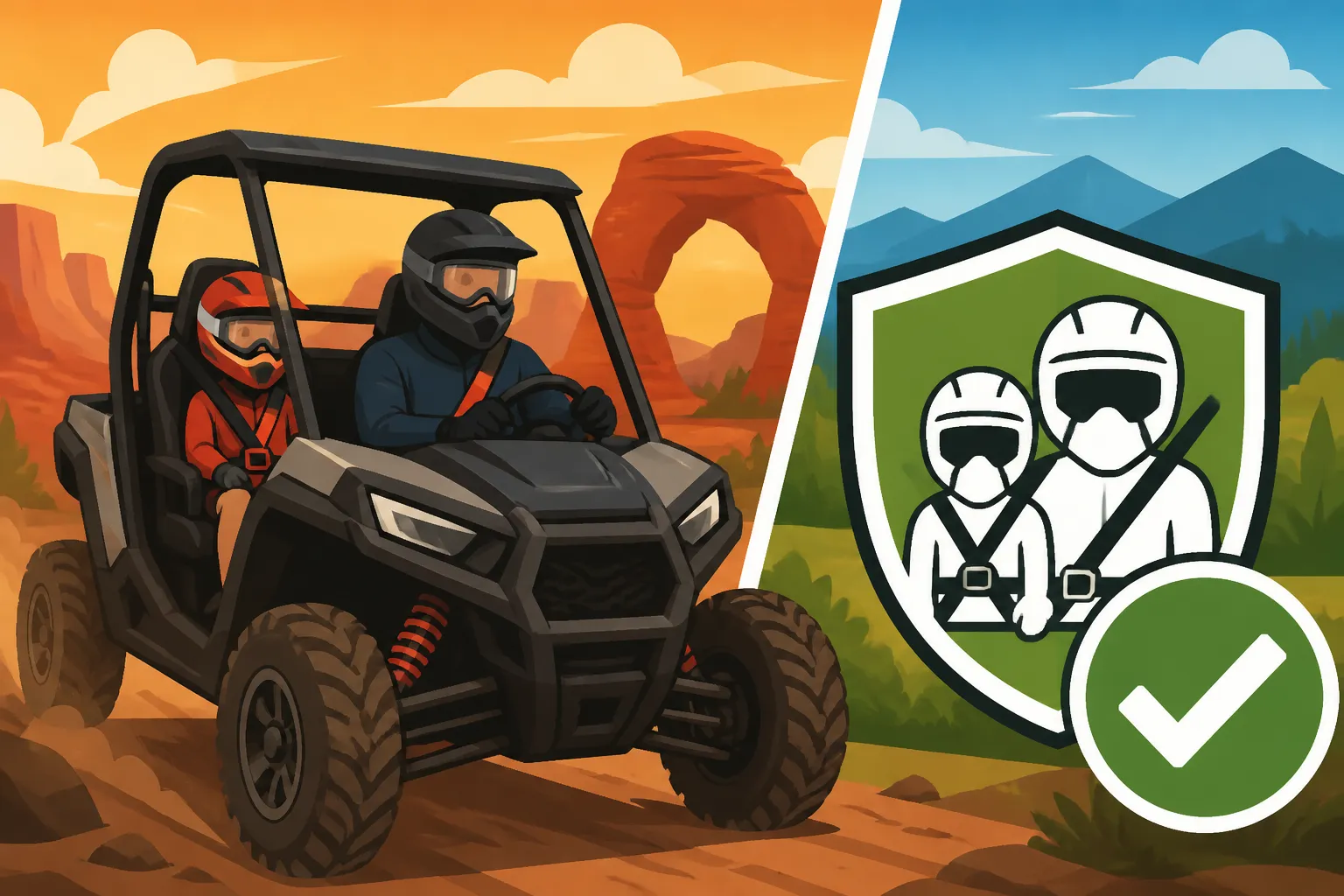
Utah law is quite specific about who can ride and where they can sit when your OHV is operating on public roads. Generally, if your UTV is street-legal, it's subject to many of the same rules as other motor vehicles when it comes to passengers. This means anyone riding in your side-by-side, especially a minor, needs to be properly secured. There isn't a blanket "no kids allowed" rule, but there are important considerations regarding their age and how they are restrained.
For example, imagine your family is planning a trip to Moab, hoping to drive your street-legal UTV right from your campsite to the trailhead for Hell's Revenge. You have two kids, one six years old and another twelve. While the twelve-year-old might fit snugly into a standard seatbelt, the six-year-old will likely need a booster seat or even a car seat, depending on their height and weight, just as they would in a regular car. This isn't just a suggestion; it's a legal requirement. The vehicle must have dedicated seating for each passenger, and each seat must be equipped with a functional seatbelt. This often means your two-seater UTV can only carry two people, regardless of how small the kids are, unless it's designed with multiple seating positions and corresponding seatbelts. You can't just pile them in the bed of a utility UTV for a quick jaunt down Main Street. For more detailed information, check out [Utah Seat Belt Rules for UTV Passengers].
The Importance of Proper Safety Gear for Young Riders
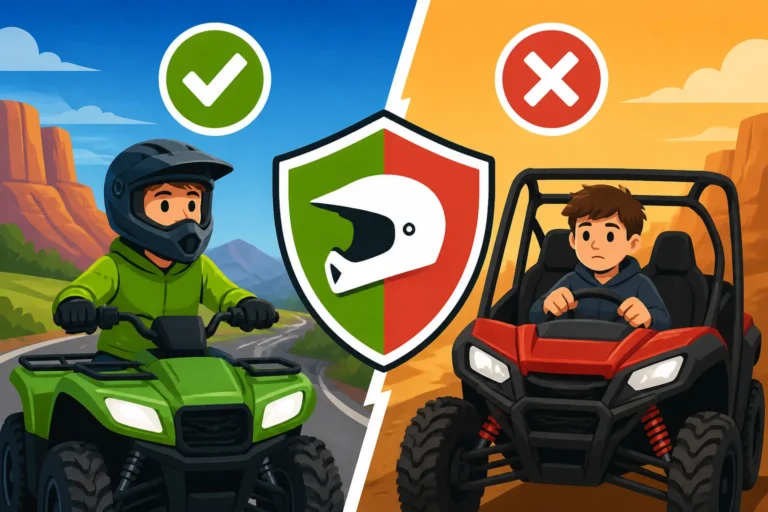
Beyond just having a place to sit, what your child wears and uses for protection is paramount when riding on Utah's roads. Helmets are not just for dirt trails anymore. While adults 18 and older are generally not required to wear a helmet in a street-legal UTV on public roads, the rules change significantly for younger riders. For anyone under the age of 18, a helmet is typically required, whether they are operating the OHV or riding as a passenger, especially if the vehicle does not have an enclosed cab or windshield.
Consider a parent making sure their eight-year-old's helmet fits correctly before setting out from a St. George hotel to Sand Hollow. They're not just thinking about the sand dunes; they're also considering the short stretch of road they'll be on to get there. A proper helmet should be DOT-compliant, snug but not uncomfortable, and secured with a chin strap. Eye protection, whether it's goggles or a face shield on the helmet, is also critical to shield against wind, dust, and road debris that can easily impact an open vehicle. Gloves and sturdy footwear are also smart choices to protect little hands and feet, even if they aren't strictly mandated by law for passengers. It's about layers of protection. Understanding [Utah Helmet Rules for Riders Under 18] can help ensure you're fully compliant and your child is safe.
Navigating Specific Road Scenarios with Children Aboard
The type of road you're on can subtly shift the focus of safety, even if the core rules remain the same. Knowing what to expect, whether you're idling through a quiet town or picking up speed on a county road, is key to a smooth family ride.
City Streets and Low-Speed Zones
When you're driving your street-legal UTV through a bustling little town like Kanab or Marysvale, perhaps just heading to a gas station or grabbing some lunch, the pace is generally slower, and traffic is more concentrated. This environment presents its own set of challenges and considerations when you have kids as passengers. Speed limits are often 15 or 25 mph, and there are more pedestrians, bicycles, and other vehicles to watch out for.
In these low-speed zones, the primary concern shifts slightly from high-speed impact to sudden stops, tight turns, and potential interactions with other drivers who might not be accustomed to seeing OHVs on their streets. You need to be extra vigilant. For example, when you're driving through Kanab's Main Street to get to Coral Pink Sand Dunes, your kids will be taking in all the sights and sounds. It's easy for them to get distracted and instinctively reach outside the vehicle or try to stand up for a better look. This is where those seatbelt rules and constant reminders become critical. Ensure your children understand that even at low speeds, they must stay seated and keep their hands and feet inside the UTV at all times. The police presence in these towns is often higher, and they're looking for compliance with all traffic laws, including proper passenger restraints. Take a look at [Moab's Speed Limit for OHVs on City Streets] for a local example of urban OHV regulations.
County Roads, Scenic Byways, and Higher Speeds
Once you leave the city limits and hit the open county roads or designated scenic byways, the speeds often increase, and the landscape opens up. This is where your street-legal UTV truly shines, but it also demands a heightened sense of awareness regarding your young passengers. While some county roads might have a 55 mph speed limit, remember that your UTV's handling characteristics at those speeds, especially with a full load of passengers, are different from a car.
Imagine you're taking a scenic route through Fishlake National Forest with your older kids in the side-by-side, enjoying the incredible views. At these higher speeds, wind noise can be significant, and small debris kicked up by other vehicles becomes a real hazard. This is why eye protection and sturdy helmets are even more critical. You'll want to ensure any aftermarket accessories, like a full windshield or side enclosures from a brand like SuperATV, are securely installed and in good condition to offer maximum protection from the elements. The continuous movement and vibrations of an OHV at speed can also cause discomfort over longer distances for children, so periodic breaks are a good idea. Always be mindful of the posted speed limits and drive defensively, anticipating sudden turns or changes in road conditions. For those longer, more scenic drives, [Scenic Byways Open to Street-Legal UTVs] offers insights into where you can legally explore with your family.
Practical Tips for a Safe and Enjoyable Family Ride
Making memories with your family on Utah's roads is the goal, and a big part of that is ensuring everyone is safe, comfortable, and having a good time. A little preparation goes a long way in achieving this balance.
Machine Preparation and Child Comfort
Before you even turn the key, a thorough check of your street-legal UTV is crucial, especially when children are coming along. This includes verifying that all seatbelts are in perfect working order, free from frays or damage, and that they latch securely. If you're using booster seats or child seats, ensure they are properly installed according to the manufacturer's instructions and secured to the UTV's seating. Many parents find adding extra padding or cushions helpful for younger children to enhance comfort on longer rides, as UTV seats can sometimes be firm.
Think about a family preparing for a day trip to the Paiute Trail. The youngest child, a toddler, needs to be in an appropriate car seat. The parents are meticulously checking the car seat's harness and making sure it's snug, knowing that an aftermarket roll cage extension from SuperATV provides additional overhead protection, which gives them extra peace of mind. Also, consider the elements: proper rain gear, extra layers for cooler temperatures, and plenty of water for warmer days are essential. Sunscreen and hats can protect sensitive skin from the intense Utah sun. Ensuring your machine is mechanically sound—tires properly inflated, brakes checked, fluids topped off—is a baseline for any ride, but even more so with kids aboard. For a comprehensive look at passenger safety, refer to [Passengers and Seat Belts on Utah Roads].
Educating Young Passengers and Setting Expectations
One of the most effective safety measures you can implement is to talk to your children about what to expect and what's expected of them. Before you even leave the driveway, have a conversation. Explain that riding in a street-legal UTV on the road is different from riding in the family car or even on the trail. Emphasize the importance of keeping hands and feet inside the vehicle, staying seated, and not distracting the driver.
For example, you might explain to a curious seven-year-old that while it's tempting to reach out and touch the passing trees or wave to people, it's not safe when the UTV is moving. You can make it a game: "Who can spot the most red cars without moving from their seat?" This reinforces the rules in a fun, engaging way. Set clear boundaries: no yelling, no roughhousing, and if they need something, they should speak calmly. By setting these expectations early, you create a safer environment and help your children become responsible passengers. It also prepares them for interactions with law enforcement, as officers will be observing passenger behavior. Knowing [What a Utah Officer Looks for on a Street-Legal ATV] can help you understand what they prioritize when checking an OHV on the road.
Common Concerns and What to Avoid
Even with the best intentions and preparations, there are common pitfalls that riders, especially those with children, can fall into. Being aware of these can save you a lot of headache, and potentially a citation or worse.
Mistakes That Can Lead to Citations or Accidents
One of the biggest mistakes riders make when carrying children on public roads in a street-legal OHV is not fully understanding or adhering to the specific passenger restraint laws. This often manifests as having a child in a seat that lacks a proper seatbelt, or using a standard adult seatbelt for a child too small to be safely secured by it. A child who is too short or too light for a standard seatbelt can "submarine" under it in a crash, leading to severe injuries. Similarly, failing to ensure that all minors are wearing required helmets is a frequent issue. While it might seem like a short, slow trip, an unexpected bump or sudden stop can dislodge an unsecured child.
Imagine a scenario where a family is pulled over in Hurricane, Utah, because a sharp-eyed officer noticed their toddler wasn't in an appropriate child seat, or an older child wasn't wearing their helmet, even though the UTV was otherwise street-legal. What might have felt like a minor oversight can quickly lead to a hefty fine and a stern lecture, ruining the day. Beyond citations, these oversights dramatically increase the risk of serious injury in the event of an accident. Always double-check your child's restraints and gear before starting your journey. It's not just about avoiding a ticket; it's about protecting your loved ones. To avoid these common pitfalls, understanding [Tickets Utah Riders Get Most Often] can give you an idea of what authorities are looking for.
Beyond the Basics: Insurance, Age-Appropriate Machines, and Long-Term Safety
While the immediate focus is often on current regulations, thinking a bit broader about your street-legal OHV and your family can save you from future headaches. One crucial area is insurance. Does your current policy for your street-legal UTV adequately cover passengers, especially minors, in the event of an accident on a public road? Some policies might have exclusions or lower limits for OHVs, even if they are street-legal. It's always a good idea to speak with your insurance provider to confirm your coverage.
Another aspect to consider is the age-appropriateness of your machine for carrying children. While a small two-seat UTV might be fine for one child, a growing family might quickly find themselves needing more space and seating. Investing in a larger side-by-side that offers more secure seating positions, or even considering options that allow for easier installation of child seats, can be a wise long-term decision. Brands like SuperATV offer various accessories, from seating upgrades to full enclosures, that can enhance safety and comfort for families. For instance, if you're regularly hauling multiple kids, a four-seat Polaris RZR or Can-Am Maverick designed for family adventures might be a better fit than a smaller sport model. This also ties into whether your machine is truly capable of handling the demands of road driving with a full complement of passengers. For more on ensuring your vehicle is covered, check out [Insurance for a Street-Legal Machine in Utah].
Ultimately, the goal is to make these family adventures on Utah's roads as safe and enjoyable as possible. By understanding and adhering to Utah's specific rules for children as passengers in street-legal OHVs, you can ensure peace of mind and focus on making lasting memories with your loved ones in the beautiful Utah outdoors.
Here's a quick reference on some key passenger considerations for minors on Utah roads in street-legal OHVs:
| Factor | Requirement for Minors (Generally) | Key Consideration |
|---|---|---|
| Seatbelts/Restraints | All passengers must be secured by a functional seatbelt. | Children meeting specific age/height/weight requirements may need a booster seat or car seat. |
| Dedicated Seating | Each passenger must have a dedicated seating position designed for their safe transport. | No riding in the cargo bed or on laps. |
| Helmet (Under 18) | Generally required for anyone under 18, even as a passenger, if the vehicle lacks an enclosed cab. | Confirm local ordinances; always recommended for additional safety. |
| Eye Protection | Highly recommended for all passengers, especially minors, to protect against debris and wind. | Goggles or a full-face helmet shield are best. |
| Age to Drive | N/A for passengers, but important for potential future drivers. | A separate minimum age (typically 16 with a driver's license) applies for operating street-legal OHVs on roads. [Age to Drive a Street-Legal ATV in Utah] |
| Supervision | Adult driver must be licensed and responsible for all passengers. | Constant vigilance and communication with child passengers are crucial, especially in traffic. |
| Child Seats | [Child Seats in a Utah Side-by-Side] may be required based on age/weight laws. | Ensure proper installation and fit, just like in a car. |
| Trooper Check | Officers will verify proper restraints, helmet use (if applicable), and vehicle legality. | Be prepared for a stop; know [What a Utah Trooper Checks at a Trailhead] applies to road sections too. |
Disclaimer
This article is for general informational purposes only and does not constitute professional advice. Laws, prices and regulations vary by location and change over time. Consult a qualified professional for guidance on your specific situation.