Cost of an ATV Safety Inspection in Utah
Trying to figure out the exact cost of getting your ATV or UTV inspected for street-legal conversion in Utah can feel like a guessing game, and it’s frustrating when you just want to get your machine on the road legally. Many riders worry about hidden fees or what might happen if their machine doesn't pass the first time. This guide is here to demystify the safety inspection process and break down the potential costs, helping you budget wisely and prepare thoroughly for a smooth experience.
Why a Safety Inspection is Necessary for Street-Legal Conversion in Utah
Before you even think about hitting those paved roads, Utah, like many states, has a serious interest in ensuring that any off-highway vehicle (OHV) operating alongside cars and trucks meets a fundamental set of safety standards. It’s not just about getting a license plate; it’s about protecting everyone on the road, including you, your passengers, and other drivers. This often feels like another hoop to jump through, especially if you've already invested a lot into your machine, but understanding the "why" can make the process less daunting.
The Mandate for Road Use
Utah's commitment to allowing OHVs on many public roads is a fantastic opportunity for riders, opening up a world of seamless travel from trailheads to towns. However, with that privilege comes the responsibility of ensuring these machines are safe for shared use. This isn't just about paying an annual registration fee; it's about making sure your machine is structurally and functionally sound enough to navigate traffic, signal turns, and stop effectively. Think of it as the state's way of saying, "Welcome to the pavement, but let's make sure you're ready for it." This requirement for a safety inspection is a crucial distinction, setting street-legal OHVs apart from those simply registered for off-highway use. It's important to understand the differences between [Utah OHV Registration vs Street-Legal Registration] as they entail different requirements and costs. Furthermore, if you're planning on driving your newly converted machine on public roads, you'll also need to be aware of [Driver License Rules on Utah Roads] and carry appropriate [Insurance for a Street-Legal Machine in Utah].
What the Inspection Aims to Verify
The safety inspection isn't some arbitrary checklist; it's designed to confirm that your ATV or UTV possesses the essential equipment and functional integrity to be safely driven on public roads. The goal is to catch any deficiencies that could lead to an accident or make your machine unpredictable in traffic. This means the inspector will be meticulously checking a range of components. They’re looking for things like fully operational headlights, tail lamps, turn signals that clearly communicate your intentions, and a horn that works loud and clear. Brakes are a huge deal, of course, as are your tires – they need to be road-legal, not just trail-ready. Mirrors are also critical for visibility. Essentially, they're ensuring your OHV can behave like any other vehicle on the road. Without these basic safety features, even the most experienced rider could encounter serious issues when sharing the road with other traffic.
Understanding the Costs Involved with a Utah ATV/UTV Safety Inspection
When you're looking to convert your ATV or UTV to street-legal status in Utah, one of the most immediate financial questions is always, "How much will this inspection set me back?" It's a fair question, and unfortunately, it's not a one-size-fits-all answer set directly by the state. The cost of the safety inspection itself is only one piece of the puzzle, and often, it's the repairs and upgrades needed before or after the inspection that truly impact your wallet.
The Standard Inspection Fee
The actual fee charged for a safety inspection in Utah is typically set by the individual inspection station, not by the state itself. This means you won't find a universal price posted on the DMV website. Generally, you can expect the cost for a motor vehicle safety inspection to fall within a certain range, similar to what you might pay for a car or truck inspection. It's always a good idea to call ahead to the certified inspection station you plan to visit and ask about their specific pricing for an OHV street-legal inspection. This fee covers the mechanic's time and expertise in thoroughly examining your machine against Utah's stringent safety criteria. Remember, this initial fee is solely for the inspection service; it doesn't include any parts or labor for repairs if your machine doesn't pass the first time around.
Hidden Costs and Potential Surprises
This is where many riders get caught off guard. The actual inspection fee is usually quite reasonable, but the real cost of getting street-legal can quickly escalate if your ATV or UTV isn't already equipped with all the necessary components or if existing components are faulty. If your machine fails the inspection, you'll be given a detailed report outlining what needs to be fixed. Common failure points include non-functioning turn signals, inadequate mirrors, a missing horn, or tires that aren't DOT-approved for street use. Each of these deficiencies translates directly into additional costs, whether you're buying new parts or paying for installation. For instance, if you need a reliable turn signal kit, a robust horn, or compliant mirrors, you might find yourself looking at aftermarket options from reputable brands like SuperATV. These parts can add up, and then there's the labor cost if you're not doing the work yourself. It's crucial to factor in these potential repair costs when you're budgeting for the overall [Street-Legal Conversion Costs in Utah]. For a deeper dive into what common issues might arise, you can check out [What Fails a Utah Street-Legal Inspection].
Comparing Inspection Costs Across Utah
Just like with any service, the price of a safety inspection can vary depending on where you go. A small independent shop in a rural town might charge a slightly different rate than a large dealership in Salt Lake City or St. George. Some stations might specialize in OHVs and be more efficient, potentially saving you a bit on time or even offering more competitive pricing. It’s definitely worth making a few phone calls to different certified inspection stations in your area to compare prices before you commit. Don't be shy about asking if they charge a different rate for ATVs/UTVs compared to passenger cars, and whether they offer any kind of re-inspection discount if you need to come back after repairs. A few minutes on the phone can save you a significant amount of money and prevent any unpleasant surprises on inspection day.
| Service Item | Typical Cost Factor | Notes |
|---|---|---|
| Initial Inspection Fee | Moderate, fixed by station | Varies by location/shop; call ahead for current pricing. |
| Re-inspection Fee | Low to Moderate | May be free or reduced if returned quickly to same station. |
| Parts for Repairs | Highly Variable | Depends on what fails (lights, tires, mirrors, horn, windshield). |
| Labor for Repairs | Highly Variable | Depends on complexity and whether you DIY or hire a mechanic. |
| Street-Legal Kit | Moderate to High | If starting from scratch; may include many required components. |
| DOT-Approved Tires | Moderate to High | If current tires are not road-legal. |
| Windshield/Eye Protection | Low to Moderate | If not already present or compliant. |
Preparing for Your Inspection and Minimizing Costs
The best way to keep your inspection costs down and avoid the headache of multiple visits is to prepare thoroughly before you even pull into the inspection station. A little proactive checking on your part can save you a lot of time, money, and frustration. It's all about doing your homework and ensuring your machine is as compliant as possible before a professional even lays eyes on it.
DIY Pre-Inspection Checklist
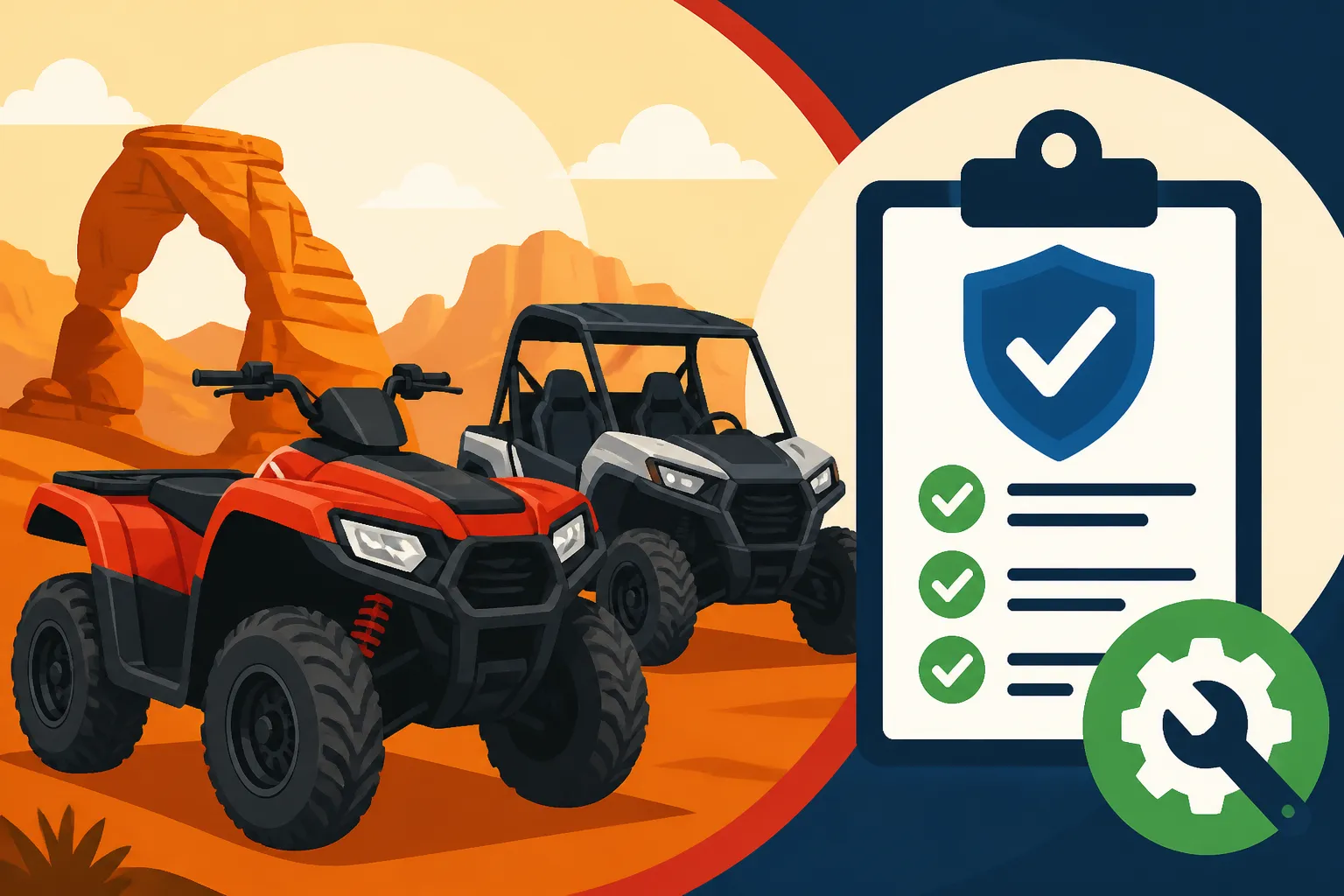
Think of your own garage or driveway as your first inspection station. Before heading to a certified shop, give your ATV or UTV a thorough once-over using Utah's street-legal requirements as your guide. This isn't just a casual glance; it's a meticulous check of every single item the inspector will look at.
- Brakes: Do both your front and rear brakes operate effectively? Test them. Do they stop your machine firmly without pulling to one side? Check your brake fluid levels if applicable.
- Lights: Test all lights. Headlights (high and low beam), tail lamps, brake lights (when applying brakes), and turn signals (front and rear, left and right). Ensure they are all working and clearly visible. If you're using aftermarket components, make sure they're bright enough. Many of the [Street-Legal Kits That Suit Utah's Rules] available from companies like SuperATV come with all the necessary lighting components designed to meet these standards.
- Horn: Does it work? Is it loud enough to be heard clearly?
- Tires: Are your tires DOT-approved for street use? Check for adequate tread depth and ensure there are no bald spots, cracks, or damage.
- Mirrors: Do you have at least one mirror that provides a clear view of the road behind you? Utah law generally requires mirrors on both sides, ensuring you have proper visibility. Consider aftermarket options that are robust and provide a wide field of view.
- Windshield/Eye Protection: While a full windshield isn't always mandatory, you must have some form of eye protection (like goggles or a helmet visor) or a windshield that meets specific safety standards.
- License Plate Mounting & Light: Your license plate needs to be securely mounted, visible, and illuminated by a white light when your headlights are on.
- Muffler/Exhaust: Ensure your exhaust system is not excessively loud and includes a spark arrestor. Utah has noise limits for street-legal machines.
- Speedometer: Your machine must have a functioning speedometer.
Going through this checklist beforehand allows you to address any minor issues, replace a burnt-out bulb, or even purchase larger components like new mirrors or a turn signal kit. Remember to also consider [Parts You Still Need After Buying a Kit], as some universal kits might not cover every single Utah-specific requirement.
Finding a Certified Inspection Station
Once you've done your DIY pre-inspection and feel confident your machine is ready, the next step is locating a certified inspection station. These aren't just any mechanic shops; they are facilities authorized by the state of Utah to perform safety inspections. You can typically find a list of certified inspection stations on the Utah Department of Motor Vehicles (DMV) or Department of Public Safety websites. Many automotive repair shops, dealerships (especially those that sell ATVs/UTVs), and even some dedicated OHV service centers are certified.
It's highly recommended to call the station ahead of time. Confirm they perform OHV safety inspections for street-legal conversion, ask about their current pricing, and inquire if you need to schedule an appointment. Some shops might be very busy, especially during peak riding seasons, and walk-ins might face long waits. By calling ahead, you can secure a slot, confirm their expertise with OHVs, and avoid any surprises regarding cost or availability. Having this conversation upfront will make your visit much smoother. For more guidance on locating an authorized facility, refer to [Finding a Certified Utah Inspection Station].
What Happens During the Inspection
When you arrive at the certified inspection station, the process typically follows a structured routine to ensure all safety components are thoroughly checked. You'll hand over your machine and any necessary paperwork. The inspector, a certified technician, will then systematically go through a comprehensive checklist, comparing your ATV or UTV against Utah's specific requirements for street-legal vehicles. This includes meticulously examining your braking system, testing all lights and turn signals, checking your horn, inspecting tires for DOT compliance and condition, verifying mirror placement and functionality, and ensuring other required equipment like a speedometer and proper exhaust are in place.
The technician is looking for both the presence of these items and their proper function. For example, a turn signal isn't just about having the light; it's about whether it blinks at the correct rate and is clearly visible from the front and rear. They'll also check for any obvious mechanical issues that could pose a safety risk. The duration of this process can vary, but generally, [How Long a Street-Legal Inspection Takes] is not excessively long, usually under an hour, assuming there are no major issues. Once the inspection is complete, the technician will inform you whether your ATV or UTV has passed or failed. If it passes, you'll receive a signed inspection certificate, which is a vital piece of documentation for completing your street-legal registration.
What to Do If Your ATV/UTV Fails Inspection
Discovering that your ATV or UTV didn't pass its safety inspection can be disheartening, especially when you're eager to hit the road. It's easy to feel frustrated and worried about additional expenses. However, a failed inspection isn't a dead end; it's simply a roadmap outlining what needs to be addressed to get your machine compliant and safe for public roads. With a clear understanding of the process, you can quickly move towards getting your OHV legal.
Understanding the Failure Report
If your ATV or UTV doesn't pass the inspection, the certified station will provide you with a detailed report outlining every specific deficiency that caused the failure. This isn't just a generic "failed" stamp; it's a specific list of items that need attention. For example, it might state "left rear turn signal non-operational," "no DOT-approved mirrors," or "tire tread depth below minimum requirement." This report is crucial because it tells you exactly what needs to be repaired or replaced. Don't leave the station without understanding each point on the report. Ask questions if anything is unclear, as knowing precisely what needs fixing will save you time and money during the repair process. This document is your guide to rectifying the problems and preparing for a re-inspection.
Repairing Deficiencies
With your failure report in hand, you have a couple of paths to choose from for making the necessary repairs. For simple fixes, like replacing a burnt-out bulb or adjusting a mirror, you might be able to handle the work yourself, especially if you're mechanically inclined. However, for more complex issues, such as wiring new turn signals, installing a compliant horn, or replacing non-DOT tires, you might consider taking it to a professional mechanic or the original inspection station. Many riders find that quality aftermarket parts are essential for street-legal conversions. For instance, if you need to [Install Turn Signals on a Polaris RZR], reputable brands like SuperATV offer kits that are designed for durability and compliance. Be sure to use parts that meet Utah's standards to avoid another failure. Keep all receipts for parts and labor, as this can sometimes be helpful if there's any question during a re-inspection.
The Re-Inspection Process
Once you've made all the required repairs and feel confident that your ATV or UTV now meets all the street-legal safety standards, it's time for the re-inspection. Ideally, you should take your machine back to the same station where it initially failed. Most stations will only re-inspect the specific items that caused the previous failure, which can be a quicker process. Often, if you return within a specified timeframe (e.g., 15-30 days), the re-inspection fee might be waived or significantly reduced, which is a great incentive to get those repairs done promptly. However, if you wait too long or take your machine to a different station, you might have to pay for a full inspection again. Be sure to bring your original failure report with you to the re-inspection, as this will help the technician focus on the necessary checks. Passing the re-inspection will finally get you that coveted certificate, allowing you to proceed with registering your machine as street-legal and enjoy Utah's incredible road and trail systems.
Disclaimer
This article is for general informational purposes only and does not constitute professional advice. Laws, prices and regulations vary by location and change over time. Consult a qualified professional for guidance on your specific situation.