Towing a Trailer on Utah Roads
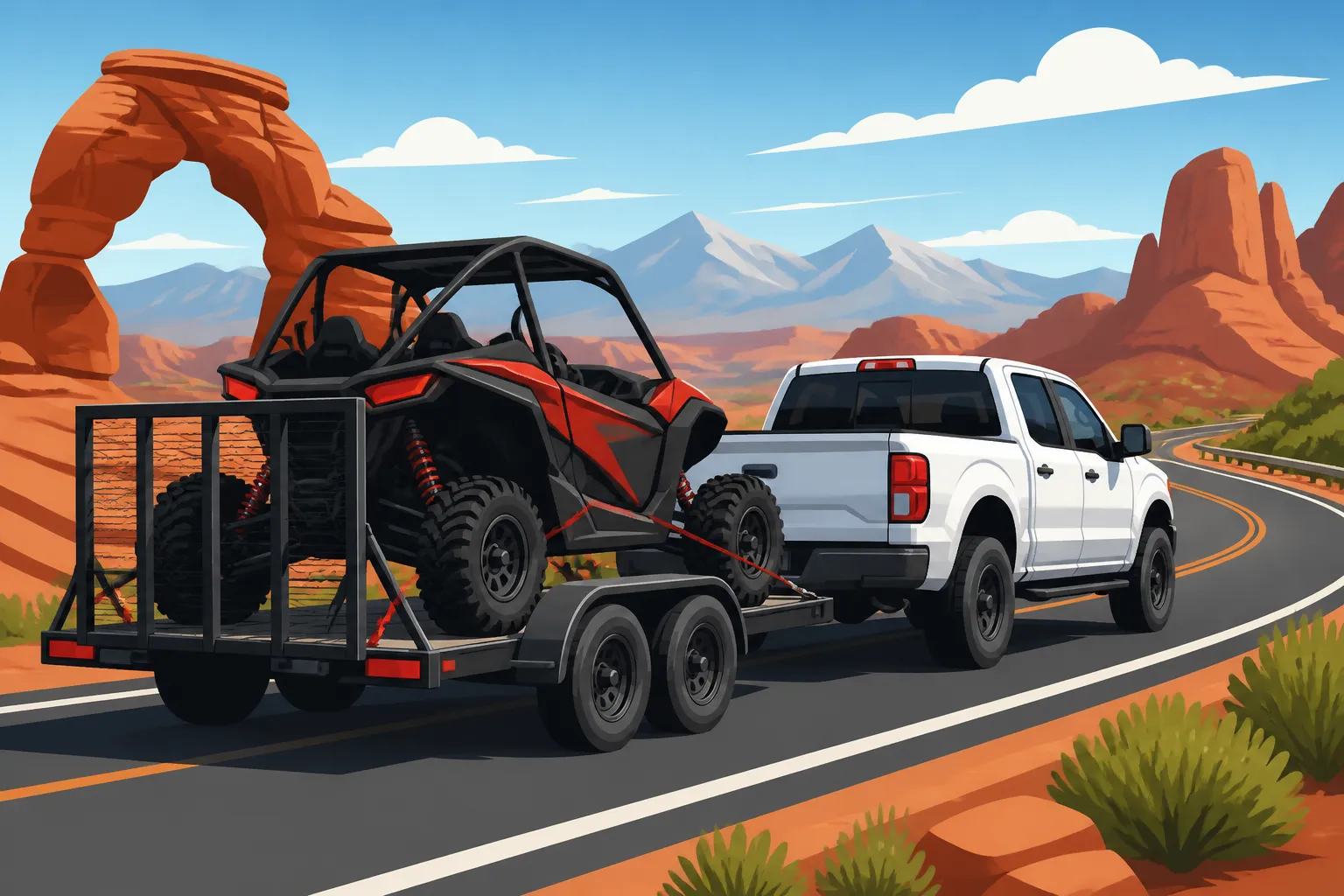
You've finally gotten your side-by-side or ATV street-legal in Utah, opening up a whole new world of possibilities. But then the question hits: can you actually tow a trailer with it on public roads? It’s a common point of confusion, and frankly, a crucial one, because the last thing you want is to be pulled over or, worse, cause an accident because you didn't understand the rules. This comprehensive guide will walk you through everything you need to know about legally and safely towing a trailer with your street-legal off-highway vehicle (OHV) on Utah roads, helping you unlock even more utility from your machine.
Is It Even Legal? Understanding Utah's Framework for Towing with OHVs
The ability to tow a trailer with your ATV or UTV on Utah's public roads isn't just about having a hitch; it's rooted in the very act of making your machine street-legal in the first place. Without that foundational step, any towing on a public road, even just to cross to a trail, is generally a no-go. This section breaks down the legalities and limitations you need to be aware of.
The Street-Legal Prerequisite and Basic Regulations
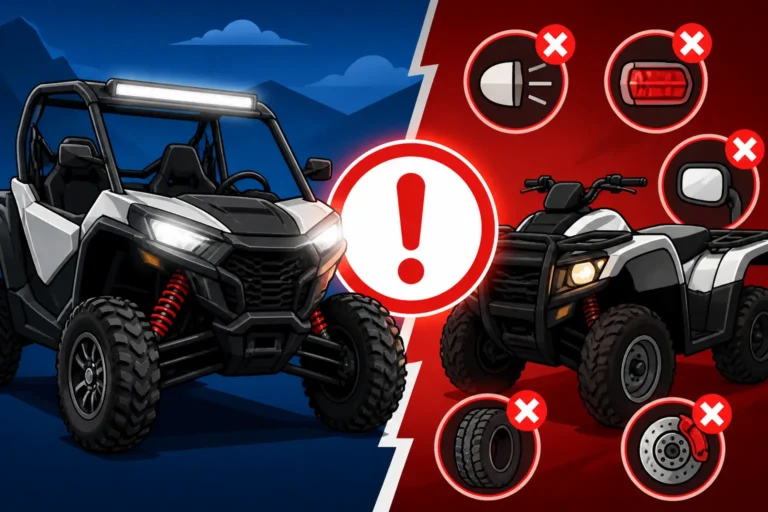
First and foremost, your ATV or UTV must be properly registered and equipped for street-legal use in Utah. This isn't just a suggestion; it's the fundamental gateway to being able to tow on any public road. Think about it: a vehicle that's not considered street-legal itself can't legally pull anything on the road. So, if you're still pondering the process, start by understanding [Making a UTV Street Legal in Utah]. Once your OHV meets all the requirements – headlights, tail lights, turn signals, mirrors, a horn, and a license plate – it then operates under many of the same rules as a regular motor vehicle when it comes to towing.
Utah law generally permits properly registered vehicles to tow trailers, provided both the towing vehicle and the trailer comply with specific equipment and safety regulations. For an OHV, this means that once it's road-ready, it essentially gains the privilege to tow, much like a small truck or car. However, this doesn't mean all rules are identical; there are specific considerations for the size and power of an OHV that you won't encounter with a full-size pickup. Always remember that your street-legal status grants you access to the road, and with that comes the responsibility to adhere to all traffic laws, including those pertaining to towing.
Deciphering Weight Limits: Your OHV's Capacity and Your Trailer's Load
This is arguably the most critical aspect of safe and legal towing with an OHV: understanding and respecting weight limits. Every ATV and UTV has a specified towing capacity, usually found in your owner's manual. This figure is not a suggestion; it's a hard limit set by the manufacturer based on the vehicle's engine power, frame strength, braking capability, and suspension design. Exceeding this Gross Trailer Weight (GTW) can lead to serious safety hazards, including loss of control, premature brake wear, and even structural damage to your OHV.
Beyond the overall trailer weight, you also need to consider tongue weight – the downward force the trailer's tongue exerts on your OHV's hitch. Too little tongue weight can make the trailer sway dangerously, while too much can overload your OHV's rear suspension and compromise steering. Manufacturers typically recommend a tongue weight that's 10-15% of the total trailer weight. Lastly, don't forget your OHV's Gross Combined Weight Rating (GCWR), which is the maximum allowable weight of your fully loaded OHV plus the fully loaded trailer. This total weight ensures your machine can stop, accelerate, and handle safely. Always check your specific model's manual for these critical figures before you even think about hooking up a trailer.
Essential Trailer Equipment Utah Requires
Just as your street-legal OHV needs certain equipment to be road-ready, any trailer you tow on Utah roads must also meet specific requirements. These are in place to ensure visibility and safe operation for everyone on the road. The list includes proper lighting, safety chains, and potentially brakes, depending on the trailer's weight. Neglecting any of these can lead to fines, citations, or even more serious consequences if an accident occurs.
Every trailer must have functioning tail lights, brake lights, and turn signals that synchronize with your OHV's signals. This is non-negotiable for safe towing, especially if you're driving at night or in low visibility. Ensuring your [License Plate Lights and Mounting in Utah] are working on your trailer's plate is also part of the deal. Additionally, two independent safety chains are required, securely connecting the trailer's tongue to your OHV's frame or hitch receiver, designed to prevent the trailer from detaching completely if the primary hitch fails. Finally, if your trailer weighs more than 1,500 pounds, Utah law generally requires it to be equipped with its own braking system, ensuring adequate stopping power for the combined unit.
Getting Hitched: Selecting the Right Towing Setup
Once you understand the legal landscape, the next step is ensuring you have the right physical setup for towing. This isn't a one-size-fits-all situation; your OHV, the type of trailer you're towing, and the weight involved will all dictate the specific components you need. Getting this right is crucial for both safety and performance.
Choosing the Correct Hitch and Ball Mount for Your Machine
Your OHV probably came with a receiver hitch, but the size and rating of that hitch are paramount. Most UTVs have a 2-inch receiver, common for automotive applications, while some ATVs might have a smaller 1.25-inch receiver or a fixed ball mount. Always use a ball mount that matches your receiver size and is rated for the weight you intend to tow. The ball mount inserts into the receiver, and then the hitch ball attaches to the ball mount. Hitch balls come in various sizes (e.g., 1-7/8 inch, 2 inch, 2-5/16 inch), and it's absolutely critical that the hitch ball's diameter matches the size of your trailer's coupler. A mismatch here is a recipe for disaster on the road.
When selecting your hitch components, consider quality and ratings. Many riders turn to aftermarket solutions, with companies like SuperATV offering a range of heavy-duty hitches and wiring kits designed specifically for UTVs that might exceed factory specifications. Always ensure your chosen hitch, ball mount, and hitch ball are all rated for at least the maximum weight of your loaded trailer, and ideally, slightly above for an added margin of safety. Remember, a chain is only as strong as its weakest link, and your towing setup is no different.
Trailer Brakes: When They're More Than an Option
Trailer brakes are one of those features that many OHV owners might overlook, assuming their UTV or ATV can handle the stopping power. However, Utah law is clear: if your trailer weighs more than 1,500 pounds, it must have its own functional braking system. This is a critical safety measure because relying solely on your OHV's brakes to stop a heavy trailer can drastically increase stopping distances, leading to loss of control, overheating of your OHV's brakes, and potential accidents.
Trailer brakes come in various forms, including electric brakes, which are activated by a controller in your tow vehicle, or surge brakes, which engage automatically as the trailer pushes against the tow vehicle when it slows down. For OHV towing, especially with smaller machines, an electric brake controller might be difficult to integrate. Surge brakes are often simpler for lighter-duty applications, as they don't require electrical connections to the OHV's brake system. Regardless of the type, ensure the brakes are regularly inspected and maintained. If your trailer approaches or exceeds the 1,500-pound threshold, this isn't an accessory; it's a legal and safety necessity. Remember, even with light trailers, having extra stopping power is always a good idea, as [Utah Brake Rules Beyond the Parking Brake] apply to the whole vehicle combination.
Wiring Up: Ensuring All Your Lights Work Flawlessly
Having all your trailer lights functioning correctly is not just about compliance; it's paramount for visibility and communication with other drivers. Utah requires trailers to have tail lights, brake lights, and [Turn Signals on a Street-Legal Utah UTV] that mirror your OHV's signals. This means you'll need a wiring harness that connects to your OHV's electrical system and provides power to the trailer's lights. Most modern UTVs and some ATVs are equipped with a factory wiring harness or a connector that makes this relatively straightforward.
However, if your OHV doesn't have a dedicated trailer light plug, or if you're dealing with an older model, you might need to install an aftermarket wiring kit. These kits typically tap into your OHV's existing tail light and turn signal wiring, often using a converter box to ensure proper signal output to the trailer. Companies like SuperATV often offer plug-and-play wiring harnesses that simplify this process for popular UTV models. Always test all your lights – running lights, brake lights, and both left and right turn signals – before every trip. A faulty light can lead to a roadside stop and a citation, or worse, make your intentions unclear to other drivers, increasing accident risk.
Mastering the Road: Safe Towing Practices for OHV Owners
Towing a trailer significantly changes the dynamics of any vehicle, and an ATV or UTV is no exception. Due to their lighter weight, shorter wheelbase, and different suspension characteristics compared to a truck, towing with an OHV requires extra caution and a modified driving approach. Safety should always be your top priority.
The Pre-Tow Inspection: Don't Skip This Step
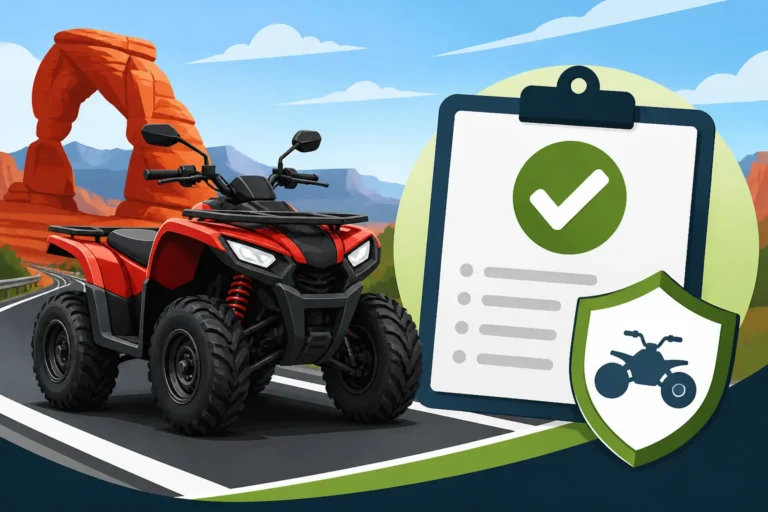
Before you even pull out of your driveway, a thorough pre-tow inspection is non-negotiable. This quick check can prevent major headaches, breakdowns, or even accidents down the road. It ensures that everything is securely connected, properly functioning, and ready for the rigors of the road. Make it a routine, every single time.
Here’s a quick checklist to run through:
| Component | Checkpoint | Status (Y/N/NA) |
|---|---|---|
| Hitch & Coupler | Securely latched, pin inserted | |
| Hitch Ball | Correct size, tight on ball mount | |
| Safety Chains | Crossed under tongue, securely attached to OHV frame | |
| Electrical | All trailer lights (tail, brake, turn) working | |
| Tires (OHV) | Proper inflation, good tread | |
| Tires (Trailer) | Proper inflation, good tread, no visible damage | |
| Wheel Lugs | All lug nuts tight on trailer | |
| Load | Secured, balanced, within weight limits | |
| Brakes (Trailer) | Functioning if required (over 1,500 lbs GTW) | |
| Fluids (OHV) | Engine oil, coolant levels good |
This quick five-minute check can make all the difference. Beyond these items, also check your OHV's tires for proper inflation, as towing can put additional strain on them. Remember, a properly maintained and inspected setup is the foundation of a safe towing experience.
Driving Safely with a Trailer: It's a Different Ballgame
Driving with a trailer, especially with an OHV, requires a significant adjustment to your driving style. Your combined unit is longer, heavier, and less nimble than your standalone OHV. This means you need to anticipate situations further in advance, allow for more stopping distance, and be mindful of your turning radius. You're responsible for the entire length of your vehicle and trailer, so always be aware of your tail swing and the trailer's position in relation to curbs, other vehicles, and obstacles.
Increase your following distance significantly, especially on highways or in stop-and-go traffic. Hard braking with a trailer, particularly without trailer brakes, can cause instability and even jackknifing. When turning, take wider turns to ensure the trailer clears obstacles and doesn't cut corners. Acceleration will be slower, and climbing hills will put more strain on your engine. Downshift early on descents to use engine braking, helping to save your OHV's brakes and maintain control. Be particularly cautious when driving on windy days, as a large trailer can act like a sail, making your OHV more susceptible to crosswinds. Paying attention to your surroundings and the behavior of your trailer, even at lower speeds, is critical for safety.
Securing Your Cargo: The Key to a Stress-Free Journey
It sounds simple, but a poorly secured load is one of the most common causes of towing accidents. Items shifting in the trailer can change the tongue weight, cause the trailer to sway uncontrollably, or even fly out and create a hazard for other drivers. Whether you're hauling firewood, camping gear, or tools, everything inside or on your trailer must be secured properly.
Use appropriate tie-downs – ratchet straps are generally superior to bungee cords for heavy loads – and ensure they are tightly cinched down. If you're using an open utility trailer, consider a cargo net or a tarp to prevent smaller items from blowing out. For enclosed trailers, make sure items inside are blocked or tied down to prevent them from moving during transit. Balance your load as much as possible; placing heavier items over or slightly forward of the trailer's axle helps maintain proper tongue weight and stability. Unevenly distributed weight can lead to dangerous sway, making your trailer difficult to control. A quick check after a few miles of driving to ensure everything is still tight is always a good practice.
Beyond the Trail: Practical Applications for Your Tow-Ready OHV
Having a street-legal OHV capable of towing opens up a surprising number of practical uses beyond just hitting the dirt. From simplifying your trail adventures to helping with everyday chores, the ability to tow a trailer expands the utility of your machine considerably.
Hauling Gear to Remote Trailheads or Campsites
One of the most obvious benefits of a tow-capable street-legal OHV is the ability to haul extra gear to those hard-to-reach trailheads or remote campsites. Imagine being able to load up a small utility trailer with tents, coolers, extra fuel, and all your overnight essentials, then legally driving your UTV right to the starting point of your adventure without needing a separate truck. This is especially useful for extended trips where you need more than what your OHV's cargo rack can hold.
For many outdoor enthusiasts, this capability transforms the UTV into a legitimate adventure vehicle. You can bring more comforts, better tools, or even extra recovery gear, knowing you have the means to transport it all legally on the paved roads leading to the wilderness. This also means you can often avoid the hassle of trailering your OHV itself on busy highways, opting instead for a leisurely ride to your destination with your smaller trailer in tow. This flexibility enhances the entire outdoor experience, allowing you to access more remote locations with greater ease.
Running Errands and Handling Light Utility Tasks
While you might not be doing your weekly grocery run with a UTV and trailer, for many rural residents or those with property, a street-legal OHV with towing capabilities can be incredibly handy for light utility tasks and local errands. Need to pick up a few bags of mulch from the garden center just down the road? Or perhaps transport some tools to a neighbor's property? A small utility trailer behind your UTV can handle these tasks efficiently and economically.
This is where the versatility of your street-legal machine truly shines. Instead of firing up a full-size truck for a small job, you can use your OHV, which is often more maneuverable and fuel-efficient for short hauls. It's perfect for moving brush around your property, taking trash to a local transfer station, or even helping out with community events where a larger vehicle might be overkill. Many companies, including SuperATV, offer specialized accessories like cargo beds and utility trailers designed to integrate seamlessly with your OHV, further expanding its practical applications.
Agricultural and Commercial Use Cases
For farmers, ranchers, and those in certain commercial industries, a street-legal UTV that can tow a trailer can be an invaluable asset. While primarily designed for off-road work, the ability to legally traverse public roads with a trailer bridges the gap between different parts of a property or allows for short-distance transport of goods and equipment without needing dedicated farm machinery or a commercial truck. This can be particularly useful in areas where fields or pastures are separated by public roads.
Utah law offers certain [Farm and Ranch Exemptions in Utah OHV Law] that might apply, but for general commercial or farm use on public roads, the street-legal status and proper trailer setup are essential. Imagine moving feed across a county road to another pasture, transporting fencing materials to a remote section of the farm, or even making quick deliveries of small items for a local business. The maneuverability of a UTV combined with its towing capacity, all while being street-legal, provides a flexible and cost-effective solution for a range of tasks that require both on-road and off-road capability.
Avoiding Headaches: Common Mistakes and How to Prevent Them
Even with the best intentions, it's easy to make mistakes when towing, especially if you're new to it or if you're towing with a less conventional vehicle like an OHV. Understanding these common pitfalls and how to prevent them can save you from inconvenient breakdowns, costly repairs, or even dangerous accidents.
The Dangers of Overloading: Why It's Never Worth It
Overloading your OHV or your trailer is perhaps the most dangerous and common mistake in towing. It might seem like a small amount, but exceeding your OHV's towing capacity or the trailer's Gross Vehicle Weight Rating (GVWR) puts undue stress on every component: engine, transmission, brakes, suspension, and tires. The consequences can range from accelerated wear and tear to catastrophic failure.
An overloaded OHV will struggle to accelerate, making merging into traffic hazardous. Its brakes will be less effective, drastically increasing stopping distances, especially on downhill grades, leading to potential brake fade and loss of control. The suspension can sag, affecting handling and stability, and the tires can overheat and blow out. Furthermore, a significantly overloaded trailer is more prone to sway, which can lead to jackknifing and loss of control of the entire rig. Always consult your owner's manuals for both your OHV and your trailer, and use a scale if you're unsure about the weight of your load. It's never worth risking safety and expensive damage to save a few trips or carry a little extra.
Trailer Registration and Licensing: Don't Get Caught Unprepared
Just like your OHV needs proper registration to be street-legal, any trailer you tow on Utah's public roads also needs to be legally registered and display a valid license plate. This is a detail that many OHV owners, especially those new to towing, tend to overlook or assume isn't necessary for a small utility trailer. However, an unregistered trailer is a sure way to get pulled over and cited.
The specific requirements for trailer registration, including fees and necessary documentation, vary slightly depending on the type and weight of the trailer. Generally, you'll need proof of ownership (like a title or bill of sale) and possibly an inspection for homemade or out-of-state trailers. Always ensure your trailer's plate is visible and properly illuminated, especially when driving at night. Don't fall into the trap of thinking a small, single-axle trailer is exempt; if it's on a public road, it needs to be legal. For more details, you might want to look into [Trailer Registration Utah ATV Owners Forget] to ensure you're fully compliant.
Insurance and Liability: Protecting Yourself and Your Investment
When you're towing a trailer with your street-legal OHV, the question of insurance and liability becomes even more complex. While your OHV's liability insurance for street-legal use generally extends to cover any damage you might cause to another vehicle or property while towing, coverage for the trailer itself, or for any cargo in the trailer, is often a separate matter.
Many standard OHV insurance policies might not automatically cover physical damage to a non-motorized trailer, or the contents within it, in the event of an accident, theft, or fire. You might need to add a specific endorsement to your existing policy, or even obtain a separate policy for your trailer, especially if it's valuable or carries expensive cargo. Discuss your towing intentions with your insurance provider to understand your coverage limits and identify any gaps. You want to ensure you're fully protected for both liability and physical damage to your equipment. An accident involving a trailer can compound the costs significantly, so understanding [Insurance for a Street-Legal Machine in Utah] and how it applies to towing is crucial.
Disclaimer
This article is for general informational purposes only and does not constitute professional advice. Laws, prices and regulations vary by location and change over time. Consult a qualified professional for guidance on your specific situation.