Riding a 50 mph Machine on a 55 mph Road
It's incredibly frustrating to go through all the effort to make your ATV or UTV street-legal in Utah, only to hit the road and realize you're barely keeping up—or worse, falling behind—the posted speed limit. Many riders get their machine ready for asphalt, thinking they're good to go, only to find themselves nervously watching their speedometer hover around 50 mph on a road where cars are cruising at 55 mph or even faster. This guide is going to walk you through exactly what Utah law says about this common dilemma, the practical realities of riding a slightly slower machine on faster roads, and what you can do to navigate these situations safely and legally.
Understanding Utah's Speed Limits for Street-Legal OHVs
When you finally get that street-legal plate on your side-by-side or ATV, it opens up a world of possibilities, connecting trails and allowing you to explore more freely. But the freedom comes with responsibility, and that includes understanding the speed rules. Utah has specific provisions that govern how fast—and how slow—your OHV can travel on public roads, especially when there's a discrepancy between your machine's top speed and the posted limit.
The "50 mph" Rule and Its Nuances
Utah law does indeed set a general expectation for street-legal OHVs. Your machine must be capable of maintaining a speed of at least 50 miles per hour on a paved highway. This isn't just an arbitrary number; it's designed to ensure that OHVs can reasonably integrate with standard traffic flow without causing significant disruption or creating unsafe conditions. The idea is that if your machine can't comfortably hit 50 mph, it might become a hazard on roads where other vehicles are moving much faster.
However, being capable of 50 mph is one thing; actually maintaining it under all conditions, especially if your machine's top end is right at that mark, is another. Factors like elevation changes, passenger weight, cargo, wind resistance, and even your machine's state of tune can impact its actual road speed. So, while your owner's manual might state a top speed of 50 mph, the real-world experience on a 55 mph highway might be different. You might find yourself pushing the engine to its absolute limit, which isn't fun, safe, or good for your machine. This is a crucial distinction that often catches riders off guard.
Impeding Traffic: More Than Just a Fine
Beyond the specific 50 mph capability, Utah law—like most states—also has provisions against "impeding traffic." This is where many street-legal OHV riders find themselves in a tricky spot. Even if your machine can do 50 mph, if you're consistently holding up a line of cars on a 55 mph road, you could still be cited for impeding traffic. Law enforcement officers have discretion in these situations, and their primary concern is usually safety and maintaining smooth traffic flow.
Imagine you're on a two-lane highway, the speed limit is 55 mph, and you're doing your best to maintain 50 mph. You've got five cars lined up behind you, all wanting to go faster. This isn't just annoying for other drivers; it creates dangerous passing situations and can lead to road rage incidents. The expectation is that you operate your vehicle in a manner consistent with other traffic on the road, meaning you shouldn't be significantly slower than the prevailing speed, even if you're technically "doing the speed limit" for your machine's class. It’s a fine line to walk, and it’s why many riders choose routes with lower speed limits or multiple lanes when possible. You might find yourself asking [What Utah's 50 mph Limit Means for Riders] when planning your trips.
The Practical Realities of Riding Slower on Faster Roads
It's one thing to read the law, and another to actually experience it on the road. Riding a street-legal OHV that's near its top speed on a road with a higher posted limit presents several practical challenges and safety considerations that go beyond just avoiding a ticket.
Safety Concerns When You're the Slowest Vehicle
Being the slowest vehicle on the road is inherently more dangerous. Other drivers often don't expect a machine like an ATV or UTV to be on the highway, and they certainly don't expect it to be traveling significantly slower than them. This can lead to:
- Rear-End Collisions: The most obvious risk. Drivers might misjudge your speed, especially if they're distracted or assume you're moving at the posted limit. A sudden slowdown or difference in acceleration can catch them off guard.
- Aggressive Driving: Frustrated drivers behind you might make risky passes, often crossing double yellow lines or cutting it too close. This isn't just dangerous for them; it puts you at risk of a head-on collision or being forced off the road.
- Reduced Reaction Time: If you encounter unexpected hazards like debris, potholes, or wildlife, other drivers behind you have less time to react to your braking if they're already following too closely or misjudging your speed.
It’s not a comfortable feeling to constantly watch your mirrors, anticipating how every car approaching from behind will react. When planning your route, consider [Highway Speed Limits a Street-Legal ATV Must Respect] to choose roads that are more appropriate for your machine's capabilities.
Rider Comfort and Machine Strain
Pushing your ATV or UTV to its maximum speed for extended periods isn't just about legality; it's also about rider comfort and the longevity of your machine.
- Engine Strain: Running an engine at or near redline for long stretches generates more heat, increases wear and tear on components, and can reduce fuel efficiency. While modern OHVs are robust, they aren't designed for sustained high-speed highway cruising in the same way a car is.
- Noise and Vibrations: At top speed, many OHVs become significantly louder and produce more vibrations. This can lead to rider fatigue, making a short trip feel much longer and more taxing. Conversation with passengers becomes difficult, and the overall enjoyment of the ride diminishes.
- Handling Characteristics: Some OHVs can feel less stable or responsive when pushed to their absolute limits, especially if they have aggressive off-road tires that aren't optimized for asphalt. Crosswinds or uneven pavement can become more pronounced, requiring greater concentration to maintain control.
It's a balance between getting to your destination and ensuring your machine and yourself are in good shape for the trails. You need to be mindful of [Speedometers and Night Riding in Utah] to accurately gauge your speed and ensure you're not overstressing your machine.
Navigating Different Road Scenarios and Planning Your Routes
Since riding a 50 mph machine on a 55 mph road isn't ideal, strategic route planning and careful execution become essential for a street-legal OHV owner in Utah. It's about making smart choices to ensure a safe and enjoyable experience.
Choosing Your Roads Wisely
The most effective way to deal with the speed differential is to avoid it altogether when possible. This means being very intentional about the roads you choose to travel on.
- Prioritize Lower Speed Limit Roads: Seek out county roads, state routes, or back roads with posted speed limits of 45 mph or less. These roads are typically more suitable for the top speed of many street-legal OHVs and allow you to blend in with traffic more comfortably. Often, these routes are also more scenic and less congested, enhancing the overall riding experience. Many towns, like Moab, have specific [Moab's Speed Limit for OHVs on City Streets] that are favorable to OHV travel.
- Avoid Major Highways and Interstates: While street-legal OHVs can technically use some highways, the reality is that the higher speed limits (often 65+ mph) and heavy traffic make them a poor choice for a machine topping out at 50 mph. Not only is it dangerous due to the speed differential, but it's also incredibly stressful for the rider and puts undue strain on the machine. Remember, [Interstates, Freeways and Utah OHV Law] generally restrict OHV access.
- Utilize Shoulders When Safe and Legal: On some roads, if the shoulder is paved, wide, and free of debris, you might be able to ride it if local ordinances permit, to allow faster traffic to pass more easily. However, this is highly dependent on location and specific road conditions, and it's not a universal solution. Always check local regulations before attempting this, as it can be illegal or dangerous in many areas.
Using a good GPS app that allows you to specify "avoid highways" or "prefer scenic routes" can be invaluable here. Before you leave, consult a detailed map of your area to plot out a course that maximizes your trail time and minimizes your discomfort on higher-speed roads.
Strategic Riding Practices
Even on the "right" roads, smart riding habits are key when your machine has a lower top speed.
- Ride Defensively: Always assume other drivers don't see you or might misjudge your speed. Be extra vigilant about checking your mirrors, signaling clearly, and leaving plenty of space between you and the vehicle in front. If you see traffic building behind you, and there's a safe pull-off, consider briefly pulling over to let them pass.
- Travel During Off-Peak Hours: If you absolutely must use a road with a slightly higher speed limit, try to do so during times when traffic is lighter. Early mornings, late evenings, or weekdays outside of rush hour can offer a more relaxed experience with fewer vehicles wanting to pass. This lessens the "impeding traffic" pressure significantly.
- Maintain Your Machine: Keeping your OHV in top operating condition is always important, but especially so when you're relying on its full performance potential. Regularly check tire pressure, engine fluids, brakes, and lights. A well-maintained machine will perform better and be more reliable at its top speeds. Investing in quality components, like those from SuperATV, can also contribute to consistent performance and reliability on the road.
Remember, the goal of making your OHV street-legal is to enhance your access to trails, not to turn it into a highway cruiser. By being smart about your routes and your riding habits, you can enjoy the best of both worlds. For more details on what you need to ensure your machine is road-ready, check out [Utah Street-Legal ATV Equipment Requirements].
Enhancing Your OHV for Road Use and Safety
While no modification will turn your 50 mph machine into a highway speedster, certain upgrades and considerations can make road travel safer, more comfortable, and more efficient, especially when you're riding close to your machine's limits.
Optimizing Performance for the Road
Even small gains in road performance can make a big difference when you're riding on the edge of your machine's speed capabilities.
- Tire Choice: Your aggressive mud or rock-crawling tires might be fantastic on the trail, but they can be a hindrance on pavement. Tires with a smoother tread pattern and a higher speed rating will offer less rolling resistance, better handling, and a more comfortable ride on asphalt. While a full switch might not be practical, understanding the trade-offs is important. When considering [Tire Rules for Street-Legal Machines], remember that road-specific tires can improve your road performance.
- Gearing Adjustments: For some models, it's possible to change the gearing (e.g., primary clutch springs, secondary helix, or even sprocket sizes on chain-driven ATVs) to optimize for higher top-end speed, though this often comes at the expense of low-end torque. This is a more involved modification and should only be done by those who understand the impact on overall performance. A product like a SuperATV geared portal lift, while primarily for ground clearance, might also influence gear ratios, so it's something to discuss with experts if you're looking at significant drivetrain modifications.
- Regular Maintenance and Tune-Ups: A well-tuned engine performs at its peak. Ensure your air filter is clean, spark plugs are fresh, and fuel system is running optimally. These basic maintenance items can collectively contribute to maximum power output, which translates to achieving and maintaining your machine's top speed more easily. A clean, well-running engine is less likely to strain when pushed.
These considerations aren't about breaking the sound barrier, but about ensuring your machine can reliably hit its capable 50 mph when needed, without feeling like you're torturing it.
Visibility and Safety Enhancements
Beyond speed, being seen and being able to see are paramount when sharing the road with faster, larger vehicles.
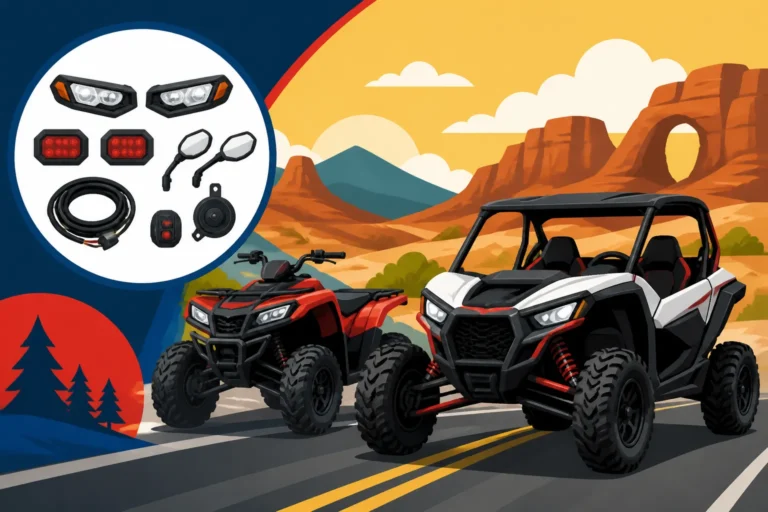
- Lighting Upgrades: Ensure your headlights, tail lights, and turn signals are all in perfect working order and are bright enough to be seen in all conditions. Consider adding auxiliary LED lights for increased visibility, especially during dawn, dusk, or in inclement weather. [Headlights and Tail Lamps Utah Requires] are a minimum, but more visibility is always better. A high-quality light bar from a brand like SuperATV can significantly improve your presence on the road.
- Mirrors: Utah law requires mirrors on both sides of your street-legal OHV. Good quality, vibration-free mirrors are essential for keeping track of traffic behind you. Regularly check and adjust them for optimal viewing. You don't want to be constantly straining to see who's approaching.
- Whip Flags and Reflectors: While often associated with dune riding, a bright whip flag can actually increase your visibility on open roads, making your machine appear taller and easier to spot for other drivers. Additional reflective tape on the sides and rear of your OHV can also help, especially at night. Every little bit of extra visibility helps reduce the risk of an accident.
Ultimately, while Utah law allows street-legal OHVs on many roads, it's up to you, the rider, to exercise caution and make informed decisions about where and how you ride. Prioritizing safety, understanding your machine's limitations, and preparing it appropriately will lead to a much more enjoyable and worry-free experience on Utah's diverse roads. Don't forget to have all your [What Paperwork Utah Riders Must Carry] with you at all times.
| Scenario | Posted Speed Limit | Your OHV's Top Speed | Legal Status (General) | Practical Considerations | Safety Tips |
|---|---|---|---|---|---|
| Ideal Match | 45 mph | 50 mph | Legal & Optimal | Comfortable cruising, blends with traffic. | Minimal specific concerns beyond general road safety. |
| Borderline | 55 mph | 50 mph | Legal (if you maintain 50) | Risk of impeding traffic, engine strain, rider fatigue. | Use lower-speed alternate routes, ride defensively, be prepared to pull over. |
| Challenging | 65 mph | 50 mph | Technically Legal (if OHV is capable of 50) | High risk of impeding traffic, dangerous speed differential, not recommended. | Avoid these roads. If unavoidable, travel during very low traffic times with extreme caution. |
| City Streets | 25-35 mph | 50 mph | Legal & Generally Safe | Easy to maintain speed, good visibility. | Watch for pedestrians, parked cars, and sudden stops. |
Disclaimer
This article is for general informational purposes only and does not constitute professional advice. Laws, prices and regulations vary by location and change over time. Consult a qualified professional for guidance on your specific situation.