Open Containers in a Side-by-Side
It's a beautiful sunny day in Utah, and you've just finished a fantastic ride out on the trails. You're heading back to camp or maybe just chilling out, and the thought of cracking open a cold one might cross your mind. But hold on a minute – what exactly are the rules about open containers in your side-by-side or ATV, especially when you're not on your private property? This question can cause a lot of confusion and lead to hefty fines if you get it wrong. This guide will meticulously break down Utah's laws regarding open containers in off-highway vehicles, helping you understand the nuances and stay on the right side of the law while enjoying our incredible state.
Understanding Utah's Open Container Laws for OHVs
Utah has some of the strictest alcohol laws in the nation, and those rules definitely extend to anyone operating an off-highway vehicle (OHV). The core principle is pretty straightforward: if you're driving or in actual physical control of a motor vehicle on a public highway, road, or designated trail, you generally cannot have an open container of an alcoholic beverage. This isn't just about drinking while driving; it's about the mere presence of an open container in the cabin of your side-by-side or even on the rack of your ATV.
It’s easy to think that trail riding is different from driving on the interstate, but when it comes to open container laws, the distinction often blurs, especially on public lands and designated OHV routes. Many of the trails we love to ride are considered public ways, and some are even classified as "highways" in the legal sense, even if they're just dirt. So, that cold can in your cup holder, even if you haven't touched it, could be a problem. This is a common frustration for riders who just want to relax after a long day, but the law is pretty clear about keeping alcohol secured and out of reach until you're truly at your destination and not operating the machine.
What Constitutes an "Open Container"?
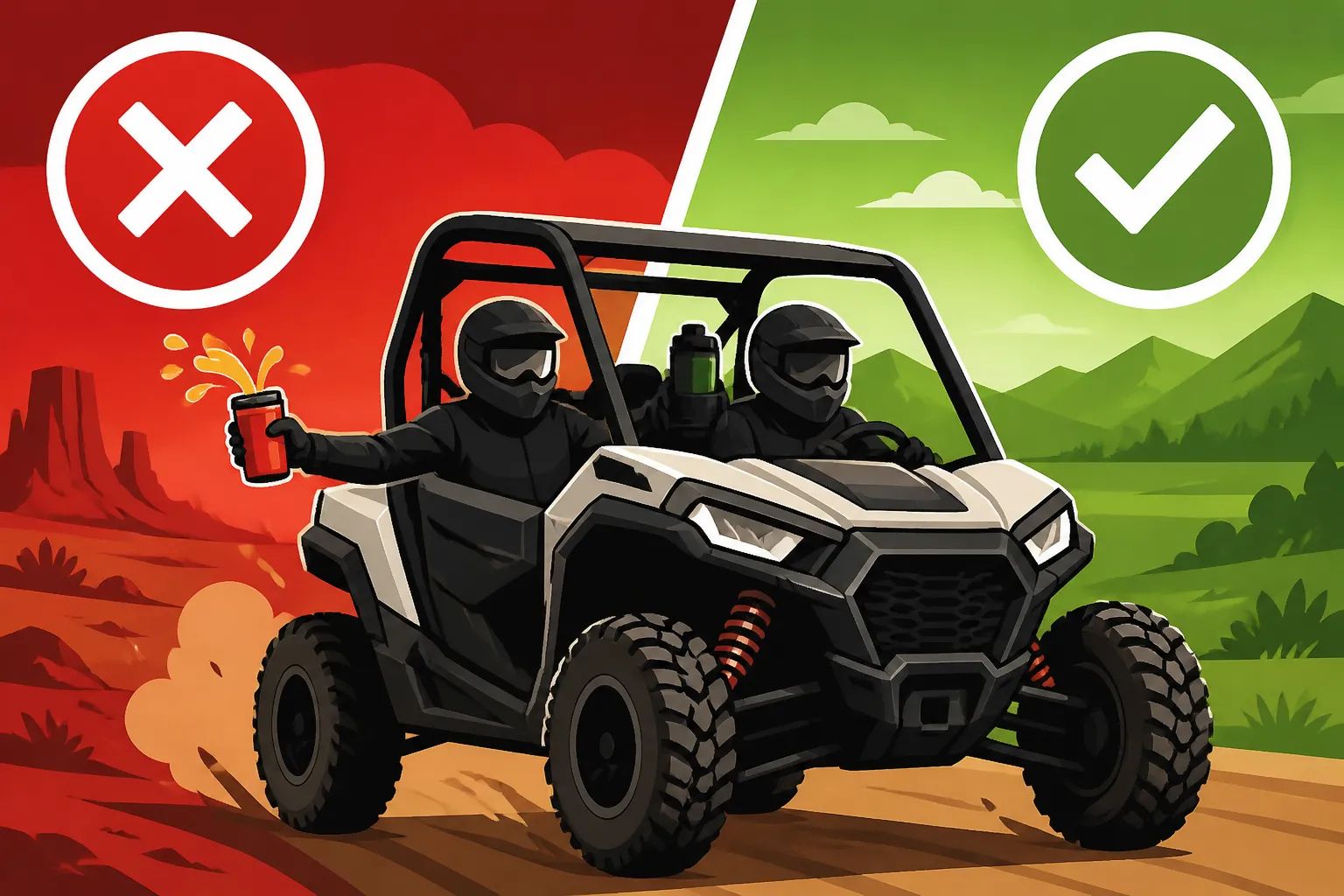
This is where some riders get tripped up, thinking "open" means actively drinking. In Utah, an open container means any container that has been opened, has a broken seal, or from which the contents have been partially removed. This isn't just about beer cans or liquor bottles; it can include wine bottles with the cork re-inserted or even a flask that has been opened. The intent doesn't matter as much as the condition of the container. If that seal is broken, it's considered open.
Consider a scenario: you stop for lunch on a remote section of the [Paiute ATV Trail] and decide to have a non-alcoholic beverage. Beside it, you have a cooler. Later, a ranger pulls up for a routine check, and they spot a beer can that's been popped open, even if it's half full and you swear you were going to save it for later. In the eyes of the law, that's an open container in your vehicle, and you could be facing a citation. The safest bet is to keep all alcoholic beverages in their original, sealed containers, stowed away where they are not readily accessible to anyone in the vehicle, especially the driver. Many riders use cargo boxes, like those offered by companies such as SuperATV, to keep all their gear, including sealed drinks, securely out of the way.
| Container Status | Definition | Legality in OHV (on Public Land/Road) |
|---|---|---|
| Sealed | Unopened, original seal intact, contents untouched. | Generally legal (if not accessible to driver) |
| Open | Seal broken, cap removed, partially consumed. | Illegal |
| Re-sealed | Previously opened, then re-sealed (e.g., corked wine bottle). | Illegal |
| Empty | Contents fully consumed, but container still in vehicle. | Technically legal, but can lead to questions |
| Accessible | Within reach of the driver/passengers, even if sealed. | Risky; best to be out of reach |
The Difference Between Public and Private Land
One of the biggest areas of confusion revolves around where these laws apply. If you’re riding exclusively on private land that you own or have explicit permission to use, and that land is not accessible to the public, the state's open container laws may not apply in the same way they do on public roads and trails. However, this is a very narrow exception, and other laws, such as those against driving under the influence (DUI), still absolutely apply. You can still be charged with a DUI even on private property if you are operating a vehicle and are impaired.
Many riders assume that because they're "off-road," they're exempt from road rules. This simply isn't true for vast stretches of Utah's riding areas. State parks, national forests, BLM lands, and designated OHV trails are all considered public domain. Even crossing a public road to get to another section of trail can bring you under the jurisdiction of these laws. Imagine you're at an OHV-friendly campground, and you crack open a beer by your campfire. That's usually fine. But if you then get into your UTV, even just to drive 100 feet to the restroom, with that open container still in the cup holder, you could be cited. It’s a subtle but critical distinction that [What a Utah Trooper Checks at a Trailhead] often includes.
Consequences of Open Containers in an OHV
Getting caught with an open container in your side-by-side or ATV in Utah isn't just a slap on the wrist. It's typically a class C misdemeanor, which carries potential fines and can even lead to more serious legal troubles depending on the circumstances. Beyond the immediate financial penalty, there are other repercussions that can disrupt your riding plans and your peace of mind.
Think about the time and hassle involved: a traffic stop, explaining the situation, potentially receiving a citation, and then having to deal with court dates. It's not the relaxed day of riding you envisioned. Furthermore, if alcohol consumption is suspected, it can escalate to field sobriety tests and, potentially, a DUI charge, which is a much more severe offense with far-reaching consequences, including license suspension, mandatory alcohol education, and significantly higher fines. It's simply not worth the risk.
Fines and Legal Penalties
A Class C misdemeanor for an open container violation in Utah can result in fines that easily run into the hundreds of dollars, plus court costs and administrative fees. While it might not seem as serious as a DUI, having a misdemeanor on your record can still have implications for things like future employment or even insurance rates. It’s a preventable situation that can quickly dampen your enthusiasm for OHV recreation.
The penalties can also be compounded if there are other violations involved. For example, if you're found with an open container and are also riding an unregistered machine, you're looking at multiple citations. This is why understanding all the rules, from [How to Register an ATV or UTV in Utah] to alcohol laws, is so crucial. Troopers and rangers are out there to ensure safety, and an open container is a clear indicator of potential impairment or disregard for the law.
Impact on Your Driving Record and Future Riding
While an open container violation on its own might not directly impact your driver's license in the same way a moving violation does, it certainly doesn't look good on your record. More importantly, it can pave the way for more severe charges if any impairment is suspected. If it leads to a DUI, then your ability to drive any vehicle, including your OHV, will be severely restricted. Utah is very strict about impaired driving, and OHVs are not exempt from these rules.
A conviction can also affect how you are perceived by law enforcement in the future. Once you've had a citation for an alcohol-related offense, you might find yourself under closer scrutiny during subsequent interactions. This isn't to say you'll be targeted, but officers might be more inclined to investigate further if they stop you again. It’s much easier to just avoid the situation altogether by keeping all alcoholic beverages sealed and stored away, only consuming them when you are no longer operating your machine and are in a place where it's legal to do so.
Best Practices to Avoid Open Container Violations
Navigating Utah's OHV trails and roads should be about fun and adventure, not legal stress. Preventing open container violations is simple once you understand the rules and adopt a few best practices. It all comes down to responsible planning and being mindful of where you are and what you're doing.
For many riders, a day on the trails is a social event, often involving friends and family. It’s crucial that everyone in your group understands these rules, especially if you're [Planning a Three-Day Utah Riding Trip] where spirits might be high. Communicating these expectations upfront can prevent awkward situations or, worse, legal trouble for someone in your party. Remember, as the operator, you are ultimately responsible for what's happening in and around your machine.
Stowing Alcohol Legally
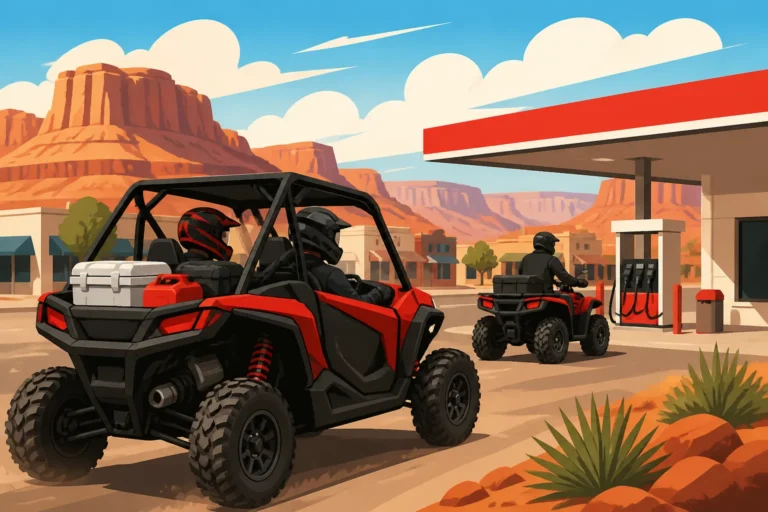
The key to avoiding an open container violation is to keep all alcoholic beverages in their original, sealed containers and stowed away from the passenger compartment. This means out of reach of anyone in the vehicle, ideally in a trunk, cargo box, or securely stored compartment that isn't easily accessible. The goal is to make it clear that no one intends to consume alcohol while the vehicle is being operated.
Many side-by-sides come with decent storage, but sometimes you need more. Aftermarket accessories, like those from SuperATV, can provide secure storage solutions that help you comply with these rules. Think about lockable cargo boxes or under-seat storage that keep items out of sight and out of mind until you reach your final destination. This separation is vital. If an officer sees a cooler full of sealed beer in the bed of your UTV, they're far less likely to suspect a violation than if they see a six-pack sitting on the passenger seat.
When and Where It's Safe to Consume Alcohol
The simplest rule of thumb is this: consume alcohol only when you are completely done riding for the day, your OHV is parked, and you are in a location where alcohol consumption is permitted. This usually means back at your campsite, a private residence, or a licensed establishment. Never, ever operate an OHV, street-legal or otherwise, after consuming alcohol. Utah's [DUI Rules on an ATV in Utah] are just as strict as those for cars.
Even if you're just enjoying a cold drink at your campsite, remember that noise ordinances and public intoxication laws still apply. Be respectful of other campers and park regulations. If you're riding through a town, perhaps on a street-legal conversion, remember that [Riding Main Street in Southern Utah Towns] means you're operating on a public road, and all open container laws for cars apply just the same. There's no special OHV exemption.
Other Alcohol-Related Laws to Keep in Mind
While open containers are a primary concern, Utah has other alcohol-related laws that OHV riders should be aware of. Ignorance of these laws is not an excuse, and understanding them can save you a lot of headaches, fines, and potentially even your riding privileges.
It's common for riders to focus on the fun aspect, but responsible recreation includes respecting all local and state regulations. This includes understanding the broader context of alcohol and vehicle operation, even when you’re not actively consuming. The goal is always to promote safe and enjoyable experiences for everyone on Utah's incredible trails.
Driving Under the Influence (DUI) on an OHV
This cannot be stressed enough: it is illegal and incredibly dangerous to operate an OHV under the influence of alcohol or drugs. This applies to all OHVs, whether on public land, designated trails, or even private property. A DUI on an ATV or UTV carries the same severe penalties as a DUI in a car, including heavy fines, jail time, loss of driving privileges, and mandatory substance abuse treatment.
The trails present their own unique challenges, and impaired judgment, slower reaction times, and reduced coordination can lead to serious accidents, not just for you but for others on the trail. [What a Street-Legal Kit Includes] in terms of safety equipment is important, but nothing replaces sober decision-making. If you plan to drink, make sure you have a designated driver, or better yet, don't plan to operate your machine at all after consuming alcohol.
Public Intoxication and Behavioral Laws
Even if you're not operating your OHV, being publicly intoxicated can still lead to legal issues. Utah law prohibits public intoxication, which means appearing in a public place under the influence of alcohol or drugs to the degree that you may endanger yourself or others, or annoy others. This isn't specific to OHV areas but applies wherever you might be, including campgrounds or staging areas.
Maintaining respectful and safe behavior is part of being a good trail user. While enjoying your time off the machine, remember that you're still in a shared space. Keeping alcohol sealed while riding, then enjoying it responsibly when parked, and always staying sober behind the wheel or handlebars, is the best way to ensure you have a fantastic, trouble-free time exploring Utah’s backcountry.
Disclaimer
This article is for general informational purposes only and does not constitute professional advice. Laws, prices and regulations vary by location and change over time. Consult a qualified professional for guidance on your specific situation.