Riding to a Trailhead From a Moab Motel
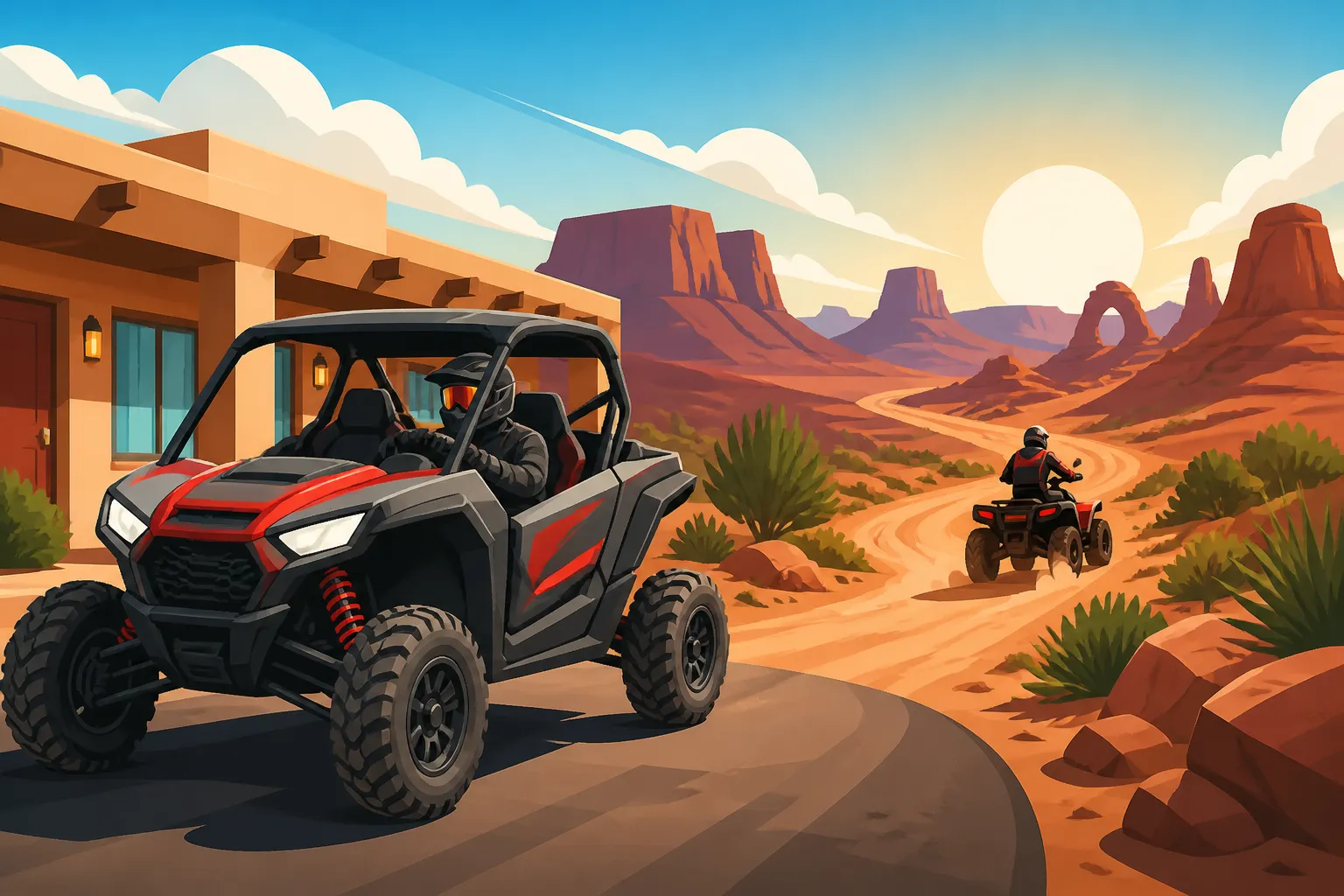
You've trailered your rig all the way to Moab, got it unloaded at your motel, and now you're itching to hit those famous red rocks. The last thing you want to do is load up the trailer again just to drive a mile down the road to an iconic trailhead like Hell's Revenge or the Fins and Things staging area. It's frustrating to think about all that extra work when your machine is perfectly capable of driving itself. Thankfully, with a properly converted and registered street-legal off-highway vehicle (OHV), you absolutely can enjoy the freedom of riding directly from your Moab motel to the vast network of incredible trails, and this guide will walk you through exactly how to do it smoothly and legally.
The Legal Lowdown: Getting Your OHV Street-Legal for Moab's Roads
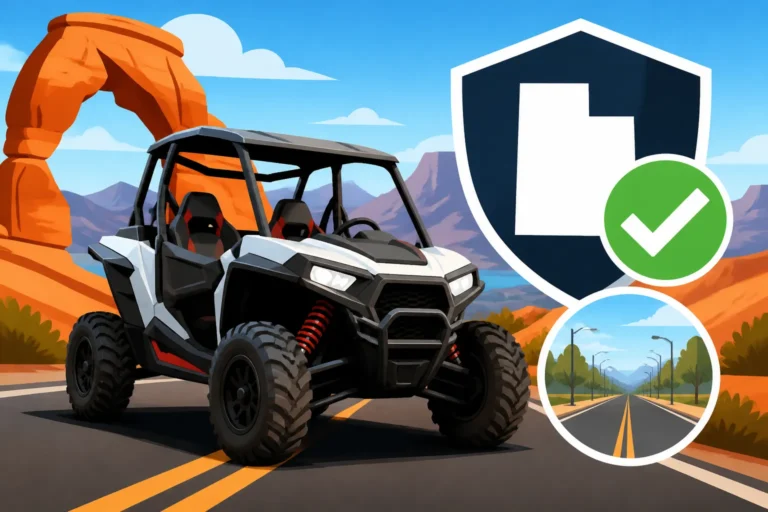
Before you even think about putting tire to pavement, you need to ensure your ATV or UTV is legally street-legal in Utah. This isn't just a suggestion; it's a non-negotiable requirement. Moab is incredibly welcoming to OHVs, but they are still subject to the same traffic laws as any other vehicle on public roads. Trying to sneak a non-street-legal machine on city streets is a quick way to earn a citation and spoil your vacation.
Understanding Utah's Street-Legal Requirements
Utah has specific requirements that your OHV must meet to be considered street-legal. This isn't about slapping a license plate on it and calling it good. It involves a series of equipment modifications and an inspection process to ensure your machine is safe for public roads. These requirements are in place for everyone's safety, including yours, other drivers, and pedestrians. It's easy to overlook a small detail, but a missed item can mean failing the inspection and delaying your ride time.
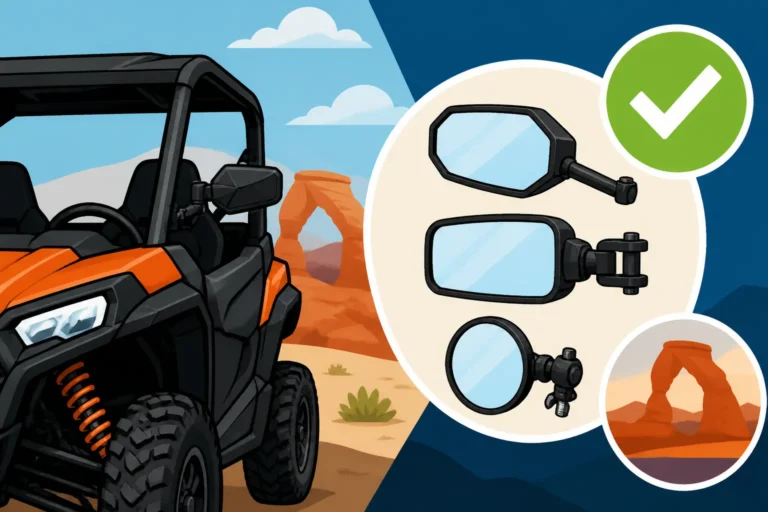
You'll need a proper Utah street-legal inspection, which covers items like headlights, tail lights, brake lights, turn signals, a horn, mirrors, a windshield or proper eye protection, and a license plate light. [Utah Street-Legal ATV Equipment Requirements] outlines these in detail. Many riders find it easier to install a comprehensive kit from a reputable aftermarket company. For example, kits from brands like SuperATV often bundle all the necessary components, making the conversion process much simpler than sourcing individual parts. Remember, these aren't just for looking good; they're about communicating your intentions clearly to other drivers and seeing and being seen, especially on busy Moab streets.
Registration and Licensing for On-Road Use
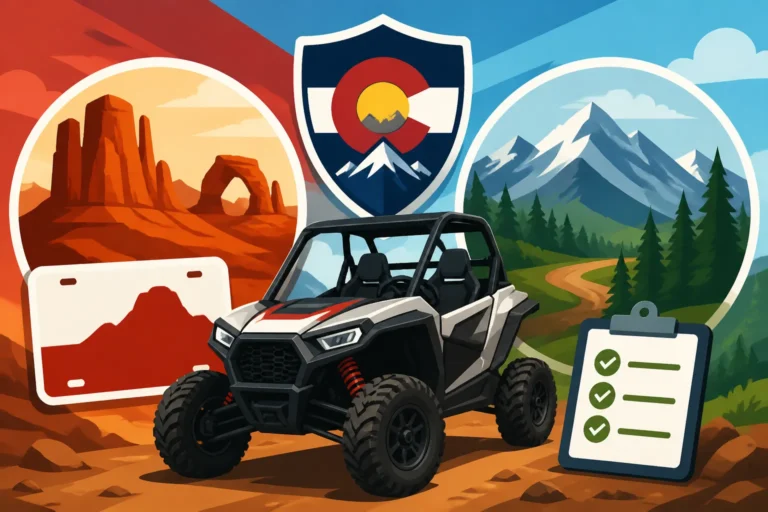
Once your machine has passed inspection and is equipped correctly, the next step is getting it registered for street use. This is separate from your standard OHV registration, though you'll typically maintain both. Think of it like this: your OHV registration allows you to ride on trails, while the street-legal registration and license plate allow you to drive on designated public roads. You'll visit the Utah Division of Motor Vehicles (DMV) with your inspection certificate, proof of ownership, and insurance.
It’s easy to get confused about the distinction, but it's important to understand that [Utah OHV Registration vs Street-Legal Registration] are two different beasts. You'll receive a standard vehicle license plate, which must be clearly displayed. Don't forget about [Driver License Rules on Utah Roads] either; you'll need a valid driver's license to operate a street-legal OHV on public roads, just like any other vehicle. For many, this whole process can feel a bit like jumping through hoops, but the payoff of being able to freely explore Moab on your own terms is absolutely worth it.
Planning Your Route: Navigating Moab's Streets to the Trailhead
Moab's unique charm comes from its proximity to incredible trails, many of which start just a short drive from downtown. However, Moab itself is a bustling town, especially during peak season, with car traffic, pedestrians, and cyclists. Planning your route is essential for a safe and enjoyable journey from your motel to the dirt.
Choosing Your Path: Designated OHV Routes and Speed Limits
Not all roads in Moab are open to OHVs, even if your machine is street-legal. While many main thoroughfares are generally accessible, there might be specific restrictions or preferred routes. Most of the popular trailheads, like the ones for Hell's Revenge, Fins and Things, or Sand Flats Recreation Area, are easily reached via designated city streets. It's always a good idea to check a local map or ask at your motel's front desk or a local visitor center for the most current information on permitted OHV routes. Moab has been proactive in creating OHV-friendly access, but local ordinances can change.
One crucial detail to remember is [Moab's Speed Limit for OHVs on City Streets]. Generally, the speed limit for OHVs on city streets in Moab is lower than for standard vehicles, often around 15 mph. This is to ensure safety for everyone, as OHVs can be louder and accelerate differently than cars, and their operators need more time to react to unexpected traffic or pedestrians. Sticking to this speed limit isn't just about avoiding a ticket; it's about being a respectful and safe driver in a busy tourist town.
Parking and Staging at the Trailhead
Once you reach your trailhead, you'll need to know where to park your rig. Many popular trailheads in the Moab area, such as the entrance to Sand Flats Recreation Area (which hosts Hell's Revenge and Fins and Things), have designated parking areas for OHVs. These are often large enough to accommodate multiple trucks and trailers, but since you're driving your OHV directly, you'll simply be looking for a spot where you can safely leave your machine while you're out on the trails. [Parking a UTV on a Moab Street] might be an option for a quick stop, but for extended trail riding, proper staging areas are best.
Be mindful of any fees associated with specific trailheads or recreation areas. For example, Sand Flats requires an entry fee per vehicle, whether you drive in or trailer in. This fee contributes to the maintenance of these world-class trails. Having cash or a credit card ready for these fees will prevent any delays. Always secure your machine and valuables before heading out on the trail, even in busy staging areas.
On the Road: What to Expect and How to Drive Safely
Driving an OHV on paved roads is a different experience than navigating dirt trails. You'll encounter other vehicles, traffic signals, and pedestrians, all of which require a heightened level of awareness and adherence to standard traffic laws.
Traffic Etiquette and Safety
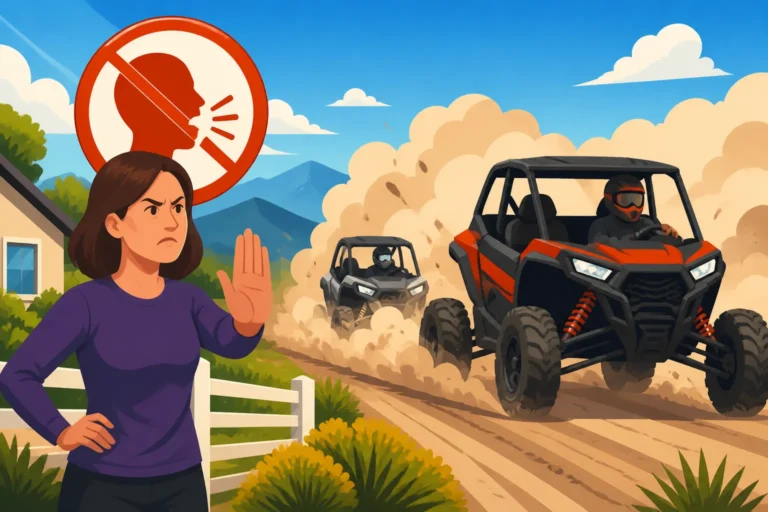
When you're riding your street-legal OHV through Moab, remember you are sharing the road with cars, trucks, RVs, motorcycles, bicycles, and even horse-drawn carriages on occasion. Be predictable in your movements: use your turn signals, maintain a safe following distance, and obey all traffic signs and signals. Remember that your OHV might be louder than standard vehicles, and some residents or visitors might not appreciate excessive noise. [Moab's Noise Ordinance and What It Measures] means it's wise to drive courteously and keep your engine RPMs down in town.
Always expect the unexpected, especially in a tourist town. Pedestrians might cross the street without looking, and other drivers might be distracted by the scenery. Drive defensively, make eye contact with other drivers and pedestrians when possible, and be ready to brake. It’s also crucial to remember that [Helmet and Age Rules on Utah Roads] still apply, so ensure everyone in your party is wearing appropriate safety gear.
What an Officer Looks For
Utah Highway Patrol and local law enforcement in Moab are generally very supportive of OHV recreation, but they are also diligent about enforcing safety and traffic laws. If you're pulled over, usually it's for a reason directly related to safety or compliance. [What a Utah Officer Looks for on a Street-Legal ATV] often includes checking for your current street-legal license plate, valid OHV registration decal, working lights and turn signals, appropriate mirrors, and that you and your passengers are wearing helmets if required by age.
They might also check for proof of insurance and your driver's license. Having all your paperwork readily accessible, perhaps in a waterproof bag, will make any interaction with law enforcement quick and smooth. Remember, politeness goes a long way. They're just doing their job to keep everyone safe.
| Item | Off-Road Only | Street-Legal OHV in Moab |
|---|---|---|
| OHV Registration Decal | Required | Required (still an OHV) |
| Street-Legal License Plate | Not applicable | Required |
| Headlights | Often minimal, for trail use | High/low beam, D.O.T. compliant |
| Tail Lights/Brake Lights | Basic | D.O.T. compliant, clearly visible |
| Turn Signals | Optional | Required (front and rear) |
| Horn | Optional | Required |
| Side Mirrors | Optional | Required (at least one, usually two) |
| Windshield/Eye Protection | Recommended goggles | Windshield or D.O.T. approved goggles |
| Muffler/Spark Arrestor | Required for most trails | D.O.T. compliant, noise limited |
| Driver's License | Not always required (private land) | Required (valid driver's license) |
| Proof of Insurance | Recommended | Required (minimum liability) |
| Helmets | Recommended (required for under 18) | Required for under 18, recommended for all |
| Speedometer | Optional | Recommended |
Gear Up: Essential Items for Your Motel-to-Trailhead Journey
Riding an OHV from your motel to the trailhead, even a short distance, means you're operating a vehicle on public roads and then immediately transitioning to off-road conditions. Being prepared with the right gear ensures you're ready for both environments.
Personal Safety and Comfort
Your personal safety gear is paramount. Helmets are a non-negotiable for anyone under 18 in Utah, and highly recommended for all riders and passengers, regardless of age, especially if you're hitting technical trails. Beyond helmets, consider eye protection (even if you have a windshield, dust and debris can still get in), gloves for grip and hand protection, and appropriate clothing that can handle both road grime and trail dust. For street use, ensure your clothing isn't excessively loose or flapping, which could become a distraction or hazard.
Comfort is also key, especially in Moab's often extreme weather. Sunscreen, sunglasses, and plenty of water are essential for any ride, whether on the road or the trail. A small cooler with drinks and snacks can make a huge difference, particularly on a hot day. You're trying to enjoy the ride, not suffer through it!
Essential Tools and Spares
Even for a short journey to the trailhead, it's wise to carry some basic tools and spares. A flat tire on the road, while rare, is a bigger nuisance than a flat on the trail, where you might have more space to work. A tire repair kit, a small air compressor (many are compact and powered by your OHV's 12V outlet), and a basic tool kit (wrenches, screwdrivers, zip ties, duct tape) can get you out of a bind.
Consider a small first-aid kit as well. Minor scrapes and cuts can happen anywhere, and having supplies on hand is always a good idea. For those longer days on the trail, you might also want to include items like a tow strap, recovery gear, and even a small spare belt, especially if your machine is prone to breaking them. Companies like SuperATV offer robust spare parts and accessories that can give you peace of mind on both the street and the trail. It's about being self-sufficient and not letting a small mechanical issue ruin your day.
Navigational Aids and Communication
While Moab's trails are generally well-marked, and your motel-to-trailhead route might seem simple, a reliable navigation system is invaluable. Your phone with a GPS app is a good start, but remember that cell service can be spotty on some trails. Consider downloading offline maps or investing in a dedicated GPS unit.
Communication is also important. Always let someone know your plans – which trailhead you're going to, and roughly how long you expect to be gone. Carrying a fully charged phone (and perhaps a portable power bank) is a given. For deeper adventures, especially if you plan to explore more remote sections after reaching the trailhead, a satellite messenger or two-way radio can be a lifesaver where cell service is non-existent.
Ultimately, driving your street-legal OHV from your Moab motel to the trailhead is a fantastic way to maximize your riding time and fully immerse yourself in the Moab experience. It offers a level of freedom and convenience that trailering simply can't match, allowing you to seamlessly transition from town to trail and back again. Just be sure to dot all your i's and cross all your t's with the legal requirements, drive courteously, and be prepared for anything, and you'll have an unforgettable trip.
Disclaimer
This article is for general informational purposes only and does not constitute professional advice. Laws, prices and regulations vary by location and change over time. Consult a qualified professional for guidance on your specific situation.