Passengers and Seat Belts on Utah Roads
It's incredibly exciting to think about taking your UTV or ATV out on Utah's stunning roads, whether you're just commuting to a trailhead or cruising through a scenic small town. But before you load up the whole crew, it's natural to wonder about the specifics of carrying passengers and, more importantly, making sure everyone is buckled up safely. This comprehensive guide will walk you through the ins and outs of Utah's regulations for passengers and seat belts when your off-highway vehicle (OHV) ventures onto public roads.
Understanding Utah's Basic Rules for Passengers on Roads
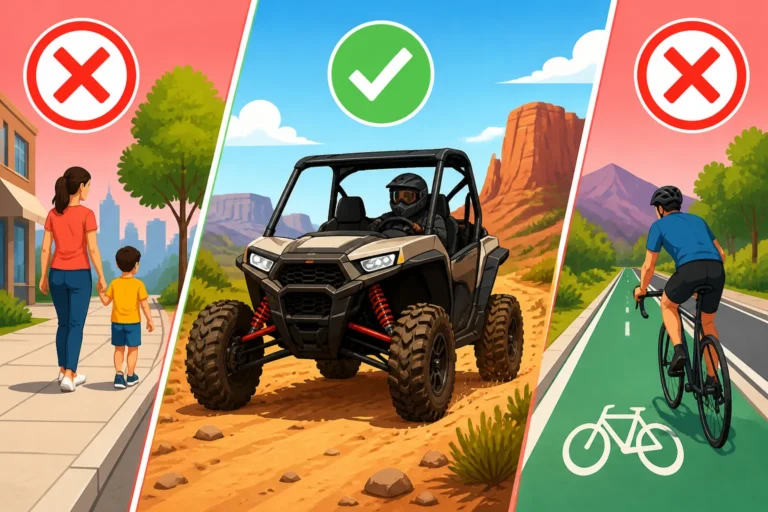
Riding an ATV or UTV on Utah's public roads isn't quite the same as riding it on a designated trail. The moment your wheels touch pavement, you're subject to traffic laws designed for conventional vehicles, which include specific stipulations about who can ride with you and how they must be secured. It's not just about what feels right; it's about what the law demands to keep everyone safe.
Who Can Be a Passenger on an OHV?
One of the first questions many riders have is simply, "Who can I bring along?" Utah's rules are pretty clear that if you're operating a street-legal ATV or UTV on public roads, you can only carry as many passengers as there are designated seating positions with factory-installed seat belts. This means if your side-by-side has two seats and two belts, you can only have one passenger, regardless of how small they might be. You can't squeeze extra people in, even if it's just for a short hop. This rule is a direct reflection of safety—more people than the vehicle is designed for equals a higher risk of injury in a crash or sudden stop. It's worth a moment to remember that [Passengers and Seat Belts on Utah Roads] are paramount for everyone's safety.
Additionally, passengers must be able to keep their feet on the floorboards or footpegs. This is especially important for smaller children, as dangling feet can be a serious hazard, potentially getting caught or injured. It’s also crucial that passengers can maintain a firm grip on handholds, especially when navigating turns, bumps, or unexpected road conditions. If your passenger can't meet these basic physical requirements, they shouldn't be riding with you on the road.
Designated Seating and Manufacturer Guidelines
The concept of "designated seating" is key here. It refers to the seating positions that the manufacturer built into the OHV, each equipped with a seat belt system. You can't just bolt a bench seat into the bed of your UTV and call it good for two more passengers on the road. The law is focused on the original, engineered design of the vehicle. For example, a single-rider ATV, by its very design, has no designated passenger seating. Taking a passenger on such a machine on a public road is generally prohibited because there's no safe, manufacturer-approved spot for them.
This also ties into the overall design and stability of the machine. Manufacturers build their OHVs with specific weight distributions and handling characteristics in mind for the number of occupants they certify. Overloading a machine, even with passengers within the weight limit but without designated seating, can significantly impact its stability and braking, turning a fun ride into a dangerous one. Always check your owner's manual for specific passenger capacities and weight limits.
The Absolute Requirement: Seat Belts on Utah Roads
When you're driving a street-legal UTV or ATV on Utah's public roads, seat belts aren't just a good idea; they are a legal mandate. This is one of the most critical safety aspects and something law enforcement officers will absolutely be looking for.
Why Seat Belts Are Non-Negotiable
Just like in a car or truck, seat belts in a street-legal OHV are your primary protection in the event of a collision, sudden stop, or rollover. OHVs, especially UTVs, have a higher center of gravity than many cars, making them more susceptible to rollovers, particularly when making sharp turns or encountering uneven surfaces at speed. Without a seat belt, occupants can be ejected from the vehicle, which is often far more dangerous than staying inside the roll cage.
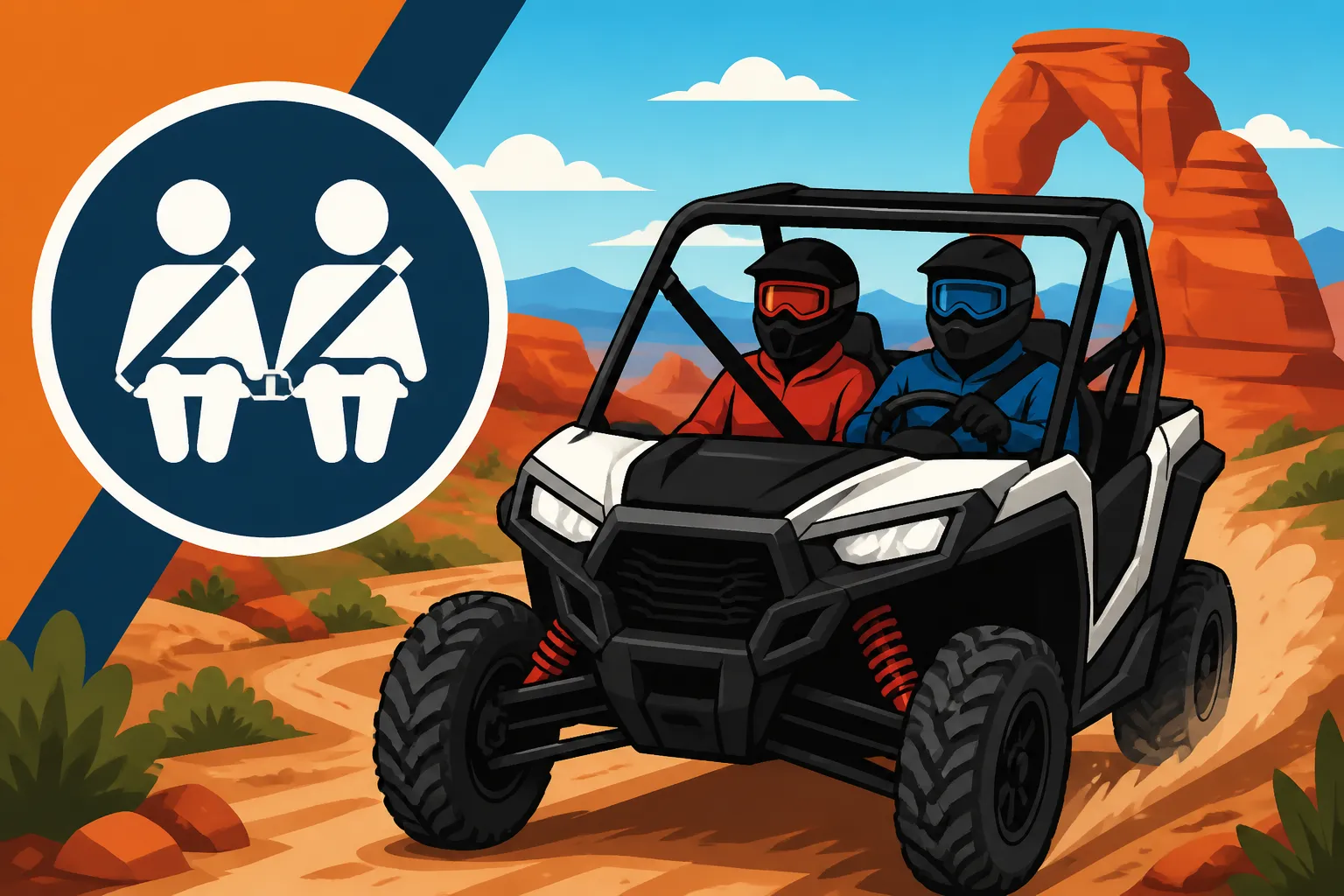
Utah law reflects this understanding of physics and safety. Every occupant in a street-legal OHV being operated on a public road must be properly restrained by a seat belt or harness system that is appropriate for their age and size. This isn't a suggestion; it's a requirement with real consequences if ignored. It's a simple step that drastically improves survival rates and reduces the severity of injuries.
Types of Restraints: From Lap Belts to Harnesses
Most modern UTVs come equipped from the factory with three-point seat belts, similar to those found in cars, which offer both lap and shoulder restraint. These are generally adequate for meeting Utah's road-use requirements for adults and older children. However, some riders, especially those who frequently encounter rough terrain or engage in more aggressive driving, choose to upgrade their restraint systems.
Aftermarket harnesses, such as 4-point or 5-point systems, offer a higher level of containment and can prevent occupants from being jostled around inside the vehicle, even on paved roads that might have unexpected bumps or potholes. Brands like SuperATV offer a range of aftermarket seat belt and harness options designed to enhance safety and comfort. While not explicitly required for road use beyond the factory three-point belts, these upgrades can provide peace of mind and superior protection. Always ensure any aftermarket restraint system you install is properly anchored and designed for your specific vehicle.
Special Considerations for Child Passengers
Children are especially vulnerable in any vehicle, and OHVs are no exception. Utah has specific rules designed to protect younger passengers when an ATV or UTV is used on public roads, and it's essential for parents and guardians to understand and adhere to them.
Age and Height Rules for Child Restraints
Utah's child restraint laws, as they apply to street-legal OHVs on public roads, generally mirror those for passenger cars. This means that children must be secured in an appropriate car seat, booster seat, or seat belt based on their age and size.
Here's a general breakdown, but always check the latest official Utah DMV or Department of Public Safety guidelines for precise age, height, and weight requirements:
| Age of Child | Required Restraint System (on Utah Roads) |
|---|---|
| Newborn to 2 years old | Rear-facing car seat. |
| 2 years to 8 years old | Forward-facing car seat with harness, or booster seat (depending on height/weight). |
| 8 years to 12 years old | Booster seat, or seat belt if they fit properly. |
| 13 years and older | Standard seat belt. |
It's critical that the child restraint system is installed correctly in the OHV. This can be tricky in some UTVs, as the seat design and anchorage points might differ from a standard car. You need to ensure the car seat can be securely fastened and that the child is properly buckled into it. [Child Seats in a Utah Side-by-Side] is a topic that requires careful consideration and planning to ensure maximum safety. Remember, the goal isn't just to comply with the law, but to keep your precious cargo as safe as possible.
Helmets for Minors on Utah Roads
Beyond seat belts, helmets are another critical piece of safety gear, especially for younger riders. While adults might not be legally required to wear a helmet when operating a street-legal UTV with a windshield on a Utah public road (depending on specific local ordinances and vehicle design), the rules are different for minors.
In Utah, any person under the age of 18 operating or riding as a passenger on an OHV must wear a properly fitted, DOT-compliant helmet. This rule applies whether you are on a trail or on a public road. So, if you have a teenager or a younger child riding with you in your street-legal UTV on Main Street in Moab, they absolutely need to have a helmet on. This is a non-negotiable safety measure that significantly reduces the risk of head injuries. For more details on this, see [Utah Helmet Rules for Riders Under 18].
Street-Legal Status and Passenger Implications
The entire conversation about passengers and seat belts on Utah roads hinges on your OHV being properly designated and equipped for street-legal use. Without this status, your machine shouldn't be on the road at all, let alone carrying passengers.
How Street-Legal Status Changes Everything
When you convert your ATV or UTV to street-legal status, you're essentially telling the state that it meets certain safety and equipment standards required for road use. This includes having proper headlights, tail lights, turn signals, mirrors, and, crucially, seat belts for all designated seating positions. Without these features, your OHV is considered an off-highway vehicle and is generally restricted to trails and designated OHV routes, where passenger rules might be slightly different or less strictly enforced by traffic laws.
For instance, an unregistered, non-street-legal ATV cannot simply pick up a passenger and drive down a city street, even if that passenger is wearing a helmet. The foundational legality of operating on the road must be established first. Understanding [Utah Street-Legal ATV Equipment Requirements] is the first step in ensuring you can even consider carrying passengers on public roads.
Aftermarket Seating and Safety Upgrades
While you cannot add "designated seating" to circumvent the factory limit for road use, you can certainly enhance the safety and comfort of your existing designated passenger seats with aftermarket upgrades. For example, if your UTV came with basic lap belts, you might consider upgrading to a 4-point harness system. These provide much better security and stability for passengers, especially on bumpy roads or during emergency maneuvers.
Many riders also opt for improved grab handles, wider doors, or even roll cage extensions, all of which contribute to a safer environment for passengers. When choosing these upgrades, always prioritize reputable brands that offer products specifically designed for your OHV model, ensuring they meet safety standards. Brands like SuperATV are well-known for offering a wide array of UTV accessories, including safety components, that can improve the passenger experience and protection.
Common Misconceptions and Risky Behaviors
It's easy to make assumptions or overlook details, especially when transitioning from trail riding to road riding. However, with passengers on board, those assumptions can lead to dangerous situations and legal trouble.
"Just a Short Distance" Doesn't Change the Rules
One of the most common misconceptions is that rules can be relaxed for "just a short trip" down the road, perhaps to a gas station or a trailhead. This simply isn't true. The moment your wheels are on a public road, you are subject to all applicable traffic laws, including those for passengers and seat belts. A law enforcement officer won't care if you're only going two blocks; if you're violating the rules, you're in violation.
This "short distance" thinking often leads to people allowing more passengers than designated seats, or letting children ride without proper restraints, thinking the risk is minimal. However, accidents can happen anywhere, at any speed, and a short distance offers no immunity. It's crucial to treat every road journey, no matter how brief, with the full respect of the law and safety protocols.
Standing or Riding in the Bed of a UTV
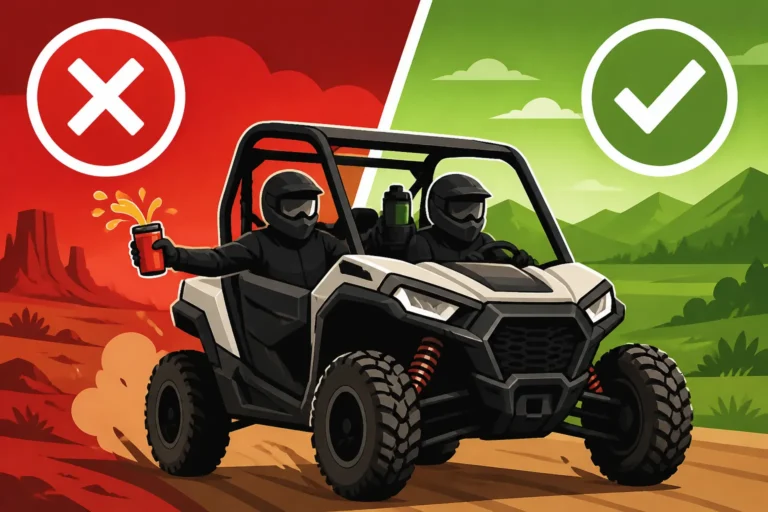
Another dangerous habit seen too often is passengers standing up in the bed of a UTV, or even just riding loosely in the cargo area. This is absolutely illegal and incredibly dangerous on public roads (and frankly, on trails too). The bed of a UTV is not designed for passenger transport; it lacks designated seating, seat belts, and protection in case of an impact or rollover.
Ejection from the vehicle is almost guaranteed in a crash if a passenger is riding in the bed, leading to severe or fatal injuries. This behavior is a clear violation of Utah's traffic laws and puts lives at immediate risk. As a responsible operator, you must ensure all passengers are safely secured in designated, belted seats.
Enforcement and Consequences for Violations
Utah law enforcement takes passenger and seat belt violations seriously, especially when it comes to the safety of children. Ignorance of the law is not an excuse, and the consequences can range from fines to more severe penalties.
What Officers Look For
When a Utah Highway Patrol trooper or local police officer spots an OHV on a public road, they're trained to quickly assess several key factors. Beyond checking for valid registration and [Utah OHV Decals and Where They Go], they'll specifically be looking for:
- Proper Street-Legal Equipment: Do you have all the required lights, mirrors, turn signals, and a horn?
- Designated Seating: Are there more people in the vehicle than designated, belted seats?
- Seat Belt Use: Is every occupant, regardless of age, properly buckled into an appropriate restraint system?
- Child Restraints: Are children under a certain age and size in the correct car seats or booster seats?
- Helmet Use (for minors): Is anyone under 18 wearing a DOT-compliant helmet?
These checks are not meant to harass riders but to enforce safety regulations designed to prevent serious injuries and fatalities. A casual ride through town can quickly turn into a traffic stop if these basic rules aren't being followed. You can read more about [What a Utah Officer Looks for on a Street-Legal ATV].
Fines and Other Penalties
If you're found in violation of Utah's passenger and seat belt laws for OHVs on public roads, you can expect to receive a citation. Fines for seat belt violations, especially those involving children, can be substantial and can increase with repeat offenses. Beyond the monetary cost, there can be other, more indirect consequences:
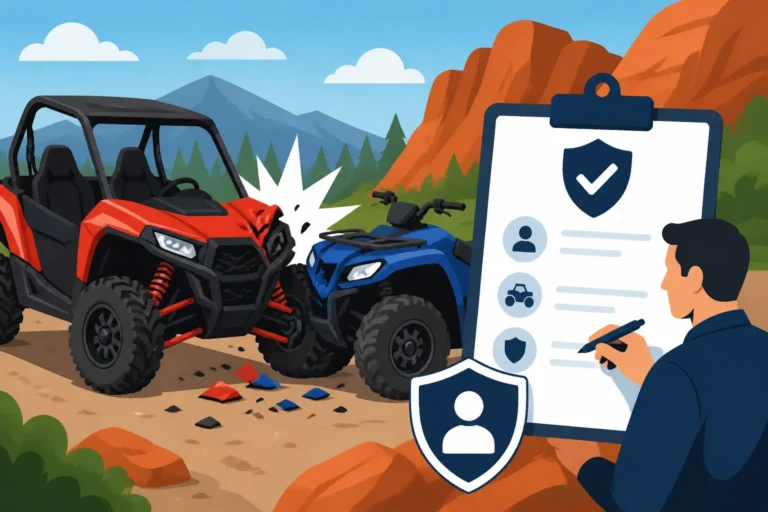
- Insurance Implications: A citation could impact your insurance rates or even lead to your insurance company disputing a claim if an accident occurs while you were in violation of safety laws.
- Points on Your Driving Record: Some traffic violations, depending on their severity, can add points to your driver's license, potentially leading to license suspension if too many accrue.
- Vehicle Impoundment: In egregious cases, or if other violations are present (like driving an unregistered or uninsured vehicle), your OHV could even be impounded.
- Child Protective Services Involvement: If children are found to be unsafely restrained or in dangerous situations, law enforcement has the authority to involve child protective services, which is a far more serious and stressful outcome than a simple fine.
The safest and most cost-effective approach is always to know the rules, follow them meticulously, and prioritize the safety of everyone riding in your street-legal OHV.
Disclaimer
This article is for general informational purposes only and does not constitute professional advice. Laws, prices and regulations vary by location and change over time. Consult a qualified professional for guidance on your specific situation.