Snow, Gravel and Dirt County Roads in Utah
There's nothing quite like the freedom of exploring Utah's vast network of county roads on your ATV or UTV, but the reality is that these aren't all pristine paved paths. Many of them are a mix of dirt, gravel, and in winter, even snow, which can throw a wrench into your plans if you're not prepared or don't understand the rules. This guide is here to walk you through everything you need to know about legally and safely navigating these diverse and sometimes challenging county roads, ensuring your backcountry adventures are memorable for all the right reasons.
The Legal Landscape: What Utah Says About County Roads for OHVs
Riding your off-highway vehicle (OHV) on county roads in Utah can feel like a bit of a maze, especially with all the different road types and local regulations. It's not as simple as just heading out; you need to understand where you're legally allowed to be, what condition your machine needs to be in, and what specific rules might apply. Ignoring these details can lead to fines, frustrating encounters with law enforcement, or even unsafe situations. Many riders get caught off guard, assuming that if it looks like a dirt trail, it's fair game, only to discover they're on a prohibited county road.
The state of Utah has a comprehensive framework for OHV use, but it grants a significant amount of control to individual counties and municipalities to determine road access. This means that rules can change drastically from one county line to the next, or even within different areas of the same county. What's legal in Moab might not be in a rural part of Northern Utah, and vice-versa. It's truly a patchwork, and part of being a responsible rider is doing your homework for the specific area you plan to explore.
At the core, you need to differentiate between designated OHV routes, which are explicitly open to ATVs and UTVs, and other county roads that may or may not be. If you're looking to ride county roads, your machine must typically be "street-legal" or at least equipped to meet basic road-use requirements, which often means proper lighting, mirrors, and a license plate. Don't forget that [What Utah Riders Must Carry on Public Land] also applies, regardless of the surface.
"Public Roads" vs. "Designated OHV Routes"
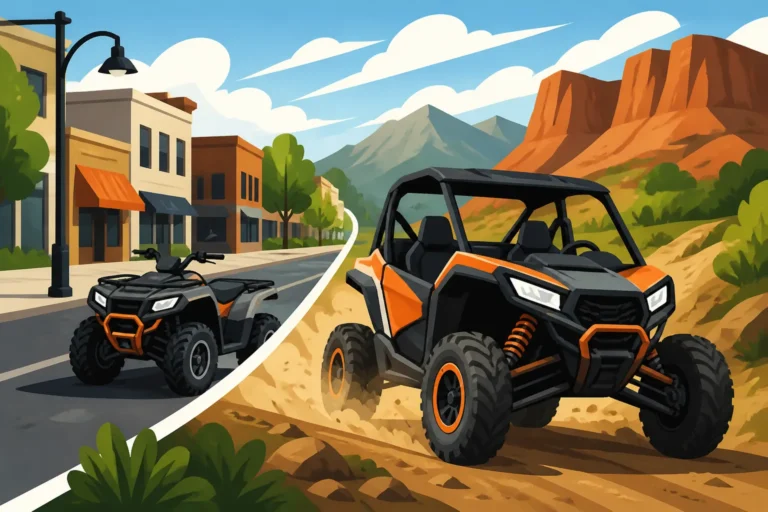
In Utah, not all public roads are created equal when it comes to OHV access. The term "public road" can encompass everything from busy state highways to a seldom-used dirt track winding through ranchland. Generally, OHVs are permitted on county roads and city streets with speed limits of 50 mph or less, unless specifically prohibited by local ordinance. This is a crucial distinction that many riders overlook. Just because a road isn't paved doesn't mean it's automatically an "OHV route."
Designated OHV routes, on the other hand, are roads, trails, or areas that have been explicitly marked and opened for off-highway vehicle use by the land management agency or local jurisdiction. These routes are usually signed with specific OHV trail markers, and they might even be part of a larger trail system like the Paiute ATV Trail. When you're on a designated OHV route, you're generally good to go, provided your machine is registered and you're following all other rules. These routes are often maintained with OHV use in mind, making for a more predictable riding experience.
The challenge comes when these two types of roads intersect or when a county road simply isn't clearly marked. Many riders use county roads to connect designated trail sections, access trailheads, or simply explore the rural landscapes. If you're doing this, your machine needs to comply with all street-legal requirements, including proper registration, insurance, and safety equipment. This is where topics like [Making a UTV Street Legal in Utah] and [Utah Street-Legal ATV Equipment Requirements] become incredibly important. Without a street-legal setup, you could be riding illegally even on a quiet dirt road that you thought was fine.
Local Ordinances and County-Specific Rules
While state law provides a general framework, Utah's counties and cities have the power to create their own ordinances regarding OHV access on local roads. This means that one county might welcome OHVs on all unpaved county roads with a 35 mph speed limit, while its neighbor might restrict them to only a handful of specific routes. These local rules can be a real headache for riders, especially if you're traveling through multiple jurisdictions in one trip.
For example, popular riding areas like Moab and San Juan County have embraced OHV tourism, and many of their town and county roads are open to street-legal OHVs, often with specific speed limits and noise restrictions. You can ride right from your motel into town for dinner or connect to major trail systems. However, other counties, particularly those closer to the Wasatch Front or with different land-use priorities, might have very restrictive or even outright prohibitory ordinances. Always check [City and County OHV Rules Across Utah] for the specific area you'll be riding.
It's not uncommon for riders to plan a route using a map, only to find themselves stopped by a local sheriff who informs them that a particular county road, while unpaved and seemingly perfect for an OHV, is actually closed to them by local ordinance. The best practice is to always consult the local county or city tourism office, sheriff's department, or their official websites before your trip. Many popular riding areas will publish maps showing which roads are open and which are closed to OHVs. A little research upfront can save a lot of grief on the trail.
Tackling Dirt and Gravel County Roads: Ride Smart, Stay Safe
Dirt and gravel county roads offer some incredible scenery and access to remote areas, but they also present unique challenges for ATV and UTV riders. Unlike purpose-built trails, these roads are designed for a mix of traffic – cars, trucks, agricultural vehicles – and their conditions can vary wildly depending on weather, maintenance, and recent use. You might encounter anything from smooth, hard-packed surfaces to loose gravel, deep ruts, washboards, or even mud. Being prepared for these varying conditions is key to an enjoyable and safe ride.
One of the biggest issues on dirt and gravel roads is the unpredictable nature of the surface. A sharp turn could be covered in loose aggregate, causing your tires to slide out, or you might hit an unexpected pothole hidden by dust. Visibility can also be a major concern, especially when riding in groups or encountering oncoming traffic. Dust clouds, sun glare, and blind corners are all common hazards that require constant vigilance and a different riding approach than what you might use on a tight single-track trail.
Beyond the physical challenges, remember that you're sharing these roads. Unlike an exclusive OHV trail, you need to be mindful of larger, faster, and less maneuverable vehicles. They might not expect to see an OHV, especially on a remote stretch, and you need to be prepared to give them plenty of space. It's a different riding mindset that prioritizes caution and defensive driving.
Dust Management and Visibility Challenges
Dust is an almost unavoidable reality when riding dirt and gravel roads in Utah, especially during the dry summer months. It can quickly become a major visibility hazard, not just for you but for everyone else on the road. When you're riding in a group, dust clouds kicked up by the lead machines can completely obscure the view for those behind, making it hard to see obstacles, other riders, or oncoming traffic. This is a common cause of accidents, as riders are essentially driving blind.
To manage dust, spacing out when riding in a group is crucial. Don't ride bumper-to-bumper; leave ample room for the dust to settle between machines. This also gives you more reaction time if the rider in front encounters an obstacle. If you're encountering oncoming traffic, slow down, move to the side of the road if safe, and be prepared for a temporary whiteout. Goggles and a face mask are essential for your own comfort and eye protection, as dust can irritate your eyes and respiratory system.
Beyond your personal gear, consider your vehicle's lighting. Even in daylight, having your headlights and tail lights on can make you more visible to other road users, especially in dusty conditions or when emerging from a dust cloud. Some riders even add aftermarket amber dust lights or a whip flag to increase their visibility. SuperATV offers a variety of lighting accessories that can greatly improve your presence on dusty county roads, making sure you're seen before you're heard.
Equipment for Rougher Terrain
While street-legal requirements cover basic safety gear, successfully navigating rough dirt and gravel county roads often calls for additional equipment to enhance performance, comfort, and safety. These roads can be riddled with washboards that shake your machine (and you) to pieces, unexpected dips, ruts, and loose rock. Your stock suspension might feel inadequate, and your tires might not provide the grip or puncture resistance you need.
Investing in a good set of all-terrain tires designed for mixed surfaces can make a huge difference. These tires offer better traction on loose gravel and dirt while still performing adequately on short stretches of pavement. Many riders also upgrade their suspension, opting for aftermarket shocks or lift kits to improve ground clearance and absorb bumps more effectively. A SuperATV lift kit, for instance, can give you that extra clearance to glide over rocks and ruts that might otherwise cause damage, while their heavy-duty axles are designed to withstand the increased stress of rougher terrain.
Other practical additions include a spare tire and a tire repair kit, as flats are a common occurrence on rocky or debris-strewn roads. A small air compressor is also invaluable for adjusting tire pressure for different terrains or reinflating a repaired tire. A winch, especially if you plan to venture into more remote or challenging sections, can be a lifesaver for getting unstuck from mud or pulling fallen debris off the road. Remember, breakdowns in remote areas are not just inconvenient; they can be dangerous, so equipping your machine properly is paramount.
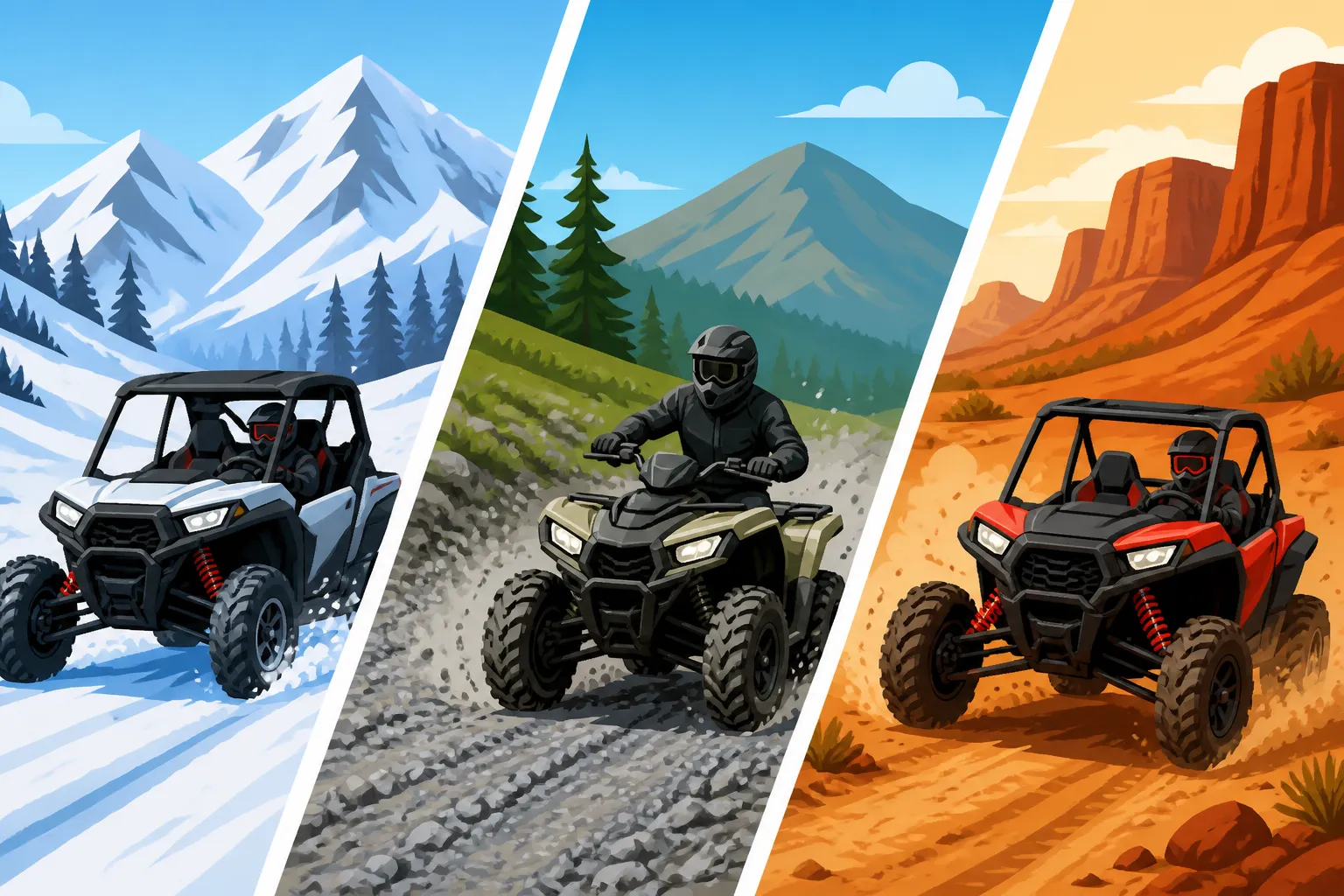
| Road Type | Common Characteristics | Key OHV Considerations |
|---|---|---|
| Paved County Roads | Smooth, often higher speed limits, clearly marked. | Street-legal compliance mandatory. Share with cars, trucks. Stay alert. |
| Gravel County Roads | Loose surface, can have washboards, dust, varying grades. | All-terrain tires, good suspension. Dust management, defensive driving. |
| Dirt County Roads | Softer surface, ruts, mud when wet, less maintained. | Higher ground clearance, aggressive tires, winch for mud. Watch for obstacles. |
| Snow-Covered Roads | Slick, icy, deep snow, obscured hazards. May be plowed. | Winter tires/chains, heated grips, full enclosure, extreme caution. |
Winter Wonderland or Winter Woes? Riding Snow-Covered County Roads
When winter blankets Utah's high country, many county roads transform into picturesque, snow-covered trails. The idea of riding through a silent, snowy landscape on your OHV is incredibly appealing to many, but it comes with a whole new set of challenges and safety considerations. What looks like a beautiful, pristine surface can hide ice, deep drifts, or submerged obstacles, turning a pleasant ride into a risky endeavor.
Riding in snow is fundamentally different from dry conditions. Traction is drastically reduced, braking distances are extended, and visibility can be severely compromised by falling snow, fog, or low light. Your machine will handle differently, and you'll need to adjust your riding style accordingly. Beyond the mechanical challenges, there's the personal comfort and safety factor: staying warm and dry in freezing temperatures is non-negotiable.
Many county roads in winter are less traveled, which can be both a blessing and a curse. Fewer vehicles mean more solitude, but it also means less chance of assistance if you get into trouble. Planning your route, checking conditions, and preparing your machine and yourself for extreme cold are absolutely essential before you even think about hitting those snowy roads.
Traction, Plowing, and Ice Hazards
Snow-covered county roads present a unique matrix of traction challenges. Fresh, powdery snow can offer some grip, but compacted snow quickly becomes slick, and ice is an ever-present danger, especially in shaded areas or at lower temperatures. Your standard all-terrain tires, while good for dirt and gravel, will struggle significantly on snow and ice, offering minimal braking and turning control.
For serious winter riding, consider specific snow tires or, more commonly, tire chains for your OHV. Chains dramatically improve traction on slick surfaces, allowing you to climb hills and maintain control on descents that would be impossible otherwise. However, chains require careful installation and maintenance, and they will affect your top speed and ride comfort. Always practice installing them beforehand, especially in comfortable conditions, not when your fingers are numb from the cold.
Another factor is plowing. Some county roads, particularly those leading to residences or popular recreation spots, might be plowed, offering a relatively clear path. However, even plowed roads can be icy, and the shoulders often accumulate deep snowdrifts from the plows, creating hidden hazards. Other roads might be completely unplowed, leaving you to break trail through deep snow. Always check road conditions with the local county road department or forest service before you go. Hitting an unplowed road that's too deep for your machine can quickly lead to getting stuck, which in freezing temperatures, can become a serious emergency.
Cold Weather Gear and Machine Protection
Staying warm and dry is paramount when riding snow-covered county roads. Hypothermia is a real risk, and being improperly dressed can turn an exciting adventure into a miserable and dangerous ordeal. Layering is key: start with a moisture-wicking base layer, add insulating mid-layers (fleece or down), and top it off with a waterproof and windproof outer shell. Don't forget insulated gloves or mitts, a warm helmet liner, and waterproof boots. Many riders also use heated grips or heated seats for extra comfort.
For your machine, protecting yourself from the elements is crucial. A full windshield and roof are essential for blocking wind and snow, and a full cab enclosure can make an enormous difference in retaining heat, turning your UTV into a much more comfortable winter vehicle. SuperATV offers various cab enclosures and heaters that can transform your side-by-side into a cozy fortress against the biting cold, allowing you to extend your riding season well into winter.
Beyond comfort, winter riding demands extra machine preparation. Check your antifreeze levels, ensure your battery is fully charged and in good condition (cold weather is tough on batteries), and make sure all your lights are operational and clean for maximum visibility in low light or snowy conditions. Carry a small shovel, a tow strap, and emergency supplies like extra warm clothing, a fire starter, and high-energy snacks, just in case you get stuck far from help. Remember, cellphone service can be spotty or non-existent in remote, snowy areas.
Essential Preparations for Any County Road Adventure
Whether you're hitting the dirt in summer or crunching through snow in winter, embarking on a county road adventure with your OHV requires diligent preparation. These aren't always manicured trails with amenities every few miles; you might be far from cell service, gas stations, or even other people. Overlooking basic maintenance or forgetting essential gear can lead to uncomfortable delays or, worse, a dangerous situation. It's about taking personal responsibility for your safety and the longevity of your machine.
Many riders get so caught up in the excitement of planning the route that they neglect the practicalities. But a breakdown in a remote canyon, a flat tire miles from pavement, or getting lost without a reliable navigation tool can quickly turn an epic ride into a nightmare. Think of your preparations as an insurance policy for your adventure: the more thoroughly you prepare, the less likely you are to encounter major issues, and the better equipped you'll be to handle minor ones.
It's not just about what you might need; it's about what you will need to be legal, safe, and self-sufficient. This includes everything from the nuts and bolts of your vehicle to your personal survival items and navigational tools. A comprehensive checklist can be your best friend here, ensuring you don't overlook any critical details before heading out.
Vehicle Maintenance and Emergency Supplies
Before every significant county road trip, give your OHV a thorough inspection and make sure all maintenance is up to date. Check your oil, coolant, brake fluid, and tire pressure. Inspect your tires for any cuts or excessive wear. Look for loose bolts, frayed cables, or anything that looks out of place. Ensure your brakes are in excellent working order, as you'll be relying on them heavily on varied terrain and potentially shared roads.
Beyond routine checks, pack a robust emergency kit. This should include:
- Tire repair kit and a portable air compressor: Flats happen.
- Basic tool kit: Wrenches, screwdrivers, zip ties, duct tape for minor field repairs.
- Tow strap: For pulling yourself or a friend out of a sticky situation.
- First-aid kit: Essential for any scrapes, cuts, or more serious injuries.
- Fire extinguisher: Small but vital, especially in dry conditions.
- Flashlight or headlamp: Even if you plan to be back before dark, delays can happen.
- Warm blankets or emergency bivy sacks: For unexpected overnight stays, especially in colder months.
- Plenty of water and non-perishable snacks: Hydration is key, and food provides energy.
Remember that [What a Utah Officer Looks for on a Street-Legal ATV] includes proper registration and working lights, so ensure those are in order as well. Having a well-maintained machine and comprehensive emergency supplies means you're not just ready for fun, but also for the unexpected challenges that rural county roads can throw your way.
Navigation and Communication in Remote Areas
Relying solely on your phone for navigation in Utah's remote county roads is a gamble. Cell service is notoriously spotty or non-existent in many of the beautiful, secluded areas you'll want to explore. An unreliable signal can leave you completely lost, especially if you're venturing off familiar paths or trying to find those elusive connectors between designated trails.
Invest in a dedicated GPS unit or a reliable GPS app on your smartphone that allows for offline map downloads. Apps like Gaia GPS, OnX Offroad, or Avenza Maps are popular among OHV riders because they allow you to download detailed topographic maps of your riding area before you leave home. This way, even without cell service, your phone's GPS receiver can still pinpoint your location on the map. Always carry a physical paper map of the area as a backup – batteries die, screens break, and sometimes old-school is the most reliable.
For communication, especially if you're riding solo or in a small group far from civilization, consider carrying a satellite messenger or a satellite phone. Devices like a Garmin inReach or a Zoleo provide two-way satellite communication, allowing you to send messages to loved ones and, more importantly, trigger an SOS call to emergency services if you're in serious trouble. These devices can literally be lifesavers when you're out of cell range. Always inform someone of your planned route and estimated return time, even if you have these tools. Having someone know where you're going adds an extra layer of safety.
Sharing the Road: Etiquette and Safety with Other Users
Riding OHVs on county roads means you're no longer just on a dedicated trail; you're sharing the space with a diverse array of users, including cars, trucks, agricultural vehicles, cyclists, and even pedestrians. This requires a heightened sense of awareness and a commitment to responsible, courteous behavior. The perception of OHV riders by other road users can impact future access, so it's in everyone's best interest to be good ambassadors for the sport.
Many frustrations arise when expectations clash. A farmer driving a tractor might not expect a UTV around a blind corner, and a driver in a sedan might be annoyed by the dust you kick up. Understanding these potential conflicts and actively working to mitigate them is key. It's not just about obeying the law; it's about being a good neighbor and ensuring that everyone can safely enjoy Utah's public lands and roads.
Ultimately, demonstrating respect and caution on county roads helps maintain positive relationships within the community and ensures that OHVs continue to be welcome on these shared routes. Neglecting common courtesy or driving recklessly can lead to negative perceptions, increased restrictions, and an erosion of OHV access in the long run.
Right-of-Way and Passing Etiquette
On county roads, the general rules of the road apply, which means cars and trucks typically have the right-of-way over OHVs. Even on unpaved roads, you should yield to larger vehicles and give them ample space. If you encounter an oncoming vehicle, especially on a narrow road, slow down, move as far to the right as safely possible, and stop if necessary to allow them to pass. A friendly wave goes a long way in building goodwill.
When encountering cyclists, pedestrians, or horseback riders, exercise extreme caution. These users are often slower, quieter, and more vulnerable. Slow down to a crawl, give them a very wide berth, and be prepared to stop completely. Never buzz them or pass too closely. If you're approaching from behind, give an audible signal well in advance – a gentle tap of the horn – to make them aware of your presence without startling them. Wait for a safe, clear space to pass, and do so slowly, minimizing dust. Remember that dust kicked up by your OHV can be particularly unpleasant for pedestrians and cyclists.
Passing other OHVs or slower vehicles on dirt and gravel roads requires extra care. Ensure you have clear visibility ahead and behind, and that there's enough room to pass safely without throwing rocks or excessive dust. Always use appropriate hand signals or turn signals if your machine is equipped. When passing a parked vehicle or a group of people, significantly reduce your speed to avoid any accidents or discomfort from dust and noise.
Environmental Responsibility and Minimizing Impact
Riding on county roads means you're often in close proximity to private land, agricultural areas, and sensitive natural environments. Your actions have a direct impact on these surroundings, and responsible riding is crucial for preserving access and protecting the landscape. This goes beyond just staying on the designated road; it's about minimizing your footprint in every way possible.
Dust is a major concern, particularly near homes, businesses, or crops. While some dust is unavoidable on dirt and gravel, excessive speed or reckless driving can create massive clouds that become a nuisance or even a health hazard. Slow down when passing through populated areas or near agricultural fields to keep dust to a minimum. Similarly, excessive noise from aftermarket exhausts can disturb residents and wildlife. Ensure your exhaust system complies with local noise ordinances, which are often stricter on county roads than on remote trails.
Always pack out everything you pack in, and never litter. If you see trash, consider picking it up to leave the area better than you found it. Stay on established roads and trails, avoiding sensitive vegetation or private property. If you encounter gates, leave them as you found them (open gates stay open, closed gates stay closed). Remember that the privilege of riding on these county roads can be easily lost if a few irresponsible riders create problems for the many. Being a good steward of the land and a considerate user of shared roads ensures that these incredible routes remain open for everyone to enjoy for years to come.
Disclaimer
This article is for general informational purposes only and does not constitute professional advice. Laws, prices and regulations vary by location and change over time. Consult a qualified professional for guidance on your specific situation.