Riding Main Street in Southern Utah Towns
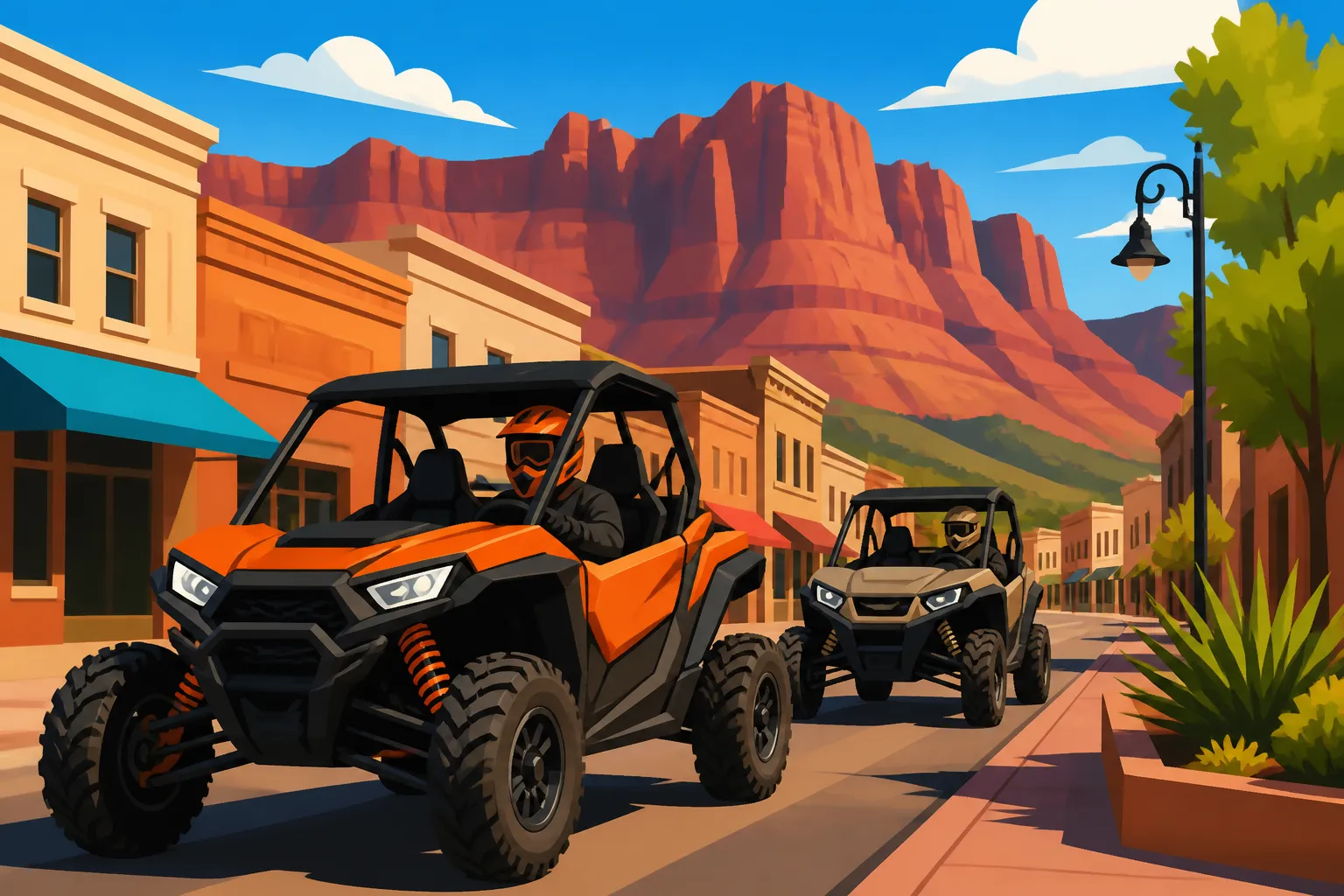
There's nothing quite like the dream of cruising down Main Street in a charming Southern Utah town, your side-by-side humming along, heading straight from your motel to the trail, or perhaps just popping into a local diner for a bite. It's an image that captures the freedom of the OHV lifestyle, but for many riders, it's also fraught with confusion. The rules for street-legal OHVs can feel like a tangled mess of state laws, city ordinances, and unspoken local customs, leaving you wondering if you're going to get a friendly wave or a stern talking-to. This guide is here to untangle that knot, offering a realistic, detailed look at what it truly takes to legally and confidently navigate Main Street in some of Utah's most iconic OHV destinations.
The Allure of Main Street Riding in Southern Utah
Southern Utah's landscape is a playground for off-highway vehicles, drawing enthusiasts from all corners of the country. But what makes these towns particularly special is often their embrace of the OHV culture, allowing riders a unique level of access that transforms a typical trail ride into an immersive adventure. Being able to ride directly from your lodging to the trailhead, or to grab a quick meal without having to load your machine back onto a trailer, adds an unparalleled layer of convenience and enjoyment to any trip.
Why Riders Love Town Access
Imagine this: You've just finished an epic ride on the Paiute Trail, dust-covered and exhilarated. Instead of a tedious drive back to your truck, unstrapping your UTV, and then driving your truck into town, you simply putter along the paved road, still in your riding gear, directly to a gas station or a restaurant. This direct access saves precious time and energy, maximizing your trail time and minimizing logistical headaches. It turns a functional need into part of the experience, allowing you to soak in the local atmosphere from the seat of your machine. This seamless transition from dirt to asphalt is a huge draw, transforming ordinary errands into mini-adventures and deepening your connection to the destination. It fosters a sense of community, too, as you become a visible part of the town's daily rhythm.
The Southern Utah Difference
Southern Utah towns have, over time, really leaned into their roles as OHV hubs. Places like Moab, Kanab, Hurricane, Richfield, and Marysvale recognize that riders are a vital part of their tourism economy. This recognition often translates into a more OHV-friendly infrastructure and, critically, specific local ordinances that clarify how street-legal machines can operate within city limits. Unlike some other areas where OHVs are strictly confined to trails, many Southern Utah communities have worked hard to create an environment where street-legal riding is not just tolerated but genuinely welcomed. However, this doesn't mean a free-for-all. Each town has its own quirks and specific rules, which is why understanding the nuances is so important. It's a delicate balance: welcoming riders while maintaining safety and quality of life for residents, and successfully navigating this means being informed about local regulations.
Utah's Statewide Rules for Street-Legal OHVs
Before you even think about hitting Main Street in a Southern Utah town, it's absolutely crucial to understand the foundational statewide requirements for making your OHV street legal. Utah has specific laws that dictate what equipment your machine needs, how fast you can go, and who can drive it on public roads. Ignoring these can quickly turn a fun outing into a costly headache, so let's get into the nitty-gritty.
Essential Equipment for Street Legality
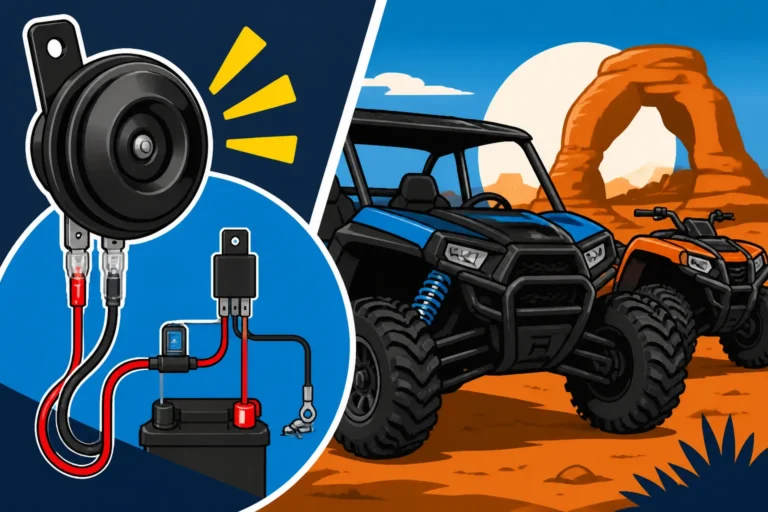
To be considered street legal in Utah, your off-highway vehicle must be equipped with several key components that mirror standard automotive requirements. This isn't just a suggestion; it's the law, and an officer will absolutely be checking for these items. First and foremost, you'll need working headlights, taillights, and brake lights. These aren't just for night riding on the trails; they're essential for visibility on public roads, especially during dawn, dusk, or in inclement weather. Next up are turn signals for both the front and rear, allowing you to clearly indicate your intentions to other drivers. A horn is also non-negotiable for signaling warnings. You'll also need at least one rearview mirror, typically mounted to give you a clear view of traffic behind you, though many riders opt for two for better visibility. Beyond these, a windshield or adequate eye protection (like goggles) is required, along with a license plate securely mounted and illuminated by a working license plate light. And, of course, proper tires for road use are necessary; paddle tires, for example, are a no-go on asphalt. Many riders turn to aftermarket kits from brands like SuperATV to ensure their machines meet all these requirements, often finding comprehensive solutions that simplify the conversion process. You can dive deeper into these specifics in [Utah Street-Legal ATV Equipment Requirements].
Understanding Utah's 50 mph Limit
Utah state law generally permits street-legal OHVs to operate on public roads with posted speed limits of 50 mph or less. This is a critical rule to remember, especially when planning your routes through towns or between trail sections. You cannot legally ride your street-legal UTV or ATV on any road where the posted speed limit exceeds 50 mph, which often includes major highways and interstates. This means you need to be mindful of your mapping and route planning, always ensuring you stick to designated OHV routes or roads that fall within this speed restriction. Even if your machine is capable of much higher speeds, you must obey the posted limit, and never exceed 50 mph. This statewide restriction is designed to keep OHVs on roads where they can safely integrate with other traffic, and it's one of the first things a Utah officer will assess if they pull you over. For more on where you can actually take your machine, check out [Where Street-Legal ATVs Can Drive in Utah].
Driver's License and Age Requirements
Just like driving a car, operating a street-legal OHV on public roads in Utah requires a valid driver's license. This isn't a special OHV-specific license; it's your standard automobile driver's license. You must have it on your person, and it must be current. The age requirement for driving a street-legal OHV on a public road is therefore the same as for driving a car – you must be at least 16 years old. Passengers, however, may have different age restrictions depending on the setup of your machine and local rules, especially concerning seatbelts and child restraints. It's also vital to remember that all occupants must wear seatbelts if the machine is equipped with them, which is typically the case for UTVs. Don't forget that a valid driver's license is distinct from any OHV education certificate you might have for trail riding; for street use, it's about your driving privilege. Understanding these rules is a fundamental part of [Driver License Rules on Utah Roads].
Navigating Local Ordinances: Town by Town
While Utah has statewide laws governing street-legal OHVs, many cities and counties in Southern Utah have adopted their own specific ordinances that further refine how and where you can ride within their boundaries. This is where things can get a little tricky, as what's perfectly legal in Kanab might earn you a ticket in another town if you're not careful. It’s absolutely essential to be aware of the local rules for each community you plan to visit, as they often dictate everything from permissible speed limits on city streets to where you can park.
Moab's Specific OHV Regulations
Moab, often considered the epicenter of Utah's off-roading scene, has a comprehensive set of rules for street-legal OHVs. While the city enthusiastically welcomes riders, it also has strict ordinances designed to manage traffic flow, noise, and safety. One of the most important rules to remember in Moab is the city's specific speed limit for OHVs on city streets, which is often lower than the standard posted limit for cars. For example, a 15 mph limit is common on many main thoroughfares, even if cars are allowed to go faster. This is clearly signposted, so keep an eye out. Additionally, Moab has a robust noise ordinance. Your aftermarket exhaust might sound great out on the trail, but it could lead to a citation on Main Street if it exceeds the city's decibel limits. This is particularly relevant for those who have modified their machines; ensuring your exhaust is compliant is key. It's also important to be aware of parking regulations; while many businesses cater to OHVs, you can't just park anywhere. Always look for designated OHV parking or follow standard parking rules. For a detailed look at speed, refer to [Moab's Speed Limit for OHVs on City Streets], and for noise, check out [Moab's Noise Ordinance and What It Measures].
Kanab's Welcoming Approach
Kanab often gets high marks from riders for its incredibly welcoming and clear approach to street-legal OHVs. The city prides itself on being "OHV friendly," and this is evident in its relaxed regulations. In Kanab, you can typically ride your street-legal OHV on any city street with a posted speed limit of 50 mph or less, adhering to the same traffic laws as other vehicles. Many visitors appreciate the ease with which they can ride directly from their motel to the nearby trails, or cruise Main Street to visit shops and restaurants. This freedom is a major draw for the area, making Kanab a fantastic basecamp for exploring the area's vast network of trails, including access to the stunning Coral Pink Sand Dunes. The local authorities are generally supportive of OHV tourism, but they still expect riders to be respectful, follow traffic laws, and maintain reasonable noise levels. The convenience of [Kanab, Utah: Riding From Your Motel] really makes it stand out.
Hurricane and St. George: What to Expect
The St. George area, including Hurricane, is another popular Southern Utah destination with a mix of rules for OHV access. Hurricane, being closer to major riding areas like Sand Hollow State Park, generally has more permissive rules regarding street-legal OHV use on city streets. Riders often use city roads to access trails or get to fuel and food, treating their street-legal machines much like any other vehicle on roads with limits of 50 mph or less. However, as you move closer into the more urbanized areas of St. George, the rules can become a bit more restrictive. While parts of St. George may allow street-legal OHVs, certain major roads or areas might be off-limits. It's always best to check local signage and specific city ordinances for St. George itself, as the general "OHV friendly" reputation of the broader region doesn't always apply uniformly to every single street within a larger municipality. For example, knowing the specific routes for [Road Access in Hurricane and St. George, Utah] is crucial for planning. The key here is vigilance and common sense: if a road looks like a major arterial or a bustling downtown area, verify access before proceeding.
Richfield, Marysvale, and the Paiute Trail Corridor
The towns nestled along the Paiute Trail system, such as Richfield and Marysvale, are intrinsically linked to OHV culture. These communities thrive on trail tourism, and their local ordinances typically reflect a very OHV-friendly stance. In towns like Marysvale, it's common to see UTVs and ATVs making their way along Main Street, heading to a motel, a restaurant, or directly to a trailhead. The rules are generally straightforward: if your machine is street-legal according to state law, you can ride on most town roads with speed limits up to 50 mph. These towns are part of a corridor that actively encourages trail access and integrates OHVs into the local fabric. Richfield, as a larger hub for the Paiute Trail, also maintains a generally welcoming attitude, allowing riders to utilize city streets to access services and trailheads. Always remember, however, that even in the most OHV-friendly towns, basic traffic laws—stop signs, speed limits, right-of-way—must be observed. The goal is to facilitate seamless travel, which often involves riding from your lodging right onto the trail, as highlighted in topics like [Riding From Marysvale Onto the Paiute Trail].
Practical Tips for a Smooth Main Street Experience
Venturing onto Main Street with your street-legal OHV should be an enjoyable and stress-free part of your Utah adventure. However, it requires a little more thought than just hitting the dirt. Being prepared and mindful of your surroundings can make all the difference, ensuring you have a smooth experience and avoid any potential issues with local authorities or other drivers.
Pre-Ride Checklist for Town Driving
Before you ever turn the key and head toward the paved roads, take a few moments for a quick but thorough pre-ride check. This goes beyond what you might do for a typical trail ride. First, confirm all your street-legal equipment is working perfectly: headlights, taillights, brake lights, turn signals, and horn. Test them all. Is your license plate clean, visible, and illuminated? Check your tires for proper street pressure, which is often higher than what you'd run on the trail, and inspect them for any damage. Next, ensure you have all your essential documents: your valid driver's license, proof of current OHV registration, and proof of insurance. While Utah's general OHV law doesn't always require insurance for trail use, driving on public roads mandates liability insurance, just like a car. Also, keep a copy of your OHV education certificate if applicable. Having these readily available makes any interaction with law enforcement much smoother. Consider investing in a quality phone mount, perhaps from SuperATV, to easily access maps and navigation without fumbling. Don't forget your helmet, even if you’re only going a short distance; it's always a good idea and often required for younger riders or certain road classifications. This preparation is a major part of [What a Utah Officer Looks for on a Street-Legal ATV].
Etiquette and Safety on City Streets
Riding a UTV or ATV on city streets means you're sharing the road with cars, trucks, and often pedestrians. Good road etiquette and safety are paramount. Always drive defensively, anticipating the actions of other drivers who might not be accustomed to seeing an OHV on the road. Use your turn signals well in advance, maintain a safe following distance, and be extra cautious at intersections. Remember, while your machine might feel nimble, it can be harder to see in traffic, especially for larger vehicles. Avoid sudden lane changes or aggressive driving. When passing parked cars, give them a wide berth, and be particularly careful around schools or residential areas where children might be present. Keep your noise levels respectful, especially in quiet neighborhoods. If you're riding in a group, maintain a single file line, leave plenty of space between machines, and avoid blocking traffic. We're ambassadors for the OHV community when we're on city streets, so let's make a good impression.
Parking, Fueling, and Local Amenities
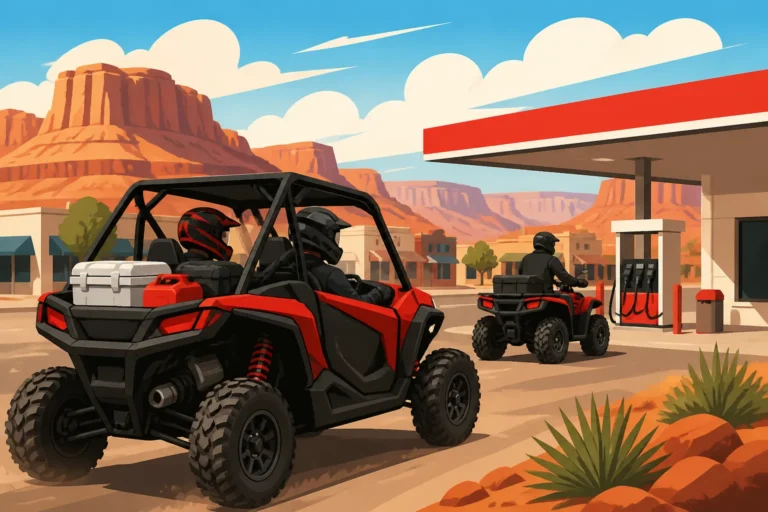
When you're riding Main Street, you'll inevitably need to park or stop for fuel or food. Always look for designated parking spots, and if none are available, park your OHV just as you would a car, ensuring you're not blocking traffic, crosswalks, or business entrances. Many trail towns have specific OHV-friendly parking areas, sometimes even directly adjacent to popular restaurants or shops. When fueling up, treat your machine like any other vehicle; pull up to the pump, fill 'er up, and be mindful of other customers. For places like Moab or Kanab, many businesses actively cater to OHV riders, offering trailer parking, wash stations, and even special deals. Don't be shy about asking locals for recommendations on OHV-friendly spots. Taking advantage of these amenities is part of the fun, and it supports the local economy that makes OHV riding in Southern Utah so special. Finding these convenient spots can be key, as detailed in [Fuel Stops and Parking in Utah Trail Towns].
Common Pitfalls and How to Avoid Them
Even with the best intentions, it's easy to make mistakes when navigating the unique landscape of street-legal OHV riding in Southern Utah. Knowing the common pitfalls can help you steer clear of issues, ensuring your trip remains enjoyable and free of unnecessary fines or frustrations.
Misinterpreting Speed Limits and Signage
One of the most frequent mistakes riders make is assuming that because their machine can go 50 mph, they should always match the posted limit for cars. This is where local ordinances come into play. Many towns, especially in their downtown or historic districts, implement lower speed limits specifically for OHVs, even if cars are allowed to go faster. Always look for signage that specifically mentions OHVs or lower speed limits. Forgetting this can quickly lead to a ticket, and it's also a safety issue for pedestrians and other vehicles. For instance, Moab's 15 mph limit on city streets is a prime example of a specific OHV speed restriction. It's not about being a slow driver; it's about being a legal and safe driver, respecting the local context. Don't just glance at the regular speed limit sign; actively look for OHV-specific indicators.
Overlooking Noise and Exhaust Rules
The roar of a powerful UTV is music to many an off-roader's ears, but on Main Street, it can quickly become a nuisance. Southern Utah towns understand that OHVs are part of their identity, but they also have to consider the peace and quiet of residents and other visitors. Many communities have noise ordinances, with some, like Moab, being quite specific about decibel limits. An aftermarket exhaust system designed for performance on the trails might be perfectly legal for off-road use, but it could be too loud for city streets. If you're planning to ride through towns regularly, consider a quieter exhaust option or ensure your current system meets local noise standards. Ignorance of these rules is not an excuse, and a loud exhaust can attract unwanted attention from law enforcement, leading to a stop and potential fine. For more on this, check [Horns, Mufflers and Utah Noise Limits] and [Moab's Noise Ordinance and What It Measures]. Some riders use SuperATV components to help keep their machines within acceptable sound levels.
The Importance of Up-to-Date Documentation
This might sound like a broken record, but it cannot be stressed enough: always have your current and correct documentation with you. This includes your valid driver's license, your up-to-date OHV registration, and proof of insurance for road use. A common mistake is letting your registration lapse or forgetting to update your address. If you're stopped, the first thing an officer will ask for is your paperwork. Having everything in order demonstrates that you're a responsible rider and can help a brief stop remain just that. A missing document, on the other hand, can lead to delays, additional questions, and even a citation. Keep physical copies in a waterproof bag, or have easily accessible digital versions on your phone. Just make sure your phone is charged! This simple step ensures that your main street cruise stays enjoyable and hassle-free. This ties into [What a Traffic Stop Looks Like on a UTV] and the importance of being prepared.
| Town/City | Street-Legal OHV Access | Typical Speed Limit (OHVs) | Common Restrictions/Notes |
|---|---|---|---|
| Moab | Permitted | 15 mph (city streets) | Strict noise ordinance, specific parking areas, high enforcement. |
| Kanab | Permitted | Posted limits (up to 50 mph) | Very OHV-friendly, use standard traffic laws. |
| Hurricane | Permitted | Posted limits (up to 50 mph) | Good access to Sand Hollow, generally welcoming. |
| St. George | Limited/Permitted | Varies by area | Some main roads restricted, check specific ordinances for urban core. |
| Richfield | Permitted | Posted limits (up to 50 mph) | Paiute Trail hub, highly welcoming, standard traffic laws. |
| Marysvale | Permitted | Posted limits (up to 50 mph) | Paiute Trail hub, seamless trail-to-town access. |
This article is for general informational purposes only and does not constitute professional advice. Laws, prices and regulations vary by location and change over time. Consult a qualified professional for guidance on your specific situation.