Inspection Schedule for an Eight-Year-Old UTV
It can feel like a maze trying to figure out all the rules for off-highway vehicles in Utah, especially when you’re dealing with an older machine you want to make street legal. You've gone through the effort to get your UTV ready for the road, but now you might be wondering, "Does my eight-year-old side-by-side need to be inspected again, and if so, how often?" This guide will cut through the confusion and explain Utah's specific inspection schedule for street-legal UTVs, ensuring you know exactly what’s expected to keep your machine legal on public roads.
Understanding Utah's Street-Legal UTV Inspection Requirements
When you decide to take your UTV from the trail to the street in Utah, there's a clear process for making it street-legal. The age of your machine, whether it's brand new or an eight-year-old workhorse, plays a role in some aspects of its registration and titling, but the core inspection requirements for road use are pretty standard across the board. It's not like the vehicle gets a pass just because it's newer, nor is it singled out for extra scrutiny solely for being older.
The Initial Inspection: Getting Your UTV Road-Ready
Every UTV that is destined for street-legal status in Utah, regardless of its vintage, must pass an initial safety inspection. This isn't a suggestion; it's a mandatory step. You can't just slap a license plate on and call it good. This inspection is where a certified mechanic confirms that your machine meets all the necessary safety and equipment requirements to share the road with cars and trucks.
Think of it as the ultimate checklist. The inspector will be looking for things like proper headlights, tail lights, working turn signals (front and rear), a horn, a rearview mirror (and often a left-side mirror), a windshield or eye protection for all occupants, functional brakes, and a muffler that meets noise standards. Even an eight-year-old Polaris RZR or Can-Am Defender, which might have seen countless miles on the trails, needs to prove it can safely navigate public streets. It’s all about ensuring your machine is predictable and visible to other drivers, and that its basic safety features are up to par. Many riders opt for comprehensive kits from places like SuperATV to ensure they have all the compliant components. You can read more about specific requirements in [Utah Street-Legal ATV Equipment Requirements].
Is There a Recurring Annual Inspection for Street-Legal UTVs?
This is where a lot of confusion comes in, and for good reason! Most people are used to annual safety and emissions inspections for their cars and trucks. It's a routine part of vehicle ownership. However, for street-legal UTVs in Utah, the rules are a little different.
Once your UTV passes that initial street-legal safety inspection and is properly registered and titled for road use, Utah generally does not require a recurring annual safety inspection or emissions test. That's right, for most street-legal UTV owners, including those with an eight-year-old machine, you won't need to take it back to an inspection station every single year just to renew its road-legal status. This is a significant difference from how passenger vehicles are handled and can be a huge relief for UTV owners who are already juggling registration renewals and maintenance. The primary focus after the initial hurdle is simply keeping your vehicle in safe, compliant working order, and renewing your registration as required. For details on how often Utah reassesses street-legal machines, check out [How Often Utah Re-Inspects a Street-Legal ATV].
When Your Eight-Year-Old UTV Might Need a Re-Inspection
While annual inspections aren't typically required, there are specific situations where your eight-year-old street-legal UTV might need to undergo another safety inspection. These aren't routine, but they're important to be aware of to avoid any legal headaches or fines down the road.
Significant Modifications or Changes to Street-Legal Components
Imagine you've had your UTV street legal for a few years, and you decide to upgrade some components. Maybe you install a new lift kit, larger tires, or swap out your lighting system for something more robust. These kinds of significant modifications, especially those that directly impact the original street-legal equipment or the vehicle's dimensions and handling, can trigger the need for a re-inspection.
For example, if you replace your street-legal tires with extreme paddle tires, an officer might question the legality on pavement, or a substantial lift kit could alter headlight aim or stability in a way that warrants another look. Even if you're installing high-quality parts from a reputable brand like SuperATV, it's wise to consider whether the changes are so extensive that they might push your UTV out of compliance with the initial inspection standards. It's not about punishing you for customizing; it's about ensuring that your machine remains safe and legal for road use after modifications. When in doubt, it's always best to err on the side of caution and consult with a certified inspection station. You can find more information about how certain changes affect compliance in [Lift Kits and Utah Street-Legal Rules] and [Tire Rules for Street-Legal Machines].
Moving to Utah or Re-registering After a Lapse
Another scenario involves residency changes or lapses in registration. If you've just moved to Utah with an eight-year-old UTV that was previously street-legal in another state, you'll likely need to go through the Utah street-legal conversion process from scratch, which includes the initial safety inspection. Utah wants to ensure that any vehicle operating on its roads, even if it's already been certified elsewhere, meets its specific standards.
Similarly, if your UTV's street-legal registration lapsed for an extended period, or if you decided to switch it back to off-highway only for a while and now want to re-enable its street-legal status, you might be required to undergo another inspection. The state essentially wants to confirm that the machine still meets all the necessary criteria before granting it road privileges again, especially if there's been a gap where components could have worn out or been removed.
Specific Enforcement Actions or Accidents
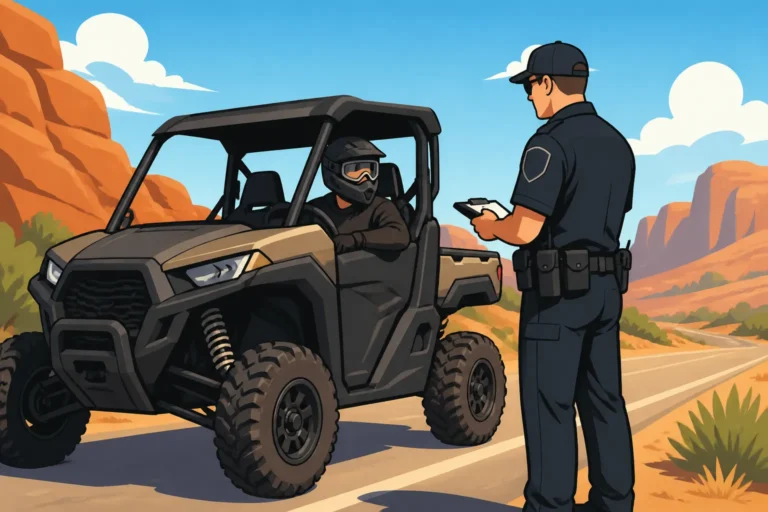
Sometimes, a re-inspection isn't something you initiate, but rather something that's required of you. If you're pulled over by law enforcement and an officer observes a significant safety issue or a component that appears out of compliance with street-legal requirements, they might issue a fix-it ticket that mandates a re-inspection to verify the issue has been corrected. This could be anything from a non-functioning turn signal to an excessively loud muffler.
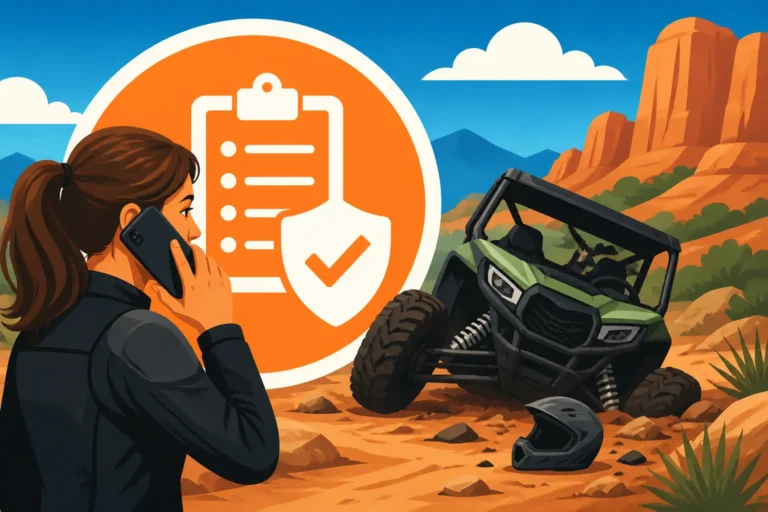
Likewise, if your eight-year-old UTV is involved in an accident that compromises any of its street-legal equipment – say, a broken headlight, damaged mirrors, or frame damage that affects steering – you would almost certainly need to repair those issues and pass another safety inspection before it could legally return to public roads. It's all about public safety, and ensuring that any damage affecting roadworthiness is properly addressed.
Here's a quick overview of inspection triggers:
| Condition | Initial Street-Legal Inspection | Re-Inspection Likely Required |
|---|---|---|
| New street-legal conversion | Yes | No |
| Annual renewal (no major changes) | No | No |
| Significant equipment modification | No | Yes |
| Moving to Utah (out-of-state machine) | Yes | No |
| Re-activating lapsed street-legal status | No | Yes |
| Law enforcement citation for defect | No | Yes |
| Accident impacting street-legal parts | No | Yes |
What a Utah Officer Checks on a Street-Legal ATV
Even without annual re-inspections, your responsibility as a street-legal UTV owner doesn't end after the initial inspection. You have a continuous obligation to ensure your machine remains compliant with all road-legal requirements. Think of it this way: while the state isn't checking annually, any law enforcement officer on patrol can and will.
Essential Equipment for Continued Road Legality
When a Utah Highway Patrol trooper or local sheriff's deputy pulls you over, whether for a traffic infraction or just a routine stop, they're going to quickly glance over your UTV for the tell-tale signs of legal compliance. They'll be looking for things that were initially checked during your street-legal inspection.
This includes obvious items like fully functional headlights and tail lights, working turn signals on both the front and rear, and a visible horn. They'll also check for proper mirrors (at least one rearview, and often one on the left side, though rules can vary slightly), a windshield or eye protection for everyone in the vehicle, and an illuminated license plate light at night. Your tires need to be DOT-approved and in good condition, and your muffler must meet noise regulations. If any of these items are missing, broken, or clearly non-compliant, you could face a citation. For example, if you just installed some new turn signals from SuperATV, make sure they are properly wired and working! Getting pulled over for an easily preventable issue is incredibly frustrating. You can find a comprehensive list of what officers look for in [What a Utah Officer Looks for on a Street-Legal ATV].
Beyond the Equipment: Documentation and Driver Requirements
Beyond the physical attributes of your eight-year-old UTV, an officer will also check your documentation and ensure you meet driver requirements. This means having your valid driver's license, proof of current street-legal registration for your UTV, and valid liability insurance. Utah law requires insurance for any street-legal vehicle, just like a car.
It’s easy to forget these critical pieces of paper when you’re used to just grabbing your helmet and hitting the trails, but for road use, they are non-negotiable. Carrying digital proof on your phone is often accepted, but it's always smart to have a physical copy too, especially in areas with spotty cell service. Knowing these rules and being prepared can save you a lot of hassle. Understanding topics like [Insuring a Utah UTV That Never Leaves the Trail] can help clarify your obligations.
So, while your eight-year-old UTV might not need to go through an annual ritual at an inspection station, maintaining its street-legal components and keeping your documentation in order is a year-round responsibility. It's all part of the privilege of riding your side-by-side on Utah's scenic roads and through welcoming towns like Moab or Kanab. Knowing the rules means you can focus on the adventure, not the worries.
Disclaimer
This article is for general informational purposes only and does not constitute professional advice. Laws, prices and regulations vary by location and change over time. Consult a qualified professional for guidance on your specific situation.