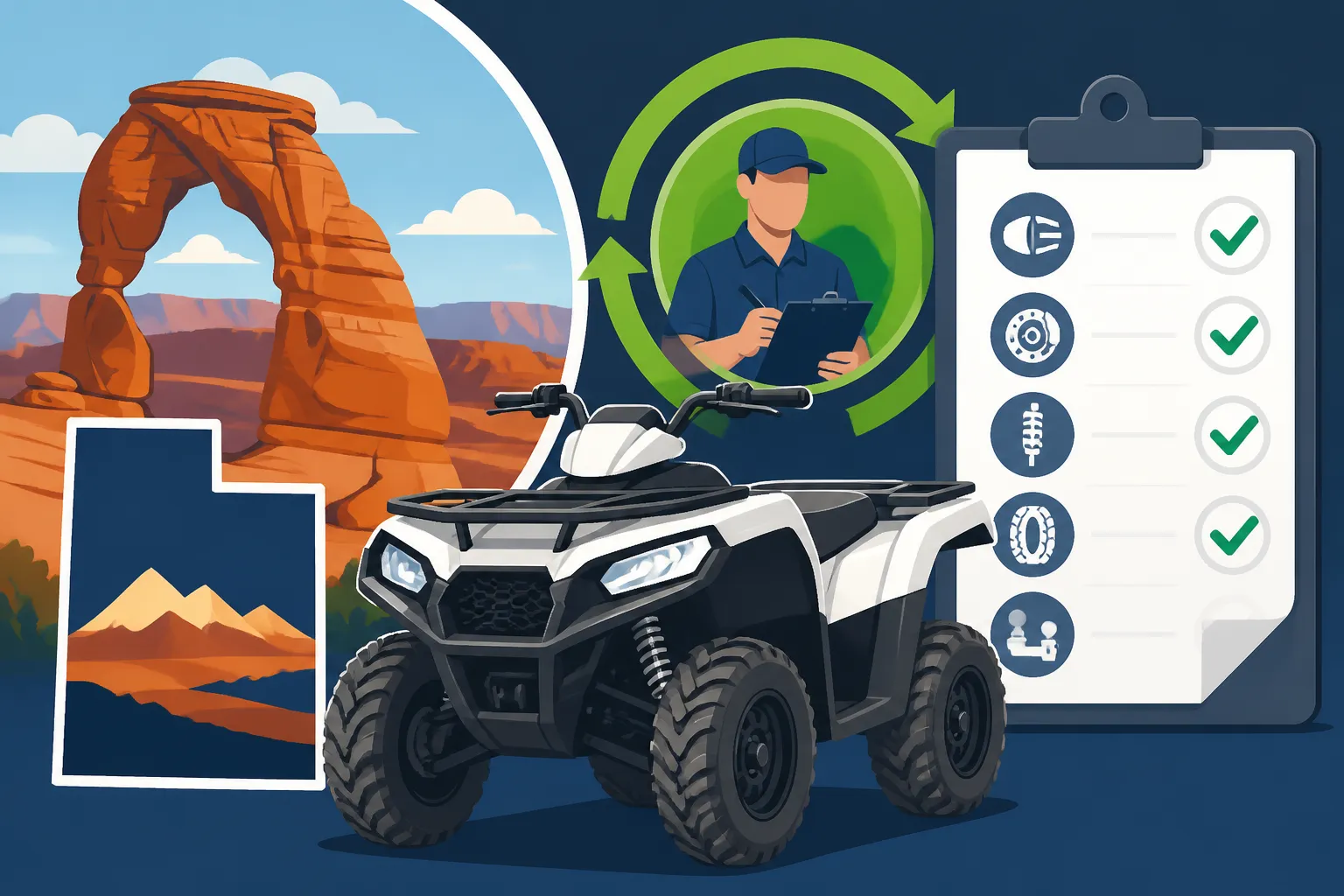
How Often Utah Re-Inspects a Street-Legal ATV
One of the biggest questions that pops up once you've gone through all the effort to make your ATV or UTV street-legal in Utah is, "Okay, so now what? Do I have to do this whole inspection song and dance every year?" It's a valid concern, because nobody wants to deal with unexpected bureaucracy or find themselves on the wrong side of the law simply because they missed a deadline or weren't clear on the ongoing requirements. This guide is all about shedding light on Utah's rules for how often your street-legal off-highway vehicle (OHV) needs to be re-inspected, what those inspections cover, and what you need to do to keep your rig legal on the pavement.
The Initial Hurdle: Getting Street-Legal in the First Place
Before we dive into how often you'll need to re-inspect, it’s worth a quick refresher on just what it takes to get that coveted street-legal status in Utah. Many riders initially feel overwhelmed by the process, thinking it's a one-and-done deal with the DMV, but there are specific steps and ongoing obligations to understand. You’re not just bolting on a few parts; you’re committing to a different class of vehicle operation.
Understanding Utah's Conversion Requirements
Transforming an off-highway vehicle into something that can legally share the road with cars isn't just about personal preference; it's about meeting a very specific set of safety and equipment standards set by the state of Utah. This isn't like adding a cool accessory for the trails; these are mandatory items designed to ensure your machine is visible, controllable, and predictable to other drivers. You'll need things like proper headlights, tail lights, brake lights, turn signals, a horn, mirrors on both sides, and usually a windshield or eye protection. Beyond that, your tires need to be DOT-approved, your exhaust system has to meet noise limits, and you'll even need a speedometer.
Many riders turn to kits from companies like SuperATV that package these essential components, making the conversion process much smoother. But even with a kit, it's crucial to understand what each component does and how it needs to function. It’s not just having the part; it’s having it installed correctly and working as intended. For instance, turn signals aren't just for showing intent; they have to be visible from specific angles and distances, which can be tricky on some UTV designs. Understanding the nuances here is the first step toward sailing through any inspection, initial or subsequent. You can find more details on these parts in [Utah Street-Legal ATV Equipment Requirements].
The First Inspection: What it Entails
Your very first inspection for street-legal conversion is the big one. This is where your OHV goes from being a purely recreational machine to a bona fide road-going vehicle in the eyes of the law. It’s typically a thorough check where a certified inspector meticulously goes over every single item on the state's checklist. They're looking for compliance with all the equipment requirements we just talked about, but also structural integrity, proper wiring, and general roadworthiness. Think of it like getting a vehicle ready for a driving test – every detail matters.
During this initial inspection, the inspector isn't just checking off boxes; they're often providing guidance and pointing out potential issues that might arise down the road. They understand that most riders are new to this process, and they want to ensure your safety and the safety of others on the road. Once your machine passes this rigorous initial inspection, you'll receive the necessary documentation to apply for your street-legal plates and registration from the Utah DMV. This is a huge milestone, and it's what truly opens up those paved roads for your adventures. Remember, this first inspection is non-negotiable and sets the baseline for all future legal road use.
The Core Question: How Often is Re-Inspection Required?
This is the burning question for many riders once they've tasted the freedom of street-legal OHV use. Do you have to go through that extensive inspection process every single year? It's a common misconception that every vehicle, once inspected, is good to go for years. However, Utah has specific rules designed to ensure ongoing safety for street-legal machines.
The General Rule: Annual Safety Inspections
The good news, or perhaps slightly less good news depending on your perspective, is that once your ATV or UTV has successfully passed its initial street-legal safety inspection, Utah requires it to undergo a safety inspection every year. Yes, just like a regular passenger car or truck, your street-legal OHV needs an annual check-up to ensure it remains compliant with road safety standards. This isn't about re-proving its capability to convert; it's about verifying that all those critical components are still in good working order and haven't worn out or been damaged.
This annual inspection is tied directly to your vehicle's registration renewal. When it comes time to renew your street-legal registration and plates, you'll need a current, valid safety inspection certificate on file. If you try to renew without one, the system will flag it, and you won't be able to complete the process. This system is designed as a consistent reminder to maintain your machine's roadworthiness. It might feel like a chore sometimes, especially if you rarely use your OHV on the street, but it's a critical component of Utah's commitment to road safety. This ensures that the turn signals you installed a year ago are still flashing brightly, and your brake lights aren't burned out. For more on the inspection process, check out [Utah's Street-Legal ATV Inspection, Step by Step].
What Triggers Additional Inspections
While the annual safety inspection is the primary requirement, there are specific situations where your street-legal ATV or UTV might need an inspection outside of that yearly cycle. These aren't random; they're usually triggered by significant events or changes to the vehicle.
For instance, if your OHV is involved in a serious accident that results in a salvage title, it will almost certainly require a comprehensive safety inspection after repairs are completed before it can be put back on the road. The state wants to ensure that any structural damage or compromised safety features have been properly addressed. Similarly, if you undertake major modifications that alter critical safety components – say, you change out your entire lighting system or significantly modify your suspension – it's wise to consider a voluntary inspection to ensure everything still meets Utah's standards. While not always legally mandated before your next annual inspection, being proactive can save you headaches later.
Another scenario could be if a law enforcement officer pulls you over and observes a significant safety defect, such as non-functioning brake lights or an excessively loud exhaust. They might issue a fix-it ticket that requires you to get an inspection and prove the repair before the fine is dismissed. These situations highlight the importance of not just passing the initial inspection but consistently maintaining your machine. Even if you're just swapping out a worn tie rod, it's good practice to ensure everything is torqued to spec and functions correctly before hitting the pavement again.
What the Annual Inspection Checks For
So, you know you need an annual inspection, but what exactly are they looking at? It’s not quite as intense as the very first conversion inspection, but it’s far from a cursory glance. Inspectors are trained to look for specific safety components and signs of wear and tear that could compromise your ability to operate safely on public roads.
Essential Safety Components
During your annual safety inspection, the inspector will primarily focus on the critical safety components that make your OHV roadworthy. This includes, but isn't limited to:
- Brakes: They'll check the functionality of both your service brakes and parking brake. They're looking for adequate stopping power, proper pedal/lever feel, and no signs of excessive wear on pads or rotors. They'll also ensure there are no fluid leaks and lines are intact.
- Lights: Every light on your machine is fair game. Headlights (high and low beam), tail lights, brake lights, turn signals, and your license plate light all need to be functional and correctly aimed. They'll also check if your reflectors are present and clean. If you used an aftermarket kit from a reputable brand like SuperATV, these components should meet the initial standard, but bulbs can burn out and wiring can come loose over a year of trail riding.
- Horn: A working horn is essential for alerting other drivers to your presence.
- Mirrors: Both side mirrors must be securely mounted and provide a clear view to the rear.
- Windshield/Eye Protection: If you have a windshield, they'll check for cracks or obstructions that impair visibility. If you don't have one, they'll confirm you have other eye protection (like goggles) available.
- Tires: DOT-approved tires are a must. They'll check tread depth for adequate grip and look for any signs of damage, bulges, or excessive wear.
- Steering and Suspension: They'll check for excessive play in the steering system, worn ball joints, tie rods, and proper shock/spring function. Any loose or damaged components here can severely impact your control.
- Exhaust System: The exhaust must be free of leaks and meet state noise requirements. They’re not usually checking for emissions, but rather for excessive noise.
It's a comprehensive list designed to catch issues before they become hazards. Getting a feel for these checks can help you do a pre-inspection walkthrough of your own machine, addressing small issues before you even get to the station. This saves you time and potential re-inspection fees down the line.
Roadworthiness Beyond Basic Lights and Horn
While the primary focus is on the explicit equipment list, inspectors also assess the overall roadworthiness of your machine. This goes beyond just "does it have a horn?" to "is this machine safe to be driven on public roads?" They're looking for general structural integrity and anything that might pose an immediate danger.
For example, they'll check for loose body panels, damaged frames, or any signs of leaks (oil, coolant, fuel). A machine with obvious structural damage from a previous rollover, even if the lights work, might not pass. They'll also look at things like seatbelts – ensuring they are present, functional, and free from frays or damage. Even minor details, like a missing gas cap or a poorly secured battery, can sometimes lead to a failed inspection, as these can present fire or explosion risks. The goal is a holistic assessment: does this OHV truly belong on the road, alongside cars and trucks, without posing undue risk to its occupants or other drivers? This is why choosing quality parts for your conversion, and maintaining them diligently, is so important. Regular maintenance, even simple things like checking tire pressure and lug nuts, can make a huge difference in an inspection.
| Inspection Item | What the Inspector Checks For | Common Failure Points |
|---|---|---|
| Brakes | Functionality, stopping power, fluid leaks, pad/rotor wear, parking brake | Worn pads, spongy pedal, non-functional parking brake |
| Lights | Headlights (high/low), tail, brake, turn signals, license plate light, reflectors | Burned out bulbs, dim lights, faulty wiring, improper aiming |
| Horn | Proper function and audible sound | Non-functional, weak sound |
| Mirrors | Secure mounting, clear visibility, presence of two mirrors | Cracked glass, loose mounting, missing mirror |
| Windshield/Eye Prot. | Clear view, no cracks (if present); rider has goggles/glasses | Impaired visibility, no eye protection |
| Tires | DOT approval, tread depth, signs of damage (bulges, cracks) | Non-DOT tires, bald tread, significant sidewall damage |
| Steering/Suspension | Excessive play, worn components (ball joints, tie rods), proper function | Loose steering, worn bushings, bent components |
| Exhaust System | No leaks, meets noise regulations | Holes, excessive noise |
| Seatbelts | Presence, functionality, no damage | Frayed belts, non-retracting, broken buckles |
| Overall Structure | No significant frame damage, secure body panels, no fluid leaks | Bent frame, loose panels, active fluid leaks |
Finding a Certified Inspection Station in Utah
You've got your machine ready, you know what they're looking for, but where do you actually take it for this annual check-up? You can't just roll into any garage and expect them to handle it. Utah has a specific system for vehicle inspections.
Authorized Facilities and Their Role
In Utah, safety inspections for all vehicles, including street-legal ATVs and UTVs, must be performed by a certified inspection station. These are typically licensed automotive repair shops, dealerships, or service centers that have gone through a certification process with the state. They have technicians specifically trained and licensed to perform these inspections according to state guidelines. You'll often see a sign outside these businesses indicating they are an "Official Utah Safety Inspection Station."
These authorized facilities play a crucial role in maintaining road safety. They act as a critical checkpoint, ensuring that vehicles on Utah's roads meet minimum safety standards. They are equipped with the tools and the knowledge to thoroughly check your OHV. Don't be shy about asking if they routinely inspect street-legal OHVs when you call to make an appointment; while they are certified for all vehicles, some shops might be more familiar with the specific quirks of a converted UTV than others. Often, places that specialize in off-road accessories or larger vehicle service might be a good bet, as they're more accustomed to the dimensions and components of these machines. Consider calling ahead to confirm they handle [Utah Street-Legal ATV Inspection, Step by Step] for your type of vehicle.
Tips for a Smooth Inspection Process
To make your annual inspection as smooth and stress-free as possible, a little preparation goes a long way. Nobody enjoys showing up for an appointment only to be turned away or told they need significant repairs before passing.
- Do a Pre-Inspection Check: Before you even leave your driveway, do your own quick walkthrough. Test all your lights (headlights, tail, brake, turn signals), honk the horn, check your mirrors, and ensure your tires have good tread and proper pressure. Look for any obvious fluid leaks or loose components. This self-check can catch simple issues like a burned-out bulb, which is an easy fix that could otherwise cause a failure.
- Clean Your Machine: While not a direct inspection point, bringing a clean vehicle shows respect for the inspector and makes it easier for them to do their job. Mud and grime can obscure issues or make it difficult to access certain components.
- Bring Your Documentation: While they might access your vehicle's history, having your current registration and any previous inspection reports handy can be helpful, especially if there are any unique details about your machine.
- Schedule an Appointment: Don't just show up. Call ahead to schedule an appointment. This ensures they have a certified inspector available and that you won't be waiting around for hours. Ask about their experience with OHV inspections.
- Be Prepared for Minor Repairs: If your machine is older or gets a lot of use, it's not uncommon to need a minor repair, like a bulb replacement, during the inspection. Some stations can do these on the spot, but be prepared for the possibility that you might need to take it elsewhere for more extensive work and then return for a re-inspection.
- Understand the Cost: There's a fee for the safety inspection, similar to a car. While I can't provide specific figures, be aware that it's a standard service charge. It's usually a flat fee, regardless of whether you pass or fail.
By following these tips, you'll not only increase your chances of passing on the first try but also demonstrate to the inspection station that you're a responsible OHV owner who takes road safety seriously.
Common Reasons for Failing a Re-Inspection
It's a bummer, but sometimes machines don't pass on the first go. It's not the end of the world, but it helps to know the most common culprits so you can prevent them or address them proactively. Failing an inspection usually comes down to either typical wear and tear or modifications that didn't quite hit the mark.
Wear and Tear That Trips Up Riders
Just like any vehicle, street-legal ATVs and UTVs experience wear and tear, especially when they're ridden hard on the trails and the street. What might be perfectly acceptable for trail use could be a red flag for a road safety inspection.
- Worn Tires: This is probably the most frequent reason for failure. Off-road tires, even DOT-approved ones, can wear down quickly on pavement. Inspectors are looking for adequate tread depth across the entire tire surface. Cupping, excessive wear on one side, or visible damage like cuts or bulges will also lead to a failed inspection. Many riders forget that the softer compounds of some ATV/UTV tires aren't designed for constant asphalt contact.
- Burned-Out Bulbs: Another common, yet easily preventable, issue. A brake light out, a turn signal not flashing, or a dim headlight can all cause a fail. Vibration from off-road use can loosen connections or shorten bulb life.
- Worn Steering/Suspension Components: Loose tie rods, bad ball joints, or worn bushings create excessive play in the steering or suspension. On the trail, this might just feel a bit "sloppy," but on the road, it significantly impacts control and safety, making it a definite fail.
- Brake Issues: Worn brake pads, rotors that are beyond their service limit, or even a parking brake that doesn't hold can all lead to a failed inspection. Many riders don't pay enough attention to brake maintenance until performance drops severely.
- Cracked Windshields or Mirrors: A spiderweb crack in your windshield or a broken mirror obstructs vision and presents a safety hazard. These need to be clear and functional.
These are all issues that regular pre-ride checks and scheduled maintenance can catch. Being proactive about replacing worn items, rather than waiting for them to fail, will save you a trip back to the inspection station.
Modifications That Don't Meet Standards
While many riders love customizing their machines, some modifications, particularly those made after the initial street-legal conversion, can cause issues during re-inspection if they don't comply with Utah's standards.
- Non-DOT Approved Lights: You might install a super-bright light bar for night riding on the trails, but if it doesn't have the proper DOT stamping for use as a headlight or is improperly wired to be on with your low beams, it can be a problem. Similarly, aftermarket turn signals or taillights that aren't visible enough or don't meet specific color requirements can cause issues.
- Excessively Loud Exhausts: Many aftermarket exhausts are designed for performance and sound, not necessarily for meeting street-legal noise limits. If your exhaust system is too loud, or has been modified to bypass sound-dampening components, you'll likely fail. Utah has clear guidelines on noise.
- Incorrect Tire Size/Type: While lift kits are popular, if they require tires that are no longer DOT-approved or if the tire size interferes with safe steering or body components, it can lead to a failure. For example, [Tire Rules for Street-Legal Machines] states specific requirements that need to be met.
- Improperly Installed Accessories: Even seemingly innocuous accessories can cause problems if they obstruct lights, mirrors, or driver visibility. For instance, a large cargo box that blocks your tail lights, or a whip flag mount that obscures a turn signal.
- Bypassed Safety Features: Never, ever bypass factory safety features like seatbelt interlocks or roll-over protection systems. These are critical for occupant safety and tampering with them is a surefire way to fail an inspection and risk serious injury.
When considering any modification, especially after your initial street-legal conversion, always think about its impact on road safety and compliance with Utah's inspection standards. If in doubt, consult with a certified inspection station or refer to the state's official guidelines. Sometimes, a component like an upgraded A-arm from SuperATV that enhances trail performance might not impact road-legality, but an aftermarket light bar that lacks proper street functions definitely could.
Consequences of Skipping Your Street-Legal Re-Inspection
Life gets busy, and sometimes things slip through the cracks. But when it comes to your street-legal OHV's annual inspection in Utah, letting it lapse can lead to some inconvenient, and potentially expensive, consequences. This isn't just about a simple reminder; it's about maintaining your legal right to operate on public roads.
The Risks of Riding an Uninspected Machine
Operating a street-legal ATV or UTV on public roads in Utah without a current safety inspection certificate is essentially riding an illegally registered vehicle. This isn't a minor infraction that goes unnoticed. Law enforcement officers are trained to spot expired inspection stickers or unregistered vehicles.
The immediate risk is a traffic citation and associated fines. A police officer can pull you over and issue a ticket for operating a vehicle that doesn't have a current safety inspection. These fines can add up, and they're usually more expensive than the inspection fee itself. Beyond the direct financial penalty, you'll still have to get the inspection done to clear the citation and avoid further legal trouble. This means double the hassle and expense.
Even more significant than a ticket is the potential impact on your insurance coverage. While your street-legal OHV might be insured, operating it illegally (without a valid inspection) could potentially void certain aspects of your policy in the event of an accident. Imagine being involved in a collision while riding on the street, only to find out your insurance company denies a claim because you weren't compliant with state safety regulations. That could leave you on the hook for significant damages and medical bills. It’s a gamble that’s simply not worth taking. Staying compliant by getting your annual inspection is a small price to pay for peace of mind and full legal protection. You can read more about [Insurance for a Street-Legal Machine in Utah] to understand your coverage better.
Repercussions on Your Registration and Plate
The annual safety inspection is intrinsically linked to your street-legal OHV's registration renewal process in Utah. This means that if you don't get your inspection done, you won't be able to renew your vehicle's registration and, consequently, your street-legal license plate.
When your registration expires, your license plate becomes invalid. Riding with an expired plate is another easily detectable offense for law enforcement, leading to further tickets, fines, and potentially even your machine being impounded. Nobody wants their beloved UTV towed away from a trailhead because of an oversight with paperwork!
Furthermore, a lapse in registration can sometimes lead to additional late fees when you finally do get around to renewing, adding to the overall cost. The system is designed to create a mandatory loop: inspection -> registration -> road use. Break that loop, and you break your legal access to paved roads. It's much simpler and less costly to mark your calendar for that annual inspection and get it done proactively. Think of it as part of the routine maintenance for your street-legal status, just as important as changing your oil or checking your air filter. Staying on top of these requirements ensures your street-legal adventures remain stress-free and fully compliant with Utah's regulations.
Disclaimer
This article is for general informational purposes only and does not constitute professional advice. Laws, prices and regulations vary by location and change over time. Consult a qualified professional for guidance on your specific situation.