Proof of Insurance for a Street-Legal Conversion
So, you've finally taken the plunge and converted your trusty ATV or UTV into a street-legal machine, ready to hit paved roads from Moab to Marysvale. That's a huge accomplishment, and it opens up so many new riding possibilities! But with that exciting new freedom comes a crucial piece of paperwork that can often feel like an afterthought: proof of insurance. It's easy to get caught up in the mechanical conversions and inspections, only to find yourself scratching your head about what exactly Utah requires for insurance once you're on public roads. This guide is here to clear up all that confusion, walking you through why insurance is vital, what kind you need, and how to make sure you're properly covered.
Why Insurance is a Non-Negotiable for Your Street-Legal OHV in Utah
Converting your off-highway vehicle (OHV) to be street-legal isn't just about adding turn signals and a horn; it fundamentally changes how your machine is viewed under Utah law. Once it can legally traverse public streets and highways, it's no longer just a recreational vehicle for the dirt. It becomes, in the eyes of the law, very much like any other motor vehicle. This shift brings with it responsibilities, chief among them being proper insurance coverage. Skipping this step can lead to some truly unpleasant surprises, far worse than a flat tire on the trail.
The Legal Mandate for Utah Road Use
Let's be blunt: driving any motor vehicle on public roads in Utah without liability insurance is against the law. Period. This isn't just a suggestion or a good idea; it's a legal requirement that applies equally to your street-legal ATV or UTV as it would to your pickup truck or family sedan. The state doesn't make exceptions for vehicles that can also go off-road. If your street-legal machine is on a highway, county road, or city street, you are expected to carry valid insurance.
Imagine you're cruising through Kanab after a long day of riding, heading back to your motel, and you get pulled over for a minor traffic infraction. When the Utah officer asks for your registration, driver's license, and proof of insurance, you better have it. Not having current insurance can result in significant fines, potential impoundment of your hard-earned street-legal machine, and even the suspension of your driving privileges. It’s a risk simply not worth taking, especially after all the effort you put into making your rig compliant. An officer will absolutely be looking for this, along with other essential items, as detailed in [What a Utah Officer Looks for on a Street-Legal ATV].
Protecting Yourself, Your Machine, and Others
Beyond the legal penalties, consider the practical and financial nightmare an accident without insurance could cause. Let’s say, heaven forbid, you're involved in a fender bender with another vehicle. If you're at fault and don't have liability insurance, you are personally responsible for all the damages you cause to the other driver's vehicle and any medical expenses for their injuries. We're talking tens of thousands of dollars, easily. This isn't just a hypothetical; it’s a very real scenario that can derail your finances for years.
Furthermore, you've likely invested a significant amount of money and effort into your street-legal OHV. From the initial purchase price to all the modifications needed for [Utah Street-Legal ATV Equipment Requirements], your machine is an asset. Without insurance, if your OHV is damaged in an accident or even stolen, you’re on the hook for all repair or replacement costs out of your own pocket. This could undo all the hard work and enjoyment your street-legal conversion was supposed to bring. Having the right coverage protects your investment and ensures that a moment of misfortune doesn't turn into a financial catastrophe. It allows you to enjoy the freedom of road access without constantly worrying about the "what ifs."
Understanding Utah's Minimum Insurance Requirements for Street-Legal OHVs
Once you understand why insurance is so important, the next step is knowing what kind of insurance Utah requires. It’s not just about having "some" insurance; it's about meeting specific minimum coverage levels, particularly for liability. However, smart riders often choose to go beyond these bare minimums for true peace of mind.
Utah's Liability Coverage Thresholds
For any motor vehicle operating on Utah's public roads, including your street-legal ATV or UTV, the law mandates specific minimum amounts of liability coverage. This coverage is designed to protect other people and their property if you are found to be at fault in an accident. It does not cover damage to your own machine or your own medical expenses.
Typically, Utah requires a split-limit liability coverage. This means your policy must provide at least:
- Bodily Injury Liability: A minimum amount per person for injuries you cause in an accident.
- Total Bodily Injury Liability: A maximum amount per accident for all injuries you cause.
- Property Damage Liability: A minimum amount for damage you cause to another person's property.
These figures are the absolute minimum, and while they keep you legal, they might not be enough to cover serious accidents, which can quickly exceed these limits. Anything above your policy's maximum payout becomes your personal financial responsibility. Many experienced riders will tell you that the state minimums are just that – minimums – and often inadequate. You can read more about these specific figures and their implications in [Liability Limits Utah Requires on the Road]. When you're dealing with insurance policies and the legal language within them, it can feel like a foreign tongue. While a service like LawDepot might typically be used for creating documents like a [Bill of Sale Requirements for a Utah ATV Sale], their general templates and definitions for various agreements can sometimes help you become more familiar with the structure and terminology commonly found in legal and contractual documents, making it easier to understand your insurance policy from a licensed provider.
Beyond the Basics: Comprehensive, Collision, and Other Coverages
While liability insurance is the only legally mandated coverage for road use, there are several other types of coverage that are highly recommended for your street-legal OHV. These are what truly protect your investment and your well-being.
- Collision Coverage: This is vital. Collision insurance pays for damage to your own ATV or UTV if it collides with another vehicle, an object (like a fence or guardrail), or if it rolls over. If you're at fault in an accident and don't have collision coverage, you'll be paying for all repairs to your machine yourself. Considering the [Cost to Make a UTV Street Legal in Utah] and the value of modern OHVs, this can be a hefty expense.
- Comprehensive Coverage: Think of comprehensive as protection against non-collision incidents. This covers damage to your street-legal OHV from events like theft, vandalism, fire, natural disasters (hail, floods), or hitting an animal (like a deer on a backroad). This is particularly important if your machine is often parked outside or stored away from your direct supervision.
- Uninsured/Underinsured Motorist (UM/UIM) Coverage: This is a smart addition in an imperfect world. UM/UIM protects you if you're involved in an accident with a driver who either has no insurance or not enough insurance to cover your damages and injuries. It essentially acts as your own insurance company in such a scenario, stepping in to cover what the at-fault driver's policy cannot.
- Medical Payments (MedPay) or Personal Injury Protection (PIP): These coverages help pay for medical expenses for you and your passengers, regardless of who was at fault in an accident. This can be a real lifesaver, as even minor injuries can incur significant medical bills.
While these additional coverages aren't required by Utah law for road use, they provide a much more robust financial safety net. When you're investing in a street-legal conversion, it makes sense to protect that investment fully. Many insurance providers offer specific policies for [Insurance for a Street-Legal Machine in Utah], so be sure to discuss all your options with your agent.
Obtaining and Presenting Your Proof of Insurance
So, you know you need insurance, and you know what types of coverage are available. Now, how do you actually get it, and what does that "proof" look like when you're asked for it? This is where the rubber meets the road, literally.
Working with Your Insurance Provider
The first step is to contact your existing auto insurance carrier. Many major insurance companies that cover cars and trucks also offer policies for street-legal ATVs and UTVs. It’s often beneficial to bundle policies for potential discounts, so starting with your current provider is a good move. If your current provider doesn't offer suitable coverage, or you're looking for more specialized options, there are also dedicated OHV insurance providers and independent brokers who can shop around for you.
When you contact them, it is absolutely critical that you explicitly state that your ATV or UTV is street-legal and will be operated on public roads and highways. This is a key distinction from a policy that only covers off-highway use, which typically has different risk assessments and coverage types. Your insurance provider will need specific information about your machine, including its Vehicle Identification Number (VIN), make, model, and year. They may also ask about the modifications you've made to ensure it meets street-legal requirements, as these can affect the valuation and type of coverage needed. Don't leave any details out; transparency ensures you get the right coverage for your specific needs. Just as you'd use a resource like LawDepot to ensure all the necessary fields are completed accurately on a legal form, make sure you provide all the correct information to your insurance provider to avoid any future claim complications.
What Your Proof of Insurance Needs to Show
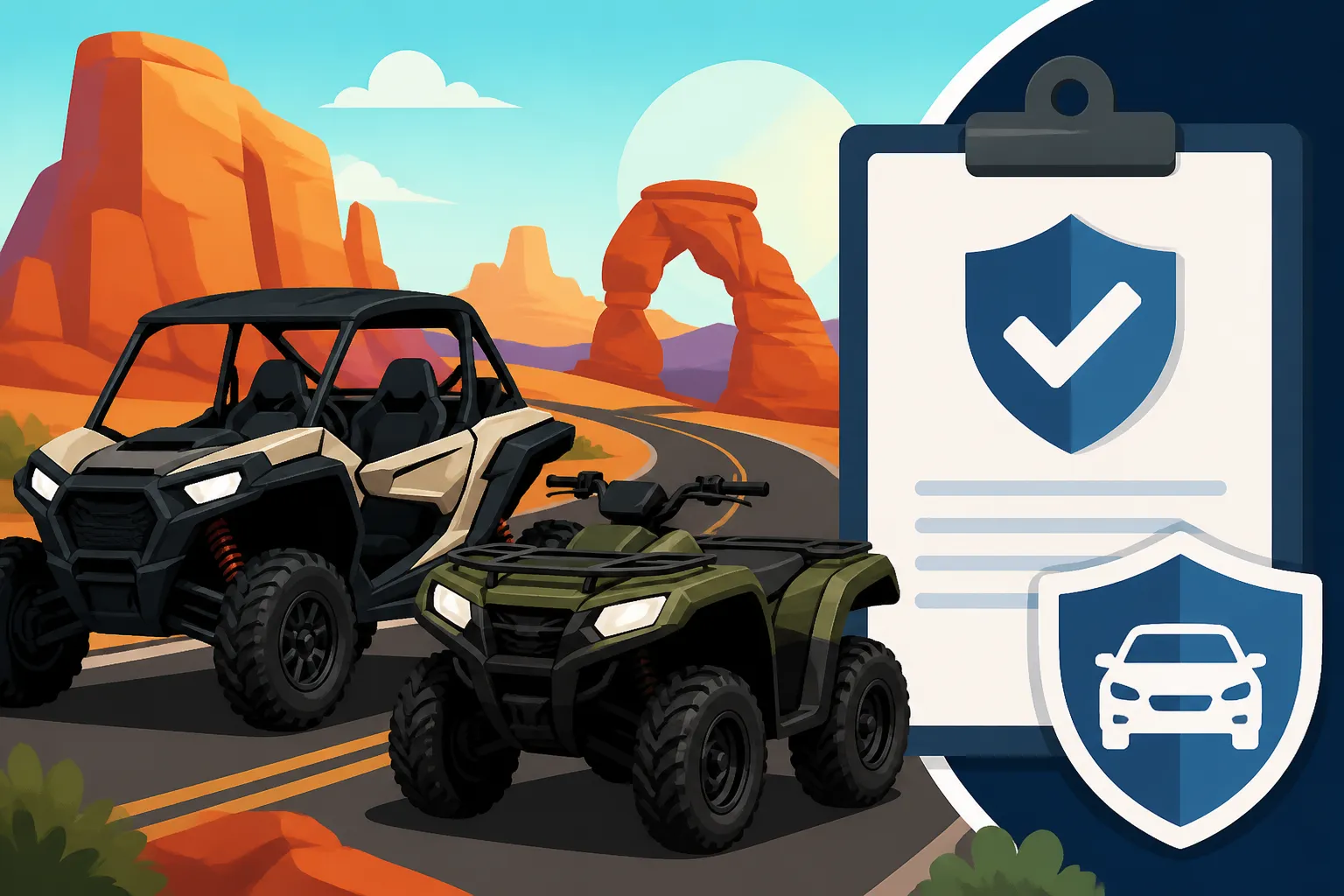
Once your policy is active, your insurance company will provide you with a proof of insurance card (or "declaration page"). This document is what you'll present to law enforcement if ever requested. Your proof of insurance needs to clearly display several key pieces of information:
- Your Policy Number: A unique identifier for your insurance policy.
- Effective Dates: The start and end dates of your coverage period. This is crucial; an expired card is not valid proof.
- Name of Insured: Your name (or the name of the policyholder).
- Vehicle Description: Details identifying your street-legal OHV, including the VIN, make, and model.
- Types of Coverage: While not always detailed on the small card, it confirms you have the legally required liability.
It's vital that the document you carry is current and valid. An expired insurance card means you’re technically driving uninsured, even if you’ve paid your premium. Always keep an updated copy with you whenever your street-legal OHV is in operation on public roads. Accepted forms of proof usually include a physical card, but many jurisdictions, including Utah, now accept digital proof on your smartphone. [Carrying Digital Proof of Registration on the Trail] is a common practice, and the same applies to your insurance. Just make sure your phone is charged! This proof is not just for traffic stops; it's also often required during crucial steps like [Utah's Street-Legal ATV Inspection, Step by Step].
Special Scenarios and Important Considerations
Navigating insurance can sometimes feel like a maze, especially with unique vehicles like street-legal ATVs and UTVs. There are a few common questions and scenarios that riders often encounter, and understanding them can save you a lot of headache.
Street-Legal OHVs and Existing Auto Policies
A frequent question is whether you can simply add your newly street-legal ATV or UTV to your existing car insurance policy. The good news is, often, yes! Many major insurance carriers will allow you to add your OHV as an additional vehicle to your current auto policy, especially if it's street-legal. This can sometimes lead to multi-vehicle discounts and simplify your insurance management by keeping everything under one roof.
However, there are important details to clarify with your agent. Some standard auto policies might have exclusions for off-road use, even for a machine that's technically street-legal. You need to ensure your policy specifically covers the vehicle for its intended dual purpose: both on-road and off-road use. Don't assume anything; have an explicit conversation with your insurance provider to confirm full coverage. Making a UTV street legal in Utah means it needs specific coverage for both environments. This due diligence ensures you're not caught off guard if an incident occurs.
Insurance for Financed or Rented Street-Legal Machines
When financing your street-legal ATV or UTV, the insurance requirements almost always go beyond Utah's legal minimums. Lenders need to protect their investment, so they will typically require you to carry full coverage, which includes both collision and comprehensive insurance. This ensures that if the machine is damaged or totaled, the loan can still be repaid. This isn't optional; it's a non-negotiable part of your loan agreement. Always factor these higher insurance costs into your budget if you're financing.
If you're considering renting a street-legal UTV for a trip to Moab or Sand Hollow, pay close attention to the rental company's insurance policies. Your personal auto insurance policy might not extend to cover rented OHVs, or it might have specific exclusions. Rental companies will usually offer or require you to purchase their damage waiver or supplemental insurance. While it might seem like an extra cost, it's often a smart move to ensure you're covered for any potential damage or liability while enjoying the rental. Just as you would carefully review a contract for property sales, it's always wise to scrutinize rental agreements or financing documents. Resources like LawDepot can provide basic templates that help you understand the standard clauses and legal obligations within such contracts.
What Happens in an Accident?
If, despite all precautions, you are involved in an accident with your street-legal OHV on a public road, the process is very similar to what you'd follow in an accident with a car.
- Ensure Safety: Check for injuries to yourself and others. Move vehicles to a safe location if possible.
- Contact Law Enforcement: Call the police, sheriff, or highway patrol. An official accident report is crucial for insurance claims.
- Exchange Information: Get contact and insurance details from all parties involved.
- Document the Scene: Take photos of vehicle damage, the surrounding area, and any relevant road conditions.
- Notify Your Insurer: Contact your insurance provider as soon as possible to report the incident and start the claims process.
Because your machine is street-legal, it's subject to the same accident reporting and claims procedures as any other vehicle on the road. Having your proof of insurance readily available and understanding your coverage will make this stressful situation much smoother. For more insights on how these types of incidents are handled, you might find information in [Accidents Between a Car and a UTV] particularly relevant. Knowing the proper steps beforehand can significantly reduce stress and ensure a smoother resolution should the unthinkable happen.
Essential Insurance Coverages for Your Street-Legal OHV in Utah
To help clarify the various insurance coverages available and required, here's a quick overview of what you'll typically encounter when insuring your street-legal machine.
| Coverage Type | Utah Road Requirement | What It Covers | Why It's Important |
|---|---|---|---|
| Bodily Injury Liability | Required | Injuries to other people if you're at fault in an accident. | Protects your assets from lawsuits and large medical bills for others. |
| Property Damage Liability | Required | Damage to other people's property (vehicles, fences, etc.) if you're at fault. | Covers repair/replacement costs for property you damage. |
| Collision Coverage | Recommended / Lender Req. | Damage to your own OHV if you hit another vehicle or object. | Protects your investment in your machine, covering costly repairs. |
| Comprehensive Coverage | Recommended / Lender Req. | Damage to your OHV from theft, fire, vandalism, natural disasters, hitting animals. | Essential for non-collision incidents, especially for parked or stored machines. |
| Uninsured/Underinsured Motorist | Recommended | Your damages/injuries if an at-fault driver has no or insufficient insurance. | Protects you from other drivers who don't carry adequate coverage. |
| Medical Payments (MedPay) | Recommended | Medical expenses for you and your passengers, regardless of fault. | Provides immediate help with medical bills for minor injuries, reducing out-of-pocket costs. |
Ultimately, taking the time to understand Utah’s insurance requirements and securing comprehensive coverage for your street-legal ATV or UTV is an investment in your peace of mind. It allows you to fully enjoy the expanded riding opportunities that come with road access, knowing you’re protected from unexpected legal and financial liabilities. Don't let this crucial step be an afterthought in your street-legal journey!
Disclaimer
This article is for general informational purposes only and does not constitute professional advice. Laws, prices and regulations vary by location and change over time. Consult a qualified professional for guidance on your specific situation.