Is a Photo of Your Registration Enough?
There's nothing quite like the freedom of hitting Utah's stunning trails on your ATV or UTV, but that sense of adventure can quickly turn to anxiety when you're fumbling for paperwork, worried about losing it, or wondering if that quick photo on your phone will actually hold up if you get stopped. We've all been there, wondering if we can ditch the paper hassle. This guide is here to clear up the confusion about carrying proof of your OHV registration in Utah and help you understand what really counts when you're out exploring.
The Frustration of Physical Paperwork on the Trail
Let's be honest, who enjoys carrying paper documents on an off-road adventure? The trails are dusty, muddy, sometimes wet, and often bumpy. Your machine gets jostled, and so do your belongings. Trying to keep a crisp, legible registration card or permit safe and sound feels like a losing battle, especially when you're more focused on navigating the terrain or enjoying the scenery.
The Weight of Worry: What if it gets lost or damaged?
The thought of losing important documents like your OHV registration, proof of insurance, or even your driver's license while miles deep on a remote trail is enough to make anyone cringe. Paper gets soggy, tears, or simply blows away. Imagine pulling over to check a map, and your precious registration flutters right out of your pocket into the desert wind – gone! Or perhaps your waterproof bag wasn't quite as waterproof as advertised, and now your official document looks more like a pulpy mess than a legal record. It's a legitimate concern that adds an unnecessary layer of stress to what should be a relaxing outing. You want to focus on the ride, not on babysitting a piece of paper. This worry often extends to other crucial documents too, like your [What Paperwork Utah Riders Must Carry] in general, or your specific driver's license.
The Digital Temptation: Why a Photo Seems So Convenient
In our smartphone-driven world, snapping a picture of virtually anything feels like the ultimate solution to carrying physical items. Got your registration card? Snap! Now it's on your phone, tucked away safely (or so you think) with all your other digital necessities. It’s convenient, doesn't add bulk, and seems like a foolproof way to always have access to what you need. After all, if you can show your airline boarding pass or a concert ticket on your phone, why not your OHV registration? The appeal is undeniable: less clutter, no risk of physical damage, and instant access with a few taps. It feels modern, efficient, and perfectly aligned with how we manage so much of our lives these days. For some, even using a platform like LawDepot to keep organized digital copies of their other important documents, like equipment leases or loan agreements, makes them wonder why official trail documents can't follow suit.
Utah's Stance on Digital OHV Registration Proof
Now, let's get down to the nitty-gritty: what does Utah law actually say about this? While the digital age has certainly made some aspects of life easier, official regulations don't always keep pace, or they have very specific requirements for what constitutes acceptable digital proof.
The Official Word: What Utah Law Says
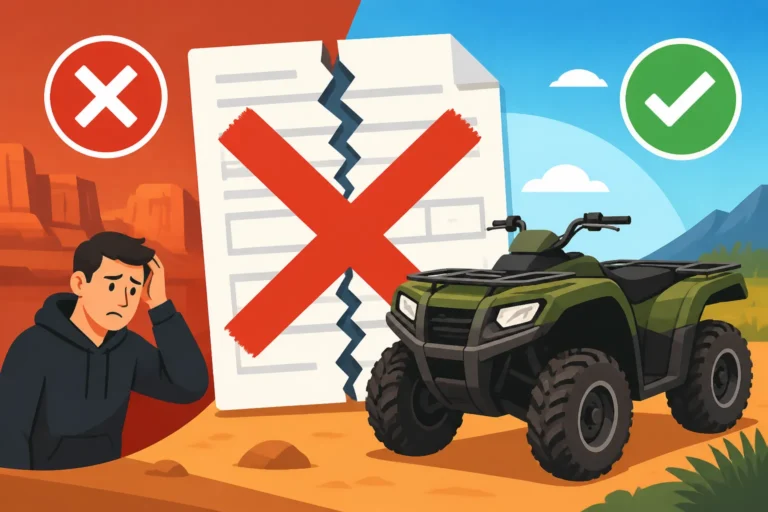
Here's the crucial part: while many states are moving towards accepting digital proof for certain documents, Utah generally requires you to carry your physical OHV registration card or a printed copy when operating your machine on public lands. A photograph of your registration on your phone, while convenient for you, might not be considered sufficient by a Utah State Parks ranger or a local law enforcement officer. The law is designed to ensure quick and verifiable identification of the machine and its registered owner. An officer needs to be able to confirm details without question, and a mere photo, which could potentially be altered or be outdated, doesn't always meet that standard in all circumstances. It's not just about proving you have it; it's about proving its authenticity and current validity on the spot. This rule often applies equally to visitors needing to show their [Non-Resident OHV Permit Explained].
Practical Implications: What a Ranger or Officer Expects
Imagine this scenario: you're out on a fantastic trail near Moab, enjoying the red rock scenery. Suddenly, you come across a ranger conducting a routine check. They ask for your registration, and you confidently pull out your phone, ready to display your digital snapshot. While some officers might accept it in a pinch, especially if they can verify the information through their own systems, others might insist on a physical document. They're looking for an original or a clear, official printout.
The issues with a phone photo are numerous:
- Legibility: Glare on the screen, a cracked screen, or low battery can make the photo impossible to read.
- Authenticity: It's difficult for an officer to immediately verify if a photo is current or hasn't been tampered with.
- Battery Life: What if your phone dies right when you need it? Remote trails aren't exactly known for convenient charging stations.
- Officer Discretion: While an officer might choose to accept a photo, they are generally within their rights to request the physical document. If you can't produce it, you could face delays, a warning, or even a citation for [Penalties for Riding Unregistered in Utah].
It's about making the officer's job easy and removing any doubt. Having the actual card or a clear printout allows for immediate confirmation and ensures your ride isn't interrupted by administrative hiccups.
Beyond Registration: Other Documents You Need
It's easy to focus solely on the OHV registration, but a responsible rider knows there's a whole suite of documents that might be required, depending on your age, residency, and whether your machine is street legal. A photo might be even less accepted for some of these.
Your OHV Education Certificate and Non-Resident Permit
If you're a youth rider, or if you're supervising one, an OHV Education Certificate is crucial in Utah. For out-of-state visitors, the Utah Non-Resident OHV Permit is a non-negotiable requirement. These aren't just suggestions; they're legal mandates designed to ensure safety and responsible riding. Just like your registration, presenting these documents in a physical format is typically the safest bet.
- OHV Education Certificate: For riders under 16, this certificate is often required to operate an OHV on public lands. While some state systems might allow for digital verification, having the actual card or a clear printout removes any potential for dispute. Think about a scout leader taking a group out; they're going to want to see those physical certificates. [How Utah Youth Riders Earn an OHV Certificate] covers this in detail.
- Non-Resident OHV Permit: If you're visiting Utah from out of state, you absolutely need this permit. The rule changed in 2020, and reciprocity is no longer honored as it once was. You'll need to purchase and carry this permit. Again, a physical printout is generally preferred. Don't risk a fine by relying solely on a phone photo for this critical document. The ease of buying the [Buying the Non-Resident Permit Online] might make you think digital is fine, but printing it out is still the best practice.
Proof of Insurance and Identification
Beyond the machine-specific documents, you'll always need personal identification. And depending on how you use your OHV, proof of insurance might also be essential.
- Proof of Insurance: While OHV insurance isn't universally mandated for off-road use in Utah, it becomes a requirement if you've gone through the process of [Making a UTV Street Legal in Utah]. For street-legal machines, proof of liability insurance is mandatory, just like with a car. Many insurance companies offer digital insurance cards through their apps, which are often accepted by law enforcement for vehicles on public roads. However, for an OHV on a trail, the rules can sometimes be less clear-cut, so carrying a physical copy or ensuring your digital proof is easily accessible and verifiable through an official app (not just a screenshot) is wise.
- Personal Identification: This should go without saying, but always carry a valid driver's license or state-issued ID. This is non-negotiable for proving who you are and verifying your age. While a photo of your ID on your phone might be useful in an emergency, it is never a substitute for the actual physical card when requested by law enforcement. Think of it as your most important document, the one you absolutely cannot leave behind.
You might also have a [Bill of Sale Requirements for a Utah ATV Sale] if you've recently purchased your machine, and while that's not something you'll need to show a ranger daily, it's a good idea to keep a copy of that and other purchase documents safe, perhaps organized using a service like LawDepot for your home records.
Best Practices for Carrying Your Paperwork
So, you understand the importance of physical documents. Now, how do you keep them safe, dry, and easily accessible without them becoming a burden? It's all about smart storage and a dual approach.
Physical Storage Solutions for the Trail
Investing in proper storage for your documents can save you a lot of grief. You want something that's waterproof, dustproof, and secure.
- Waterproof Document Holders: These come in various sizes and styles. A small, durable plastic case or a heavy-duty zip-lock bag designed for documents can work wonders. Many are designed to be submersible, offering maximum protection from rain, mud splashes, or an accidental dip in a creek.
- Secure Compartments on Your Machine: Most ATVs and UTVs have some form of storage. Utilise glove boxes, under-seat compartments, or built-in storage bins. Even a small tank bag or fender bag can be a good option, provided it's rugged and weatherproof. Just make sure the compartment latches securely so documents don't bounce out on rough terrain. For example, on many side-by-sides, the glove box is a perfect spot for a small waterproof pouch with your essential papers.
- Wearable Solutions: A small, waterproof pouch or wallet carried in a secure pocket (like a zippered cargo pocket) can also work. This keeps your most critical documents, like your ID and registration, directly on your person, reducing the risk of them being separated from you or your machine. Just be mindful of bulk and comfort while riding.
Remember, the goal is not just to have the documents, but to have them in good condition when you need them.
The Smart Approach: Digital Backup with Physical Primary
The absolute best practice is a "belt and suspenders" approach: always carry your physical documents, and use digital photos as a convenient backup.
- Primary: Physical Documents: This means your actual Utah OHV registration card, your ID, your printed non-resident permit (if applicable), and any required education certificates. These should be secured in a waterproof and dustproof holder on your person or within a designated, easily accessible, and secure compartment on your OHV. This ensures that you meet legal requirements and can quickly provide verifiable proof to any officer or ranger who asks.
- Backup: Digital Photos: Then, take clear, well-lit photos of all these documents and save them to your phone. Consider saving them to a cloud storage service or emailing them to yourself as an extra layer of redundancy. This digital backup can be a lifesaver if, despite your best efforts, your physical documents are lost or damaged. It's also handy if you need to quickly reference a VIN or a permit number. You could even use a secure digital platform like LawDepot to organize copies of all your important off-road vehicle documents, from the bill of sale and maintenance records to insurance policies and even your trail permits, ensuring they’re accessible from anywhere with internet access, even if the primary trail document is physical.
This dual strategy gives you peace of mind. You're legally covered with the physical papers, and you have a reliable fallback in the digital realm.
What to Do If You Lose Paperwork on the Trail
Even with the best preparation, accidents happen. If you find yourself in the unfortunate situation of losing your registration or other critical paperwork while riding, don't panic.
- Retrace Your Steps (Safely): If you have a good idea of where you might have lost it, safely retrace your route. Sometimes, you get lucky, especially if it just fell out at a stop.
- Use Your Digital Backup: If you have those photos on your phone, they might not satisfy an officer as primary proof, but they can at least provide the necessary information (registration number, VIN, etc.) if you need to report the loss or discuss it with authorities.
- Contact Authorities/DMV: As soon as possible, contact the Utah Division of Motor Vehicles (DMV) or the relevant agency (e.g., Utah State Parks for permits) to report the loss and inquire about replacement procedures. For a lost title, you'll need to know [Replacing a Lost ATV Title in Utah] and the steps involved.
- Avoid Riding Until Replaced: If you've lost your registration, it's best to avoid riding on public lands until you have a replacement. Riding without proper registration, even if it was just lost, can still result in fines or other penalties. The DMV will guide you on how to get [Printing a Replacement Utah Registration Card] or a new copy of any other missing document.
Being proactive with your paperwork, both in how you carry it and how you back it up, is the best way to ensure your Utah OHV adventures are filled with nothing but good memories.
Disclaimer
This article is for general informational purposes only and does not constitute professional advice. Laws, prices and regulations vary by location and change over time. Consult a qualified professional for guidance on your specific situation.