Removing a Name From a Utah ATV Title
Life happens, and sometimes the ownership of your beloved ATV or UTV needs to reflect those changes. Whether you're navigating a life transition like a divorce, gifting a machine to a family member, or dealing with the unfortunate passing of a co-owner, figuring out how to remove a name from a Utah ATV or UTV title can feel like wading through thick mud. This guide is here to help you understand the process, gather the right paperwork, and smoothly update your vehicle's title with the Utah Division of Motor Vehicles (DMV), so you can get back to enjoying Utah's incredible trails.
Why You Might Need to Remove a Name from an ATV Title
When an OHV is titled in Utah, it usually reflects who legally owns it. Sometimes, multiple names appear on the title, indicating joint ownership. Life, however, is rarely static, and situations often arise where it becomes necessary to adjust who is officially listed as an owner. It's not as simple as crossing out a name; it's about transferring ownership in a way that the Utah DMV officially recognizes.
Navigating Ownership Changes After Divorce or Separation
One of the most common reasons riders need to remove a name from an ATV title is due to a divorce or legal separation. When you and a former spouse jointly owned an OHV, a court order or mutual agreement will typically dictate who retains the vehicle. This can be a really emotional and stressful time, and the last thing you want is more paperwork headaches. The ATV or UTV might have been a shared passion, a family activity, or even a critical piece of equipment for a shared property. Whatever its role, ensuring the title correctly reflects the new ownership is crucial for avoiding future disputes and for the new sole owner to legally manage the machine, including selling it down the line or [Renewing Your Utah OHV Registration]. Without an updated title, selling the ATV or even making major modifications could become complicated if the former co-owner's signature is still required.
For example, imagine you and your ex-spouse, Sarah, bought a Polaris RZR together a few years ago. After your divorce, the court awarded the RZR to you. Even though it's now legally yours according to the divorce decree, the DMV still sees both your names on the title. You'll need to transfer that title into your sole name, effectively "removing" Sarah's name from the official record. This isn't just a formality; it prevents Sarah from having any claim to the vehicle in the future, and it ensures you can make all decisions about it without needing her involvement.
Gifting an ATV to a Family Member
Another heart-warming reason for removing a name is often related to gifting. Maybe your teenager is finally old enough to take full responsibility for the quad they’ve been riding for years, or you're consolidating your fleet and want to pass a UTV down to a sibling. When you gift an ATV to a family member in Utah, you're essentially transferring ownership, which means the original owner's name (or one of the original owners) might need to be removed to reflect the new primary or sole owner. This is a generous act, but it requires careful attention to detail to ensure the transfer is legal and complete. Skipping this step can lead to confusion later about who is responsible for the machine, who pays the fees, or who can ultimately sell it. You want the recipient to truly feel like it's their machine, and a clean title is a big part of that. For more on this, check out [Gifting an ATV to a Family Member in Utah].
Consider a situation where you and your son are co-owners of a Honda Foreman, but he's off to college and you want to give him full ownership. Even though his name is already on it, if your name is also there and you want it completely off, you'll go through a similar transfer process. The goal is to make sure he is the only owner listed, granting him full autonomy over the quad.
Handling the Passing of a Co-Owner
Unfortunately, life also brings sadness, and the passing of a co-owner can lead to the need to update an ATV title. This situation requires sensitivity and often involves legal considerations, as the decedent's share of the ownership needs to be transferred according to their will, trust, or state probate laws. Dealing with an estate can be complex, and ensuring the ATV's title is correctly updated is one piece of that puzzle. The surviving owner often needs to present specific legal documents, such as a death certificate and potentially court orders or a small estate affidavit, to the DMV to remove the deceased person's name and transition to sole ownership. It's a somber but necessary step to ensure the vehicle's legal status is clear for the future.
Let's say you and your best friend bought a side-by-side together, and tragically, your friend passed away. If the title simply lists both names with "AND" between them, meaning both signatures are required for any action, you'll need to formally remove their name. This process ensures that you, as the surviving owner, can continue to use, maintain, or eventually sell the UTV without legal complications arising from the deceased co-owner's estate. You would typically need their death certificate and potentially other probate documents, depending on how the title was structured and the value of the OHV.
The Utah DMV Process for Name Removal
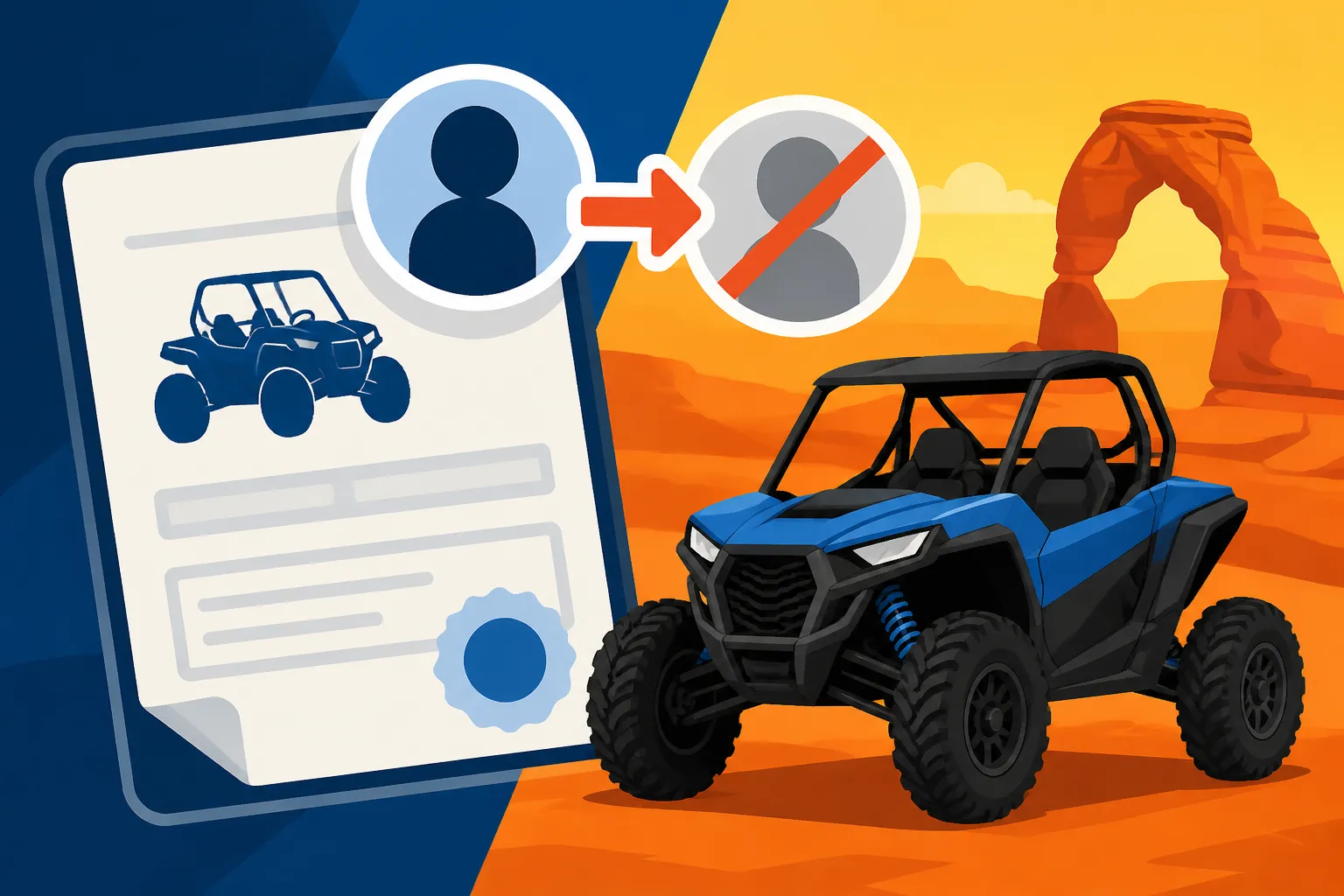
Removing a name from a Utah ATV or UTV title isn't a direct "deletion" from an existing record. Instead, it's typically handled as a change of ownership or a title transfer, which results in a new title being issued with the updated ownership information. Understanding this distinction is key to navigating the process successfully at the Utah DMV. You're not just erasing someone; you're formally transferring ownership rights.
Understanding Title Transfers and Necessary Forms
When you need to remove a name, you're essentially performing a title transfer. This means the existing title is being transferred from the current owner(s) to new owner(s) or fewer owner(s). The Utah DMV will require specific forms to facilitate this. The primary form you'll work with is often the Utah Vehicle Application for Title (Form TC-656). This form is used for various titling transactions, including transferring ownership. You’ll also need the existing title itself. If the machine has a lien, you will also need a lien release. For more on general requirements, see [Utah ATV Title Requirements Explained].
It's crucial to distinguish between an "and" title and an "or" title, if applicable for OHVs. If the names on the title are joined by "and," all listed owners must sign to complete any transfer. If the names are joined by "or," generally either owner can sign for a transfer. However, for clarity and avoiding potential issues, it's always best to have all parties involved consent and sign where possible, especially if the intent is to fully remove someone's ownership rights. Always remember that for the DMV, a complete and correctly filled out form is your best friend.
Required Signatures and Documentation
This is where many people run into snags! Getting all the necessary signatures in the right places is absolutely critical.
- Existing Title: You'll need the original physical title. The current owner(s) whose name(s) are being removed, or who are relinquishing their ownership, must sign the "Seller" or "Transferor" section of the title. If there are multiple owners and only one is being removed, that specific owner must sign off their interest. If both are on the title and one is becoming the sole owner, the departing owner signs off their interest.
- Bill of Sale: Even if it's a gift or part of a divorce settlement, a Bill of Sale (Form TC-843, though many use generic forms or create their own) is highly recommended and often required. This document formally outlines the transfer of ownership, even if no money changed hands (you'd list "gift" or "$0" as the purchase price). This is especially important for verifying the actual date of transfer and can help avoid sales tax complications if it's a gift between family members. For drafting a clear bill of sale, especially if you need specific language for a unique situation, online legal document services like LawDepot can be incredibly helpful for providing templates that ensure all necessary information is included. A well-drafted bill of sale protects both parties and provides the DMV with clear evidence of the transaction. Learn more about its importance in [Bill of Sale Requirements for a Utah ATV Sale].
- Proof of Identity: The person applying for the new title (the new owner or remaining sole owner) will need to present valid photo identification.
- Proof of Residency: The applicant might also need to provide proof of Utah residency, such as a utility bill or lease agreement.
- Special Circumstances Documentation:
- Divorce: A certified copy of the divorce decree or court order specifically stating who is awarded the ATV or UTV will be required. This is vital evidence for the DMV to accept the transfer without the other party's signature if they are unwilling or unable to sign.
- Death of a Co-Owner: You'll need a certified copy of the death certificate. Depending on how the title was held (e.g., "joint tenants with right of survivorship" vs. "tenants in common") and the overall estate, you might also need Letters Testamentary, Letters of Administration, or a small estate affidavit from a probate court. It's always a good idea to call the DMV ahead of time to confirm exactly what probate documents they will accept for your specific situation.
- Lien Release: If there was a loan on the ATV and the lienholder's name is on the title, you will absolutely need a lien release from the lender. The DMV cannot issue a clear title until any lien is satisfied and documented as released. This is a common step that many people overlook, leading to delays. See [Lien Releases on a Used Utah Side-by-Side] for more details.
Fees and Where to Go
There will always be some fees involved in a title transfer. Expect to pay a title fee for the new title issuance and potentially a uniform fee, which is essentially an age-based property tax on the vehicle. If it's a sale (even a gift for tax purposes), sales tax might also apply, though gifts between certain family members can sometimes be exempt. Always check with the DMV or your county tax assessor for current rates and exemptions.
Once you have all your documents in order, you'll need to visit a Utah DMV office that handles vehicle titling and registration. While some registration renewals can be done online, title transfers almost always require an in-person visit because original documents and signatures need to be verified. Call ahead to confirm the specific office location and their hours, as well as if you need an appointment. Bringing all your [Documents to Bring to the Utah DMV for an ATV] in an organized folder will make the process much smoother.
The table below summarizes common scenarios for removing a name and the primary documentation usually required:
| Scenario | Key Document Needed (in addition to existing title) | Additional Considerations |
|---|---|---|
| Divorce / Separation | Certified Divorce Decree/Court Order | Ensure decree specifically awards the OHV; Bill of Sale recommended. |
| Gifting to Family Member | Bill of Sale (Form TC-843 or similar) | State "gift" as price; may be sales tax exempt if eligible. |
| Death of Co-Owner | Certified Death Certificate | May need probate documents (Letters Testamentary, Small Estate Affidavit) depending on title wording and estate. |
| Transfer to Sole Owner (mutual) | Signed Bill of Sale | All current owners sign off; new owner applies for title. |
Essential Documents and Forms You'll Need
Successfully removing a name from an ATV or UTV title in Utah hinges on having the correct paperwork. It's not just about showing up; it's about showing up prepared. Missing even one crucial document can send you home empty-handed and incredibly frustrated, forcing you to make another trip to the DMV. Take the time to gather everything meticulously before you go.
The Original Certificate of Title
This is the cornerstone of your entire transaction. You absolutely, unequivocally need the original paper certificate of title. A photocopy or a photo on your phone will not suffice. The DMV needs the physical document to process the transfer and then issue a new one. This title must be clear of any alterations, cross-outs, or correction fluid, as these can invalidate the document and raise red flags.
On the back of the Utah title, you'll find sections for "Assignment of Title." This is where the magic happens. The person(s) whose name(s) are being removed (the "seller" or "transferor") must sign here. If you are going from two names to one, the person whose name is leaving the title will sign this section. If it's a simple transfer from one person to another, the previous owner signs this section. Ensure their signature matches the name as it appears on the front of the title. If the signature doesn't match, or if it's incomplete, the DMV will reject it, causing significant delays. This is a very common mistake and one to be extremely mindful of. For machines that were never titled anywhere, a unique process applies as described in [Registering a UTV in Utah Without a Title]. If you have misplaced the title, you'll need to apply for a duplicate before you can proceed with the name removal/transfer. This can add significant time to the process, so it's always best to have the original on hand. See [Replacing a Lost ATV Title in Utah] for guidance.
Bill of Sale or Other Proof of Transfer
Even if it’s a gift, a formal record of the transfer is essential. A Bill of Sale (Form TC-843 or a similar legal document) provides a clear, dated record of when the ownership changed hands and under what terms. If no money exchanged hands, simply write "gift" or "$0" as the purchase price. This is crucial for two reasons:
- DMV Verification: It helps the DMV verify the transaction and can be particularly helpful if only one party is present to complete the transfer.
- Sales Tax: It's vital for sales tax purposes. In Utah, gifts between certain family members might be exempt from sales tax, but you’ll need documentation to support that claim. Without a bill of sale, the DMV might estimate the value of the OHV and charge sales tax, which could be an unexpected cost.
A bill of sale should include:
- Date of transfer
- Full names and addresses of both the giver/seller and the recipient/buyer
- A clear description of the ATV/UTV (make, model, year, VIN)
- The sale price (or indication of "gift")
- Signatures of all parties involved
For situations that aren't a straightforward sale, like dividing assets after a divorce, a court order or settlement agreement serves as your proof of transfer, but a supporting bill of sale can still be beneficial for clarity. If you're creating your own bill of sale, ensure it's comprehensive. Resources like LawDepot provide excellent templates that guide you through including all necessary legal details, which can be invaluable for ensuring your document is watertight and accepted by the DMV.
Specific Documents for Special Circumstances
Beyond the title and bill of sale, certain situations require additional, very specific legal documents.
Divorce Decrees and Court Orders
If the name removal is a result of a divorce or legal separation, a certified copy of the final divorce decree or court order is absolutely mandatory. This document serves as the legal authority for the DMV to transfer the title without the direct participation or signature of the other former spouse, if they are unwilling or unavailable. The decree must explicitly state which party is awarded the ATV or UTV. If it only generally divides property, you might need a more specific court order or a signed agreement between the parties that details the OHV's transfer. Without this specific legal language, the DMV may still require both parties to sign the title over.
Death Certificates and Probate Documents
When a co-owner passes away, the process involves a certified copy of the death certificate. Depending on how the title was structured (e.g., "John Doe AND Jane Doe" vs. "John Doe OR Jane Doe" vs. "John Doe, Jane Doe, Joint Tenants with Right of Survivorship"), additional probate documents might be necessary.
- Joint Tenants with Right of Survivorship: If the title specifically states "Joint Tenants with Right of Survivorship" after the names, presenting a certified death certificate is often sufficient. This legal phrasing means the surviving owner automatically inherits the deceased's share.
- Other Scenarios: If the title simply lists names with "AND" or no specific joint tenancy language, the deceased person's share might need to go through probate. In such cases, the DMV may require documents like Letters Testamentary (if there's a will), Letters of Administration (if no will), or a Small Estate Affidavit, which grants the executor or administrator the authority to transfer the deceased's assets. Always verify with the DMV what they will accept for your particular situation before gathering these often-complex documents. It can save you a lot of time and heartache. [Transferring an ATV Title Between Family Members in Utah] might also offer relevant insights here.
Avoiding Common Pitfalls and Delays
Nobody wants to make multiple trips to the DMV, especially not when dealing with significant life changes. While removing a name from an ATV title might seem straightforward, there are common mistakes that can lead to frustrating delays. Being prepared and understanding these potential pitfalls can save you a lot of time, stress, and even money.
Mistakes in Signing the Title
This is perhaps the most frequent cause of delays. The back of the ATV title has specific areas for sellers (transferors) to sign and for buyers (transferees) to acknowledge receipt.
- Incorrect Signatures: Ensure the signature matches the name exactly as it appears on the front of the title. If the name is "John A. Smith" on the title, don't sign "J. Smith." Any discrepancy, even minor, can lead to rejection.
- Missing Signatures: If the title lists two names joined by "AND," both individuals must sign the transfer section unless a court order explicitly states otherwise (as in a divorce). If you're trying to remove one person's name, that person needs to sign off on their interest. For example, if "John Doe AND Jane Doe" are on the title and John is leaving, Jane's name can remain, but John must sign off as a seller. If both are leaving and a new owner is taking over, both John and Jane must sign as sellers.
- Signing in the Wrong Place: The title often has multiple sections. Make sure the seller(s) sign in the "Assignment of Title" or "Seller's Signature" box, not the lienholder section or the odometer disclosure if it's not applicable.
- Unclear Signatures or Alterations: Avoid cross-outs, white-out, or any other alterations on the title. If a mistake is made, it's often better to start with a fresh Bill of Sale and ensure the title is signed correctly. A damaged or altered title might be deemed invalid, requiring you to apply for a duplicate title first, which is an additional step and cost. For specific details on what to avoid, consult [Mistakes That Void an ATV Title Transfer].
Incomplete or Missing Documentation
As detailed in the previous section, the Utah DMV is meticulous about required documents. Showing up with an incomplete packet is a guaranteed way to hit a roadblock.
- No Original Title: A photocopy is never enough. Always bring the original.
- Missing Bill of Sale: Even for gifts, a bill of sale is crucial for the DMV and for your own records, especially regarding sales tax.
- No Certified Copies: For divorce decrees or death certificates, an uncertified copy may not be accepted. Always provide a certified copy, which usually bears an official seal or stamp.
- Missing Lien Release: If there's a lien listed on the title, you must have a separate, official lien release document from the lender. Without it, the DMV cannot process the transfer. This is a very common oversight.
- Lack of Identification: The person applying for the new title needs to bring valid, government-issued photo identification.
Think of it like preparing for a big ride: you wouldn't head out without checking your fuel, tires, and gear. Similarly, don't head to the DMV without doing a thorough check of all your paperwork. It might even be worth calling the specific DMV office you plan to visit to confirm their exact requirements for your unique situation, as interpretations can sometimes vary slightly, or they might have specific local forms.
Knowing When a New Title is Required vs. an Amendment
It's important to understand that "removing a name" from an ATV title in Utah generally isn't an amendment to an existing title. It's a complete transfer of ownership that results in the issuance of a brand-new title with the updated owner information. The old title is surrendered to the DMV and a new one is printed.
This distinction is important because it means you're not just requesting a minor change; you're initiating a significant legal transfer. This is why all the forms, signatures, and fees associated with a full title transfer apply. You cannot simply ask them to "cross off" a name. The state wants a clear, unbroken chain of ownership for all registered vehicles, including OHVs.
If you have a unique or highly complex situation, such as an ATV owned by a trust or a business, or if you're dealing with an extremely old title where the original owners are unreachable, the process might involve additional steps. For complex scenarios, consulting with an attorney specializing in vehicle title issues or estate law might be a wise investment to ensure the process is handled correctly from the outset. Ultimately, the goal is to leave the DMV with the peace of mind that your ATV or UTV is legally and unequivocally titled in the correct name(s), ready for your next adventure.
Disclaimer
This article is for general informational purposes only and does not constitute professional advice. Laws, prices and regulations vary by location and change over time. Consult a qualified professional for guidance on your specific situation.