Which Machines Utah Registers as Off-Highway Vehicles
There's nothing quite like the feeling of hitting the trails in Utah, surrounded by incredible scenery, whether it's the red rock canyons of Moab or the high mountain passes of the Uintas. But before you can kick up dust, you've got to make sure your machine is legally ready to roll. One of the most confusing parts for many new (and even experienced!) riders is figuring out exactly what Utah considers an "Off-Highway Vehicle" (OHV) for registration purposes. This guide is here to clear up that confusion, helping you understand which machines need that all-important Utah OHV registration sticker so you can ride with peace of mind.
Understanding Utah's Official OHV Definition
The first step in navigating the world of OHV registration in Utah is to really grasp what the state means by "Off-Highway Vehicle." It's not just a casual term; it's a specific legal definition that dictates whether your machine needs to be registered with the Division of Motor Vehicles (DMV) and display those decals. This understanding is foundational because it affects everything from where you can ride to what kind of safety gear you might need, and of course, your financial obligations.
The Legal Framework: What the Law Says
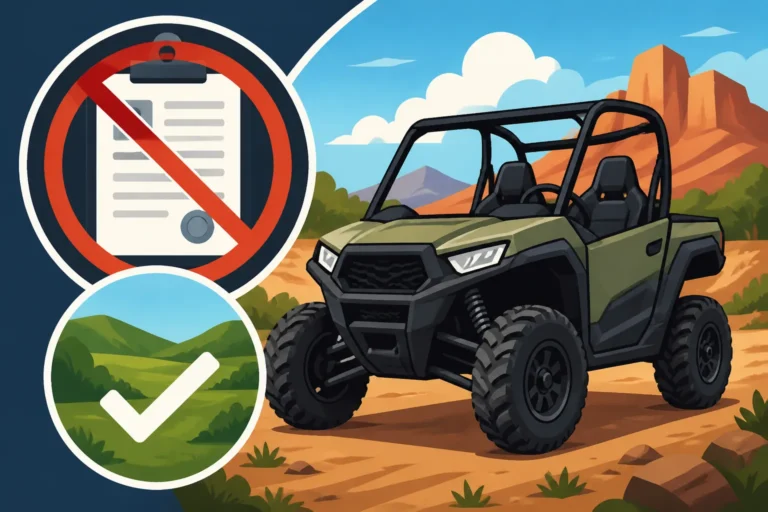
Utah's state code lays out the specifics, and it's designed to be comprehensive, covering a broad spectrum of machines not primarily intended for paved roads. The essence of the definition revolves around a vehicle's design and intended use. If a machine is built or modified for recreational use off paved highways, chances are it's an OHV in Utah's eyes. This typically includes vehicles like ATVs, UTVs (side-by-sides), dirt bikes, and even some specialized vehicles, as long as they meet certain criteria like weight, width, and tire design that mark them as off-road specific. The important distinction is that these vehicles are not built to meet federal motor vehicle safety standards for highway use, and their features, such as suspension travel and knobby tires, are optimized for rough terrain rather than smooth asphalt.
The reason this legal definition matters so much isn't just about bureaucracy; it's about safety, trail funding, and clear expectations for riders. When a vehicle is classified as an OHV, it triggers specific requirements for registration, age limits for operators, and often, safety course completion. It also means that the fees you pay for registration contribute directly to maintaining and expanding the very trails you love to ride, through programs managed by the Utah Division of Outdoor Recreation. Without a clear definition, it would be a free-for-all, leading to unsafe conditions and a lack of resources for our incredible trail systems.
It’s crucial to remember that this definition differentiates an OHV from your everyday car or truck. While a 4×4 pickup might go off-road, its primary design is for highway travel, and it's registered as a standard motor vehicle. An OHV, by contrast, is engineered from the ground up for dirt, rocks, sand, and snow. Its size, ground clearance, and lack of certain street-legal features (like sealed beam headlights or specific turn signals, unless modified) are all indicators of its off-highway purpose. Even if you're only using it on private land, understanding this baseline definition is important, as some rules can still apply.
Beyond Just ATVs and UTVs: A Wider Scope
When most people think of OHVs, their minds immediately jump to the popular quads and side-by-sides. And they're not wrong – these are certainly the most common types of machines you'll see on Utah's trails. However, Utah's definition casts a much wider net than just these two categories. It's important for riders to know this because assuming your particular machine is exempt simply because it's "different" could lead to a really unpleasant surprise in the form of a fine.
Beyond your typical ATV or UTV, dirt bikes are definitely included under the OHV umbrella. These two-wheeled powerhouses, designed exclusively for off-road riding, require the same registration and decals as their four-wheeled counterparts. Then there are the three-wheelers, which, though less common these days, still make appearances on the trails and absolutely fall under the OHV classification. If you're fortunate enough to own a classic [Registering a Vintage Three-Wheeler in Utah], you'll need to make sure its paperwork is in order just like any newer machine. And let's not forget snowmobiles; while they're seasonal, they too are considered OHVs and require specific registration in Utah for operation on public lands.
What about those specialized, often custom-built machines like dune buggies, sand rails, or serious rock crawlers that aren't quite an ATV or UTV? If they are primarily designed for off-highway use, powered by a motor, and don't meet street-legal vehicle requirements, then yes, they almost certainly need to be registered as an OHV. The key is their fundamental purpose and construction. If it's built for tearing up the desert or climbing impossibly steep rock faces, and not for driving to the grocery store, it's an OHV. This ensures that the diverse range of off-road enthusiasts are all contributing to the trail system and adhering to safety regulations, fostering a responsible riding community.
Common OHV Categories and Their Nuances in Utah
Utah's trails are a melting pot of different machines, each designed for a specific kind of adventure. While the overarching OHV definition applies, understanding the nuances of how each common category fits in can save you a lot of guesswork. It’s about knowing what kind of box your machine fits into, not just legally, but practically.
All-Terrain Vehicles (ATVs): The Classic Quad
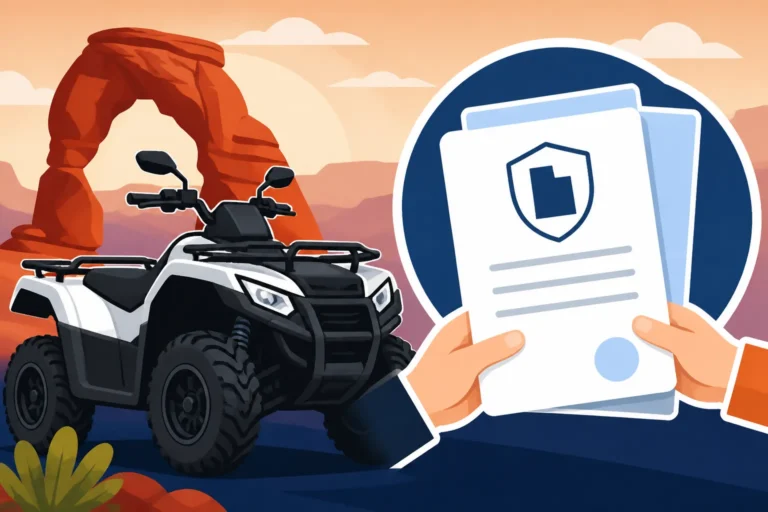
The ATV, often affectionately called a quad or four-wheeler, is perhaps the most iconic off-highway vehicle. For Utah registration purposes, an ATV is generally identified by its straddled seat (meaning you sit on it like a motorcycle), handlebars for steering, and typically four wheels, though some older models might have three. These machines are engineered for single-rider or sometimes rider-and-passenger use, allowing for dynamic weight shifting and agility on varying terrains.
When it comes to ATVs, there are also considerations for different sizes and ages of riders. Youth models, designed for younger operators, still fall under the OHV definition and require registration. However, they may have additional rules regarding operator age, supervision, and horsepower limits. It’s important to research these specific regulations if you're buying a machine for a younger family member, as getting [Registering a 50cc Quad for an Eight-Year-Old] will have different considerations than a full-size sport quad. The aim is to ensure safety and responsible riding for all age groups on our public lands.
Once you've confirmed your quad meets the OHV definition, the next step is getting it registered. The process is fairly straightforward, typically involving proof of ownership (like a title or bill of sale), identification, and payment of the required fees. This is the same process you’d follow for any OHV. You can find detailed steps on [How to Register an ATV or UTV in Utah] to make sure you have everything prepared before heading to the DMV or completing the process online.
Utility Terrain Vehicles (UTVs) / Side-by-Sides: The Modern Workhorse
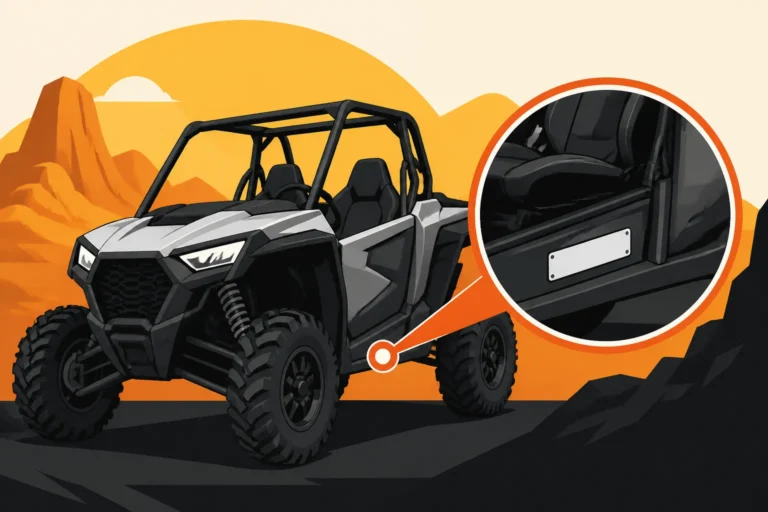
UTVs, more commonly known as side-by-sides, have surged in popularity, offering a more car-like experience with their side-by-side seating, steering wheel, and often a robust roll cage. These machines are also unequivocally considered OHVs in Utah. They are designed for a variety of purposes, from recreational trail riding to hauling gear and people for utility work, and their versatility is a big part of their appeal.
You'll find a vast array of UTV types on the market today – from nimble sport models built for high-speed thrills, to heavy-duty utility models with massive cargo beds, and multi-passenger vehicles that can comfortably seat four or even six people. Despite these variations in design and intended primary use, they all fall under the same OHV registration umbrella in Utah. Even an [Registering an Electric UTV in Utah] will follow the same core registration procedures, as its power source doesn't change its fundamental classification as an off-highway vehicle designed for unpaved terrain.
A common question that arises with UTVs is about street-legal conversions. Many riders dream of driving their side-by-side from their driveway directly to the trailhead, or even through small towns. While Utah does allow for [Making a UTV Street Legal in Utah], it's vital to understand that this doesn't change its core classification as an OHV. Instead, it means you're adding additional equipment, inspections, and usually a separate registration or plate to make it compliant for limited on-road use. Your machine will still carry its OHV registration and decals alongside any street-legal plates, highlighting its dual identity.
Dirt Bikes, Motorcycles, and Three-Wheelers
While often grouped with street motorcycles in casual conversation, off-road dirt bikes are distinctly classified as OHVs in Utah. These lightweight, agile machines with their knobby tires and long-travel suspension are built for navigating tight trails, steep climbs, and challenging terrain. Just like their four-wheeled brethren, dirt bikes require proper OHV registration and display of decals when ridden on public lands in Utah. It’s essential not to confuse them with street-legal motorcycles, which have different titling, registration, and equipment requirements geared for highway use.
Then there are the classic three-wheelers. Although production largely ceased decades ago, these unique machines still hold a special place for many riders and collectors. If you're riding a three-wheeler on Utah's public trails, it absolutely needs to be registered as an OHV. While specific rules may apply to their operation, especially concerning age and passenger restrictions due to their unique handling characteristics, the fundamental requirement for OHV registration remains the same. If you've got one of these vintage beauties, ensure you know the steps for [Registering a Vintage Three-Wheeler in Utah] to keep it legal.
The key takeaway here is distinguishing between machines designed for off-road use versus those designed for public highways. Even if your street-legal motorcycle has some off-road capabilities, it's primarily a highway vehicle. Conversely, a dirt bike, even if you rarely leave the pavement (which would be uncomfortable anyway!), is classified by its design for off-highway travel. This distinction guides all registration, titling, and operational regulations in Utah, so it's critical for every rider to understand which category their machine truly falls into.
What About the Gray Areas? Exceptions and Special Cases
Sometimes, it's not as simple as "if it has knobby tires, it's an OHV." Utah law carves out some specific situations and machine types that might seem to blur the lines or have unique requirements. Understanding these exceptions and special cases is just as important as knowing the general rules, as it can prevent unnecessary headaches or costly mistakes.
Farm, Ranch, and Agricultural Exemptions
Utah recognizes that not all OHV-like machines are used for recreation. Many farms and ranches rely heavily on ATVs, UTVs, and other specialized vehicles for daily operations, moving equipment, herding livestock, or accessing remote parts of their property. For these machines, Utah provides specific agricultural exemptions from OHV registration. The purpose of these exemptions is to ease the burden on those who use these vehicles as essential tools for their livelihood, rather than for leisurely trail riding.
To qualify for a farm or ranch exemption, the vehicle must be used exclusively for agricultural purposes on private land. This means it can't be used for recreational riding on public lands, even occasionally. It's a "work only" scenario. If you're operating an OHV solely to tend to crops, maintain fencing, or move materials on your own property, you likely won't need to register it as an OHV. Detailed information on what qualifies and what doesn't can be found by researching [Farm and Ranch Exemptions in Utah OHV Law], as the criteria are quite specific and important to adhere to.
However, these exemptions come with critical caveats. If you need to cross a public road, even briefly, to get from one part of your property to another, the rules can change, and you might still need some form of registration or permit. And if you ever decide to take that "farm" UTV out for a weekend spin on a designated OHV trail, it immediately loses its exemption and must be registered. The exemption is tied to the vehicle's exclusive use, not just its appearance or the fact that it's owned by a farmer. It’s a common misconception that just because a machine could be used for farm work, it is exempt.
Homebuilt, Kit, and Custom Machines
The spirit of ingenuity is alive and well among off-road enthusiasts, with many choosing to build their own machines from scratch, assemble them from kits, or heavily customize existing frames. This can be an incredibly rewarding project, but it often brings a unique set of challenges when it comes to getting that machine legally registered as an OHV in Utah. The DMV needs to confirm its identity and origin, which isn't always straightforward with a vehicle that doesn't have a factory-issued VIN or a clear line of ownership.
For homebuilt or kit machines, the process typically involves proving ownership of all major components, getting a VIN assigned or verified, and sometimes even a special inspection to ensure it's safely constructed. You'll need meticulous records of purchases for the engine, frame, and other major parts. This is where tools like LawDepot can be incredibly helpful for drafting comprehensive bills of sale for component parts, even if you're buying them from private sellers or repurposing parts from other machines. Documenting everything precisely helps the DMV understand the machine's provenance. Check out resources like [Registering a Homebuilt or Kit UTV in Utah] for specific steps and requirements, as this can be one of the more involved registration processes.
The key to successfully registering a custom or homebuilt OHV lies in thorough documentation. Every receipt, every bill of sale (even for that engine you bought from a guy on Craigslist), and detailed photographs of the build process can be invaluable. If you can clearly demonstrate where the major components came from and that the vehicle is structurally sound and meets basic safety considerations, you're on the right track. Don't underestimate the power of good paperwork in making this gray area clear for the authorities.
Machines That Don't Require OHV Registration
While the focus is often on what does require registration, it's equally important to understand what falls outside the OHV registration requirements in Utah. This helps prevent unnecessary paperwork and clarifies the distinctions between different vehicle types. Generally, vehicles that are clearly designed and registered for highway use, such as passenger cars, trucks, and standard street motorcycles, do not need OHV registration, even if they sometimes venture onto unpaved roads. Their primary classification dictates their registration.
Another point of clarity is the difference between OHV registration and street-legal conversion. As mentioned, even if you go through the effort of [Making a UTV Street Legal in Utah], it still retains its fundamental OHV classification and requires that initial OHV registration. The street-legal status is an additional layer that allows for limited road use, not a replacement for OHV registration. This is why you'll often see machines with both an OHV decal and a standard license plate – they're serving two masters, so to speak. This topic is covered in more detail in [Utah OHV Registration vs Street-Legal Registration].
Finally, what about machines that only operate on private property and never touch public land or even cross a public road? In most cases, these machines do not require OHV registration. If your UTV or quad is exclusively used within the boundaries of your own land, whether it's for recreation or work, the state typically doesn't mandate registration. However, it's always wise to ensure you're fully aware of this specific exemption as described in [Registering a UTV You Only Use on Your Own Land] and any local ordinances that might apply, just to be absolutely certain you're compliant.
The Impact of Model Year and Out-of-State Origins
The age of your machine and where it originally came from can significantly influence the registration process in Utah. It's not always as simple as a brand-new vehicle bought from a local dealer. Older machines often present unique challenges due to differing titling practices from decades past, and bringing a machine in from another state introduces variables that require careful attention to detail.
Vintage Machines and Title Rules
If you're a fan of classic quads or have inherited an older three-wheeler, you might run into some confusion regarding titles. Back in the day, not all states issued titles for off-highway vehicles, or their titling practices were less formalized than they are today. This can make proving ownership a bit tricky, especially if the machine predates modern titling requirements. For instance, Utah's specific title rule applies to [Utah's Title Rule for 1988 and Newer Machines], which means anything older might have a different process. For a truly vintage machine like [Registering a 1987 ATV in Utah], you might not have a formal title from its original purchase, even if it’s been in your family for ages.
In cases where a formal title isn't available or was never issued, Utah typically relies on other forms of documentation to establish ownership. A notarized bill of sale is often paramount here, tracing the ownership history back as far as possible. If you're acquiring an older machine, make sure you get a comprehensive bill of sale, and keep records of any previous sales or transfers. In some instances, particularly for very old machines or those with unclear ownership, you might need to go through a bonding process or apply for a "title by affidavit" through the DMV. This involves submitting sworn statements and demonstrating that you are indeed the rightful owner, sometimes with a VIN inspection to confirm the vehicle's identity.
The key takeaway for vintage OHVs is the absolute necessity of proof of ownership. Even if it's not a formal title, you need a solid paper trail. If you're selling or buying an older machine, ensure that all parties understand the documentation required. LawDepot can provide excellent templates for bills of sale that capture all the necessary details, even for these unique circumstances, helping to ensure the transfer of ownership is legally sound and accepted by the DMV.
Bringing an OHV into Utah From Another State
Utah is a mecca for OHV enthusiasts, and it’s common for people to move here with their existing machines or purchase them out of state. However, don't assume that just because your machine was legally registered elsewhere, it will be an automatic swap in Utah. Each state has its own specific requirements for titles, inspections, and forms, and Utah will need to verify everything according to its own standards. This can sometimes feel like a bit of a hurdle, but it's all part of ensuring legitimate ownership and compliance with local laws.
If you're in the process of [Moving to Utah With an ATV You Already Own], or if you’ve decided to buy a machine across state lines, perhaps because you found a great deal, and are now [Buying an ATV Out of State and Registering It in Utah], you'll generally need your out-of-state title or registration, along with a bill of sale. Utah will need to see clear proof of ownership from the previous state. Sometimes, if the other state's title standards differ significantly, or if there's any doubt about the VIN, a physical inspection might be required to verify the vehicle's identity.
The process of [How Utah Handles a Title From Another State] is generally designed to integrate out-of-state vehicles smoothly, but it relies heavily on the completeness and accuracy of your paperwork. If your out-of-state title has errors, or if you don't have all the supporting documentation, you could face delays. It's always best to contact the Utah DMV or Division of Outdoor Recreation with your specific situation before you begin the process, as they can provide the most accurate and up-to-date guidance to make sure your transfer goes as smoothly as possible.
Why Correct Classification Matters for Every Rider
Understanding whether your machine is an OHV and getting it properly registered isn't just about following rules; it's about protecting yourself, contributing to the sport, and ensuring you have a positive, uninterrupted experience on Utah's amazing trails. Getting this part wrong can lead to serious consequences, both financially and in terms of your ability to enjoy the outdoor recreation that Utah offers.
Avoiding Fines and Trail Access Issues
Imagine this: you've loaded up your rig, driven hours to a pristine trailhead, and are just about to unload for a fantastic day of riding, only to be stopped by a ranger. The reason? Your machine isn't properly registered, or you don't have the correct decals. It’s a frustrating scenario that's completely avoidable. [Penalties for Riding Unregistered in Utah] can range from a simple warning to a hefty fine, and in some cases, your machine could even be impounded. This is not the kind of "adventure" you want to have on the trails.
Beyond the immediate financial hit, incorrect classification or a lack of registration can lead to denied trail access. Many public lands and trail systems in Utah are regularly patrolled by enforcement officers who check for valid OHV registration and decals. If your machine isn't legal, you could be turned away, effectively ruining your day trip or even a multi-day riding vacation. It's also important to have [What Paperwork Utah Riders Must Carry] with you at all times, including your registration card, in case you're stopped. Being prepared means you can focus on the ride, not on potential legal hassles.
The enforcement of these rules isn't arbitrary. It's about safety, managing crowds, and ensuring that everyone using the trails is doing so responsibly. When you register your OHV, you're not just getting a sticker; you're confirming your compliance with state laws designed to protect both riders and the environment. This helps maintain the fantastic access we have to Utah's natural beauty, ensuring these opportunities continue for future generations of riders.
Understanding Your Financial Obligations
When you classify your machine correctly and proceed with registration, you're also fulfilling your financial obligations, which are crucial for the health and maintenance of Utah's OHV program. The total cost to get your machine legal involves several components, and they all stem from its classification as an OHV. It’s not just a flat fee; it’s a system designed to support the riding community. You can get a full breakdown of what to expect financially from [Utah OHV Registration Fees, Start to Finish].
A significant portion of your registration cost will typically go towards the state's OHV program, which funds trail maintenance, mapping, signage, and education initiatives across Utah. This means every dollar you spend helps ensure that the trails you love to ride are well-maintained and accessible. Additionally, most OHVs are subject to an age-based uniform fee, which is a property tax assessed at the time of registration. This [The Age-Based Uniform Fee on Utah OHVs] varies depending on the age of your machine and is calculated based on a valuation schedule, meaning a newer machine will typically have a higher uniform fee than an older one.
Understanding [What the Utah OHV Registration Fee Pays For] helps riders see the value in their investment. It's not just a tax; it's a contribution to the very infrastructure that makes our sport possible. By correctly classifying and registering your machine, you're ensuring that these vital programs continue to receive the funding they need. It's a testament to the collaborative spirit of the OHV community – everyone contributes a little, and together, we maintain an incredible network of trails for everyone to enjoy.
Here's a quick reference table for common OHV types and their typical Utah registration status:
| Machine Type | Typical Utah OHV Status | Notes |
|---|---|---|
| ATV (All-Terrain Vehicle) | Required | Classic quads with straddled seat and handlebars. Includes youth models. |
| UTV (Utility Terrain Vehicle) | Required | Side-by-sides with steering wheel, bucket seats, and roll cage. Includes sport, utility, and multi-passenger models. |
| Dirt Bike (Off-Road) | Required | Two-wheeled motorcycles designed exclusively for unpaved terrain. Distinct from street-legal motorcycles. |
| 3-Wheeler | Required | Vintage or custom three-wheeled off-highway vehicles. |
| Snowmobile | Required | Seasonal OHV for snow use. |
| Dune Buggy/Sand Rail | Required | Custom or purpose-built off-highway vehicles for sand dunes or specific terrains. Classification based on design for off-road use. |
| Farm/Ranch ATV/UTV | Exempt (Conditional) | Exempt only if used exclusively for agricultural purposes on private land. Recreational use or public road crossing typically voids exemption. |
| Homebuilt/Kit OHV | Required | Special process to establish VIN and ownership documentation. LawDepot templates for bills of sale can be helpful for component parts. |
| Street-Legal Car/Truck | Not Required | Registered as standard motor vehicles. |
| Street-Legal Motorcycle | Not Required | Registered as standard motor vehicles, even if capable of off-road travel. |
| Electric Bike (low-power) | Not Required | Many low-power electric bicycles may not meet the definition of a motorized vehicle requiring OHV registration. Check specific power output and speed limits for classification. |
| OHV used only on private land | Not Required | No registration needed if machine never touches public land or crosses public roads. |
Disclaimer
This article is for general informational purposes only and does not constitute professional advice. Laws, prices and regulations vary by location and change over time. Consult a qualified professional for guidance on your specific situation.