Utah Traffic Rules for Street-Legal Side-by-Sides
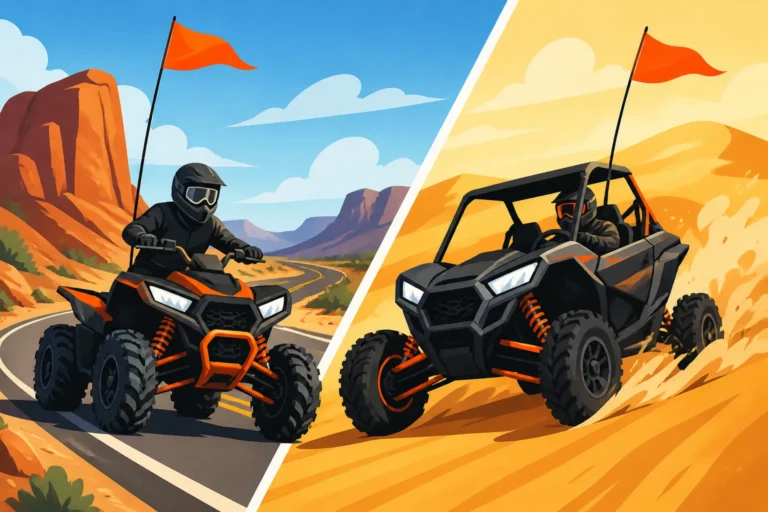
It can be incredibly frustrating to have a powerful side-by-side or ATV sitting in your driveway, ready for adventure, but feel restricted by the idea of trailering it everywhere. You see other riders cruising through town, heading from their lodging straight to the trailhead, and you wonder: "How do they do that?" The dream of seamlessly linking trails with a short jaunt on a paved road is real, but navigating the specific traffic laws for street-legal machines in Utah can feel like trying to solve a puzzle with half the pieces missing. This comprehensive guide is here to demystify those rules, helping you understand exactly what's expected when your off-highway vehicle (OHV) hits the pavement in the Beehive State.
The Foundation: What "Street Legal" Really Means in Utah
Before we dive into the nitty-gritty of traffic rules, it's absolutely crucial to understand what "street legal" actually entails in Utah. Many riders assume it's just about slapping a license plate on your machine and calling it good, but the reality is far more involved. It’s a complete transformation in how your OHV is classified and regulated, moving it from the trails-only domain into the world of regulated street vehicles, albeit with specific limitations.
More Than Just a License Plate
When you decide to make your UTV or ATV street legal in Utah, you're signing up for a lot more than just a piece of metal with numbers on it. It's not simply a matter of getting your [Utah OHV Decals and Where They Go] and hitting the road. The process requires your machine to meet a stringent set of safety and equipment standards, transforming it from a dirt-focused beast into a hybrid that can safely interact with cars, trucks, and other road users. This means ensuring your machine has proper lighting, braking, signaling, and protection, all designed to make it visible and controllable in a road environment.
Think about it this way: a vehicle designed solely for tearing up the backcountry isn't inherently equipped for sudden stops, indicating turns, or being seen clearly in traffic on a busy road. The "street legal" designation means your machine has been inspected and verified to possess those essential features. It’s about more than just checking boxes; it’s about making your machine predictable and safe for everyone on the road, including you and your passengers. Without these critical upgrades, even if you managed to get a plate, you'd be risking serious fines, impoundment, or worse, an accident.
Utah's Unique Approach to OHV Road Access
Utah stands out as one of the most OHV-friendly states in the nation, and its approach to street legality is a testament to that. While many states either strictly prohibit OHVs on public roads or have very limited access, Utah has carved out specific pathways for riders to connect trails and access services via the road system. This isn't an accident; it's a deliberate effort by the state to support its vibrant outdoor recreation industry and provide riders with maximum access to its incredible trail networks.
However, this generosity comes with clear boundaries. Utah's laws are designed to integrate OHVs into road traffic in a controlled manner, ensuring that these vehicles don't create undue hazards or disruptions. This means that while you gain the incredible convenience of road access, you also assume the full responsibilities of a licensed driver operating a registered motor vehicle. The specific legal framework allows for the designation of certain roads and sets specific conditions, rather than a blanket "ride anywhere" policy. It's a progressive approach that recognizes the economic and recreational value of OHVs while prioritizing public safety. Understanding this underlying philosophy helps riders appreciate why certain rules exist and how to best comply with them.
Essential Equipment for Utah Road-Legality
Converting your off-highway vehicle to street-legal status in Utah isn't just about getting a stamp of approval; it's about equipping your machine with specific components that allow it to safely share the road with traditional vehicles. If your machine doesn't have these crucial parts, it simply won't pass inspection, and riding it on public roads could lead to tickets and other issues. It’s essential to get this right from the start.
Headlights, Tail Lights, and Turn Signals
When you’re sharing the road, visibility is paramount. Your OHV needs to be seen clearly by other drivers, both day and night, and your intentions need to be communicated effectively. This is why proper lighting is at the top of the list for street-legal requirements. Your machine needs functional headlights that illuminate the road ahead, bright tail lights that are visible from a distance, and amber turn signals both front and rear to indicate your turns. For a deep dive into these specifics, check out [Headlights and Tail Lamps Utah Requires].
The key here isn't just that they work, but that they meet D.O.T. (Department of Transportation) compliance standards. This means they're designed and tested to certain specifications for brightness, beam pattern, and durability. Many aftermarket off-road light bars, while incredibly powerful for the trail, aren't designed for on-road use and can blind oncoming traffic. Turn signals need to be clearly visible from the front, rear, and sides, distinguishing your intentions from brake lights or running lights. Often, riders might try to rig up a basic system, only to find it doesn't meet the inspector's standards. Investing in a quality, D.O.T.-compliant kit from a reputable brand, like SuperATV, can save you a lot of headache and ensure you're both legal and safe.
Mirrors, Horns, and Windshields/Eye Protection
Beyond lighting, there are other crucial components that ensure you can see and be heard, and that you're protected while on the road. Just like any car, you need to be aware of what's around you, alert others to your presence, and shield yourself from road debris.
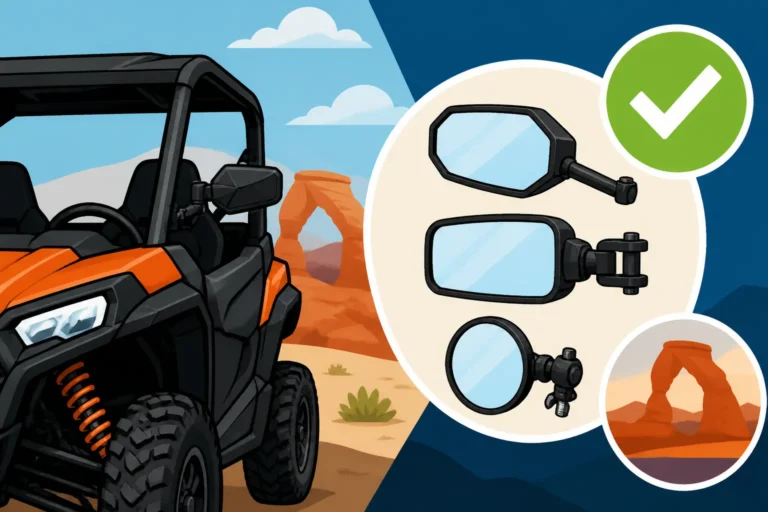
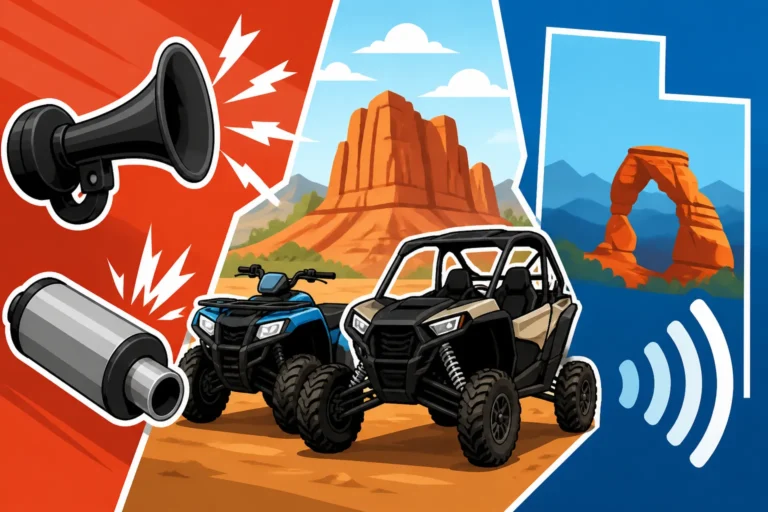
First up, mirrors. You'll need at least two functional rearview mirrors, one on each side of your machine, providing a clear view of the road behind you. These aren't just for looking cool; they're vital for lane changes and knowing when traffic is approaching. Secondly, a horn is non-negotiable. It needs to be loud enough to be heard by other vehicles and pedestrians when necessary, not just a little "beep-beep." It's your primary way to alert others to potential hazards. Finally, when it comes to vision, Utah law requires either a windshield or appropriate eye protection. If your machine doesn't have a windshield, you (and your passengers) must wear goggles or safety glasses. This protects your eyes from wind, dust, and any debris kicked up by other vehicles, making your road experience safer and more comfortable. For more details, consult [Windshield or Eye Protection in Utah]. Choosing a durable, clear windshield that offers good visibility is critical, or if you prefer the open-air feel, always have your eye protection ready.
Brakes, Tires, and Safety Gear
While obvious for any vehicle, the specifics for OHVs warrant attention. Your braking system must be fully functional and capable of safely stopping your machine under various road conditions. This includes both your service brakes (foot brake) and a parking brake to secure your vehicle when stopped. Regular maintenance of your brake pads, rotors, and fluid lines is paramount, as road use often involves more consistent braking than off-road riding.
Tires are another critical element. While paddle tires might be fantastic for the sand dunes of Little Sahara, they are absolutely not street legal. You'll need D.O.T.-approved street tires designed for paved surfaces. These tires have a different tread pattern and construction that provides better grip, less wear, and safer handling on asphalt or concrete. Using off-road-only tires on the road can be dangerous due to reduced traction and faster wear, not to mention a quick way to fail inspection.
Lastly, safety gear: seat belts are required for all occupants in any street-legal OHV. Everyone riding in the machine must be properly buckled in. While adults (18 and older) are not legally required to wear a helmet on public roads in Utah while in an enclosed street-legal OHV, it is highly recommended for all riders, especially on open-air machines like ATVs and some UTVs. For those under 18, helmets are mandatory on public roads. Understanding these nuances is crucial, as detailed in [Helmet and Age Rules on Utah Roads]. Always prioritize safety, whether it's the law or just good common sense.
Understanding Speed Limits and Road Restrictions
One of the biggest misconceptions about making your OHV street legal is that it grants you carte blanche to drive anywhere, at any speed. This simply isn't true. Utah has specific rules about how fast you can go and, more importantly, where you can actually operate your street-legal side-by-side. Ignoring these can not only lead to costly tickets but also put you and others in danger.
The 50 mph Golden Rule and Exceptions
The overarching rule for street-legal OHVs on Utah's paved public roads is a speed limit of 50 miles per hour. This isn't a suggestion; it's the law. Your machine, regardless of its horsepower or how fast it could go, is limited to this speed. It's crucial to understand that this 50 mph limit is an absolute maximum. It does not mean you can always drive 50 mph. If the posted speed limit on a particular road is 35 mph, then your maximum speed is 35 mph, even if your OHV technically could go faster and the state's general limit for OHVs is 50. You must always adhere to the posted speed limits for that specific road or area, especially in residential zones, school zones, or downtown areas where limits are often much lower.
This rule is in place for several reasons. OHVs, by their nature, handle differently than traditional cars and trucks, particularly at higher speeds. They often have a higher center of gravity, different suspension, and can be more susceptible to crosswinds. Limiting their speed ensures they operate within a safe performance envelope on paved surfaces. For a comprehensive overview of these limits, take a look at [What Utah's 50 mph Limit Means for Riders]. Remember, exceeding the posted limit, or the 50 mph OHV limit, can result in traffic citations just like any other vehicle, so always keep an eye on your speedometer and the signs.
Roads Open and Closed to Street-Legal OHVs
While Utah is incredibly accommodating, street-legal status doesn't open up every road. There are clear distinctions between where you can and cannot ride. Generally, street-legal OHVs are permitted on most public roads with a posted speed limit of 50 mph or less, including many state highways, county roads, and local streets. This is fantastic for connecting trails and accessing amenities in OHV-friendly towns.
However, there are explicit prohibitions. Interstate highways and freeways are strictly off-limits to OHVs, regardless of their street-legal status. These high-speed arteries are simply not designed for the characteristics of an OHV, and attempting to ride on them is illegal and extremely dangerous. You cannot cruise down I-15 or I-70 on your side-by-side. For a detailed list of these restrictions, you'll find helpful information in [Interstates, Freeways and Utah OHV Law]. Additionally, specific cities or counties might have their own ordinances that further restrict OHV access on certain roads within their jurisdiction. While state law allows broad access, local governments can impose more stringent rules for safety or noise concerns. This is why it's vital to research [City and County OHV Rules Across Utah] before you venture into a new area. Always look for signage and be aware of the local regulations to avoid an unpleasant surprise.
Navigating City and Town Streets
Riding through picturesque towns like Moab, Kanab, or Hurricane can be a highlight of a Utah OHV trip, offering convenient access to food, fuel, and lodging. However, these urban environments come with their own set of rules and expectations, which can differ from open county roads. The relaxed vibe of a trail town doesn't mean traffic laws are relaxed.
For example, Moab, a mecca for off-road enthusiasts, has very specific ordinances regarding OHV operation on city streets. While welcoming to riders, the town maintains a strict 15 mph speed limit for OHVs on most city streets, even if the general car speed limit is higher. They also have noise ordinances designed to mitigate the impact of loud exhausts on residents and other visitors. Understanding [Moab's Speed Limit for OHVs on City Streets] and [Moab's Noise Ordinance and What It Measures] is critical if you plan to enjoy the Moab experience fully. Other towns like Kanab or St. George might have similar local rules. The key takeaway is that when you enter an incorporated city or town, you need to be extra vigilant for local signage and be prepared for lower speed limits and increased pedestrian and vehicle traffic. Treat your OHV like any other vehicle in these environments, adhering to all traffic signals, stop signs, and pedestrian crossings.
Driver Responsibilities and Road Etiquette
Becoming street-legal isn't just about outfitting your machine; it's about adopting the mindset of a responsible driver. Once your UTV or ATV hits the asphalt, it's no longer just an off-road toy – it's a legitimate vehicle sharing the public roadway. This comes with a host of responsibilities, not just for safety and legal compliance, but also for maintaining a positive image for all OHV riders.
Licensing, Insurance, and Documentation
Just as you need a driver's license to operate your car, you need one to drive your street-legal OHV on Utah roads. A standard valid driver's license for an automobile is sufficient; you don't need a special motorcycle or commercial driver's license. The state expects you to be a competent, licensed driver, capable of operating a motor vehicle safely in traffic.
Beyond your license, insurance is a non-negotiable requirement. While off-highway riding often doesn't mandate insurance (though it's always a good idea), once you're on public roads, your OHV must be covered by liability insurance, just like any other road-going vehicle. This protects you and others in case of an accident. It's crucial to confirm that your policy specifically covers your OHV for on-road use. For more details on this, refer to [Insurance for a Street-Legal Machine in Utah]. Finally, always carry proof of your current driver's license, vehicle registration, and insurance. A physical copy is best, but digital proof on your phone is often accepted. However, don't rely solely on a digital copy in areas with no cell service. Make sure you understand [What Paperwork Utah Riders Must Carry] to avoid any headaches during a roadside stop.
Following Standard Traffic Laws
This might sound obvious, but it's where some riders make critical mistakes. When your street-legal OHV is on a public road, it is subject to all the same traffic laws as cars, trucks, and motorcycles. This means:
- Stop at all stop signs and red lights.
- Yield to pedestrians and other vehicles when required.
- Use your turn signals for every turn and lane change.
- Stay within the posted speed limits.
- Do not drive impaired. Utah has strict [DUI Rules on an ATV in Utah] that apply equally on public roads.
- Do not use your cell phone for texting or talking without a hands-free device.
- Do not operate with open containers of alcohol.
The police and Highway Patrol will treat your street-legal OHV just like any other vehicle. They are looking for safe and lawful operation. Riding through a stop sign or weaving through traffic because you "forget" you're on the road can lead to citations, fines, and even points on your driver's license. Treat your side-by-side with the respect due to any road-going vehicle, and you'll have a much smoother, safer experience.
Being a Good Road Citizen
Beyond just following the law, operating a street-legal OHV comes with a responsibility to be a considerate member of the community and a good ambassador for the OHV sport. This means actively working to minimize any negative impacts your machine might have on other road users and residents.
One common complaint, especially in residential or popular tourist areas, is noise. Many aftermarket exhausts are designed for performance and sound on the trail, not for quiet street operation. While not always illegal, excessive noise can lead to public backlash and potentially stricter local ordinances in the future. Consider quieter exhaust options, especially if you spend a lot of time on city streets. SuperATV, for instance, offers various exhaust systems that can balance performance with more neighbor-friendly sound levels. Similarly, when riding on unpaved county roads, be mindful of dust. Slow down when passing homes or other vehicles to minimize dust clouds, which can be a nuisance and a visibility hazard. Remember that not everyone shares your passion for OHVs. By driving courteously, respecting speed limits, and minimizing noise and dust, you contribute to a positive perception of OHV use, which ultimately benefits all riders by helping to preserve access to roads and trails.
Inspections and Staying Compliant
Getting your OHV registered for the street in Utah isn't a "set it and forget it" kind of deal. It involves an initial inspection, and you need to ensure your machine remains compliant with the rules as long as you intend to ride it on public roads. Failing to keep up with these requirements can lead to tickets, failed inspections, and frustration.
The Utah Street-Legal Inspection Process
The journey to street-legal status for your OHV culminates in a specific inspection that verifies your machine meets all the necessary safety and equipment standards. This isn't just a quick glance; it's a thorough check by a certified inspector. They'll be looking for every item we discussed earlier: D.O.T.-compliant headlights and tail lights, functional turn signals, both side mirrors, a working horn, proper windshield or eye protection, and fully operational brakes, including a parking brake. They'll also check your tires to ensure they are D.O.T.-approved for road use and that all seat belts are present and functional.
To prepare for this, I highly recommend going through a checklist yourself before you even head to the inspection station. Turn on all your lights, test your horn, check your mirrors for stability and clarity, and make sure your tires are properly inflated and have good tread. Having all your documentation ready, including your title and registration, will also streamline the process. For a step-by-step guide on what to expect, refer to [Utah's Street-Legal ATV Inspection, Step by Step]. Common reasons for failing include non-D.O.T. compliant lighting, a non-functional horn, missing mirrors, or off-road-only tires. Don't rush this step; a little preparation can save you multiple trips and inspection fees.
Maintaining Your Street-Legal Status
Once you've passed the initial inspection and received your street-legal designation, it's easy to think you're done. But maintaining that status is an ongoing responsibility. Unlike some states where annual safety inspections are mandatory for all vehicles, Utah doesn't typically require a recurring street-legal OHV inspection unless something changes with your machine or a law updates. However, that doesn't mean you're off the hook.
It's your responsibility to ensure that all the equipment that made your OHV street legal remains in good working order. Are your turn signals still flashing brightly? Have your brake lights burnt out? Are your mirrors still securely attached and not cracked? Has your horn started to sound weak? Regular pre-ride checks, similar to what you'd do on a motorcycle or car, are essential. If you install aftermarket parts, particularly from companies like SuperATV, always ensure they are D.O.T. compliant if they affect a street-legal component. For instance, if you upgrade your roll cage or doors, ensure they don't impede visibility or safety features that were part of your original inspection. Keeping your machine in top condition not only ensures compliance but, more importantly, keeps you and your passengers safe while on the road.
Avoiding Penalties and Fines
Riding an unregistered or non-compliant OHV on Utah's public roads can lead to significant penalties. While the allure of just hopping on and going is strong, the fines for infractions can quickly erase any convenience you thought you were gaining. Law enforcement officers, especially in popular OHV areas, are well-versed in Utah's OHV laws and can easily spot a non-compliant machine.
Common violations include:
- Operating an OHV on a public road without proper street-legal equipment. This could be anything from missing turn signals to non-D.O.T. tires.
- Exceeding the 50 mph OHV speed limit or the posted road speed limit.
- Driving on prohibited roads, such as interstates.
- Operating without a valid driver's license, current registration, or proof of insurance.
- Failure to yield, stop at signs/lights, or otherwise obey traffic laws.
An officer who stops you will likely conduct a thorough check of your vehicle's equipment and your paperwork. For insight into what officers typically look for, read [What a Utah Officer Looks for on a Street-Legal ATV]. Facing fines, possible impoundment of your machine, and points on your driver's license is a very real possibility if you're caught riding out of compliance. It's always better to ensure everything is in order before you hit the pavement, rather than hoping you won't get caught.
Practical Tips for Street-Legal Riding in Utah
Having a street-legal OHV in Utah opens up a world of possibilities, but maximizing those opportunities safely and efficiently requires a bit of planning and a healthy dose of defensive driving. It's about seamlessly blending your off-road adventures with necessary on-road travel, all while keeping safety and compliance at the forefront.
Planning Your Route: Road Sections and Trail Access
The primary benefit of a street-legal OHV is the ability to connect trail systems and access services without having to trailer your machine. This makes route planning crucial. Before you head out, identify the specific road sections you'll be using to link trails. Utilize detailed maps, GPS apps, and local resources to confirm which roads are open to OHVs and what their speed limits are. Many popular riding areas in Utah have excellent mapping resources that differentiate between OHV-approved roads and prohibited routes. Don't just assume a road is open; verify it.
Furthermore, consider where you'll need fuel, food, or restrooms. Planning your route to include these stops in OHV-friendly towns can greatly enhance your trip. You'll find helpful information in [Fuel Stops and Parking in Utah Trail Towns] to identify welcoming spots. Always respect private property boundaries; just because you're street legal doesn't mean you can drive across someone's land to get to a trail. Stick to designated public roads and trails. A well-planned route reduces stress, saves time, and ensures you're riding legally and responsibly, allowing you to maximize your time exploring Utah's incredible landscapes.
Riding Safely in Mixed Traffic
When you're on a paved road, your side-by-side is sharing space with passenger cars, trucks, RVs, and even semi-trucks. Many drivers of traditional vehicles might not expect to see an OHV on the road, so defensive driving is key.
- Be Visible: Always keep your headlights and tail lights on, even during the day. Consider adding a brightly colored whip flag for increased visibility, especially if your machine is low profile. Wear bright clothing.
- Make Eye Contact: When making turns or entering intersections, try to make eye contact with other drivers to ensure they see you.
- Anticipate: Assume other drivers might not see you or anticipate your movements. Be prepared for sudden stops, lane changes, or drivers pulling out unexpectedly.
- Maintain Distance: Keep a safe following distance from vehicles ahead of you. OHVs can have different braking characteristics than cars, especially if loaded, so give yourself plenty of room.
- Lane Positioning: Position yourself in the lane where you are most visible and can avoid debris. Don't hug the shoulder unless it's a designated bike lane and you're permitted to do so.
- Use Signals: Always use your turn signals well in advance of a turn or lane change to clearly communicate your intentions.
Consider any accessories that might enhance safety, such as upgraded mirrors for a wider field of view or supplemental lighting that meets D.O.T. standards. SuperATV, for example, offers various accessories that can improve visibility and safety on the road. Remember, your goal is to be seen, be predictable, and stay safe.
Weather Considerations and Seasonal Riding
Utah's weather can be dramatically different depending on the season and elevation. What might be a perfect sunny day on a low-desert trail could quickly turn into a cold, wet, or even snowy experience on a mountain pass. These weather changes significantly impact road conditions and safety for OHVs.
- Rain and Wet Roads: Rain reduces traction and visibility for everyone. OHVs, with their often lighter weight and knobby tires, can be more susceptible to hydroplaning or losing grip. Slow down, increase your following distance, and be extra cautious.
- Snow and Ice: While some riders use their OHVs for winter plowing, driving a street-legal OHV on icy or snowy public roads requires extreme caution. Traction will be significantly reduced, and braking distances will increase dramatically. Many OHV tires are not designed for snow and ice.
- Extreme Heat: Summer in Utah, especially in the southern desert, can be brutally hot. While this primarily affects you and your passengers, ensure your machine's cooling system is up to par for extended road driving. Also, plan your rides to avoid the hottest parts of the day.
- Wind: High winds can be a major factor for lighter OHVs, especially those with larger windshields or roofs. Be prepared for buffeting and crosswinds that can affect steering stability.
Always check the local weather forecast for your entire planned route, paying attention to elevation changes. Roads can be closed due to snow, mud, or flash flooding. Preparing your machine for the conditions – whether it's ensuring your wiper blades work or having appropriate tires – is vital. Your safety and enjoyment depend on being well-prepared for whatever Utah's diverse climate throws your way.
| Feature / Requirement | Street-Legal OHV in Utah | Off-Highway Only OHV |
|---|---|---|
| Registration | Required (street & OHV) | Required (OHV only) |
| License Plate | Yes | No |
| Safety Inspection | Required | No |
| Driver's License | Standard Class D | Not required on trail |
| Insurance | Liability required | Recommended |
| Headlights | D.O.T. compliant | Functional is fine |
| Tail Lights | D.O.T. compliant | Functional is fine |
| Turn Signals | Front & Rear, functional | Not required |
| Rearview Mirrors | Two (left & right) | Not required |
| Horn | Functional | Not required |
| Windshield | Required OR eye protection | Not required |
| Tires | D.O.T. compliant (street) | Any off-road tire |
| Seat Belts | Required for all seats | Required for all seats |
| Speed Limit | Max 50 mph (or posted) | Variable, trail rules |
| Interstate Access | No | No |
| City Street Access | Yes (with local rules) | No (unless specific crossing) |
Disclaimer
This article is for general informational purposes only and does not constitute professional advice. Laws, prices and regulations vary by location and change over time. Consult a qualified professional for guidance on your specific situation.