Street-Legal Conversion Costs in Utah
Navigating the labyrinth of rules and expenses to make your beloved ATV or UTV street-legal in Utah can feel like trying to find a specific grain of sand at Sand Hollow. You’re dreaming of skipping the trailer, driving right from your camp to the trailhead, or even making a quick run to the store in town without loading and unloading. It’s a fantastic vision, but the reality often bumps up against a wall of questions: What exactly do I need? How much is this all going to cost? And am I going to end up paying a fortune for parts and inspections only to find I missed something crucial? This guide is here to break down the actual costs involved in getting that coveted street-legal plate for your off-highway vehicle in Utah, from parts and labor to fees and ongoing expenses, so you can budget wisely and hit the road with confidence.
The Initial Investment: Required Parts and Equipment
When you decide to make your UTV or ATV street legal in Utah, the first and often most significant chunk of your budget will go towards the physical components needed to bring your machine up to snuff. These aren't just cosmetic add-ons; they are essential safety and legal requirements designed to ensure your vehicle can operate safely and predictably on public roads alongside cars and trucks. The cost here can vary wildly depending on whether your machine already has some of these features, your preference for high-end versus budget-friendly parts, and whether you opt for an all-in-one kit or piece everything together yourself.
Lighting Systems: Headlights, Tail Lights, and Turn Signals
One of the most critical upgrades for street legality is a proper lighting system. Your ATV or UTV needs to be visible, indicate its intentions, and illuminate the road ahead, just like any other vehicle.
Utah law requires specific lighting: functional headlights, tail lights, and brake lights that are visible from appropriate distances. Most modern UTVs and ATVs already come with decent headlights and tail lights, but often these are designed primarily for trail use, not necessarily for road visibility standards. You might find your existing headlights are bright enough, but you might need to ensure they have high and low beam functionality and are properly aimed. If your machine is older or a more basic model, you might be looking at a complete headlight and tail light replacement or upgrade. This alone can range from a couple of hundred dollars for basic, compliant lights to much more for advanced LED systems that offer superior illumination and durability.
Then there are turn signals – a non-negotiable for street legality. Very few stock off-road machines come with turn signals. This means you’ll almost certainly need to purchase and install an aftermarket turn signal kit. These kits typically include front and rear LED lights, a wiring harness, a flasher relay, and a switch that mounts to your steering column or dashboard. The complexity of installation can affect costs, especially if you're paying a shop to do it. Some kits are simple plug-and-play, while others require more intricate wiring. You'll find options ranging from basic, functional kits to more robust, heavy-duty setups built to withstand the rigors of off-road life while serving double duty on the road. The goal is to have clear, amber-colored signals at the front and red or amber at the rear, visible from a specific distance, ensuring other drivers know your intentions.
Mirrors, Horns, and Windshields/Eye Protection
Beyond lighting, there are other crucial safety components that need to be addressed before your OHV can legally cruise Utah's roads. These are often overlooked but are just as important for safe operation.
First, mirrors. Utah law generally requires at least one rearview mirror, and often two, mounted on opposite sides of the vehicle, providing a clear view of the road behind. Many UTVs might come with a center rearview mirror, but side mirrors are often aftermarket additions. These can range from simple clamp-on mirrors that cost relatively little to more robust, breakaway mirrors designed for off-road abuse that can be more expensive. The key is that they must be functional and provide adequate visibility. For ATVs, mounting mirrors can be a bit more challenging, sometimes requiring specialized handlebar mounts, adding to the cost.
Next, a horn. This is another item most off-road machines don't have from the factory. A horn is a critical safety device for alerting other drivers or pedestrians to your presence. You'll need to purchase and install an electric horn that emits an audible sound under normal conditions. These are usually inexpensive, but installation involves wiring it to a power source and a momentary switch, which can add to the labor cost if you're not doing it yourself. You don't need a multi-tone air horn, just a simple, effective "beep." [Wiring a Horn to Pass a Utah Inspection] delves into this in more detail.
Finally, a windshield or adequate eye protection. While some riders prefer the open-air experience, Utah law specifies that if a vehicle doesn't have a windshield, the operator must wear eye protection. Many UTVs now come with half or full windshields as factory options or popular aftermarket accessories. If your UTV doesn't have one, adding a full windshield can be a significant expense, often costing several hundred dollars, but it offers comfort and protection from the elements. If you opt not to install a windshield, then the cost of compliant goggles or face shields becomes an ongoing personal protective equipment expense. It’s a trade-off between the upfront cost of a windshield and the continuous need for appropriate eye protection. [Windshield or Eye Protection in Utah] goes deeper into these options.
Speedometers, Mufflers, and Other Small Essentials
Sometimes it's the little things that add up or get overlooked, so let's cover a few more essentials for street legality.
A speedometer is mandatory. You need to know your speed to obey posted limits, and an officer needs to be able to verify it. Most modern UTVs come with digital or analog speedometers built into their dashboard displays. However, older ATVs or more basic UTV models might not have an accurate, calibrated speedometer. If yours doesn't, you'll need to install an aftermarket unit. These can range from simple, universal digital speedometers that are relatively easy to wire to more sophisticated GPS-based units. The cost largely depends on the type and complexity, as well as the installation.
Mufflers and exhaust systems are also under scrutiny. While off-road machines are notoriously loud, street-legal requirements demand adherence to noise limits. Most factory mufflers on modern ATVs and UTVs are designed to meet certain noise standards for off-road use, but if you have an aftermarket exhaust system that's particularly loud, you might need to revert to a stock muffler or invest in a quieter, compliant aftermarket option. Additionally, a spark arrestor is usually required for both on- and off-road use, preventing sparks from igniting wildfires. Most stock systems include one, but it’s worth checking if you’ve modified your exhaust. Replacing a muffler or adding a spark arrestor can be a few hundred dollars, depending on the machine and the parts. [Horns, Mufflers and Utah Noise Limits] explains the legal side of this.
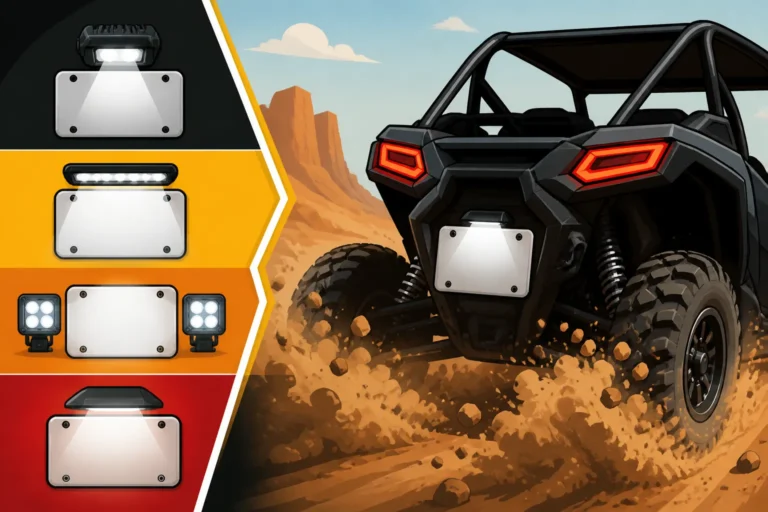
Beyond these major components, there are often smaller, less obvious requirements or items that simply make your street-legal experience better. This could include license plate brackets with proper illumination (if your machine doesn't have a flat surface for a plate), reflective tape in certain areas, or even just ensuring all existing lights, like your brake light, are working perfectly. For example, a basic license plate light and bracket might only be a few tens of dollars, but it's another piece of the puzzle. When considering an all-in-one conversion kit from a company like SuperATV, these smaller items are often bundled, simplifying the process and potentially saving you some hassle in tracking down individual components.
Professional Services and Inspection Fees
Once you’ve got all your shiny new parts ready to go, the next set of costs comes from getting your machine professionally evaluated and ensuring it meets Utah's stringent requirements. This often involves fees for official inspections and, for many, the cost of professional installation. These aren't just bureaucratic hoops; they're essential steps to ensure your converted OHV is genuinely safe for road use and that all modifications are done correctly.
The Mandatory Safety Inspection
This is a non-negotiable step in Utah for any vehicle seeking street-legal status, and your converted ATV or UTV is no exception. Before the Utah DMV will issue a street-legal license plate, your machine must pass a comprehensive safety inspection performed by a certified inspection station. These stations are typically automotive repair shops authorized by the state to perform these inspections.
The inspection itself involves a detailed check of all the components you just installed (or upgraded). The inspector will verify that your headlights have high and low beams, that your turn signals flash correctly and are visible, that your brake lights illuminate when the brakes are applied, and that your horn works. They'll also check your mirrors for proper placement and visibility, ensure you have a functioning speedometer, and often look at tire condition, brakes, and general vehicle soundness. It's a thorough process designed to catch any deficiencies before your machine hits public roads. [Utah's Street-Legal ATV Inspection, Step by Step] provides a much more detailed breakdown of what to expect during this inspection.
The cost for this safety inspection is a set fee, determined by the state. While it's not an exorbitant amount, it's a mandatory expense you'll need to budget for. Keep in mind that if your machine fails the inspection, you'll need to address the issues and then pay for a re-inspection (though sometimes a re-inspection within a certain timeframe might be discounted or free if only minor items needed fixing at the original station). This means it's worth double-checking everything yourself before you bring it in, ensuring all your lights, horn, and other components are working perfectly.
Installation Labor if You Don't DIY
For many riders, the idea of tearing into their machine's wiring harness to install a turn signal kit or carefully mounting a full windshield can be daunting. If you're not comfortable with automotive wiring, mechanical work, or simply don't have the time or specialized tools, hiring a professional shop to perform the installation is a wise choice.
The cost of installation labor can vary significantly. Factors include the complexity of the kit you've purchased, the shop's hourly labor rate, and how much existing wiring or components need to be modified. If you bring in a complete, well-designed street-legal kit, especially one from a reputable manufacturer that provides clear instructions, the labor might be relatively straightforward. However, if you're trying to piece together individual components from different sources, or if your machine requires custom fabrication for mounting certain items, the labor hours can quickly add up.
A typical shop might charge anywhere from a few hours to a full day's worth of labor for a comprehensive street-legal conversion, depending on the machine and the starting point. This can easily run into several hundred dollars. It's always a good idea to get a quote from a few different powersports shops or reputable automotive service centers that are familiar with OHV modifications. Some shops might even offer packaged deals for street-legal conversions, bundling parts and labor, which can sometimes be more cost-effective. While this is an optional expense if you're a capable DIY mechanic, for many, it's a necessary investment to ensure the job is done right and safely.
VIN Inspections for Out-of-State Machines or Special Cases
While not always applicable to every street-legal conversion, there are specific circumstances where an additional VIN (Vehicle Identification Number) inspection might be required, adding another layer to your costs and process.
Utah requires a VIN inspection for certain vehicles being titled or registered in the state for the first time, particularly if they are coming from out of state or if there's any question about their history or origin. If you purchased your ATV or UTV in another state and are now moving to Utah and converting it to street-legal, you'll likely need a VIN inspection. This inspection ensures the VIN matches the paperwork, isn't stolen, and hasn't been tampered with. It's a measure to prevent fraud and track vehicle ownership accurately. [Moving to Utah With an ATV You Already Own] covers this scenario in more depth.
Similarly, if your machine has undergone significant modifications, such as being rebuilt from a salvage title, or if it's a home-built or kit UTV, a VIN inspection might be necessary to properly identify and classify the vehicle before it can be registered and titled for road use. These inspections are typically performed by law enforcement officers (Utah Highway Patrol or local police/sheriff departments) or at designated DMV locations. There is usually a nominal fee for this service. While it's often a quick check, scheduling and waiting for these inspections can add time to your conversion process. Be sure to check with the Utah DMV if your specific situation warrants a VIN inspection, as failing to do so early in the process could cause delays down the line. [VIN Inspections for Utah ATV Paperwork] details what's involved here.
Ongoing Costs: Registration, Insurance, and Maintenance
Making your OHV street-legal isn't a one-and-done financial transaction. Beyond the initial parts and installation, there are ongoing costs you'll incur year after year to maintain its legal status on public roads. These include renewal fees for registration, adjusted insurance premiums, and the inevitable wear and tear that comes with more frequent use and different operating environments. Understanding these recurring expenses is crucial for a realistic long-term budget.
Dual Registration: OHV and Street-Legal
One of the unique aspects of street-legal OHVs in Utah is that you often end up with dual registration. Your machine is still fundamentally an off-highway vehicle, and as such, it typically still needs to maintain its OHV registration to legally ride on designated trails and public lands. In addition to this, you'll pay for and receive a traditional license plate and registration for street-legal use.
This means you'll essentially be paying two sets of fees. The OHV registration, which includes a uniform fee based on the machine's value and age, contributes to trail maintenance and OHV programs in Utah. The street-legal registration, on the other hand, involves a different set of fees, including plate fees, specific road-use taxes, and potentially county fees. While the exact amounts fluctuate, it's safe to say you'll be paying more annually than if your machine was solely for off-road use.
The good news is that both renewals can often be handled at the same time at the Utah DMV, either in person or through their online portal. However, you'll need to clearly understand that you are processing two distinct registrations for the same machine. This dual system ensures that funding continues to support both the off-road infrastructure and the public road system that your machine will now utilize. [Paying Two Registration Fees on One Machine] offers further insights into this dual system. It's a common point of confusion for new street-legal owners, so budgeting for both is key.
Insurance Policy Adjustments
When your ATV or UTV becomes street-legal, its risk profile changes dramatically in the eyes of insurance companies. Suddenly, it's not just encountering rocks and trees on a trail; it's navigating traffic, sharing roads with cars, and facing the potential for higher-speed collisions. This elevated risk almost always translates to an increase in your insurance premiums.
Most standard OHV insurance policies are designed to cover accidents and liability only when riding on designated trails or private property. Once you start operating on public roads, you'll need a policy that provides coverage comparable to what you'd have for a car or motorcycle. This often means adding specific street-legal endorsements to your existing OHV policy or even taking out a separate policy.
You'll need to carry the minimum liability coverage mandated by Utah law for all registered motor vehicles. This covers damages or injuries you might cause to other people or their property in a road accident. Beyond liability, you might also consider collision, comprehensive, and uninsured/underinsured motorist coverage, just as you would for a car, to protect your investment. The cost of this additional coverage will depend on several factors: the value of your machine, your driving record, where you live, and the specific coverages and deductibles you choose. It's crucial to contact your insurance provider before you convert your OHV to street-legal status to get quotes and understand what changes will be needed. Don't assume your existing policy will automatically cover road use. [Insurance for a Street-Legal Machine in Utah] is a valuable resource for understanding the nuances of OHV insurance on the road.
Tires, Maintenance, and Wear and Tear
Operating your ATV or UTV on paved roads introduces different stresses and wear patterns than exclusively off-road use, leading to potential increases in maintenance costs and specific consumable expenses.
The most noticeable impact will be on your tires. Off-road tires, with their aggressive tread patterns and softer compounds, are designed for grip in dirt, mud, and sand. They wear down much faster on asphalt and concrete. The knobby treads that excel on trails will quickly be ground down on pavement, meaning you'll need to replace your tires more frequently. Some riders choose to install "street-legal" specific tires or more all-terrain (AT) style tires that offer a better balance of on-road durability and off-road capability. These tires often come with a higher price tag than basic off-road tires, and the cost of replacement can be substantial over time. [Tire Rules for Street-Legal Machines] touches on the legal requirements for tires.
Beyond tires, general maintenance intervals might need to be adjusted. Road use often involves higher sustained speeds and engine RPMs, which can accelerate wear on components like bearings, brakes, and suspension. Your oil changes and other fluid checks might need to be more frequent. Brakes, in particular, will see more action than typical trail riding, leading to quicker pad wear. While these might seem like minor increases, they add up over a year of regular road use. It's important to factor in these accelerated wear-and-tear costs when budgeting for your street-legal machine, treating it more like a secondary vehicle rather than just a weekend toy.
Potential Hidden or Indirect Costs
Beyond the obvious expenses of parts, labor, and ongoing fees, there are several "hidden" or indirect costs that can creep up and surprise you during the street-legal conversion process. These aren't always line-item charges but can significantly impact your overall budget and time investment. Being aware of them upfront can help you plan more effectively and avoid frustrating setbacks.
Dealer Fees for New Machine Conversions
If you're buying a brand-new ATV or UTV and immediately want it to be street-legal, many dealerships offer to handle the conversion for you. While this can be incredibly convenient, especially for those who prefer a turnkey solution, it almost always comes with a premium.
Dealerships will often charge a flat fee for a "street-legal package" or itemize the parts and labor involved. While they might get a slight discount on parts from their suppliers, their labor rates are generally standard, and they'll factor in their overhead and profit margin. This means you might pay more for the same parts and installation than if you sourced them yourself and had an independent shop do the work, or if you tackled it as a DIY project. The convenience factor is what you're primarily paying for here. They'll ensure all the correct Utah-compliant parts are installed, handle the safety inspection, and often even deal with the DMV paperwork for you, allowing you to drive off the lot with a fully road-ready machine.
It's crucial to get a detailed breakdown of costs from the dealer if you choose this route. Ask what specific parts they're using, how many hours of labor they're charging, and what all the fees include. Compare this to the cost of buying a kit (like from SuperATV) and paying an independent shop for installation, or doing it yourself, to decide if the dealer's premium is worth the saved hassle for you.
Fixing Inspection Failures
Few things are as frustrating as investing time and money into modifying your OHV, bringing it in for inspection, and then being told it failed. This isn't just a blow to your pride; it's a blow to your wallet and your timeline. When a machine fails a safety inspection, you're on the hook for the cost of rectifying whatever issues were found.
Common reasons for failure can include a turn signal not flashing brightly enough, a mirror being too loose, a headlight being misaligned, or even something as simple as a burned-out license plate light. If the inspector finds an issue, you'll need to take your machine back, purchase any necessary replacement parts, perform the repair or adjustment, and then bring it back for a re-inspection. This re-inspection might incur another fee, adding to your overall costs.
The best way to mitigate this hidden cost is thorough pre-inspection preparation. Before you even head to the certified station, meticulously check every single component required by Utah law. Test all your lights, ensure your horn works, verify mirror stability, and confirm your speedometer is accurate. It's often helpful to review the [What Fails a Utah Street-Legal Inspection] article to understand common pitfalls and address them proactively. A little extra time spent on your own checks can save you significant frustration, time, and money in the long run.
Time Off Work and Travel to DMV/Shops
While not a direct monetary cost in the traditional sense, the time you invest in the street-legal conversion process has a real value, especially if it means taking time off work or spending hours driving. This often-overlooked factor can add up quickly.
Think about the multiple trips you might need to make:
- Parts Shopping: Even if you order online, you might drive to local stores for small components or tools.
- Shop Visits: If you're having professional installation, that's at least two trips (drop-off and pick-up).
- Inspection Station: Another trip for the safety inspection, and potentially a second if you fail.
- DMV Visits: At least one trip to the Utah DMV to complete the registration paperwork, pay fees, and get your license plate and street-legal registration sticker. [One Trip to the DMV Instead of Three] highlights how to maximize efficiency, but it still requires a trip.
Each of these trips consumes gasoline, adds wear and tear to your tow vehicle, and most importantly, takes up your valuable time. If you have to take a half-day or full-day off work for any of these appointments, that's lost income that directly impacts your overall "cost" of conversion. Even if it's on a weekend, it's time you could be spending riding, with family, or on other pursuits. Factor in potential wait times at the DMV, especially if you go during peak hours. Planning your visits efficiently, grouping appointments, and taking advantage of online services where possible can help minimize this indirect cost.
Cost-Saving Strategies and DIY Considerations
While making your ATV or UTV street-legal in Utah comes with undeniable costs, there are definitely ways to manage and even reduce these expenses. It's all about being strategic in your approach, leveraging your own skills, and making smart choices about parts and services. By considering these cost-saving strategies, you can achieve your street-legal goal without completely emptying your wallet.
Sourcing Aftermarket Parts Smartly
One of the biggest variables in the total cost is the price of the required parts. This is also where you have the most control to save money.
First, comparison shop rigorously. Don't just buy the first turn signal kit or set of mirrors you see. Check prices from various online retailers, local powersports shops, and even classifieds for gently used (but still compliant and functional) parts. Websites specializing in aftermarket OHV parts often have competitive pricing.
Second, consider all-in-one street-legal kits. Companies like SuperATV specialize in these types of conversions, offering comprehensive kits that include most, if not all, of the necessary components: turn signals, horn, license plate bracket, and sometimes even mirrors. These kits are designed to be specific to your machine's make and model, ensuring compatibility and often simplifying installation. While the initial price might seem higher than individual components, they often represent a significant saving compared to buying each item separately, and they eliminate the guesswork of compatibility. Plus, buying a kit ensures you don't overlook a small but crucial component. [Street-Legal Kits That Suit Utah's Rules] gives examples of what to look for in these kits.
Third, buy only what you need. If your UTV already has perfectly functional headlights and tail lights with high/low beams, don't buy new ones just because a kit offers them. Focus your spending on the specific items you're missing, like turn signals, a horn, or compliant mirrors. Evaluate your machine's current state against the legal requirements before making any purchases.
Doing the Installation Yourself
This is arguably the most significant area where you can save a substantial amount of money: by doing the installation work yourself. As we discussed, professional labor can run into hundreds of dollars, sometimes even approaching a thousand depending on the complexity and hourly rates.
If you have basic mechanical aptitude, a good set of tools, and the patience to follow instructions, installing a street-legal kit is often a manageable DIY project. Most kits, especially those from reputable brands, come with detailed installation guides, sometimes even video tutorials. You'll need to be comfortable with wiring (basic 12V automotive wiring for lights and horns), mounting brackets, and making sure everything is secure.
The benefits of DIY extend beyond just saving money on labor. You'll gain a deeper understanding of your machine's electrical system and components, which can be invaluable for future maintenance or troubleshooting out on the trail. Just make sure you allocate enough time and are realistic about your skill level. If you get halfway through and realize you're in over your head, you might still need to call a professional, potentially costing more than if you had just hired them from the start. But for many, the satisfaction of a self-performed conversion, coupled with the significant savings, makes it a highly appealing option.
Choosing a Machine with Existing Features
This strategy is more for those who are still in the market for an ATV or UTV and have street-legal aspirations from the outset. By being selective about the machine you purchase, you can dramatically reduce your conversion costs down the line.
Many manufacturers now offer higher-trim models or specific "sport and recreation" packages for their UTVs that come with several street-legal features straight from the factory. This could include:
- Integrated Turn Signals: Some models, especially those designed with crossover appeal, might have factory-installed turn signals.
- Full Windshields: Many UTVs now offer factory-installed or dealer-installed full windshields as standard or optional equipment.
- Mirrors and Horns: Even basic rearview mirrors and a horn might be included on certain upscale models.
- Speedometers and Instrumentation: Virtually all modern UTVs have digital dashboards with speedometers, but ensure they are accurate and easily visible.
While these machines might have a higher initial purchase price, the extra cost is often less than what you would pay to add all those components as aftermarket upgrades. Plus, factory-installed components typically have better integration, aesthetics, and often come with a warranty.
If street legality is a primary goal, actively seek out models that minimize the number of aftermarket parts you'll need to purchase and install. Doing your research on different brands and models can pay dividends in reducing your overall street-legal conversion expenses in Utah.
| Cost Category | Description | Cost Impact (Relative) | Notes |
|---|---|---|---|
| Parts & Equipment | Headlights, tail lights, turn signals, horn, mirrors, speedometer, windshield/eye protection, etc. | High | Varies significantly by machine, brand preference, and if you buy a kit (e.g., SuperATV) |
| Safety Inspection | Mandatory state inspection by a certified station. | Low | Fixed state fee; re-inspection costs if you fail. |
| Installation Labor | Professional installation of parts if you don't DIY. | Medium to High | Hourly shop rates vary; depends on complexity and hours needed. |
| VIN Inspection | Required for out-of-state titles, rebuilt machines, or special cases. | Low | Nominal fee, usually performed by law enforcement or DMV. |
| OHV Registration | Annual fees to keep your machine legal for off-road trails. | Medium | Uniform fee based on value/age; funds trail maintenance. |
| Street-Legal Fees | Annual fees for road registration, license plate, road taxes. | Medium | Separate from OHV registration, but often renewed together. |
| Insurance Premiums | Increased costs for required liability and optional comprehensive road coverage. | Medium to High | Based on machine value, driving record, coverage limits. |
| Maintenance/Tires | Accelerated wear on tires (especially off-road tires on pavement), increased brake/component wear. | Medium (Ongoing) | Ongoing expense, often requiring more frequent tire replacement and servicing. |
| Time Off/Travel | Indirect cost of lost wages or personal time for DMV visits, shop runs, etc. | Variable | Can be minimized with efficient planning and DIY. |
Disclaimer
This article is for general informational purposes only and does not constitute professional advice. Laws, prices and regulations vary by location and change over time. Consult a qualified professional for guidance on your specific situation.