Utah Registration After an Out-of-State Dealer Sale
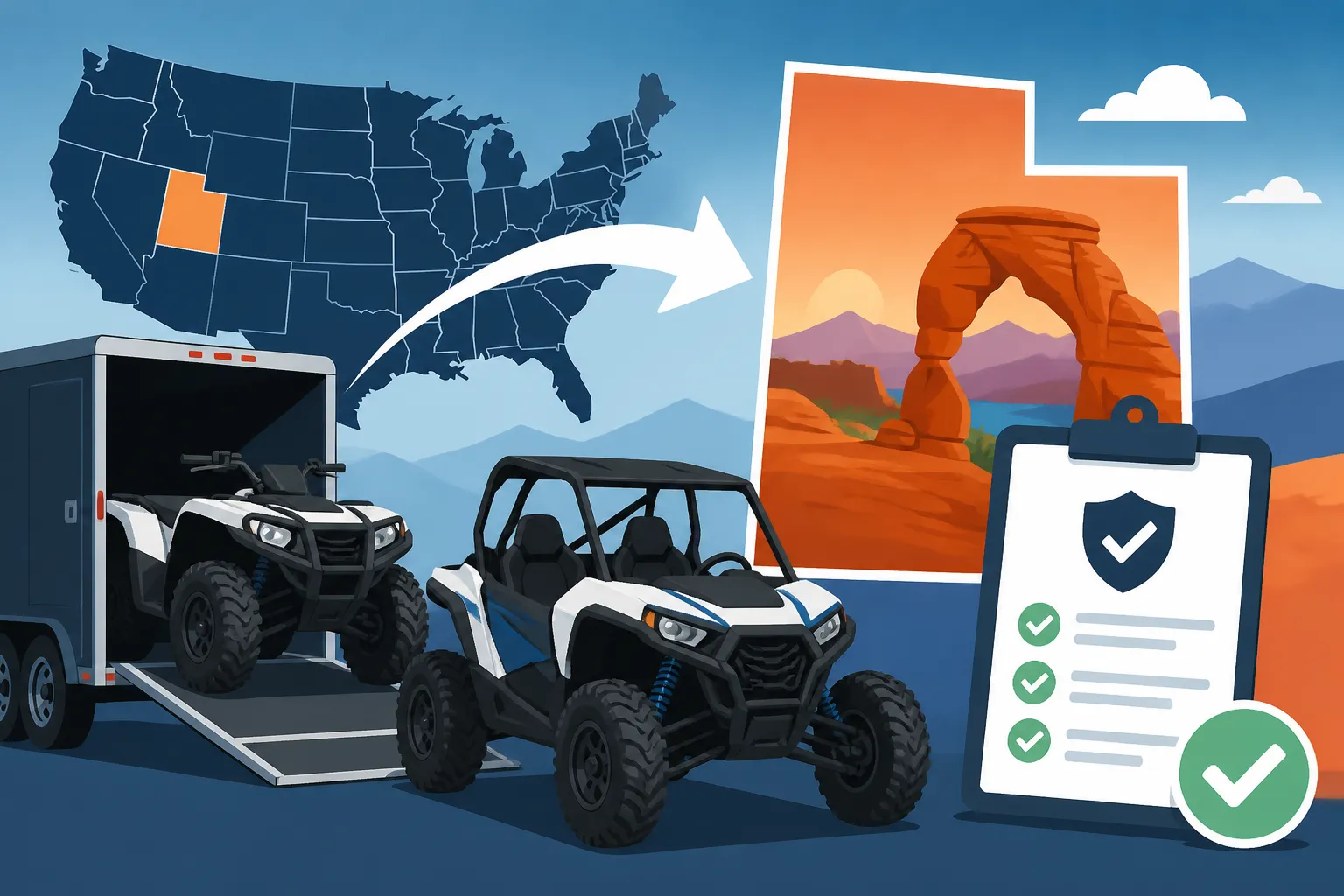
It's incredibly exciting to snag that perfect ATV or UTV you've been eyeing, especially when you find a great deal from a dealer across state lines. But that initial rush can quickly turn into a headache when you realize the paperwork for getting it registered in Utah isn't quite as straightforward as a local purchase. This guide is here to walk you through every step of registering your off-highway vehicle (OHV) in Utah after you've bought it from an out-of-state dealer, helping you navigate the unique challenges and get out on the trails faster.
The Initial Shock: Why Out-of-State Purchases Get Tricky for Utah Registration
You've just driven your shiny new (or new-to-you) side-by-side back home to Utah, perhaps from a dealership in Arizona, Nevada, or Idaho. You might assume since it was a dealer sale, everything should be buttoned up. But then you start looking into Utah's OHV registration process, and suddenly, you're faced with a stack of forms and requirements that feel foreign. It's a common frustration, and you're definitely not alone in feeling a bit overwhelmed.
Understanding Utah's Residency and OHV Rules
The core of the issue often boils down to state-specific laws. Each state has its own way of titling and registering vehicles, and what's perfectly normal in Nevada might have a slightly different twist in Utah. Utah's Division of Motor Vehicles (DMV) and Division of Outdoor Recreation (formerly State Parks) have specific guidelines for what constitutes an off-highway vehicle, how it's titled, and what information they need to prove ownership and collect appropriate fees.
For instance, some states might not issue titles for older OHVs, while Utah has a [Utah's Title Rule for 1988 and Newer Machines] that dictates title requirements for specific model years. If your out-of-state dealer handles the title transfer for you, they'll often do it according to their state's rules, which sometimes don't perfectly align with Utah's. This means you, the new Utah owner, will need to bridge that gap with additional paperwork or verification when you go to register. It's not that the out-of-state dealer did anything wrong; it's just that their process isn't designed for Utah's specific system.
The Missing Link: Why Out-of-State Dealers Don't Handle Utah Paperwork
You might be thinking, "Why didn't the dealer just do the Utah registration for me?" The simple answer is that they can't. Vehicle dealers are licensed to operate and process paperwork within their own state's jurisdiction. They can collect sales tax for their state, issue temporary tags for their state's roads, and process titles through their state's DMV. They typically don't have the legal standing or the infrastructure to submit documents to a different state's DMV, especially when it comes to OHVs which often fall under different departments than road-legal vehicles.
This means the responsibility for proper Utah registration falls squarely on your shoulders. The dealer will provide you with all the necessary documents to prove your purchase and ownership in their state. Your job is to take those documents and translate them into what Utah needs. This might include a clean title, a manufacturer's certificate of origin (MCO) for a brand-new machine, a detailed bill of sale, and sometimes even a VIN inspection to verify the machine's identity, especially if it's coming from outside Utah's system. Knowing this upfront helps you manage expectations and ensures you collect every piece of paper you need before you even leave the dealership lot.
Gathering Your Arsenal: Documents You'll Need for the Utah DMV
When you head to the Utah DMV to register an OHV bought out-of-state, you essentially become the middleman, proving to Utah that you legally own the machine and that it meets all their criteria. Having your ducks in a row with the right documents is half the battle. This isn't just about having a paper; it's about having the right paper with the right information.
The Bill of Sale: Your Proof of Purchase
The bill of sale is crucial, even if you have a title or MCO. It serves as legal proof of the transaction, detailing who bought what, from whom, for how much, and on what date. For an out-of-state dealer sale, this document is vital for establishing the purchase price, which Utah uses to calculate sales tax (if it wasn't properly collected at the Utah rate by the dealer) and the uniform fee.
Make sure the bill of sale from the dealer includes:
- Buyer's full name and address: This should match your Utah identification.
- Seller's (dealer's) full legal name and address: Including their dealer license number, if applicable.
- Detailed description of the OHV: Year, make, model, and most importantly, the full Vehicle Identification Number (VIN).
- Purchase price: Clearly stated.
- Date of sale.
- Signatures: From both the dealer's authorized representative and you, the buyer.
If, for some reason, the dealer's bill of sale feels sparse or you want to ensure you have a robust record, using a service like LawDepot can help you generate comprehensive legal documents for your records, though the dealer's official bill of sale will be the primary document for the DMV. Remember, the clearer and more complete this document is, the smoother your transaction will be. For more details, check out [Utah Bill of Sale: What It Must Say].
The Title or Manufacturer's Certificate of Origin (MCO)
This is perhaps the most important document for proving ownership.
- For a brand-new OHV: The dealer will provide you with a Manufacturer's Certificate of Origin (MCO), sometimes called a Manufacturer's Statement of Origin (MSO). This document is like the vehicle's birth certificate; it confirms it's new, details its specifications, and proves it hasn't been titled before. The MCO must be properly "assigned" or "endorsed" by the dealer to you, the buyer, on the back of the form, similar to how a title is signed over.
- For a used OHV: The dealer should provide you with the existing title, properly signed over to you. This title would have been issued by the state where the OHV was previously registered. Ensure the previous owner (or the dealer, if they titled it in their name) has accurately completed the "assignment of title" section, including their signature, the date, and the odometer reading (if applicable for the type of vehicle). Crucially, make sure their signature matches the printed name on the title. Any errors or erasures can cause delays.
If your OHV is older and came from a state that doesn't issue titles for that model year or type of vehicle, you'll need to research [Registering a UTV in Utah Without a Title]. Utah has provisions for such scenarios, but it typically involves more supporting documentation like past registration records and a robust bill of sale. Don't assume no title means no problem; it just means a different set of requirements.
Proving Residency and Identity
When you visit the Utah DMV, you'll need to establish your identity and prove that you are a Utah resident (unless you're seeking a non-resident permit, which is a different process for visitors).
- Proof of Identity: A valid driver's license or state-issued identification card is standard. Ensure it's current and clearly shows your name and photograph.
- Proof of Utah Residency: This usually means having a Utah driver's license. If you're new to the state and haven't updated your license yet, you might need to bring additional documents like a utility bill, lease agreement, or property tax statement showing your Utah address. The DMV wants to confirm you genuinely reside in Utah to process your registration.
Remember, the goal is to make it as easy as possible for the DMV clerk to verify who you are and where you live. Having matching, current documents is key. You can find a comprehensive list of what to bring by looking up [Documents to Bring to the Utah DMV for an ATV].
The Step-by-Step Utah Registration Process for Your Out-of-State Machine
Once you've collected all your documents, it's time to tackle the actual registration. This part can feel daunting, but breaking it down into steps makes it much more manageable. The key is patience and preparedness.
Visiting the Utah DMV: What to Expect
Even in our digital age, registering an OHV bought out-of-state often requires an in-person visit to a Utah DMV office. Why? Because the clerks need to physically review your out-of-state documents, verify VINs, and sometimes handle special scenarios that online systems aren't equipped for. You can find a list of [Which Utah DMV Offices Handle OHV Paperwork].
Here's what to prepare for:
- VIN Inspection: For any vehicle coming from out-of-state, especially one that hasn't been previously registered in Utah, a VIN inspection is often required. This is a simple process where a DMV employee, law enforcement officer, or authorized inspector visually confirms the VIN on your machine matches the VIN on your paperwork. They're looking for discrepancies, signs of tampering, or errors. It's a critical step in verifying the vehicle's identity and preventing theft. Make sure your OHV is accessible for this inspection, or check if you need to get it inspected beforehand and bring the completed form. Look into [VIN Inspections for Utah ATV Paperwork] for more details.
- Presenting Your Documents: Hand over your MCO or title, bill of sale, and identification. The clerk will meticulously review them. Be prepared for questions about the purchase and the machine.
- Completing Utah-Specific Forms: You'll likely fill out an Application for Utah Title and Registration. This form collects all your personal information and details about the OHV for Utah's records.
- Paying Fees and Taxes: This is where the numbers come in. Utah has registration fees, a uniform fee based on the vehicle's age and value, and potentially sales tax.
This might sound like a lot, but by having everything organized, you'll minimize wait times and potential frustrations.
Understanding Utah's Fees and Taxes
The cost of registering your OHV includes several components, which can sometimes come as a surprise if you're not expecting them.
- Registration Fee: This is the base fee for the privilege of registering your OHV. The funds often go towards trail maintenance, enforcement, and OHV programs.
- Uniform Fee: Utah charges an "age-based uniform fee" instead of an annual property tax for OHVs. This fee is calculated based on the year of manufacture and an assessed value, so newer or higher-value machines will generally have a higher uniform fee. The purchase price on your bill of sale will often be used to help determine this value for new registrations. You can learn more about [The Age-Based Uniform Fee on Utah OHVs].
- Sales Tax: This is a big one. If you purchased your OHV from an out-of-state dealer, you likely paid sales tax to that state. However, if that state's sales tax rate was lower than Utah's, or if the dealer didn't collect Utah sales tax, you might owe the difference to Utah. The DMV will calculate this based on the purchase price on your bill of sale. If you paid sales tax at or above Utah's rate in the other state, you generally won't owe more, but you'll need to show proof of that payment (usually indicated on the bill of sale). Understanding [Utah ATV Sales Tax and Uniform Fees] is crucial here.
It's wise to be prepared to pay these fees and taxes at the DMV. Most offices accept various payment methods, but it's always good to have a backup.
What Happens After You Submit Your Paperwork
Once you've submitted all your documents and paid your fees, you're almost there!
- Temporary Registration: The DMV may issue you a temporary registration or a receipt that serves as proof while your official documents are being processed. This allows you to legally ride your OHV immediately.
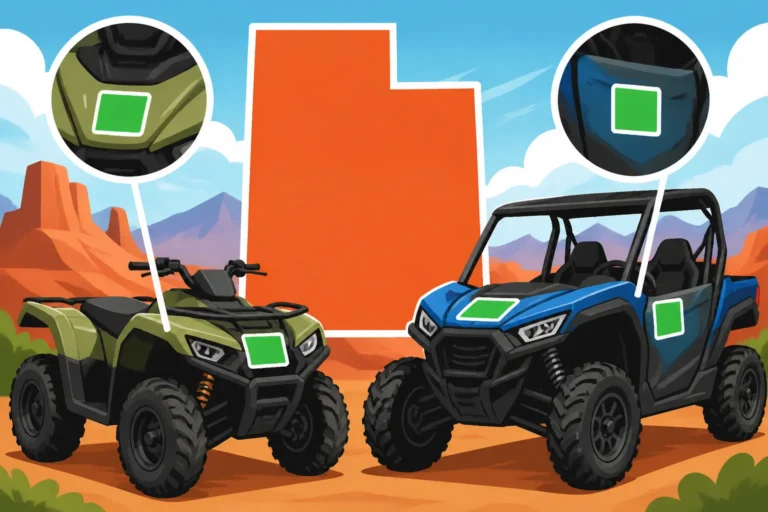
- Registration Card and Decals: Within a few weeks, you'll receive your official Utah OHV registration card and decals in the mail. The decals are very important as they signify your machine is legally registered and are required to be displayed on your OHV. Knowing [Utah OHV Decals and Where They Go] is important to ensure proper placement.
- Title Issuance: If your OHV requires a Utah title (most do for 1988 and newer machines), that will also be mailed to you separately. Keep this title in a safe place, as it's your ultimate proof of ownership. Remember, [How Long Utah OHV Registration Takes to Process] can vary, so be patient.
Once you have your registration card and decals, you're all set to hit the incredible trails Utah has to offer!
Avoiding Common Pitfalls and Ensuring a Smooth Ride
The process of registering an out-of-state OHV in Utah can have a few common stumbling blocks. Knowing what to watch out for can save you a lot of time and frustration.
Dealing with Sales Tax and Uniform Fees
The sales tax situation is often the biggest surprise for folks buying out-of-state. Many assume that because they paid sales tax to the selling state, they're off the hook. However, Utah's tax laws require that residents pay Utah sales tax on vehicles purchased, regardless of where they were bought. If you paid less sales tax in the other state than Utah's rate, you will owe the difference to Utah. If you paid a higher rate, Utah will credit you for what you already paid.
- Proof of Sales Tax Paid: Ensure your bill of sale clearly shows the amount of sales tax you paid to the out-of-state dealer. Without this, the Utah DMV will assume no sales tax was paid and charge you the full Utah rate.
- Understanding the Uniform Fee: As mentioned, this is Utah's way of taxing OHVs annually, replacing traditional property tax. The fee is based on the OHV's assessed value and age. Two identical machines might pay different fees if one is older or the value was assessed differently due to condition, so don't be surprised if your fee isn't exactly what your friend paid.
Being prepared for these financial aspects means no unwelcome surprises at the DMV counter.
When to Seek Professional Help or Double-Check
While this guide covers the general process, unique situations do arise.
- Unusual Title Situations: If the dealer can't provide a clean, assignable title, or if the machine is very old and has never had a title, you might be looking at a more complex process. Utah has specific rules for [Registering a UTV in Utah Without a Title] or even for [Registering a 1987 ATV in Utah] which might fall under specific exemptions or require alternative proofs of ownership.
- Complex Ownership Structures: If you're registering the OHV in the name of a business, trust, or adding multiple owners, there will be additional forms and requirements. [Registering a Utah OHV to a Business or Trust] or [Adding a Second Owner to a Utah OHV Title] will involve extra steps to ensure legal ownership is correctly recorded.
- DMV Discrepancies: Sometimes, despite your best efforts, there might be a minor error on a document, or a VIN might not match perfectly. Don't panic. The DMV clerks are there to help, but they need accurate information to proceed. If you hit a roadblock, ask what specific document or information is missing or incorrect, and how you can rectify it. Sometimes it's as simple as getting the dealer to send a corrected bill of sale via email.
The ultimate goal is to get your OHV legally registered so you can enjoy Utah's incredible backcountry. By understanding the common challenges and gathering all your paperwork diligently, you'll be able to navigate the process smoothly and get to the fun part – riding!
| Document Type | Purpose | Key Information to Verify |
|---|---|---|
| Bill of Sale | Proof of purchase, establishes sale price for tax/fees, confirms buyer/seller details | Buyer/seller full names and addresses, OHV year/make/model/VIN, purchase price, date of sale, signatures of both parties. |
| Manufacturer's Certificate of Origin (MCO/MSO) (for new machines) | Vehicle's "birth certificate," proves it's never been titled, assigned by manufacturer to dealer, then to buyer. | Clearly endorsed/assigned to you (the buyer) by the dealer. Check VIN, year, make, model. Ensure no erasures or alterations. |
| Previous State's Title (for used machines) | Legal proof of previous ownership, assigned from dealer to buyer. | Properly assigned to you (the buyer) by the dealer (or previous owner). Check VIN, year, make, model. Ensure signature matches printed name, odometer reading (if required). No erasures or alterations. |
| Proof of Identity | Confirms who you are. | Valid, current Utah Driver's License or State ID. |
| Proof of Utah Residency | Confirms you live in Utah. | Utah Driver's License with current address, utility bill, lease agreement, property tax statement (if license is not current or primary proof). |
| VIN Inspection Form | Verification of the OHV's identity for out-of-state machines. | Completed by authorized personnel (DMV, law enforcement, certified inspector) confirming VIN on machine matches VIN on paperwork. |
Disclaimer
This article is for general informational purposes only and does not constitute professional advice. Laws, prices and regulations vary by location and change over time. Consult a qualified professional for guidance on your specific situation.