Registering an Imported UTV in Utah
Bringing a UTV into Utah from another country can feel like navigating a complex maze, especially when you're trying to figure out how to get it legally registered for those incredible Utah trails. Many riders get excited about a unique machine they found abroad or face a headache after moving here with a UTV bought elsewhere, only to discover that the standard registration process doesn't quite fit their situation. This guide will walk you through the specific challenges and steps involved in registering an imported UTV in Utah, ensuring you have all your paperwork in order and know what to expect.
Understanding "Imported" for Utah Registration
When we talk about "imported" UTVs in Utah, it's not just about bringing a side-by-side in from Idaho or Arizona. Those transactions are usually straightforward, handled by standard title transfers. Instead, "imported" typically refers to a UTV that has been brought into the United States from another country, such as Canada, Mexico, or even further afield. This distinction is critical because imported vehicles, especially those not originally manufactured for the U.S. market, face different hurdles related to customs, emissions, and safety standards.
Defining an Imported UTV for Utah
For the Utah Division of Motor Vehicles (DMV), an imported UTV is generally one that has crossed international borders and is now being titled and registered in Utah for the first time in the U.S. This could mean a brand-new machine purchased directly from a foreign dealer, or a used UTV that has a history of registration in another country. The key here is the origin and the path it took to get to Utah.
The challenges with these machines often stem from differing manufacturing standards. Other countries might have less stringent (or simply different) requirements for emissions, safety features, and even VIN plate formats. This can lead to extra scrutiny during the registration process, as Utah, like other states, needs to ensure the vehicle meets federal U.S. Environmental Protection Agency (EPA) and Department of Transportation (DOT) standards, even if it's an off-highway vehicle. Understanding this upfront helps manage expectations for the paperwork and inspection steps to come.
Common Scenarios for Importing a UTV
There are several common ways a UTV might end up being classified as "imported" in Utah, each with its own set of potential quirks:
One frequent scenario involves riders who've purchased a specialty UTV or an older model from Canada or Mexico. Sometimes, these machines offer features or a price point not readily available domestically. While exciting, this can mean dealing with Canadian or Mexican titles, bills of sale in foreign languages, and customs declarations. Another situation arises when someone moves to Utah after living abroad and brings their personal UTV with them. Perhaps they served in the military overseas or had an extended work assignment and purchased a side-by-side in that country. Now, upon returning home to Utah, they need to make their beloved machine legal here.
Lastly, some individuals might purchase an imported UTV from another private party within the U.S. who originally handled the import process. In this case, while you didn't personally import the machine, you're still dealing with the legacy of its foreign origin, which means ensuring all the prior import documentation is correct and complete before you can proceed with your own registration. Each of these scenarios presents its own unique twist on the "imported" registration journey, underscoring the need for meticulous record-keeping and a good understanding of the required documents.
The Paperwork Puzzle: Key Documents You'll Need
Getting your imported UTV registered in Utah truly boils down to the paperwork. This isn't just about having a document; it's about having the right documents, complete and accurate, that tell a clear story of your UTV's journey from its country of origin to your garage in Utah. Any missing piece or inconsistency can lead to frustrating delays and multiple trips to the DMV.
Essential Documents from the Purchase/Import
When you're dealing with an imported UTV, the standard documentation gets a few extra layers. Beyond your personal identification, you'll absolutely need to have these core documents ready:
-
Bill of Sale: This is non-negotiable and incredibly important. It needs to clearly state the buyer and seller's full names and addresses, the UTV's make, model, year, and most importantly, its Vehicle Identification Number (VIN). The purchase price is also crucial for sales tax assessment. If the original bill of sale is in a foreign language, you might need a certified translation. For complicated transactions, especially those involving multiple parties or unusual circumstances, using a template from a service like LawDepot can ensure all the necessary legal language and critical details are included, providing a solid foundation for your claim of ownership.
-
Customs Declaration Forms: These are your proof that the UTV legally entered the United States and has cleared federal inspection. The most common forms you'll encounter are CBP Form 7501 (Entry Summary) from U.S. Customs and Border Protection, and EPA Form 3520-1 (Declaration Form for Imports of Vehicles and Engines) for emissions compliance, along with HS-7 (Importation of Motor Vehicles and Motor Vehicle Equipment Subject to Federal Motor Vehicle Safety, Bumper, and Theft Prevention Standards) from the Department of Transportation. These forms declare that the vehicle either meets U.S. standards or is exempt. Without these, the DMV will have no way to confirm legal import and compliance.
-
Foreign Title or Registration Document: This is the equivalent of a U.S. title or registration from the country where the UTV was last legally owned. It serves as proof of prior ownership and helps establish the chain of custody. Just like the bill of sale, if it's not in English, a certified translation will be required. Be prepared for these documents to look very different from what you're used to, as each country has its own unique format and terminology. For more on general title requirements, you can check out [Utah ATV Title Requirements Explained].
Having these documents meticulously organized and potentially translated can save you immense hassle.
Documents for the Utah DMV
Once you've gathered all the foreign-specific paperwork, you'll still need the standard Utah documents to complete the process. Think of these as the final puzzle pieces that bring your imported UTV into the Utah system.
-
Application for Utah Title (Form TC-656): This is the fundamental form you'll fill out at the DMV to formally request a Utah title for your UTV. It will ask for all the machine's details, your personal information, and how the UTV was acquired. Make sure every field is filled out accurately and matches your supporting documents precisely.
-
Identification and Proof of Utah Residency: You'll need a valid driver's license or state ID. If you're a new resident, you'll also need to provide proof that you reside in Utah, such as a utility bill, lease agreement, or other official mail with your name and Utah address. The DMV needs to confirm you're a legitimate resident seeking to register a vehicle here.
-
Proof of Ownership: This is where all those foreign bills of sale, customs forms, and foreign titles come together. You'll present them along with your TC-656 to establish your legal ownership. If there's a lien (a loan) on the UTV, you'll also need a lien release from the financing institution, especially if the loan was from a foreign lender.
Here’s a handy checklist to keep track of your essential documents:
| Document Type | Specifics for Imported UTVs | Notes |
|---|---|---|
| Proof of Ownership | Original Foreign Title/Registration | Must be from the country of origin. If in a foreign language, a certified English translation is required. |
| Detailed Bill of Sale | Buyer/seller info, VIN, purchase price, date. If private party, both signatures. For complex situations, a comprehensive bill of sale from a legal document provider like LawDepot can be very helpful to ensure all critical details are included and legally sound. | |
| Import Documentation | CBP Form 7501 (Entry Summary) | Proof of legal customs clearance into the U.S. |
| EPA Form 3520-1 (Emissions Declaration) | Declares compliance with U.S. EPA emissions standards or exemption. | |
| DOT Form HS-7 (Safety Declaration) | Declares compliance with U.S. DOT safety standards (Federal Motor Vehicle Safety Standards) or exemption. | |
| Utah DMV Forms | Application for Utah Title (Form TC-656) | Filled out at the DMV or beforehand. Ensure VIN and owner info match all other documents. |
| Certified VIN Inspection (from law enforcement/DMV agent) | Required for all out-of-state or imported vehicles. Ensures the VIN is legitimate and matches paperwork. | |
| Personal Identification | Valid Driver's License or State ID | |
| Proof of Utah Residency (if new resident) | Utility bill, lease, etc., with your name and current Utah address. |
Collecting all these items is a significant undertaking, but it's the foundation of a successful registration process. For a broader look at what's generally needed, our guide on [A First-Time Buyer's OHV Paperwork Checklist in Utah] might offer some good context.
Navigating the VIN Inspection for Imported Machines
The VIN inspection is always a critical step when registering any vehicle that's new to Utah, especially if it's coming from out-of-state. But for an imported UTV, this inspection takes on even greater importance. It's not just a quick check; it's a verification process that delves into the very identity of your machine and its compliance with U.S. standards.
Why a VIN Inspection is Even More Critical
For imported UTVs, the VIN inspection goes beyond simply confirming that the VIN on the machine matches your paperwork. It's a crucial checkpoint for verifying the vehicle's legitimacy and compliance with U.S. regulations that may not have applied in its country of origin. Inspectors are trained to look for potential issues that are more common with imported vehicles.
One primary reason for heightened scrutiny is the potential for different VIN standards. While most modern vehicles use a 17-character VIN, older imported machines or those from certain regions might have a different format, or even multiple identifying numbers (chassis, engine, etc.). The inspection ensures that the primary VIN is legitimate, hasn't been tampered with, and can be properly entered into the Utah system. It's also a chance to look for crucial U.S. compliance stickers, like those from the EPA for emissions or DOT for safety, which may or may not be present on vehicles never intended for the American market. This step is a vital safeguard against issues like stolen vehicles or those that truly cannot meet U.S. operational standards. You can learn more about general VIN inspection requirements in [VIN Inspections for Utah ATV Paperwork].
Who Performs the Inspection and What They Look For
In Utah, VIN inspections for off-highway vehicles can typically be performed by law enforcement officers (Utah Highway Patrol, county sheriffs, or city police departments) or certified DMV agents. It's always a good idea to call ahead to your local DMV office or sheriff's department to confirm their availability and any specific procedures for imported vehicles. Some specialized situations might require an inspection at a specific DMV facility or even by a state-certified private inspection station.
During the inspection, the officer or agent will meticulously compare the VIN displayed on your UTV (usually on the frame, engine, or a data plate) against all the documents you've provided: your foreign title, bill of sale, and customs forms. They'll look for any discrepancies, signs of alteration, or missing digits. For imported vehicles, they'll also specifically check for any federal certification labels, like the EPA emissions sticker or a DOT safety certification. If these labels are absent or don't conform to U.S. requirements, it could indicate that the UTV was not originally manufactured to meet American standards, which can create significant hurdles for registration. They want to ensure the vehicle is safe and legally compliant for Utah's trails.
Sales Tax and Fees: What to Expect When Registering
Aside from the paperwork and inspections, the financial aspect of registering an imported UTV in Utah is another important consideration. You'll need to budget for sales tax and various registration fees, some of which might be calculated differently for a machine coming from outside the U.S.
Utah Sales Tax on Imported UTVs
One of the most significant costs you'll encounter is Utah sales tax, especially if you haven't already paid it. If you purchased your UTV in another country and didn't pay U.S. sales tax at the point of entry or during a subsequent sale, Utah will generally assess its sales tax when you apply for registration and title. This isn't just a state law; it's how Utah ensures fair taxation on all vehicles entering its system.
The amount of sales tax you'll pay is typically based on the UTV's purchase price, as declared on your bill of sale. It's important to have an accurate and verifiable purchase price on your documentation. If the DMV has reason to believe the stated purchase price is unusually low, or if you acquired the UTV without a clear purchase price (e.g., as a gift), they might use an alternative method to determine its value. This often involves consulting industry valuation guides, like the NADA (National Automobile Dealers Association) value, or other appraisal methods to establish a fair market value for taxation. For more details on this, you can refer to [Utah ATV Sales Tax and Uniform Fees]. Be prepared for this calculation, as it can be a substantial sum depending on your UTV's value.
Other Registration Fees and the Uniform Fee
Beyond sales tax, you'll be responsible for several other fees when registering your imported UTV in Utah. These typically include:
- State Registration Fee: This is the core fee that contributes to the state's OHV programs, trail maintenance, and education. It's a standard fee that applies to most off-highway vehicles.
- County Fees: Some counties in Utah also levy a small additional fee as part of the OHV registration process, which helps support local OHV-related initiatives.
- Uniform Fee: This is a distinct fee that Utah charges annually on most vehicles, including OHVs. Unlike sales tax, which is a one-time payment, the uniform fee is assessed each time you renew your registration. The amount of the uniform fee is calculated based on the UTV's age and its market value. Newer, more valuable machines will generally have a higher uniform fee than older, less valuable ones. For an imported UTV, the DMV will use the same valuation methods (purchase price, NADA value, etc.) to determine the uniform fee as they do for sales tax. You can find more specific information on this in [The Age-Based Uniform Fee on Utah OHVs].
It's wise to call your local Utah DMV office before your visit to get an estimate of the total fees. While they won't give exact figures without all your paperwork, they can provide a general idea of what to expect, helping you avoid surprises when it's time to pay. Remember, these fees are what help keep Utah's vast and incredible OHV trail system well-maintained and accessible, so they're a necessary part of enjoying our outdoors.
Dealing with Missing or Unusual Documentation
Perhaps the most common source of frustration when registering an imported UTV in Utah comes from missing, incomplete, or unusual documentation. Not every transaction abroad is as meticulous as those in the U.S., and sometimes, things just get lost or weren't issued in the first place. But don't despair; while challenging, there are often pathways forward, though they require patience and persistence.
No Title or Incomplete Foreign Paperwork
This is a scenario that makes many riders' hearts sink: you have a UTV, but no official title from its country of origin, or the paperwork you do have is incomplete or inconsistent. Maybe it's an older machine from a country where titles weren't standard, or perhaps the previous owner simply lost it. Without a clear "chain of ownership" proved by a title, the Utah DMV becomes very cautious.
If you find yourself in this situation, one of the primary options to explore is applying for a bonded title. A bonded title is essentially a title issued by the state, backed by a surety bond, which protects previous owners or lienholders in case a legitimate claim to ownership emerges later. This process typically involves proving to the DMV that you have made a diligent effort to locate the original title and that you are indeed the rightful owner. You'll likely need to provide a detailed bill of sale (even if it's the only document you have), any customs forms, and sworn affidavits. Services like LawDepot can be incredibly useful here, offering templates for affidavits of ownership or bills of sale that can be customized to include all the unique circumstances of your imported machine, helping you build a stronger case for your claim. This is a complex route, and our guide on [Registering a UTV in Utah Without a Title] goes into more detail, but it's often the only recourse for truly "title-less" machines.
Dealing with Grey Market or Non-Compliant UTVs
Beyond missing paperwork, you might encounter issues if your imported UTV falls into the "grey market" category. These are vehicles that were manufactured for sale in a foreign market and were never officially certified by the manufacturer to meet U.S. federal safety (DOT) or emissions (EPA) standards. While you might legally import such a machine, getting it registered for use in Utah can be exceptionally difficult, sometimes impossible, without significant and costly modifications.
The Utah DMV and federal agencies take emissions and safety seriously. If your UTV lacks the necessary EPA or DOT certification stickers, it raises a red flag. In some cases, specific parts (like catalytic converters, headlights, or brake systems) might need to be replaced with U.S.-compliant versions, and then the vehicle might need to undergo a full federal certification process, which is often prohibitively expensive for an individual owner. It's a tough reality, but some imported machines simply cannot be made compliant without immense effort and expense. If you're unsure about your UTV's compliance, it's best to consult with a specialist importer or even the original manufacturer before you attempt registration. They can often provide guidance on whether a particular model can be brought up to U.S. standards. For imported vehicles, the paperwork must also be very precise, so using a structured document like a comprehensive bill of sale from a reputable service like LawDepot can often head off simple problems by showing a clear and well-documented transaction from the outset.
The Registration Process, Step-by-Step
After all the gathering of documents, the VIN inspection, and understanding the financial implications, you're finally ready for the big day: registering your imported UTV at the Utah DMV. While it might seem daunting, breaking it down into a few key steps can make the process much smoother.
Pre-DMV Checklist for Imported Machines
Before you even think about setting foot in a DMV office, take a deep breath and go through this checklist. Being prepared is the best way to ensure a single, successful trip:
- Gather ALL Original Documents: This includes your foreign title/registration, bill of sale (with a certified translation if needed), all customs forms (CBP Form 7501, EPA Form 3520-1, DOT Form HS-7), your photo ID, and proof of Utah residency. Make multiple photocopies of everything. Keep the originals safe, but have copies handy to submit or for your records.
- Complete Your VIN Inspection: Ensure you have the completed and signed VIN inspection form from a qualified law enforcement officer or DMV agent. This is non-negotiable for imported vehicles.
- Fill Out the Utah Title Application: Have Form TC-656 (Application for Utah Title) mostly filled out beforehand. Double-check all spellings, numbers, and dates to ensure they perfectly match your supporting documents.
- Confirm Sales Tax and Fee Estimates: While you won't know the exact amount until you're there, having a good estimate for the sales tax and various fees will help you prepare financially. Make sure you have your payment method ready.
- Clean Your UTV: While not a "paperwork" item, presenting a clean UTV for any final checks or simply for peace of mind can't hurt.
The more you can do before your visit, the less stress you'll experience during the actual registration.
Your Visit to the Utah DMV
This is the moment of truth! Head to a Utah DMV office that handles OHV paperwork. Not all branches do, so it's wise to call ahead or check the official DMV website for specific locations. Our guide on [Which Utah DMV Offices Handle OHV Paperwork] can give you a head start.
When you arrive, take a number for "title and registration" or "OHV services." When your number is called, approach the counter with all your meticulously organized documents. Explain clearly to the clerk that you are registering an imported UTV. They will appreciate your upfront honesty and preparation. The clerk will review your documents, verify your identity, and enter your UTV's information into the state system. This is where those customs forms and the VIN inspection become absolutely vital. They are looking for clear proof that the vehicle legally entered the U.S. and meets baseline standards. They will calculate your sales tax (if applicable) and all other registration fees. Be prepared to answer questions about the UTV's history, how it was acquired, and its intended use. Patience is key here; imported vehicle registrations can sometimes take a bit longer due to the extra layers of verification required. Having a detailed bill of sale, perhaps one you tailored using a service like LawDepot to thoroughly document all aspects of the purchase, can significantly streamline the clerk's review process by presenting all the necessary information clearly and concisely.
Receiving Your Utah Title and Decal
If all goes well and your paperwork passes muster, you'll pay your fees, and the DMV will likely provide you with a temporary registration permit on the spot. This allows you to legally operate your UTV while you await the permanent documents. Your official Utah title certificate and OHV registration decal will typically be mailed to you within a few weeks.
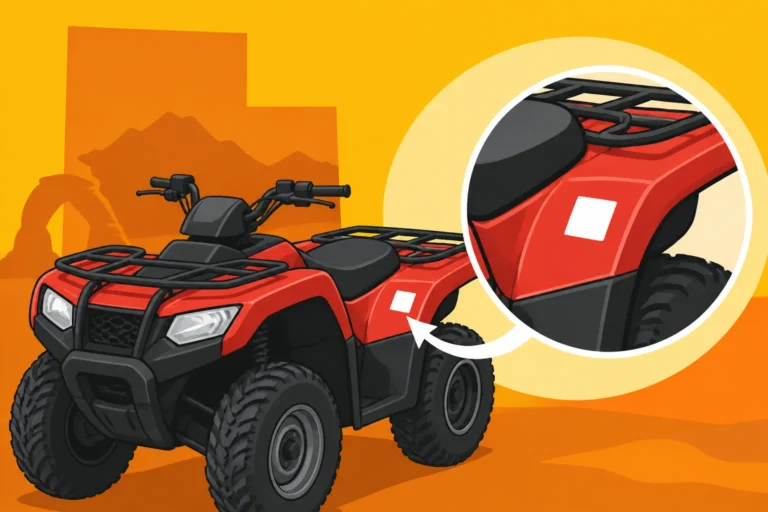
Once you receive your physical title, inspect it carefully to ensure all information, especially the VIN, your name, and any lienholder details, are correct. The OHV decal is a critical item; it must be affixed to your UTV in a visible location as proof of current registration. For detailed guidance on where to place it, consult [Utah OHV Decals and Where They Go]. Remember that your registration is generally valid for a specific period, and you'll need to renew it before it expires. Keep all your original import documents and a copy of your new Utah title in a safe place. Having your registration current and carrying proof of it on the trail, as outlined in [What Paperwork Utah Riders Must Carry], ensures you can enjoy Utah's incredible OHV opportunities without any hiccups.
Disclaimer
This article is for general informational purposes only and does not constitute professional advice. Laws, prices and regulations vary by location and change over time. Consult a qualified professional for guidance on your specific situation.