Preparing for a Utah DMV Visit With an ATV
There's nothing quite like the feeling of anticipation when you're ready to get your ATV or UTV registered and hit the trails, only to face the dreaded DMV. It can be incredibly frustrating to spend valuable time gathering documents, driving to the office, waiting in line, and then being told you're missing one crucial piece of paper. This guide is here to save you from that headache, walking you through everything you need to know to prepare for a smooth and successful Utah DMV visit for your off-highway vehicle.
Why Your DMV Trip Needs a Game Plan
Let's be real, a trip to the Department of Motor Vehicles rarely makes anyone's "favorite things to do" list. It's often associated with long waits, confusing forms, and the feeling that you're jumping through hoops. When it comes to registering your beloved ATV or UTV in Utah, these feelings can be amplified if you're not prepared.
The Frustration of Multiple Visits
You've probably heard the stories, or maybe even lived them yourself: someone takes time off work, loads up the kids, and treks to the DMV, only to discover they forgot a signature, or a document is outdated, or they simply brought the wrong form. The sheer defeat of being sent home, having to reschedule, and do it all over again is enough to make anyone want to pull their hair out. It's not just the wasted time at the DMV; it's the lost opportunity to be out riding, the gas spent, and the sheer mental energy of dealing with bureaucracy twice. This frustration is completely valid, and it’s why preparation is your best friend.
Imagine planning a weekend ride with friends, only to realize your registration is expired and you need to get to the DMV ASAP. You rush there, only to find out you left the bill of sale in your other jacket. Suddenly, your epic weekend ride is jeopardized because of a simple oversight. We've all been there, and it's precisely what we want to help you avoid.
Understanding Utah's ATV/UTV Paperwork Demands
Utah, like most states, has specific requirements for titling and registering off-highway vehicles. These regulations aren't there to make your life harder, but rather to ensure proper ownership, track vehicles for safety and environmental reasons, and collect fees that often go back into maintaining our amazing trail systems. However, the system can feel opaque at times.
The demands vary depending on whether you bought your machine new from a dealer, used from a private seller, inherited it, or are bringing it in from out of state. Each scenario has its own set of rules and required documents. For instance, the paperwork for a brand-new quad will differ significantly from registering a classic three-wheeler from the 1980s that might not even have a title. Understanding these nuances before you go is key to a one-and-done visit.
Essential Documents: Don't Leave Home Without These!
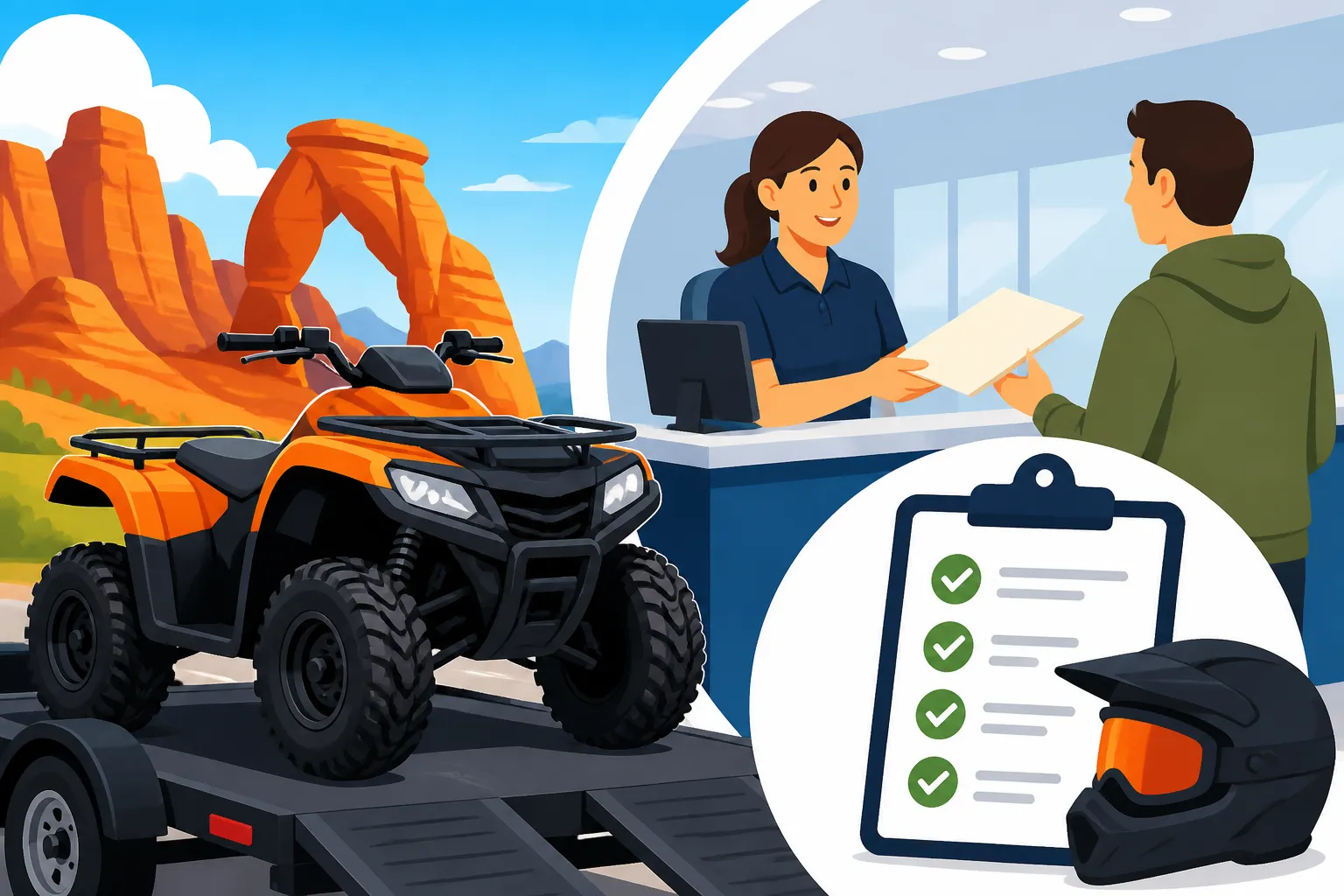
The cornerstone of a successful DMV visit is having all your ducks in a row when it comes to paperwork. This section will walk you through the non-negotiables you absolutely must bring with you. Think of this as your ultimate checklist to avoid that dreaded "you're missing something" moment.
Proof of Ownership: Title, Bill of Sale, or Both
This is, without a doubt, the most critical item. The DMV needs to confirm that you are the rightful owner of the ATV or UTV you're trying to register. What constitutes "proof" can vary:
- Manufacturer's Certificate of Origin (MCO): If you bought your OHV new from a dealership, they should provide you with the MCO. This is essentially the birth certificate of your vehicle and proves it has never been titled before. Ensure the dealer has properly filled it out and signed it over to you.
- Existing Title: If you purchased a used ATV or UTV, the previous owner's signed-over title is essential. Make sure the title is completely filled out by the seller, including their signature, the sale date, and the odometer reading (if applicable for UTVs, though less common for ATVs). Mistakes on a title can cause significant delays, so take your time examining it. For machines from 1988 and newer, Utah generally requires a title. For more specific details on what needs to be on this document, check out [Utah's Title Rule for 1988 and Newer Machines]. If you're dealing with an older machine, like [Registering a 1987 ATV in Utah], the rules might be a bit different, as older machines sometimes predated title requirements.
- Bill of Sale: Even with a title, a comprehensive bill of sale is highly recommended, especially for private party transactions. It acts as a detailed record of the sale, including the purchase price, VIN, seller's and buyer's information, and the date. This document is particularly vital if you're dealing with [No Title From the Seller: What Utah Requires] or trying to understand [Registering a UTV in Utah Without a Title]. A well-drafted bill of sale can also help the DMV determine sales tax owed and the vehicle's value for uniform fees. You can find excellent templates for this kind of document from services like LawDepot, which can help ensure you don't miss any critical details. For a deeper dive into what makes a bill of sale legitimate, refer to [Bill of Sale Requirements for a Utah ATV Sale].
Personal Identification and Residency
The DMV needs to confirm who you are. Always bring a valid, government-issued photo ID.
- Driver's License or State ID: Your current Utah driver's license or state identification card is typically sufficient. Make sure it's not expired.
- Proof of Utah Residency: If you're a new resident to Utah, or your driver's license doesn't reflect your current Utah address, you might need additional proof of residency. This could include a utility bill, a lease agreement, or a bank statement showing your Utah address. For those who just moved to the Beehive State, understanding [Moving to Utah With an ATV You Already Own] and [How Soon New Residents Must Register a UTV] is crucial to ensure you're in compliance with Utah's timelines.
Fee Payment and Additional Forms
Registering an OHV involves more than just proving ownership; it also requires payment of various fees and potentially other supporting documents.
- Payment for Fees: Be prepared to pay for registration fees, uniform fees, and sales tax (if applicable). While I can't give you exact figures, know that these costs vary based on the type of machine, its age, and its value. Check the Utah DMV website for current rates before your visit. Most DMV offices accept cash, checks, and major credit/debit cards, but it's always wise to have a couple of options just in case.
- Lien Releases: If the ATV or UTV you're registering previously had a loan or a lien against it, you'll need a lien release document from the financial institution that held the lien. Without this, the DMV won't be able to transfer the title cleanly into your name. This is especially important when you're purchasing a used machine and need to ensure all prior financial obligations are cleared, which is discussed in more detail in [Lien Releases on a Used Utah Side-by-Side].
- Power of Attorney: If someone other than the registered owner (or yourself, if you're not the sole owner) will be handling the registration, they'll need a notarized power of attorney. This grants them the legal authority to conduct business on the owner's behalf.
- Any Other Specific Forms: Depending on your unique situation (e.g., registering a homebuilt vehicle, a machine for a minor, or a vehicle that was previously salvaged), there might be additional specific forms required by the Utah DMV. It's always a good idea to visit the DMV website or call ahead to confirm if your situation warrants any special paperwork.
Pre-Visit Checks: A Smooth Sailing Strategy
Before you even step foot out the door, there are some critical checks you can perform to minimize surprises at the DMV. This proactive approach will save you time and potential headaches.
Verifying Your ATV/UTV's Status
Knowing the full history and current status of your off-highway vehicle is vital. This isn't just about being prepared for the DMV; it's about being a smart and safe owner.
- VIN Inspection: For certain situations, such as buying an OHV from out of state, registering a machine without a clear title, or when the VIN on your machine has been altered or is unreadable, a VIN inspection might be required. This usually involves a certified inspector (often at a DMV or law enforcement office) verifying the Vehicle Identification Number. It’s a necessary step to ensure the vehicle’s identity is clear and legitimate. For more guidance on this, see [VIN Inspections for Utah ATV Paperwork].
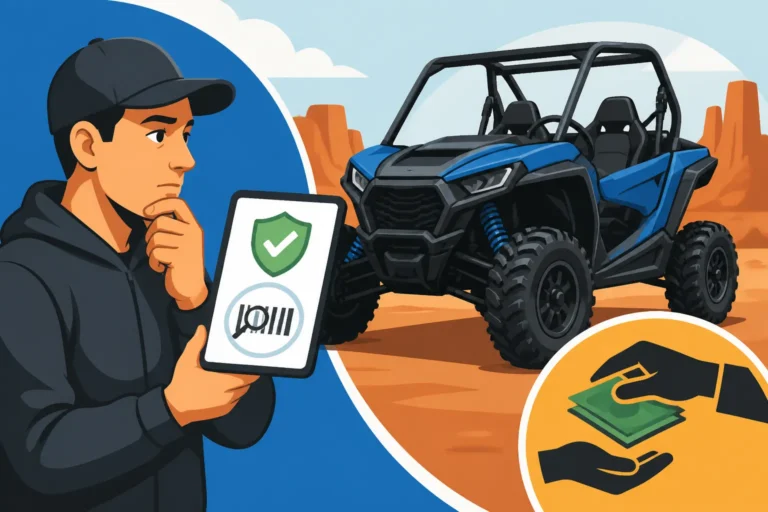
- Lien and Theft Records Check: Before finalizing a purchase, especially from a private seller, it's incredibly wise to perform a lien and theft record check. You don't want to register a vehicle that's still collateral for someone else's loan or, worse, a stolen machine. The Utah DMV or a third-party service can often help with this. Running the VIN beforehand can save you from a world of trouble down the road. Delve into the specifics of this process with [Checking a Used Utah ATV for Theft Records].
- Model Year Implications: The age of your ATV or UTV can significantly impact the titling requirements in Utah. As mentioned earlier, machines from 1988 and newer typically require a title. However, older machines, like a classic three-wheeler from 1987, might have different rules. Make sure you know your machine's model year and research how it applies to current Utah regulations. This will directly affect what ownership documents the DMV expects to see.
Making Sure You Have the Right Forms
The Utah DMV website is your friend! Most of the forms you might need are available for download.
- Download and Pre-Fill: Take the time to download any necessary forms (like the application for title and registration) and fill them out completely at home. This not only saves you time at the DMV but also allows you to gather all the required information without feeling rushed. Double-check every blank and make sure your handwriting is legible.
- Utilize Templates: For documents like a bill of sale, if you're completing one yourself, using a reputable template can prevent errors. Resources like LawDepot offer customizable legal document templates that can guide you through including all essential details for your specific situation. This ensures you’re prepared for whatever [Questions the Utah DMV Will Ask About Your UTV].
- Confirm Required Forms: If you're unsure which specific forms apply to your unique situation, don't hesitate to call the DMV or check their official website. Each scenario (new purchase, transfer, out-of-state, etc.) might have slight variations in the required paperwork.
When to Visit and What to Expect
Timing your visit can significantly impact your experience.
- Best Times to Avoid Crowds: Generally, mid-week (Tuesday through Thursday) and mid-morning or mid-afternoon are less busy than opening or closing times, Mondays, or Fridays. Avoid lunch hours if possible. Holiday weeks are almost always busier.
- Choosing the Right Office: Not all DMV offices handle every type of transaction. While many can process OHV registrations, it's wise to confirm. You can find a list and their services by looking up [Which Utah DMV Offices Handle OHV Paperwork].
- A First-Time Buyer's Experience: If this is your very first OHV purchase, congratulations! But also, be prepared for a bit of a learning curve. Your [A First-Time Buyer's OHV Paperwork Checklist in Utah] will be slightly more extensive as you navigate initial titling and registration. Don't be shy about asking questions if something isn't clear.
- Processing Time: While the actual interaction at the counter might be quick if you're prepared, the overall processing time can vary. Sometimes you walk out with everything, other times a title might be mailed to you. For an idea of what to expect, consider [How Long Utah OHV Registration Takes to Process].
What Happens at the DMV Counter
You've prepared meticulously, gathered all your documents, and timed your visit perfectly. Now, let's talk about what actually happens when you reach the counter and how to ensure you leave with everything you need.
The Registration Process Step-by-Step
When you're called up to the window, the process typically unfolds like this:
- Submission of Documents: You'll hand over all your carefully prepared documents – your proof of ownership (title, MCO, bill of sale), your identification, any lien releases, and your completed application forms.
- Verification by DMV Staff: The DMV agent will review your documents to ensure everything is in order. They'll check for proper signatures, correct VINs, and that all required fields are filled out. This is where your pre-visit checks truly pay off! If they have any questions or find discrepancies, they will point them out. Having a solid, complete bill of sale, perhaps drafted with the help of a reputable service like LawDepot, can often clarify any ambiguities about the transaction, particularly concerning the purchase price and parties involved.
- Payment of Fees: Once the documents are approved, you'll be instructed on the total amount due for registration, uniform fees, and any sales tax. You'll then make your payment using your chosen method.
- Issuance of Registration and Decal: Assuming everything goes smoothly, the DMV will process your registration. You'll typically receive a temporary registration card and your OHV decals on the spot. Your official title document might be mailed to you later, especially if it's a new title being issued.
Common Questions and Potential Pitfalls
Even with the best preparation, unique situations can arise. Don't panic if a question comes up.
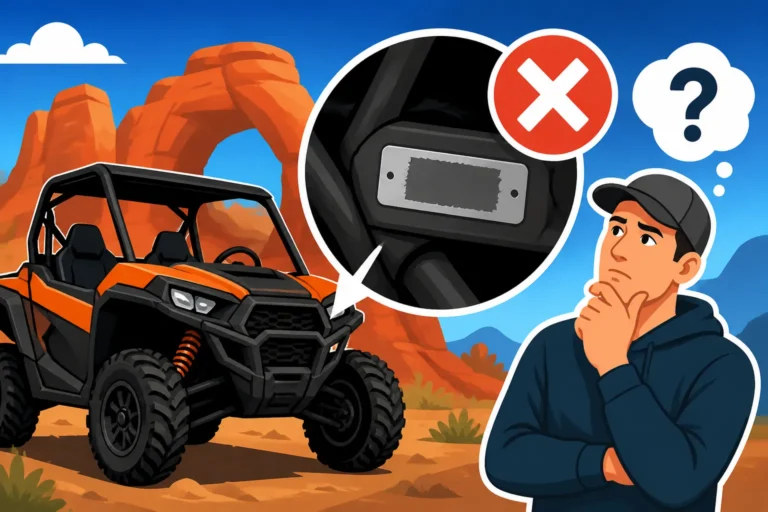
- "What if my VIN is hard to read?" If the VIN on your machine is corroded, covered in mud, or otherwise difficult to read, the DMV may require a physical inspection or additional verification. It’s always a good idea to clean and locate your VIN before heading to the DMV.
- "What if I forgot a signature?" This is a very common pitfall. If a signature is missing on the title, bill of sale, or application form, you will likely be sent home to get it. This underscores the importance of thoroughly reviewing all documents before your visit.
- Don't Be Afraid to Ask: If the DMV agent says something you don't understand, politely ask for clarification. It's better to spend an extra minute understanding their request than to leave confused and make a mistake. Remember, their goal is to help you get your vehicle registered correctly.
- Review Before You Leave: Before you walk away from the counter, double-check all the documents they hand back to you. Ensure your name is spelled correctly, the VIN matches, and you have received everything they said you would.
Walking Away Legal and Ready to Ride
Congratulations, you've made it! Leaving the DMV with your new registration in hand is a fantastic feeling. But you're not quite done yet.
- What You Should Receive: You should walk out with a temporary or permanent registration card and your new Utah OHV decal(s). The title, if a new one is being issued, will often arrive by mail in a few weeks. Keep your eye out for it!
- Decal Placement: As soon as you can, affix your new OHV decal to your machine in the designated spot. This is incredibly important for proving current registration on the trails. For specific guidance on where these decals go, check out [Utah OHV Decals and Where They Go].
- Carry Your Paperwork: Always keep your physical registration card (or a clear digital copy on your phone) and your OHV education certificate (if required) with you when you ride. A ranger or law enforcement officer may ask to see it. Being prepared on the trail is just as important as being prepared at the DMV, and [What Paperwork Utah Riders Must Carry] provides a great overview of this. Enjoy those trails safely and legally!
| Document Category | Specific Documents | Key Action/Tip | Potential Pitfall & Solution |
|---|---|---|---|
| Proof of Ownership | – Manufacturer's Certificate of Origin (MCO) – Signed-over Title – Bill of Sale |
Ensure all fields are filled, signatures are present, and VIN is accurate. Consider using a template (e.g., from LawDepot) for the Bill of Sale. | Missing signatures or incorrect VIN. Solution: Double-check all documents against the machine's VIN and ensure all parties have signed where required before your visit. For complex transfers, review [Mistakes That Void an ATV Title Transfer]. |
| Personal ID | – Valid Driver's License or State ID – Proof of Residency (if new to Utah or address change) |
Verify ID is current and matches address if possible. | Expired ID or mismatching address. Solution: Renew ID if necessary. Bring a utility bill or lease for address proof. |
| Fees & Support | – Payment Method (Cash, Card, Check) – Lien Release (if applicable) – Application Forms |
Check current fees on the DMV website. Download and pre-fill application forms. Obtain lien release if buying a machine with a prior loan. | Arriving without sufficient funds or wrong payment method. Missing lien release. Solution: Confirm acceptable payment types and estimated fees. Contact prior lender for lien release if needed; bring original. For help with forms, look at [A First-Time Buyer's OHV Paperwork Checklist in Utah]. |
| Vehicle Information | – VIN (clearly legible) – Odometer Reading (for UTVs) – Model Year |
Clean the VIN plate/sticker. Note the odometer reading. | Illegible VIN or incorrect model year. Solution: Clean VIN; if damaged, seek a VIN inspection. Confirm model year against title/MCO. |
| Special Circumstances | – VIN Inspection Certificate – Power of Attorney – Salvage Certificate |
Obtain VIN inspection if required (e.g., out-of-state, rebuilt). Secure power of attorney for proxies. | Unexpected requirement for VIN inspection or proxy without authorization. Solution: Research if your specific purchase type (e.g., [Buying an ATV Out of State and Registering It in Utah] or [Registering a Rebuilt or Salvage UTV in Utah]) requires a VIN inspection. If someone else is processing, ensure they have proper [Power of Attorney]. |
Disclaimer
This article is for general informational purposes only and does not constitute professional advice. Laws, prices and regulations vary by location and change over time. Consult a qualified professional for guidance on your specific situation.