Knolls OHV Area in Utah’s West Desert
Knolls OHV Area can look deceptively simple on a map: a broad patch of desert west of Salt Lake City where riders can unload and explore. In practice, loose sand, rocky ground, remote conditions, and a nearby restricted military range make preparation matter. This guide explains what to expect, how to plan a safer ride, and what to check before towing your ATV or UTV out there.
What to Know About Knolls OHV Area
Location and riding-area character
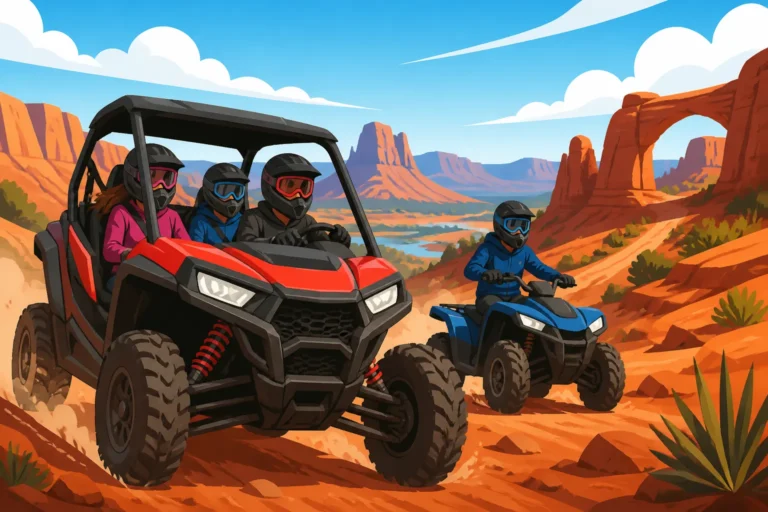
Knolls OHV Area sits in Utah’s West Desert, west of Salt Lake City and east of Wendover. It is a popular destination for ATV and UTV riders looking for open desert riding rather than a tightly defined network of numbered trails. The landscape includes sandy sections, open flats, rocky ground, and low hills, so conditions can change noticeably over a single outing.
That variety is part of the appeal, but it can catch first-time visitors off guard. A broad, open area may feel easy to navigate at first, yet a route that looks smooth from a distance can hide soft sand, uneven rock, or a steeper climb. Ride at a pace that lets you assess the ground ahead, especially if you are unfamiliar with your machine or traveling with less experienced riders.
Knolls is a remote desert destination, not a full-service recreation complex. Plan to arrive with fuel, water, food, basic tools, and a way to navigate even if your phone loses service. For a broader look at the area’s riding style and boundaries, read [Knolls and the Bombing Range Boundary].
Who may enjoy riding here
Knolls can suit riders who like open terrain and want room to choose a route based on the day’s conditions. Experienced riders may appreciate being able to explore different surfaces and practice handling their machines on sand and uneven ground. Families and newer riders can also have an enjoyable visit, provided they choose conservative terrain, set clear group rules, and avoid following faster riders into unfamiliar sections.
The area is not automatically easy just because it is open. Sand can make steering and climbing feel different from riding a hard-packed trail, while rocky patches can jolt a machine or catch an inexperienced driver by surprise. If you are carrying passengers, make sure they understand that a ride across seemingly flat desert may still be bumpy, dusty, and tiring.
Think about your group before deciding how far to roam. A short ride close to the staging area can be a better first outing than trying to cover a large portion of the desert. If you are planning a trip with children or riders who need frequent breaks, [What to Carry on a Utah Day Ride] can help you build a practical packing list.
Plan Your Route and Respect Area Boundaries
Navigation in a wide-open desert
At Knolls, a route can be harder to follow than it first appears. In an open area, there may not be a single obvious trail to keep everyone oriented, and distant landmarks can look similar from different angles. Riders who rely on memory or a phone’s live signal alone may find themselves uncertain about the return route, particularly after exploring beyond the area where they unloaded.
Before leaving the staging area, identify your planned riding zone and agree on a turnaround point. Save or download useful maps before you arrive, and keep a paper backup or another navigation option if practical. Apps such as onX Offroad can help riders review mapped routes and orient themselves, but digital maps should support—not replace—checking official land information and watching the terrain around you.
A simple navigation routine prevents a lot of stress: note your starting point, keep the group together at turns, and stop to check your position before everyone gets separated. For help understanding map symbols and route information, see [Utah OHV Trail Maps and How to Read Them]. If you use onX Offroad, download the relevant map area ahead of time and confirm that the displayed routes match current access information.
The military range boundary is not a shortcut
One of the most important planning details at Knolls is the nearby Utah Test and Training Range. The range is restricted, and riders must stay within the authorized recreation area. Do not assume that an open-looking track, a set of tire marks, or a route shown on an old map is legal to ride. A boundary can be easy to miss on the ground, so check it before you start rather than trying to guess once you are out in the desert.
Use current official maps and follow posted signs and barriers. If a road or track approaches a restricted boundary, turn back unless you can positively confirm that it is open to public OHV use. Do not cross fencing or signs, and do not treat a gate or boundary marker as an invitation to continue. When a route is unclear, choosing a different direction is the safer decision.
Before heading out, review [Trail Closures Utah Riders Should Check First] and verify the area’s current access information. Conditions and access details can change, and an app’s route line is not permission to enter closed or restricted land. Keep the whole group informed about the boundary; it is easy for one rider to pull ahead and lead others somewhere they did not intend to go.
Prepare for Desert Conditions
Weather, sand, and changing traction
West Desert weather can make the same route feel very different from one visit to another. Heat and wind can wear riders down, while rain may soften or muddy low areas. Loose sand can also be challenging for a rider who is accustomed to firm forest roads. Give yourself time to adapt rather than immediately attempting steep climbs or fast turns.
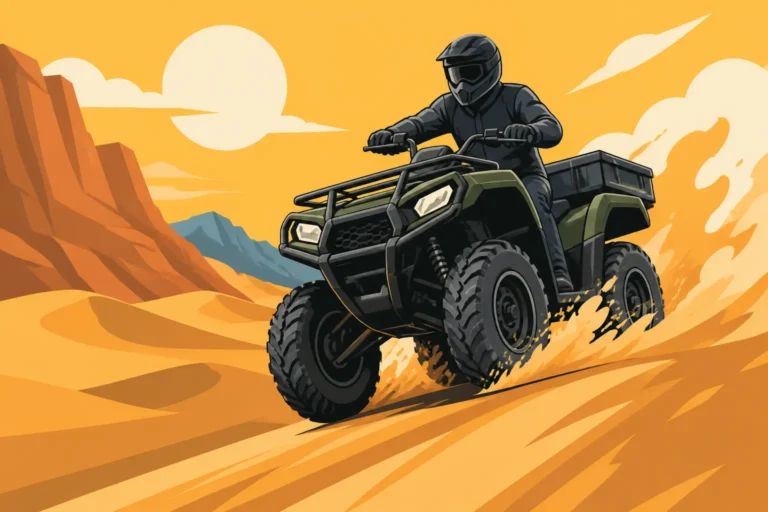
In sand, smooth, steady control is generally more comfortable than abrupt throttle, braking, or steering. Keep a generous following distance because the rider ahead may throw dust or suddenly slow down. On rocky or uneven terrain, reduce speed and look for a line that does not force the machine into an obstacle at an awkward angle. These are general riding habits, not a substitute for learning your particular vehicle and following its manufacturer’s guidance.
Spring conditions deserve particular attention. A route that appears dry near the staging area may be wet or soft farther out, and driving through muddy ground can damage the surface or leave a machine stranded. Check recent conditions before towing, and be willing to change plans if the ground is unsuitable. [Riding Knolls in Spring Mud] offers more specific context for deciding when to wait for conditions to improve.
What to bring and how to handle a breakdown
Start with more water than you think you will need, especially when temperatures are high or your group includes children. Bring food, sun protection, eye protection, and clothing suited to wind and temperature changes. Dust can make a ride uncomfortable quickly, so goggles or other suitable eye protection are worth packing even if the forecast looks calm.
For the machine, consider carrying basic tools, a tire repair option suited to your vehicle, a first-aid kit, and recovery equipment you know how to use. Tell someone who is not on the ride where you plan to go and when you expect to return. If your group has multiple machines, discuss what you will do if one breaks down, runs low on fuel, or needs to stop early.
Avoid sending one rider off alone to find help unless there is a genuine emergency and the group has a clear plan. A small problem can become more serious when people separate without knowing where each person is headed. For practical preparation and recovery planning, read [Getting Unstuck Alone in the Utah Desert] and [Checking Utah Trail Conditions Before You Tow]. Mobile service may be unreliable, so do not make a phone connection your only safety plan.
Access, Riding Rules, and Responsible Use
Check registration and visitor requirements
Before riding, make sure your machine and each rider meet the requirements that apply to your situation. Utah residents should confirm their OHV registration is current and carry required documents. Visitors bringing machines from another state should check Utah’s nonresident requirements rather than assuming their home-state registration alone covers every Utah ride.
Rules can depend on the machine, the rider’s age, and whether the vehicle is being used off-highway or on public roads. A machine registered for off-highway use should not be treated as street legal. Likewise, a day in a designated OHV area does not give riders permission to use nearby roads or routes that are closed to motor vehicles.
Review [Utah's Non-Resident OHV Permit Explained] if you are visiting from outside Utah, and consult [What Utah Riders Must Carry on Public Land] for a reminder about documents and other basics. Confirm the applicable rules before leaving home so that a paperwork issue does not derail the trip after a long tow.
Ride in a way that protects the area
Stay within designated riding areas and follow posted signs, closures, and land-management instructions. Avoid creating new routes through vegetation or across fragile ground just because a line seems convenient. Do not leave trash, and pack out everything you bring—including food scraps and vehicle-related waste.
Be aware of other users. Reduce speed near people, parked vehicles, and staging areas, and give other riders plenty of room. Dust can obscure visibility, so slow down when you cannot clearly see the route ahead. If you encounter a closed gate or a marked boundary, do not bypass it; use another open route.
Responsible riding also means making decisions that fit your group’s actual ability. If a hill or sandy section feels beyond your comfort level, turn around before committing to it. A challenging line is optional; getting everyone and every machine back safely is not. Keep noise considerate, avoid unnecessary high-speed passes, and leave the area in good condition for the next riders.
A Practical Knolls Trip Plan
Before you leave home
Start by checking access, weather, and any current restrictions. Look at a map before you travel, identify the authorized riding area, and make sure your planned route does not approach the military range boundary. Download maps for offline use, and share your general plan and expected return time with someone who is staying behind.
Inspect the machine before loading it. Check tires, controls, lights, fuel, and any items that are specific to your vehicle. Make sure helmets and protective gear fit properly and that passengers know how to use seat belts and handholds where applicable. If you are traveling with several machines, agree on a meeting point in case the group gets separated.
Use the following comparison to match your plan to the group’s experience:
| Trip style | A sensible approach | Main thing to watch |
|---|---|---|
| First visit | Stay near the staging area and explore gradually | Do not mistake open ground for easy ground |
| Family outing | Keep the group together and schedule regular breaks | Heat, dust, and fatigue |
| Experienced group | Choose a route suited to the least capable rider | Boundary awareness and separation |
| Short visit | Set a clear turnaround time before unloading | Running short on daylight or supplies |
At the staging area and on the ride
Once you arrive, take a moment to orient yourself before unloading. Review posted information, check for signs or restrictions, and confirm that your chosen area is open. Make sure everyone knows the planned route, the turnaround point, and what to do if the group becomes separated. This quick conversation is especially valuable when riders arrive in separate vehicles or have different levels of experience.
Begin with a short ride to get a feel for the terrain. Check how the machine handles on the surface and adjust your pace accordingly. If conditions are rougher, softer, or dustier than expected, keep the route conservative. Stop at intervals to drink water, check in with riders, and confirm your position rather than waiting until someone is tired or unsure.
At the end of the ride, do a head count, inspect the machines, and make sure nothing has been left behind. If you camp, check the current rules for where camping is allowed and what restrictions apply. For more help with planning an overnight stay, see [Dispersed Camping Rules Near Utah Trails]. A little preparation can make Knolls feel less like an enormous blank stretch of desert and more like a manageable, enjoyable riding destination.
Disclaimer
This article is for general informational purposes only and does not constitute professional advice. Laws, prices and regulations vary by location and change over time. Consult a qualified professional for guidance on your specific situation.