What a Utah Officer Looks for on a Street-Legal ATV
Utah law enforcement inspection requirements for street-legal ATVs and UTVs include registration, decals, driver licenses, and insurance.
Legal here, illegal one county over.
What each state allows, the mirrors, horn and signals a conversion requires, and the county and city overrides that quietly change the answer.
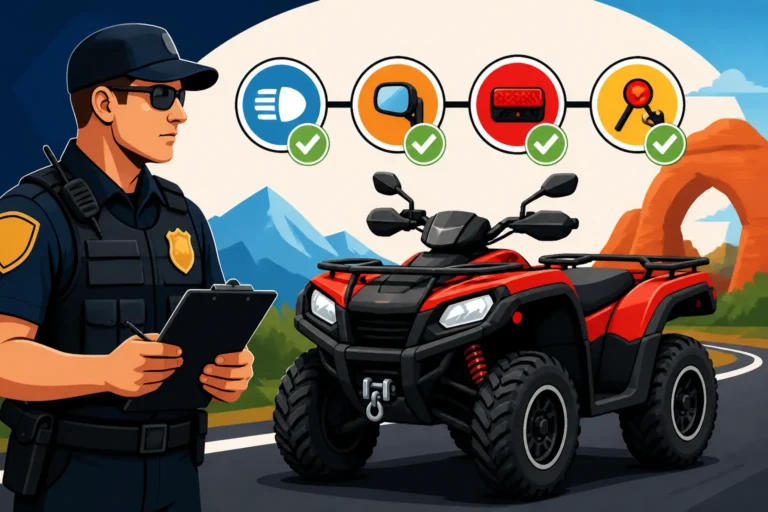
Utah law enforcement inspection requirements for street-legal ATVs and UTVs include registration, decals, driver licenses, and insurance.
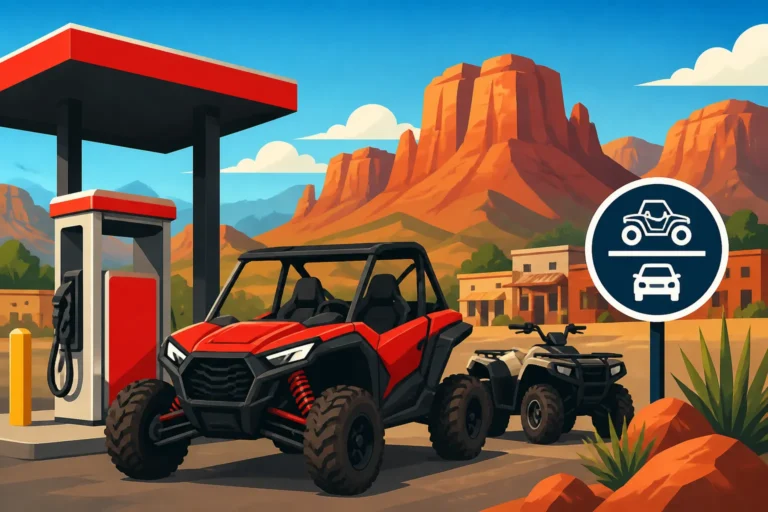
Utah trail towns fuel stops and parking guidelines help off-highway vehicle riders plan safe routes and carry extra gas.
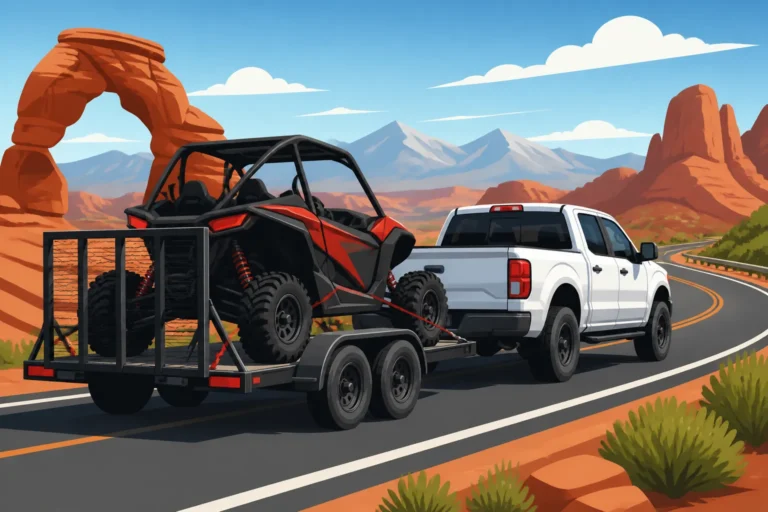
Utah street legal ATV and UTV trailer towing rules, manufacturer weight limits, tongue weight, and required equipment.
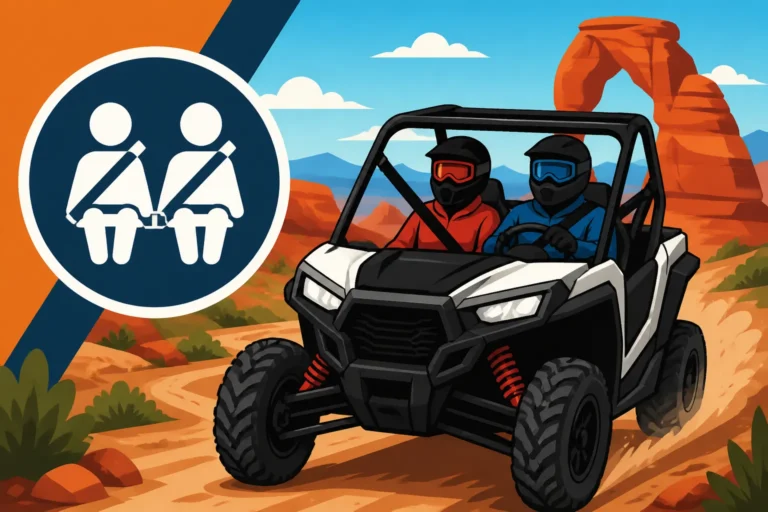
Utah regulations for OHV passengers and seat belts on public roads require designated seating positions and factory seat belts.
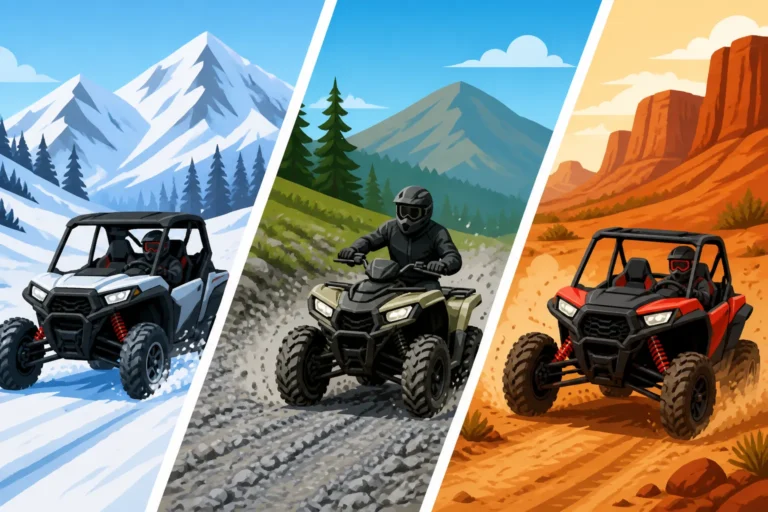
Utah county road regulations for off-highway vehicles explain legal access, equipment needs, and variable local ordinances.

Salt Lake County ordinances explain where street-legal OHVs can ride locally to avoid citations and navigate urban areas safely.
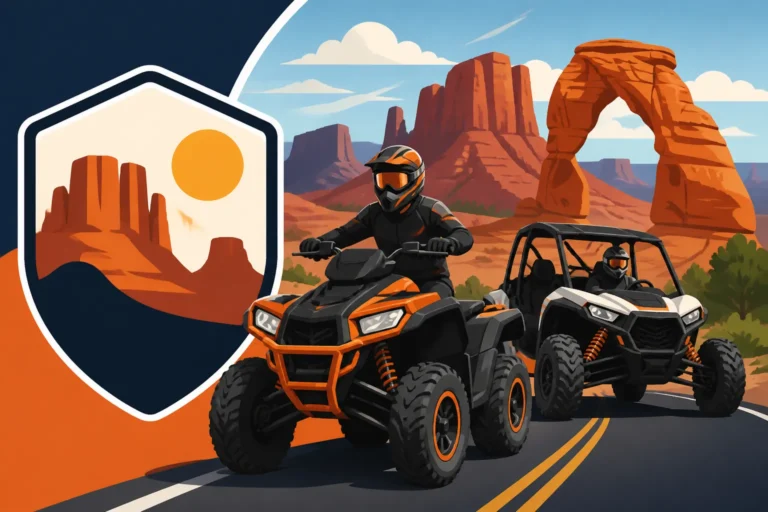
Street rules for off-highway vehicles in San Juan County, Utah, explained along with state equipment requirements.
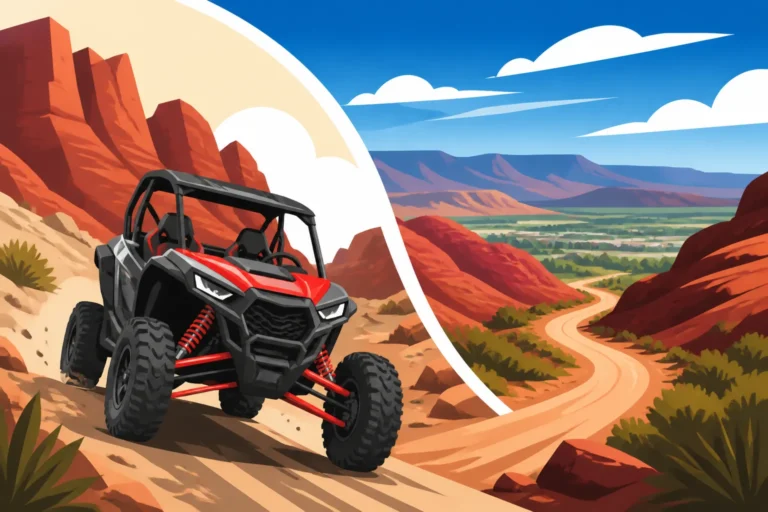
Statewide street-legal OHV rules and equipment requirements explain how to legally drive UTVs on public roads in Utah.
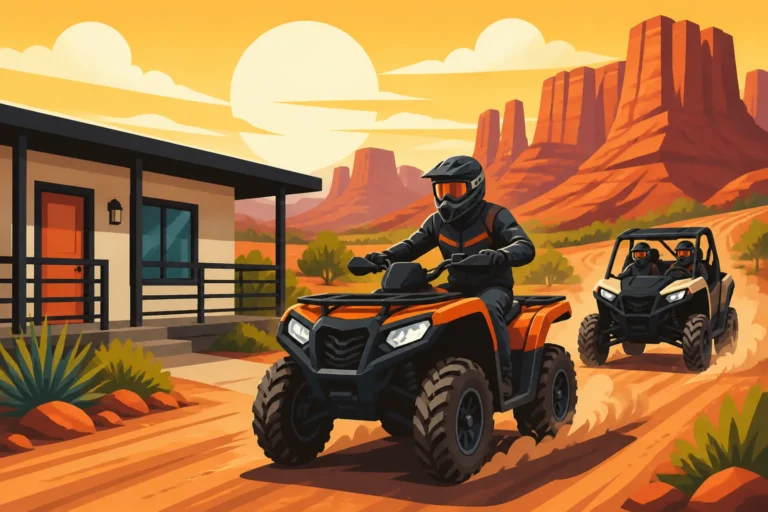
Kanab street-legal OHV regulations and requirements allow off-road riders to ride machines directly from local motels.
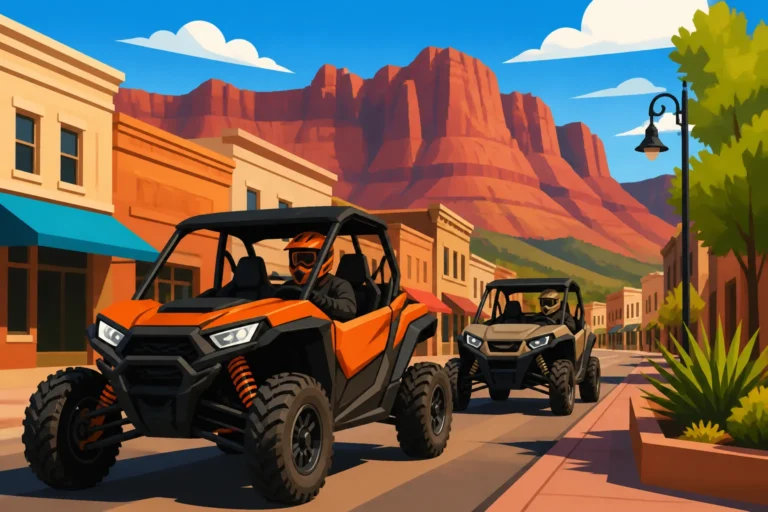
Street-legal OHV rules in Southern Utah towns vary, requiring proper equipment and compliance with local ordinances for Main Street riding.