What a Traffic Stop Looks Like on a UTV
Getting pulled over in your UTV can be a really nerve-wracking experience, even if you know you're doing everything right. One minute you're enjoying the freedom of a street-legal ride through a Utah trail town, and the next you see those flashing lights in your rearview mirror. It's easy for your mind to race, wondering if you forgot a piece of paperwork or if your aftermarket turn signals are bright enough. This guide is here to walk you through exactly what a traffic stop looks like when you're on a UTV in Utah, helping you stay calm, know your rights, and understand the process.
The Initial Encounter: What to Do When You See Flashing Lights
The moment you spot those flashing lights behind you, your heart might skip a beat. It's a natural reaction, but the most important thing is to stay calm and respond safely and predictably. Officers are looking for safe responses, and your actions in those first few seconds can set the tone for the entire interaction.
Safely Pulling Over Your UTV
Just like in a regular car, the first step is to safely pull over. Signal your intention to move to the right shoulder or the nearest safe spot as soon as it's practical. This means using your turn signal, gradually reducing your speed, and finding a place that won't put you, your passengers, or the officer at risk. On a UTV, this can sometimes be a bit trickier than in a sedan. You might be on a dirt shoulder, or the terrain could be uneven. Do your best to find a level, stable spot where both you and the officer can stand safely, away from moving traffic if possible.
Remember, a UTV handles differently than a car, so take your time and make smooth, controlled movements. Avoid slamming on the brakes or swerving abruptly. The goal is to show the officer that you are aware of their presence and are complying with their directive in a safe and responsible manner. If you're near an intersection or a blind curve, try to move past it to a more visible and secure location. Your safety, and the safety of everyone around you, is paramount.
Keeping Hands Visible and Passengers Calm
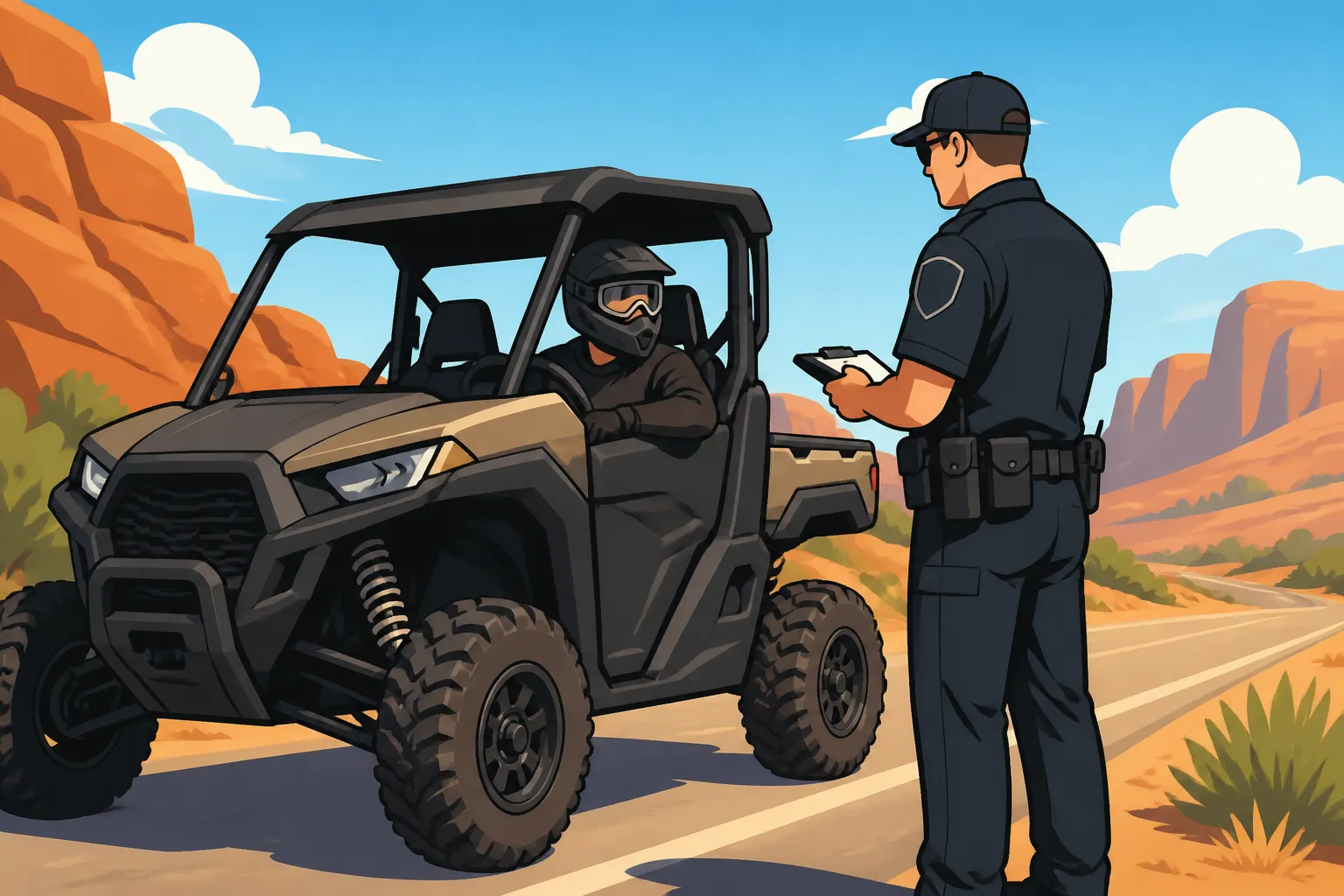
Once you've pulled over, turn off your UTV's engine and, if it's dark, switch on your dome light. This immediately signals cooperation. Place your hands on the steering wheel or dashboard where the officer can easily see them. This simple act goes a long way in de-escalating any potential tension and reassures the officer that you are not attempting to hide anything or reach for objects.
If you have passengers, gently inform them to remain calm, keep their hands visible, and avoid any sudden movements. Instruct them to stay seated unless the officer asks them to do otherwise. Kids, especially, might get curious or nervous, so a quiet word of reassurance can help. The officer will likely approach your UTV from the rear, often on the passenger side for safety reasons. They'll be observing everyone in the vehicle, so a calm and composed demeanor from all occupants is crucial. Resist the urge to immediately start rummaging for your documents; wait for the officer to approach and ask for them.
The Documents You'll Need and What the Officer Checks
When an officer approaches your UTV, they'll typically ask for your driver's license, registration, and proof of insurance. Having these readily available, but not brandished before asked, demonstrates preparedness and can make the stop much smoother.
Essential Paperwork for Street-Legal UTVs in Utah
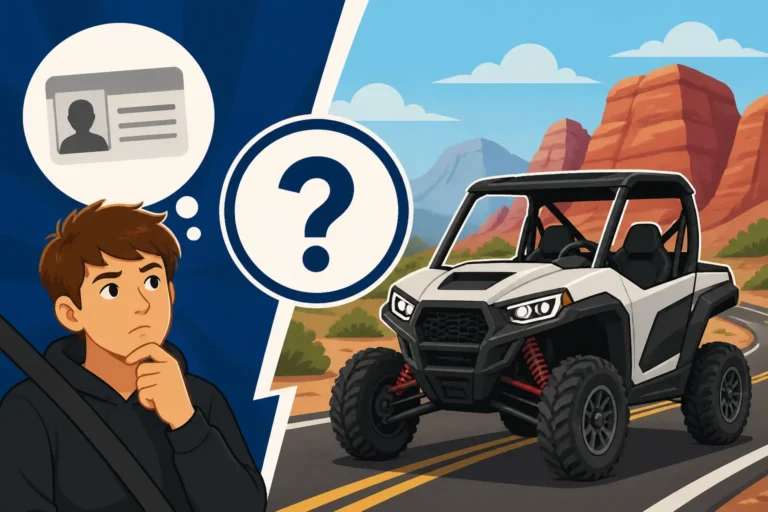
For a street-legal UTV in Utah, you'll need to present the same basic documents you would for any other motor vehicle. First and foremost, you'll need your valid driver's license. Remember, age and license rules vary, so ensure you meet the requirements for operating a UTV on public roads. Next is your UTV's registration. This proves that your machine is legally allowed to operate on Utah roads. You should also have your [Proof of Insurance for a Street-Legal Conversion]. In Utah, if you’ve gone through the process of making your UTV street legal, you are required to carry liability insurance, just like a car.
It’s always a good idea to have both physical copies of these documents and, if permissible, digital copies on your phone. However, be cautious when reaching for your phone; always inform the officer first if you plan to access digital documents. Make sure your registration is current, especially if you've been putting off [Renewing a Street-Legal ATV Registration]. Also, don't forget that your OHV decal, which designates it as a registered off-highway vehicle, still needs to be displayed even if it's street legal; check out [Keeping the OHV Decal After Going Street Legal] for placement details. Keeping all these documents in a waterproof bag or a secure compartment on your UTV is a smart move, protecting them from dust, water, and getting lost during a bumpy ride.
Vehicle Compliance: What an Officer Looks For
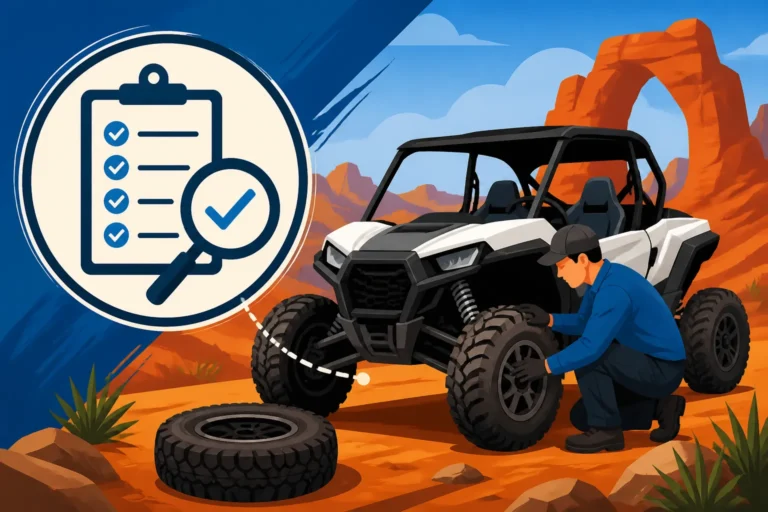
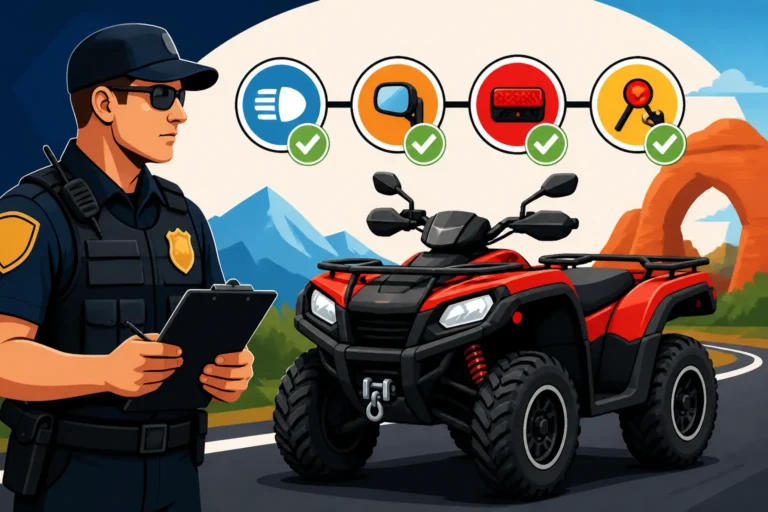
Beyond your personal documents, the officer will be performing a visual check of your UTV to ensure it meets [Utah Street-Legal ATV Equipment Requirements]. They're looking for specific components that make your UTV safe and legal for road use. This includes functional [Headlights and Tail Lamps Utah Requires], which are crucial for visibility, especially at dawn, dusk, or night. Your UTV also needs proper [Mirrors Utah Requires on Both Sides] to give you a clear view of traffic behind you. Don't overlook details like working [Turn Signals on a Street-Legal Utah UTV] and an audible horn. Many riders use aftermarket solutions from brands like SuperATV to upgrade their lighting or add essential street-legal components. Just ensure these parts fully comply with Utah's specific regulations.
The officer will also check your [Horns, Mufflers and Utah Noise Limits] to ensure your machine isn't excessively loud, as noise ordinances are increasingly common, especially in popular riding towns. Your tires will be visually inspected against [Tire Rules for Street-Legal Machines] to confirm they're appropriate for road use and in good condition. Finally, they'll verify that your license plate is securely mounted and illuminated by [License Plate Lights and Mounting in Utah] at night. Essentially, they're making sure your UTV isn't just "mostly" street legal but fully compliant with every single safety and equipment regulation that applies to a road-going vehicle in Utah.
Common Reasons for a UTV Traffic Stop in Utah
Understanding why you might be pulled over can help you proactively ensure your UTV is always compliant and reduce your chances of an unexpected stop. It's not always about speeding; sometimes it's simply a visible issue with your machine.
Equipment Violations and Safety Checks
One of the most frequent reasons for a UTV traffic stop, particularly for street-legal machines, is an equipment violation. Officers are trained to spot non-compliant or missing equipment from a distance. For example, if your UTV is missing a horn, has an exhaust system that's clearly too loud, or if your turn signals aren't working, that's a clear reason for a stop. They might also be checking for specific items mentioned in [What a Utah Officer Looks for on a Street-Legal ATV], such as a properly mounted license plate or required mirrors. Many riders upgrade their machines with custom parts, but it’s vital to ensure these parts still meet the legal requirements. SuperATV, for instance, offers many aftermarket accessories, but riders must confirm individual parts meet local street-legal standards for mirrors, lights, or horns.
Beyond specific violations, officers in popular riding areas like Moab, Sand Hollow, or along the Paiute Trail often conduct random safety checks. These checks ensure that all riders are prepared, that their machines are safe, and that they have the necessary permits, such as [Whip Flags on the Road and on the Dunes] in designated areas. Sometimes, an officer might simply want to educate riders about new local ordinances or remind them about important safety practices. It’s not always about issuing a ticket; sometimes it's about ensuring everyone's safety and compliance on shared roads and trails.
Moving Violations and Jurisdictional Issues
Just like any other vehicle on the road, UTVs are subject to traffic laws, and moving violations are a common cause for a stop. Exceeding the speed limit, whether it's [The 15 mph Rule on Moab City Streets] or [What Utah's 50 mph Limit Means for Riders] on a county road, will definitely catch an officer's attention. Improper lane usage, failing to signal a turn, or running a stop sign are also clear infractions. Officers also keep an eye out for UTVs in areas where they are not permitted, such as certain highways or private roads.
It’s crucial to understand [Roads Utah Keeps Closed to Street-Legal ATVs] and [Interstates, Freeways and Utah OHV Law]. Ignorance of the law is not a valid excuse, and venturing onto a prohibited road will almost certainly result in a stop. Furthermore, officers are always on alert for impaired driving. [DUI Rules on an ATV in Utah] are just as strict as for cars, and having [Open Containers in a Side-by-Side] is illegal. Even something as seemingly innocent as [Riding a UTV in a Utah Neighborhood] where OHVs are explicitly banned can lead to a stop. Always know the local rules and jurisdictions before you ride.
After the Stop: Understanding Warnings, Tickets, and Your Rights
The interaction with the officer usually concludes with either a warning or a citation. Knowing what to expect in either scenario and how to respectfully interact is key.
Receiving a Warning or a Citation
At the end of the traffic stop, the officer will inform you of their decision. Sometimes, especially for minor infractions or if you're a new rider, you might receive a verbal or written warning. A warning is essentially a notice that an infraction occurred but no monetary penalty is issued, though it still serves as a record. Other times, the officer might issue a citation, or a ticket, which comes with a fine and potentially other penalties. It’s helpful to be aware of [Tickets Utah Riders Get Most Often] so you can avoid common pitfalls.
If you receive a ticket, the officer will explain the charge, the amount of the fine, and your options for resolving it (paying the fine, contesting it in court, etc.). Pay close attention to what they say and ask for clarification if anything is unclear. For instance, if you believe there's been a misunderstanding or a factual error, like a misspelled name or incorrect vehicle information, it's okay to ask for [Fixing a Registration Mistake at the Utah DMV] at the time. However, argue the legality of the stop or the charge itself in court, not by the roadside.
Respectful Interaction and Your Rights
Throughout the entire traffic stop, maintaining a respectful and cooperative attitude is crucial. Speak clearly, keep your voice calm, and follow the officer's instructions. An officer's job involves assessing potentially dangerous situations, and a calm, cooperative driver makes their job easier and safer, which in turn usually leads to a smoother interaction for you.
You have certain rights that are important to remember. You have the right to remain silent and not answer questions that might incriminate you. While you must provide your driver's license, registration, and proof of insurance, you are not obligated to answer questions about where you're going, where you've been, or if you've been drinking, beyond what is required to comply with a field sobriety test if that becomes necessary. If an officer asks to search your UTV, you have the right to decline, unless they have a warrant or probable cause. If you do decline, do so politely and clearly. Should the situation escalate or you feel your rights are being violated, remember the officer's name and badge number, and consider seeking legal counsel later. For minor tickets, contesting them in court or simply paying the fine is often the path most riders take, but always understand your options.
It's empowering to know the rules of the road and what to expect during a traffic stop. By staying informed and prepared, you can enjoy your Utah UTV adventures with greater peace of mind.
Here's a quick summary of what an officer typically looks for:
| Category | What the Officer Checks | Notes |
|---|---|---|
| Driver | Valid Driver's License | Appropriate class for UTV operation |
| Vehicle Documents | Current Registration | Proof that the UTV is legally registered for road use |
| Proof of Insurance | Required for street-legal UTVs in Utah | |
| Displayed OHV Decal | Even street-legal machines still need this for trail access | |
| Safety Equipment | Headlights, Tail Lights, Brake Lights | All must be functional and visible |
| Turn Signals (Front & Rear) | Must be operational and clearly visible | |
| Horn | Must be an audible warning device | |
| Mirrors | Two mirrors, providing clear rear view | |
| Muffler & Exhaust Noise | Must comply with Utah noise limits | |
| Tires | Appropriate for road use, good condition, sufficient tread | |
| License Plate | Securely mounted, clearly visible, and illuminated at night | |
| General Conduct | Moving Violations (Speeding, etc.) | Adherence to posted speed limits and traffic laws |
| Restricted Area Violations | Riding only on roads where UTVs are permitted | |
| Impairment / Open Container | Zero tolerance for impaired driving; no open containers |
Disclaimer
This article is for general informational purposes only and does not constitute professional advice. Laws, prices and regulations vary by location and change over time. Consult a qualified professional for guidance on your specific situation.