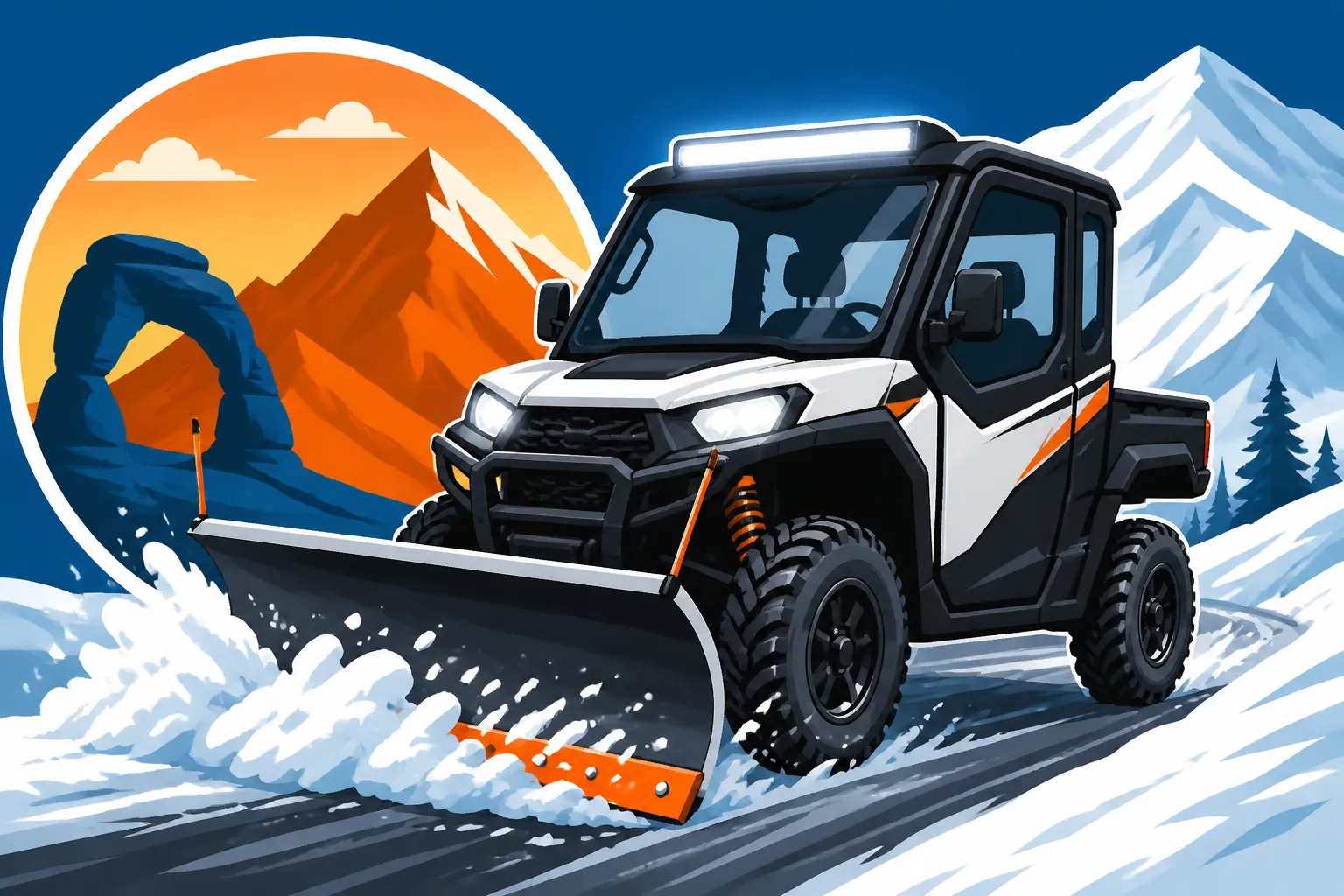
Snow Plowing With a Street-Legal UTV
That first big Utah snowfall can be a real headache, right? One minute you're enjoying the crisp air, the next you're staring down a foot of fresh powder blocking your driveway, wondering how you're going to get to work. Shoveling feels like an Olympic sport, and a traditional snowblower can only do so much. But what if your street-legal UTV, the machine you love taking to the trails, could also be your winter warrior? This guide is all about transforming your street-legal UTV into an efficient snow-plowing powerhouse for those snowy Utah mornings.
Why a Street-Legal UTV for Snow Plowing in Utah?
When winter descends on Utah, bringing with it beautiful but often heavy snow, the thought of clearing it can fill you with dread. Many folks reach for a shovel, or perhaps a dedicated snowblower, but these solutions often fall short for larger driveways, lengthy access roads, or even just for getting out efficiently before the day truly begins. This is where a street-legal UTV truly shines, offering a versatile and often more comfortable alternative.
The Double Duty Advantage
The beauty of a street-legal UTV is right there in the name: it's street-legal! This isn't just about cruising Main Street in your favorite trail town; it's about practical, year-round utility. Imagine you've got a long driveway, or maybe you live a little off the beaten path with a private access road that always gets buried. Instead of moving your truck to get to the plow, or lugging out a heavy snowblower, you can hop into your UTV, which is already ready to roll.
Because it's street-legal, you have the flexibility to drive your machine from your garage right to the snow-covered areas of your property, or even to a neighbor's place if you're lending a hand (and they've asked nicely!). This means less fuss, less time wasted, and more comfort than you'd get on an open ATV. For those who already put in the effort to make their machine road-ready, like understanding [Making a UTV Street Legal in Utah] and ensuring it meets all the proper [Utah Street-Legal ATV Equipment Requirements], adding a plow just extends its incredible versatility. It becomes not just a recreational vehicle, but a true workhorse, ready for whatever the seasons throw at it.
Power and Maneuverability for Snow Removal
One of the biggest frustrations with traditional snow removal methods is often the lack of power or the sheer unwieldiness. A tiny snowblower can struggle with heavy, wet snow, leaving you to make multiple passes or even resort to the shovel. A full-size pickup truck, while powerful, might be too large and cumbersome for navigating tight turns around landscaping, squeezing between parked cars, or clearing narrower pathways.
UTVs, on the other hand, hit that sweet spot. They pack a surprising amount of horsepower, especially the larger models, which translates into serious pushing power for moving heavy snow. Combine that grunt with their compact size and nimble steering, and you've got a machine that can tackle intricate driveways, turn on a dime, and even clear walking paths or patios where a truck would never fit. They are designed for navigating varied terrain, and that capability translates beautifully to conquering snow drifts and icy patches. This balance of strength and agility makes them remarkably effective, cutting down the time and effort you'd normally expend.
Comfort in the Cold
Let's be honest: clearing snow is usually a cold, miserable job. Standing out in the freezing wind, exposed to the elements, can quickly sap your energy and your motivation. This is where the modern UTV, particularly those designed for utility or equipped with creature comforts, truly changes the game. Many UTVs, especially side-by-sides, offer enclosed cabs. When combined with an aftermarket heater, a windshield, and even windshield wipers, you're looking at a dramatically different experience.
Imagine sitting in a relatively warm, dry cab, with visibility through a clear windshield, your hands on a heated steering wheel (if you've invested in one!), while your machine effortlessly pushes snow aside. This isn't just about luxury; it's about safety and endurance. Being warm and comfortable means you can stay out longer, focus better on the task, and avoid the fatigue and chill that can lead to mistakes or even illness. For folks who spend their winters enjoying [Winter Road Use in Northern Utah], the comfort of a heated cab means extending that enjoyment to necessary chores as well.
Making Your Street-Legal UTV Snow Plow Ready
So, you're convinced your street-legal UTV is the answer to your snow-shoveling woes. That's fantastic! But before you can tackle the first big dump of winter, you'll need to outfit your machine properly. It's more than just slapping a blade on the front; it's about creating a robust, reliable system that can handle the specific challenges of plowing snow in Utah's varied conditions.
Essential Plow System Components
At the heart of any effective UTV snow plowing setup are a few key components. First, and most obviously, you need the snow plow blade itself. These come in various widths and materials, from steel to poly, and different shapes. A straight blade is common for general pushing, while a V-plow can be incredibly efficient for cutting through deep drifts or angling snow off to both sides. Brands like SuperATV offer a wide range of durable plow blades designed to withstand heavy use. Next, you'll need a push tube, which connects the blade to your UTV's frame. This is the backbone that transfers the pushing force from your machine to the blade.
Then there's the mount, which is specific to your UTV model and attaches the push tube to the underside of your machine. There are front-mount systems, which are generally easier to install and remove, and mid-mount systems, which distribute the force more evenly across the UTV's frame. Finally, and crucially, you'll need a lift system. Many riders opt for an electric winch, which allows you to raise and lower the plow with the push of a button from the comfort of your cab. While a manual lift might be cheaper, the convenience and ease of a winch are often worth the investment, especially when you're making countless passes. Ensure all these components are heavy-duty and rated for the kind of snow you expect to push.
Prepping Your UTV for Winter Conditions
Just like you wouldn't head out on a summer trail ride without checking your tires, preparing your UTV for winter plowing requires specific attention. The cold weather can be harsh on machinery, and proper preparation ensures reliability and safety.
Start with your battery. Cold temperatures dramatically reduce battery efficiency. Make sure your battery is fully charged and in good health. If it's an older battery, consider replacing it or at least keeping a trickle charger on it when not in use. Running a plow, especially with auxiliary lights and a heater, puts a significant drain on your electrical system. Check your fluids – ensure your engine oil is suitable for cold weather (many synthetic oils perform better), and top off your coolant/antifreeze. Visibility is paramount, so confirm your windshield washer fluid is full and rated for freezing temperatures.
Beyond that, consider your tires. While aggressive tread patterns are great for mud, in snow, you often need different qualities. Lowering tire pressure slightly can increase your contact patch and provide better grip, but don't go too low. For serious traction, especially on ice or steep inclines, nothing beats tire chains. Install and test them before the first snow hits so you're not fumbling in the dark and cold. Finally, always let your engine warm up properly before engaging the plow or putting it under heavy load. This allows fluids to circulate and components to reach their optimal operating temperature, extending the life of your machine.
Enhancing Traction and Visibility
Even with the best plow setup, if your UTV can't get traction or you can't see where you're going, you're going to have a frustrating time. Enhancing both of these aspects is key to efficient and safe snow removal.
For traction, besides tire chains, you might consider heavier-duty winter tires if you live in an area with consistently heavy snowfall and ice. Some riders also add ballast to the bed of their UTV, such as sandbags, concrete blocks, or even a water tank. This extra weight over the rear wheels can significantly improve traction, preventing your tires from spinning when pushing a heavy load. Just be mindful of your UTV's payload capacity and ensure the weight is secured.
When it comes to visibility, the short days and often active snow of winter can make it incredibly challenging. Your street-legal UTV probably already has headlights and tail lights, as required by [Headlights and Tail Lamps Utah Requires], but for plowing, you'll want more. Invest in auxiliary LED light bars or floodlights mounted on the cab or front bumper. These can dramatically improve your field of vision, especially in low light or falling snow. If your UTV doesn't have a full cab enclosure, at least ensure you have a good quality windshield and consider adding a wiper kit and a defrost fan. Keeping your windshield clear of snow, ice, and fog is non-negotiable for safety. SuperATV, for instance, offers various windshield and wiper solutions that can be integrated into your setup.
| Plow Blade Type | Best For | Pros | Cons |
|---|---|---|---|
| Straight Blade | General pushing, light to moderate snow, clearing wide areas. | Simple, effective, often most affordable. | Can "drift" snow if not angled correctly, less efficient for deep snow. |
| V-Plow (V-Shaped) | Cutting through deep drifts, heavy snow, angled pushing. | Excellent for breaking through compacted snow, can angle left, right, or straight. | More complex, often heavier and more expensive, can be tricky in tight spots. |
| Plow with Wings (U-Shaped) | Maximizing capacity, pulling snow, handling large volumes. | Moves a large amount of snow in one pass, efficient for long drives. | Can be very wide and heavy, may require more powerful UTV, higher cost. |
Rules and Realities of Plowing with a Street-Legal UTV in Utah
Now that your street-legal UTV is geared up and ready to push some serious snow, it's crucial to understand the rules of the road – and the driveway – in Utah. While your UTV is street-legal, plowing activities, especially on or near public thoroughfares, come with their own set of regulations and practical considerations. It's not just about what your machine can do, but what you can legally do with it.
Local Ordinances and Street-Legal Status
This is perhaps the most important point to understand before you even think about dropping your plow blade. While your UTV may be fully street-legal for driving on public roads according to state law, plowing snow is a separate activity, and local city and county ordinances often have specific rules about it. For example, many municipalities have strict rules about pushing snow into the street from a private driveway, or depositing it onto public sidewalks or property. This can create hazardous conditions for other drivers, pedestrians, or even block storm drains, leading to flooding when the snow melts.
You absolutely need to check with your specific city or county's public works department or local law enforcement. What's permissible in a rural area of San Juan County might be completely prohibited in a densely populated area of Salt Lake County. You might find that [City and County OHV Rules Across Utah] even covers snow removal to some extent. The general rule of thumb is that you should never push snow from your property onto a public road, across a public road, or onto a public right-of-way. Always keep the snow on your own property. If you're plowing for hire, there might be additional commercial regulations or permits required, so ensure you're fully compliant to avoid fines or liability issues.
Safe Plowing Practices
Beyond the legalities, safe plowing practices are paramount for your safety and the longevity of your UTV. Pushing heavy snow isn't like cruising a smooth trail; it's a demanding task that requires focus and caution.
First, scout your plowing area before the snow gets too deep. Identify any obstacles hidden beneath the snow, such as decorative rocks, garden hoses, sprinkler heads, or even curbs. Mark these with tall stakes if necessary. Striking an unseen obstacle with your plow can cause significant damage to your UTV, your plow, or the obstacle itself. Second, operate at a safe speed. While your UTV can go fast, plowing should be done slowly and deliberately. Ramming into a snowdrift at speed can jar your machine, potentially damage the plow, and even cause you to lose control. Third, manage your snow piles. Think ahead about where you're going to put the snow. Don't create huge piles that block visibility for yourself or others, or that could collapse onto vehicles or buildings. Pushing snow to the sides of a driveway requires multiple passes, gradually expanding the cleared area. Be mindful of drainage, too, to prevent future ice buildup or water problems.
Remember that cold weather also affects your UTV's handling. Ice, slush, and compacted snow can make stopping distances longer and steering less responsive. Always be aware of your surroundings, especially if you're plowing near homes, driveways with children, or areas with other vehicles. Even if you're only riding [Riding a UTV in a Utah Neighborhood] to plow a friend's driveway, safety always comes first.
Insurance Considerations
This is one area where riders often get caught off guard. You've diligently made your UTV street-legal and probably have good liability insurance for [Insurance for a Street-Legal Machine in Utah] when driving it on public roads. But does that same policy cover you for snow plowing? The answer is often "it depends," and it's absolutely critical to clarify with your insurance provider before you start pushing snow.
Many standard OHV or auto policies are designed for recreational use and might not explicitly cover "work" or "commercial" activities, even if it's just plowing your own driveway. If you damage your UTV or plow during a plowing operation, or worse, if you accidentally damage someone else's property (like their fence, mailbox, or vehicle) while plowing, you want to be sure you're covered. If you plan on plowing for neighbors or as a side business, you will almost certainly need a different type of commercial liability policy.
Don't assume your existing policy extends to this specific use. A quick call to your insurance agent can clear up any confusion and prevent a very expensive surprise down the road. It's an essential step in your preparation, just as important as choosing the right plow.
Maintenance and Care for Your Snow-Plowing UTV
Your street-legal UTV works hard during snow removal, often in harsh, corrosive conditions. Neglecting post-plow and seasonal maintenance isn't just a risk for costly repairs; it can mean your machine lets you down when you need it most. Protecting your investment and ensuring reliability requires a little ongoing effort.
Post-Plow Cleaning and Inspection
After a session of battling snow, especially if road salt or de-icer has been used, your UTV will be covered in grime, slush, and potentially corrosive chemicals. It's crucial to give your machine a thorough cleaning as soon as possible. Use a pressure washer or hose to rinse away all salt and dirt, paying special attention to the plow blade, mount, push tube, and all the nooks and crannies of your UTV's underside. Salt residue can rapidly lead to rust and corrosion on metal components, electrical connections, and even your frame.
Once clean, take the time for a quick inspection. Check all hydraulic lines (if applicable), electrical wiring, and winch cables for any signs of fraying, cracking, or damage. Inspect the plow blade for excessive wear, bends, or missing hardware. Lubricate all moving parts, pivot points, and the winch cable with a waterproof grease or lubricant. Check fluid levels again, especially if you've been working the engine hard. This routine not only helps prevent premature wear and corrosion but also identifies small issues before they become major breakdowns during the next snowfall.
Seasonal Storage and Prep
When the last snow of winter has finally melted and spring is in the air, it's time to properly store your snow plow attachment and prepare your UTV for its next season of adventures. Don't just unhook the plow and toss it in a corner of the garage. Clean the plow blade, mount, and push tube thoroughly, removing all dirt, rust, and salt. Apply a rust-preventative coating or paint to any exposed metal surfaces to protect them during storage. Store the plow in a dry area, ideally off the ground, and ensure it's not exposed to the elements.
For your UTV itself, if you plan to switch back to solely trail riding, consider giving it a detailed once-over. Remove any winter-specific accessories like tire chains. Re-check your tire pressure to recommended summer levels. If you're putting your UTV into storage for an extended period, follow standard winterization procedures: stabilize the fuel, change the oil and filter, disconnect the battery (or put it on a trickle charger), and ensure all fluids are at appropriate levels. This prepares your machine for a smooth transition, whether you're getting ready for [The Best ATV and UTV Trails in Utah] or simply storing it until the next winter.
Troubleshooting Common Winter Issues
Even with the best preparation, winter can throw some curveballs. Having a basic understanding of common winter UTV issues can save you a lot of frustration. One of the most frequent complaints is a dead battery on a cold morning. If your UTV won't start, first check your battery terminals for corrosion and ensure they are tight. If the battery is old, it might struggle in the cold; a jump start or a battery tender can often bring it back to life.
Another common problem is a frozen winch or plow mechanism. If your winch isn't lifting, check for ice buildup around the cable or motor. Sometimes a little de-icer spray or even careful application of warm water can free it up. Ensure that water isn't allowed to pool and freeze in critical areas after cleaning. If your engine is struggling to start or running rough, it could be old fuel, a partially clogged fuel filter, or even spark plugs that need attention. Keeping a small toolkit, jumper cables, and some basic supplies in your UTV, especially during winter operations, is always a wise move. Just as you’d plan for emergencies on the trail, be ready for minor issues when plowing.
Disclaimer
This article is for general informational purposes only and does not constitute professional advice. Laws, prices and regulations vary by location and change over time. Consult a qualified professional for guidance on your specific situation.