Riding to Fuel in a Small Utah Town
There’s nothing quite like the freedom of exploring Utah’s incredible backcountry trails on your street-legal ATV or UTV. You’re out there, soaking up the views, maybe tackling some challenging terrain, and then it hits you: the fuel gauge is dipping precariously low, and you're miles from your truck. This guide is all about navigating that common scenario – how to confidently and legally ride your off-highway vehicle into a small Utah town to refuel, ensuring your adventure keeps going without a hitch.
The Convenience and the Rules of Riding to the Pump
Let's be real, one of the biggest headaches when you're out riding is worrying about fuel. You've either got to pack extra cans, which can be cumbersome and messy, or cut your ride short to head back to where your trailer is parked. That's why making your machine street-legal is such a game-changer for so many of us who love exploring Utah.
Why Street-Legal Machines Make Fueling Easier
The sheer convenience of being able to transition from a dusty trail onto a paved road and head directly to a gas station cannot be overstated. Imagine you're deep on the Paiute Trail, miles from the nearest staging area, and you realize you're running on fumes. If your UTV or ATV is street-legal, that moment of panic quickly transforms into a simple navigation challenge. You can pull out your GPS, find the closest town with a gas station, and just ride there. No frantic calls for help, no siphoning from a friend's tank, and certainly no pushing.
For me, the frustration of hauling a bulky fuel can, dealing with spills, and constantly checking the odometer against my fuel consumption was a huge factor in deciding to convert my side-by-side to street-legal status. It just opens up so many more possibilities for longer, more relaxed rides. You’re not tethered to your tow rig. You can truly explore wider swaths of Utah’s stunning landscape, knowing that a fuel stop is just a short, legal ride away.
Utah's Rules for OHVs on Paved Roads
Now, while the freedom is fantastic, it's not a free-for-all. Making your machine street-legal means adhering to specific state and, sometimes, local regulations when you're on paved roads. This isn't just about avoiding a ticket; it's about safety and being a responsible rider. First and foremost, your OHV needs to be properly registered with a street-legal designation, which means it has passed inspection and carries a license plate. If you're wondering what it takes, diving into [Making a UTV Street Legal in Utah] is a great start.
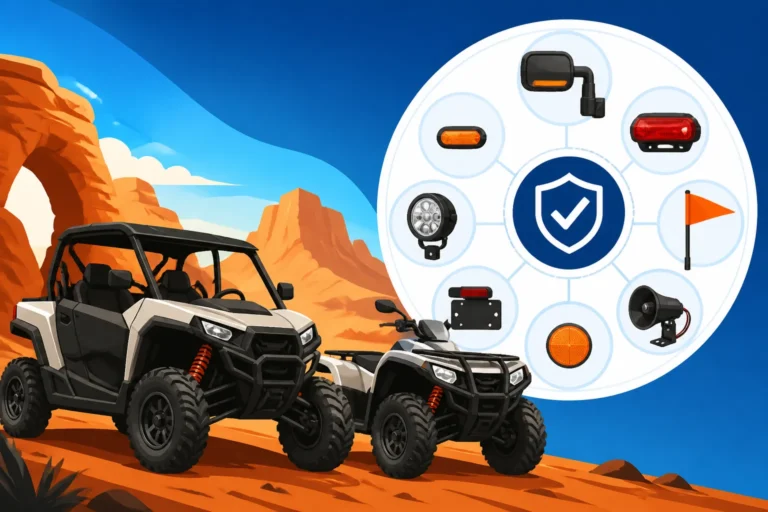
Beyond the plate, your machine needs to have the correct equipment, like headlights, tail lights, turn signals, mirrors, a horn, and often a windshield or eye protection. These aren't just suggestions; they're legal requirements. You can find all the specifics in [Utah Street-Legal ATV Equipment Requirements]. Additionally, while Utah allows street-legal OHVs on most public roads with a speed limit of 50 mph or less, some cities or counties might have their own specific ordinances or restricted areas. It's always a good idea to check [City and County OHV Rules Across Utah] before you venture into a new area. Knowing these rules means you can confidently pull onto Main Street in Marysvale or Richfield without worrying if you're breaking the law, and focus on getting to that pump.
Finding Fuel in the Heart of Trail Country
Utah's trail towns are often built around the idea of supporting outdoor enthusiasts, so finding fuel usually isn't an impossible task. However, the experience can vary depending on where you are.
Typical Fuel Stop Scenarios in Small Towns
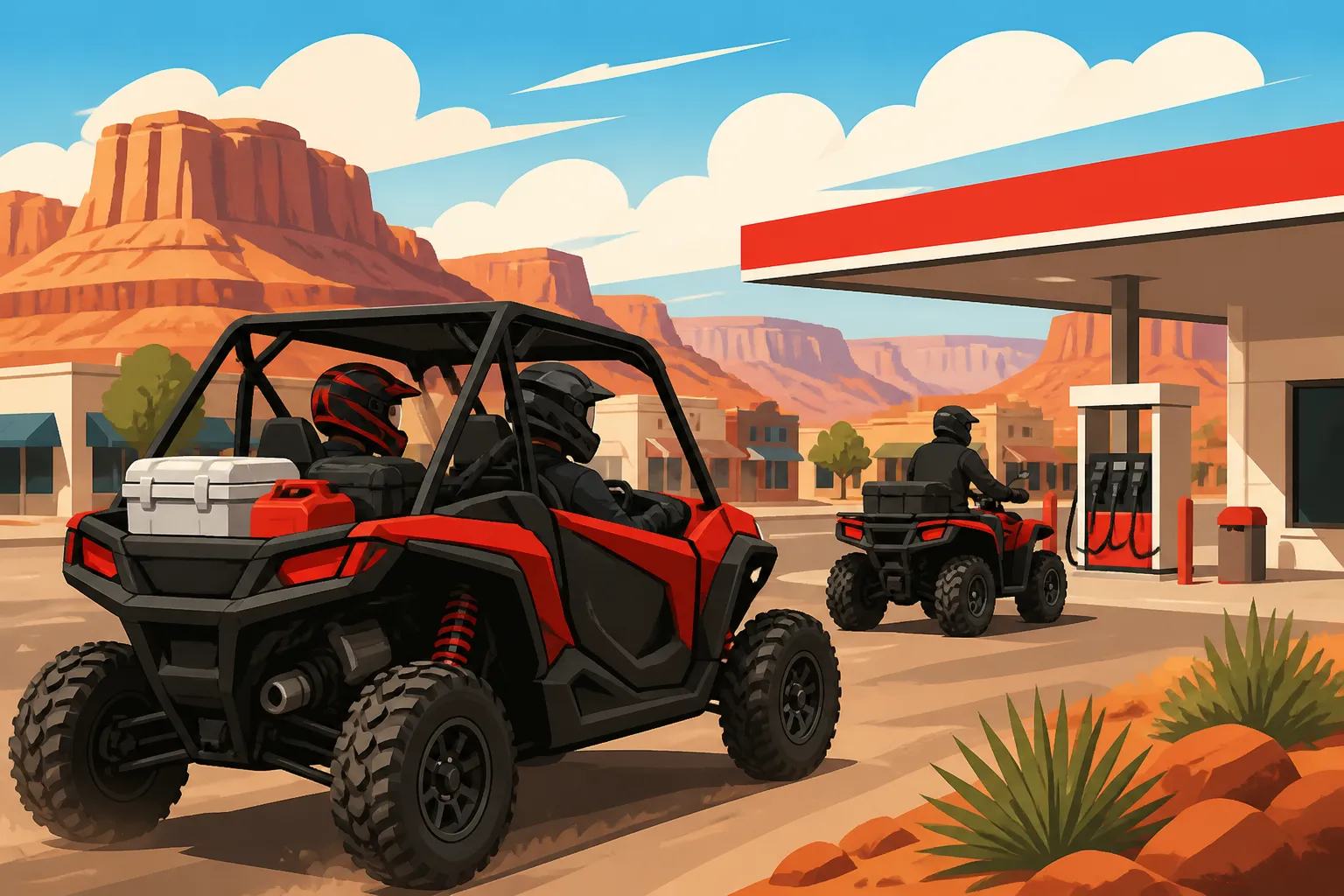
Picture this: you've been riding the Paiute Trail all morning and you're rolling into Marysvale. The town is small, often with one or two main roads, and you'll likely spot a gas station or two fairly easily. It might be a small, independently owned station or a more recognizable brand. The beauty of these smaller towns is that they’re accustomed to seeing OHVs on their roads. Riders are their lifeblood. You won’t usually get strange looks for pulling up to the pump on your side-by-side. The key is to be respectful, as you would in any vehicle.
In towns like Beaver, Richfield, or Fillmore, which are a bit larger but still deeply rooted in rural Utah, you might have a few more options. You might find a convenience store with multiple pumps, or even a truck stop on the edge of town. For places like Kanab, near Coral Pink Sand Dunes, or Hurricane and St. George, close to Sand Hollow, OHV traffic is a regular occurrence. Even in a major destination like Moab, where the sheer volume of OHVs can be overwhelming, the gas stations are plentiful and well-used to seeing everything from dirt bikes to massive rock crawlers pull up for a fill-up. Remember, whether you're in a tiny hamlet or a bustling trail hub, common sense and courtesy go a long way.
Navigating Gas Stations Themselves
Once you’ve spotted the gas station, the next step is actually navigating it. This might sound simple, but a UTV or ATV handles differently than a car, and you're often sharing the space with large trucks and trailers. When pulling into the lot, be mindful of your width and turning radius. Some gas station layouts can be tight, especially older ones, so take your time. If you're riding with a group, try to pull up to separate pumps if available, or line up efficiently to avoid blocking traffic for other customers.
Parking at the pump is usually straightforward. Just pull up as you would in a car. Be aware of your exhaust – if it's hot, don't park too close to anything flammable, especially if you've got any extra gear strapped to your machine. When you're done fueling, take a moment to ensure you're not leaving any trash behind. It sounds basic, but a clean station reflects well on all riders.
Sometimes, you might want to grab a snack or use the restroom inside. Walking into a convenience store in your riding gear is totally normal in these towns. You might even strike up a conversation with locals or other riders about trail conditions. And yes, if you're really in a hurry, you can even experience the novelty of [Taking a UTV Through a Drive-Through] at some fast-food places in these towns, though it's not strictly for fueling!
Practical Tips for a Smooth Fuel Stop
Preparation and awareness are your best friends when it comes to stress-free fueling on the trail. A little bit of foresight can save you a lot of hassle.
Pre-Ride Planning for Fuel
Before you even hit the trail for the day, make checking your fuel tank part of your routine. It sounds obvious, but how many times have we just jumped on and gone? Knowing your machine's approximate range is also key. If you know your UTV gets about 100 miles on a tank, and your planned loop is 75 miles, you're probably fine. But if it's 120 miles, you know you'll need to plan a stop.
I always recommend glancing at a map (digital or paper) before a ride to identify potential fuel stops along or near your route. Many trail maps will indicate towns with services. Apps like Gaia GPS or OnX Offroad often have points of interest, including gas stations. Even if you don't think you'll need it, knowing where they are provides peace of mind. For those really long, remote multi-day excursions where towns are few and far between, [Carrying Fuel Cans on a Street-Legal UTV] might still be a necessity, but that's a different scenario than just topping off for a day trip.
Being a Good Ambassador for OHV Riders
When you're riding your OHV into a small town, you're not just representing yourself; you're representing the entire OHV community. Small towns love the economic boost riders bring, but they also appreciate respect for their community.
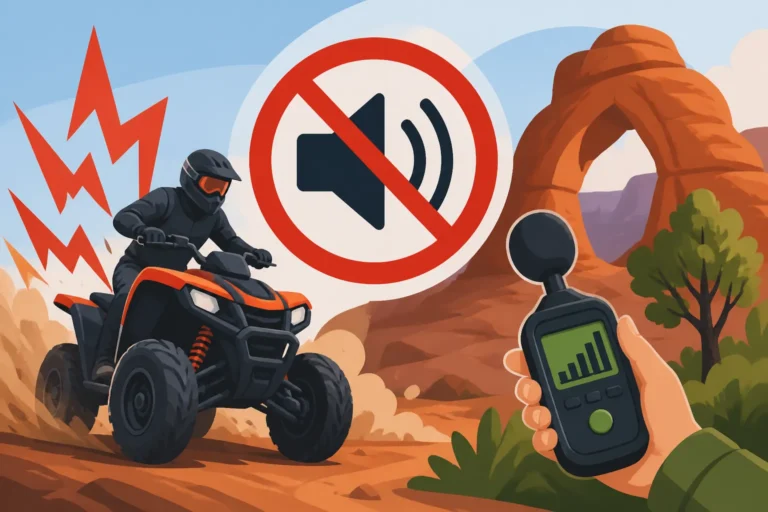
One of the biggest concerns for residents is noise. While you might love the roar of your engine on the open trail, it's best to keep it mellow in town. If you've got an aftermarket exhaust, be mindful of your throttle hand. Many towns, especially those that cater to tourists, have noise ordinances. You can check out options for [Quiet Exhaust Options for Utah Trips] if your current setup is a bit too rowdy.
Dust is another factor, especially if you're coming straight off a dry trail. Try to keep your speed down on unpaved roads leading into town to minimize kick-up. If your machine is equipped with mud flaps and fenders, they'll help contain some of the dust and debris. If not, consider adding some; [Mud Flaps and Fenders Utah Expects] can give you an idea of what’s needed and why. When pulling up to the pumps, park carefully, making sure you're not blocking access for other vehicles, especially those pulling large trailers. A little courtesy goes a long way in ensuring these towns continue to welcome OHV riders with open arms. And if you're looking for parts to help with your street-legal compliance and rider etiquette, companies like SuperATV offer a range of accessories from mirrors to turn signals that can make your machine more road-friendly and enhance your overall riding experience.
Common Questions and Unexpected Situations
Even with good planning, sometimes things don't go exactly as expected. It's always good to be prepared for the minor hiccups you might encounter.
Paying at the Pump vs. Inside
Most modern gas stations have card readers right at the pump, which is super convenient when you're geared up and don't want to go inside. Just swipe your card, fill up, and you're good to go. However, sometimes the reader might be finicky, or you might prefer to pay with cash. In those cases, you'll need to head into the convenience store.
Remember to bring your wallet, driver's license, and your machine's registration. While paying, it’s not uncommon for folks to ask about your ride or your adventures, so be ready for a friendly chat! It’s also important that you carry your essential paperwork with you when you ride. [What Paperwork Utah Riders Must Carry] will tell you exactly what you need to have on hand, not just for fuel stops, but for any encounter on the trail or road.
What If the Pump is Too Crowded?
This is a common scenario, especially during peak riding season or holiday weekends in popular spots like Moab or Sand Hollow. Small towns often only have one or two gas stations, and if a couple of huge RVs or a group of trailered OHVs pull in, you might find yourself waiting.
If the pumps are jammed, you have a few options:
- Wait it out: Sometimes patience is key. Most people are fairly quick.
- Look for alternatives: In some slightly larger towns like Richfield or St. George, there might be another gas station just down the road or on a side street. In smaller towns, this might not be an option.
- Consider a quick detour: If you know there’s another small town a few miles further that might have less traffic, it could be worth the extra ride.
It's a judgment call based on how low your tank is and how much time you have. Always err on the side of caution rather than risk running out completely.
What a Utah Officer Looks For
When you're on paved roads, you're subject to the same traffic laws as any other vehicle. If a Utah officer sees you pull into a gas station, they're generally not looking to give you a hard time. Most understand that street-legal OHVs are a legitimate form of transportation in these towns. However, they will be looking to ensure you're in compliance with street-legal requirements and basic traffic laws.
This means your license plate needs to be visible, your lights should be working, and you should be operating your machine safely and soberly. They might check if you have your proper registration and driver's license. Essentially, they're looking for the same things they'd look for if you were driving a car. Staying courteous, following the rules, and keeping your machine properly equipped will ensure your fuel stops are uneventful and pleasant. For a deeper dive into what law enforcement generally checks for, check out [What a Utah Officer Looks for on a Street-Legal ATV].
| Town Name | Typical Fuel Station Availability | General Vibe for OHVs | Considerations |
|---|---|---|---|
| Moab | High (multiple large stations) | Very OHV-friendly, but can be very crowded | High traffic volume, watch for large rigs. |
| Marysvale | Low (1-2 smaller stations) | Extremely OHV-friendly, small-town atmosphere | Limited options, may close early. |
| Richfield | Medium (several options) | OHV-friendly, gateway to Paiute Trail | Good balance of options, less frantic than Moab. |
| Kanab | Medium (several options) | OHV-friendly, near Coral Pink Dunes | Can be busy during peak tourist season. |
| Hurricane | High (multiple, including large) | Very OHV-friendly, gateway to Sand Hollow | Many options, can handle high volumes. |
| Beaver | Low-Medium (2-3 stations) | OHV-friendly, small-town charm | Easy access off I-15, typically less crowded. |
| Fillmore | Low-Medium (2-3 stations) | OHV-friendly, central location | Good for a quick stop on longer trips. |
| St. George | High (many large stations) | Very OHV-friendly, though more city-like | Extensive options, but city traffic can be heavier. |
Disclaimer
This article is for general informational purposes only and does not constitute professional advice. Laws, prices and regulations vary by location and change over time. Consult a qualified professional for guidance on your specific situation.