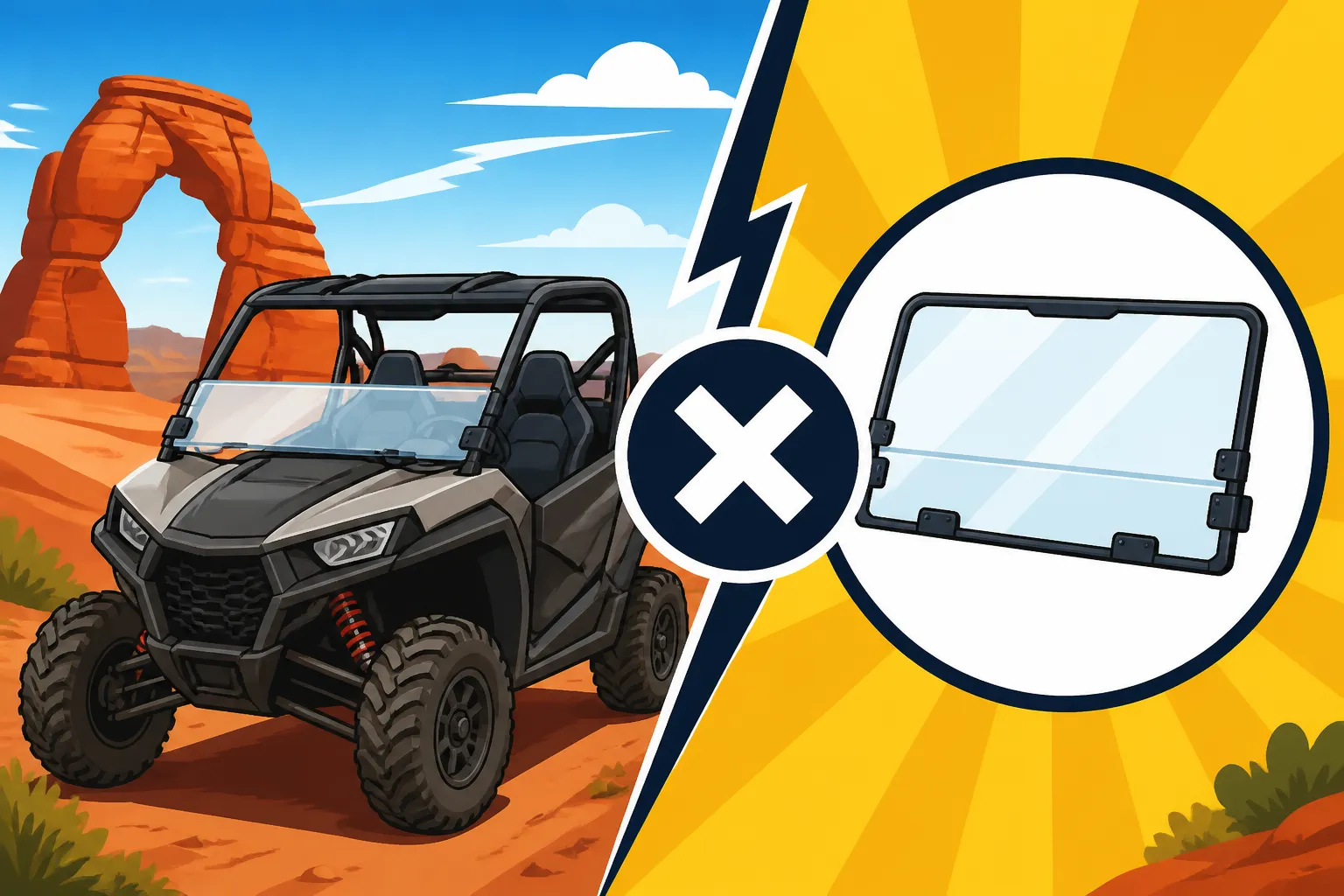
Does a Half Windshield Pass in Utah?
One of the trickiest parts about making your ATV or UTV street-legal in Utah is wading through the equipment requirements. Many riders get hung up on the windshield rule, especially when they love the look and feel of a half windshield but aren't sure if it truly meets the legal standard for cruising down Main Street. This guide is here to cut through the confusion and help you understand exactly what Utah law expects from your machine's front-facing protection.
Understanding Utah's Windshield and Eye Protection Laws
It's easy to assume that "street legal" means your off-highway vehicle (OHV) needs to be equipped just like a regular car. But when it comes to windshields, Utah's laws for OHVs have a bit more nuance. This is where the half windshield question often arises, leading to a lot of head-scratching among riders. Let's break down the actual text of the law and why it creates this particular grey area.
The Letter of the Law: What Utah Really Requires
Utah's regulations for street-legal OHVs are quite specific, but they also offer alternatives. When it comes to protecting the driver from road debris and the elements, the law generally states that the vehicle must have a windshield or the operator must wear eye protection. This "or" is the key. It means you don't necessarily have to have a full, automotive-style windshield if you're willing to don some goggles or protective glasses every time you hit the pavement.
For example, imagine you're heading out from your hotel in Moab, Utah, on a crisp fall morning, ready to hit the trails. You've got your UTV set up with a sleek half windshield, and you're feeling good about it. The law isn't saying your half windshield is inherently illegal, but it is saying, "Hey, if that windshield isn't providing full protection, you better have something else covering your eyes." So, even with a half windshield, you're still responsible for ensuring your eyes are shielded from dust, bugs, and whatever else the open road might throw your way. This is a crucial distinction that many riders overlook, thinking their half windshield does enough on its own. It's not about the type of windshield as much as it is about adequate eye protection.
Why a Half Windshield Might Seem Like a Gray Area
The "or" clause in the law is fantastic for giving riders options, but it also creates a bit of a quandary. A half windshield certainly provides some protection. It deflects a lot of the immediate road grime and wind that would otherwise hit you directly in the chest or face. However, it doesn't fully enclose the driver's compartment in the way a traditional automotive windshield does. This partial coverage is precisely why it feels like a "gray area."
Consider a scenario where you're at a local OHV shop, looking at all the cool aftermarket accessories. You see both full and half windshields proudly displayed, perhaps even some from reputable brands like SuperATV, known for their quality. Both are marketed as "windshields." The full one is obviously complete, but the half one looks great and offers more airflow, which is a big plus in Utah's summer heat. You might think, "Well, it's a windshield, so it must be fine, right?" The ambiguity comes from the fact that while it is a windshield, it doesn't offer full protection, leaving a gap where wind and debris can still come over the top or around the sides. This means that to be truly compliant, especially during an inspection or a roadside stop, you can't just rely on the half windshield alone. The spirit of the law, and indeed the explicit wording, points to the need for comprehensive eye protection if a full windshield isn't in place. This is where [Windshield or Eye Protection in Utah] becomes a very important read.
Practical Considerations for Half Windshields on Utah Roads
Having a half windshield for your street-legal UTV in Utah isn't just about meeting a legal requirement; it's also about practical safety and comfort. While it offers some benefits, it's important to understand its limitations and how to best supplement its protection, especially when you’re sharing the road with cars, trucks, and all sorts of unexpected elements.
Eye Protection: Your Non-Negotiable Backup
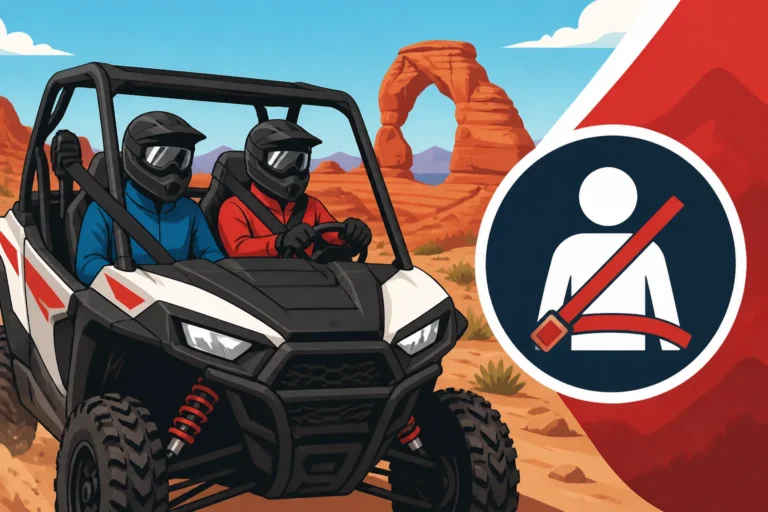
This is the golden rule when it comes to half windshields in Utah: if you're not running a full, automotive-style windshield, you must wear adequate eye protection. This means goggles, safety glasses, or even a full-face helmet with a visor. This isn't just a suggestion; it's a legal requirement that can get you pulled over if ignored.
Imagine cruising down a paved road on your way to the [Riding Through Town to the Trailhead in Utah]. You've got your cool SuperATV half windshield installed, enjoying the breeze. Suddenly, a gravel truck passes you in the opposite direction, and a tiny pebble ricochets right into your line of sight. If you're not wearing goggles, that pebble could cause serious damage. This is precisely why the law mandates that backup eye protection. A law enforcement officer observing you on the road will be looking for this. If you’re only relying on your half windshield and don't have goggles on, you're exposing yourself to potential fines and, more importantly, a significant safety risk. The law explicitly states that if your machine lacks a full windshield, your eyes need that additional layer of defense. For more on what's expected, check out [Goggles Instead of a Windshield in Utah].
Visibility and Wind Buffeting
While a half windshield helps deflect a good amount of wind and dust, it doesn't eliminate it entirely. You'll still experience wind buffeting, especially at higher speeds or on particularly gusty days. This isn't just a comfort issue; it can also affect your visibility and ability to safely operate your vehicle on public roads.
Picture yourself driving on a scenic county road, heading towards the La Sal Mountains near Moab. The wind picks up, and even with your half windshield, dust and small debris begin to swirl over the top and around the sides. This can make it difficult to see clearly, causing eye irritation and requiring you to constantly squint or wipe your eyes. This is where the protective qualities of a full windshield truly shine, offering a more complete barrier. With a half windshield, you’re always contending with a certain amount of exposure. This means that even if you're wearing goggles, the overall experience can be less comfortable and require more concentration than if you had a full enclosure. When considering [Utah Street-Legal ATV Equipment Requirements], think about what level of protection you actually need for the types of roads you plan to travel.
Aftermarket Options and Brand Considerations
The market is flooded with various half windshield options for UTVs, ranging from basic acrylic deflections to more robust polycarbonate designs. Many riders choose half windshields from popular brands like SuperATV, known for producing high-quality accessories that fit well and stand up to tough conditions. These windshields are often designed to be durable and provide a good balance between protection and airflow, which is ideal for trail riding.
However, regardless of the brand, whether it's a SuperATV product or another reputable manufacturer, the fundamental legal requirement remains the same in Utah: if it's not a full windshield, you still need separate eye protection. A high-quality half windshield will certainly enhance your riding experience by reducing some of the wind and debris, but it won't magically make the "or eye protection" clause disappear. When you're making your street-legal conversion, it's easy to get caught up in choosing the coolest-looking or most functional parts. Just remember that the law cares less about the brand name and more about whether the effect of your setup is providing adequate safety. Always double-check the specifics to ensure your setup, including your choice of windshield and eye protection, aligns with what's expected during an inspection or roadside stop.
Navigating the Inspection and Law Enforcement Perspective
Passing a street-legal inspection and avoiding a citation on the road involves more than just bolting on parts. It's about understanding how inspectors and law enforcement officers interpret and enforce Utah's OHV laws, especially when it comes to components like half windshields. Their perspective can often be the difference between a smooth ride and a frustrating encounter.
What an Inspector Looks For
When you take your UTV in for a street-legal inspection in Utah, the technician isn't just ticking boxes; they're ensuring your machine meets the minimum safety standards to legally operate on public roads. For the windshield and eye protection rule, they're primarily looking for compliance with the "windshield or eye protection" clause. This means if you present your UTV with a half windshield, the inspector will need to see that you, the operator, are also equipped with proper eye protection.
Consider a scenario where you pull your UTV into the inspection bay. You've installed a nice half windshield, perhaps a durable one from SuperATV. The inspector will walk around the vehicle, checking off all the required items like headlights, tail lamps, turn signals, mirrors, horn, etc. When they get to the windshield, they'll likely ask about your plan for eye protection. If you say, "My half windshield is enough," you'll likely fail that portion of the inspection. Instead, if you demonstrate that you always wear your Department of Transportation (DOT) approved goggles or a full-face helmet when driving on the road, then your half windshield combined with your personal protective equipment will generally satisfy the requirement. The key here is presenting a complete solution, not just relying on one component. Don't forget to review [Utah's Street-Legal ATV Inspection, Step by Step] before your visit to be fully prepared. A common item that can lead to failure is an incomplete solution for eye protection. For more common pitfalls, check out [What Fails a Utah Street-Legal Inspection].
Officer Discretion and Interpretation on the Road
While an inspection is a formal process, interactions with law enforcement on the road can sometimes involve a degree of officer discretion. However, for a clear-cut safety issue like eye protection, discretion often leans towards enforcement. If an officer spots you driving a street-legal UTV with only a half windshield and no supplementary eye protection, they have every right to pull you over.
Imagine you're driving through a small town on your way to a trailhead, and a local police officer or highway patrol unit notices you. They observe that your half windshield isn't offering full enclosure, and you're not wearing goggles. Even if your machine has passed inspection previously, the officer on the road is assessing your current compliance. They're looking for [What a Utah Officer Looks for on a Street-Legal ATV], and if you're missing a key safety element like eye protection, it's a clear violation. While some officers might give a warning, many will issue a citation. It's simply not worth the risk, both for your safety and your wallet. Your best bet is to remove any doubt by consistently wearing eye protection when your UTV isn't equipped with a full windshield.
When a Full Windshield is Simply Better
While a half windshield can certainly pass muster with the right supplementary eye protection, it's important to acknowledge that a full windshield offers a level of protection and peace of mind that a half-windshield simply cannot. For many riders, especially those who plan to spend a significant amount of time on paved roads or in inclement weather, a full windshield is the superior choice.
Think about long stretches of highway driving, where speeds are higher and road debris can be more substantial. A full windshield, ideally one made from durable, scratch-resistant material, provides a complete barrier against wind, dust, bugs, and even light rain. This means less buffeting, clearer vision, and a more comfortable ride overall. You won't have to worry about constantly adjusting your goggles or feeling the sting of windburn on your face. While a half windshield paired with goggles is legally compliant, a full windshield eliminates the need for separate eye protection (unless local ordinances or personal preference dictate otherwise) and provides a more car-like experience on the road. Many [Street-Legal Kits That Suit Utah's Rules] come with options for full windshields for this very reason, offering a comprehensive solution for those seeking maximum protection and convenience.
Windshield Options: Half vs. Full for Street-Legal Use
Deciding between a half and full windshield for your street-legal UTV in Utah involves weighing several factors, from legal compliance to personal comfort and the type of riding you do most often. Here's a quick comparison to help you sort out the pros and cons:
| Feature | Half Windshield (with eye protection) | Full Windshield |
|---|---|---|
| Legal Compliance | Yes, when operator wears additional eye protection (goggles/glasses). | Yes, provides full enclosure. |
| Airflow/Ventilation | Excellent. More open cab feel, great for hot weather. | Limited unless vented. Can get hot in the cab. |
| Protection from Elements | Partial. Deflects frontal wind/debris; side/top exposure remains. | Full. Blocks wind, dust, bugs, rain, and cold. |
| Visibility | Good, but can have wind buffeting. Requires clear eye protection. | Excellent, full enclosure. Can get dirty/scratched, requiring wipers. |
| Cost (Generally) | Often less expensive than full windshields. | Generally more expensive due to size and features (e.g., wipers). |
| Installation | Usually quicker and easier. | Can be more complex, especially with vents or wiper systems. |
| Noise | Can be noisier due to wind buffeting. | Quieter cab due to enclosed space. |
| Cleaning | Easier, less surface area. | More surface area, may require wipers and fluid. |
Ensuring You're Fully Compliant Beyond the Windshield
Achieving street-legal status for your UTV in Utah is a comprehensive endeavor that goes far beyond just your windshield setup. While getting the eye protection right is critical, it's merely one piece of a larger puzzle. To truly enjoy the freedom of riding your OHV on public roads, you need to ensure every component and piece of documentation is in order.
Other Essential Street-Legal Gear
Making your OHV street-legal requires a host of other equipment to ensure it's safe and visible to other drivers. Just like a car, your UTV needs functional lighting, signaling, and safety features. This includes DOT-approved headlights and tail lights, proper [Turn Signals on a Street-Legal Utah UTV] at all four corners, a working horn, and at least one rearview mirror, though two mirrors (one on each side) are generally recommended and often required. Don't forget a license plate light, so your registration plate is visible at night, and sturdy brakes that are in good working order. These are all non-negotiable items that an inspector will meticulously check. Failing on any one of these can send you back to the shop, delaying your street-legal adventures. It's a significant investment, and understanding the [Cost to Make a UTV Street Legal in Utah] can help you budget for all these necessary components.
Documentation and Rider Readiness
Even with a perfectly equipped UTV, your street-legal journey isn't complete without the right paperwork and a clear understanding of your responsibilities as a driver. This means always carrying your current registration, proof of insurance, and your driver's license. [What Paperwork Utah Riders Must Carry] is not just a suggestion; it's a legal mandate. Imagine you've got your SuperATV half windshield, your goggles, all your lights working, and you're feeling invincible, only to be pulled over and realize you left your registration back at camp. That's a surefire way to turn a fun ride into a frustrating one.
Beyond physical documents, rider readiness also involves knowing the rules of the road. This includes adhering to speed limits, understanding right-of-way rules, and being aware of specific city or county ordinances that might affect OHV use. Ignorance of the law is never an excuse, and a street-legal UTV is still an OHV that needs to be operated safely and responsibly within established traffic laws.
Staying Informed
Utah's OHV laws and regulations, especially those pertaining to street-legal conversions, can evolve. What's perfectly acceptable today might see changes in the future. It's the responsibility of every OHV owner to stay updated on current legislation. Regularly checking the Utah State Parks OHV Program website or subscribing to relevant newsletters can help you stay ahead of any modifications to the rules. Don't rely solely on what you heard from a friend or on outdated information. Make it a habit to periodically review the official sources to ensure your machine and your riding practices remain fully compliant. This proactive approach helps prevent unexpected fines, ensures your safety, and preserves the privilege of enjoying Utah's incredible trails and scenic roads with your UTV.
At the end of the day, while a half windshield can work for a street-legal UTV in Utah, it's only half the story. You absolutely, positively need to pair it with reliable eye protection every single time you hit the pavement. A full windshield might offer more complete protection and convenience, but if you love the open feel of a half windshield, just remember to keep those goggles handy. Ride safe, ride smart, and enjoy those Utah roads!
Disclaimer
This article is for general informational purposes only and does not constitute professional advice. Laws, prices and regulations vary by location and change over time. Consult a qualified professional for guidance on your specific situation.