Finding a Certified Utah Inspection Station
So you've decided to make your ATV or UTV street legal in Utah – congratulations! It's a fantastic way to extend your riding adventures, connecting trails, and exploring charming small towns. But, let's be real, the thought of actually getting it inspected can feel like navigating a maze. Riders often tell me they're worried about finding the right place, understanding the rules, or just showing up only to be turned away. This guide is here to cut through that confusion, helping you find a certified Utah inspection station with confidence and ensure your machine passes with flying colors.
Why a Certified Inspection Station Matters for Your OHV
Turning your off-highway vehicle into a street-legal machine isn't just about bolting on some turn signals and a horn; it's about meeting specific safety and legal standards. Utah has these standards in place for a good reason, to ensure that when your UTV or ATV shares the road with cars, trucks, and motorcycles, it's as safe as possible for everyone. That's where a certified inspection station comes in – they're the gatekeepers, ensuring your machine is truly ready for public roads.
The Specificity of Utah's Street-Legal Requirements
Utah isn't just looking for "some" lights; it's looking for specific lights, mounted in specific ways, and functioning as required by law. This isn't like a quick oil change where any mechanic will do. Vehicle safety inspections, especially for something as specialized as an OHV transitioning to street legal status, demand a station and technicians who are specifically authorized by the state to perform these types of checks. They know the ins and outs of the [Utah Street-Legal ATV Equipment Requirements] and what it takes for your unique machine to meet them.
Imagine you’ve spent a weekend installing all the necessary components – headlights, tail lights, turn signals, mirrors, a horn – maybe you even invested in a complete kit from a reputable company like SuperATV. You feel pretty good about it. But then you show up at a generic auto shop, and the mechanic, while skilled with cars, might not be fully versed in the nuances of OHV street-legal requirements. They could miss something critical, or worse, pass you on a technicality that a state trooper later flags as non-compliant. Going to a certified station from the outset ensures you're getting the authoritative check you need to ride legally and confidently.
Avoiding Costly Rejections and Retests
Nobody wants to waste time or money, especially when you're eager to get out and ride. Showing up at a non-certified station, or one not familiar with OHVs, can lead to immediate rejection, sending you back to square one. Even if they attempt an inspection, a lack of specific knowledge can result in an incorrect assessment, meaning you might pass only to find out later that your setup isn't truly compliant, leading to tickets or even impoundment.
Think about the frustration of taking a day off work, loading up your machine, driving to a shop, waiting, and then being told they can't inspect it or that you need to go elsewhere. This scenario is all too common for riders who don't confirm a station's certification and experience with OHVs beforehand. Furthermore, if you do get inspected and fail because of a component that wasn't up to snuff – maybe your horn isn't loud enough or your turn signals aren't visible from the required angles – you'll have to fix the issue and pay for another inspection. This doubles your effort, cost, and time. Choosing a certified station that regularly handles [Utah's Street-Legal ATV Inspection, Step by Step] minimizes these risks, ensuring the process is as smooth and efficient as possible.
Types of Inspection Stations in Utah and What to Look For
When it comes to getting your OHV inspected for street-legal status in Utah, you can't just roll into any garage. The state has a system for designating official inspection stations, and it's crucial to understand who they are and what makes them qualified to handle your unique vehicle. Knowing this will save you a ton of hassle and ensure you get a valid inspection certificate.
Understanding Utah's Inspection System
Utah's safety inspection program is managed by the Utah Department of Public Safety, and they license specific facilities and technicians to conduct vehicle safety inspections. These stations are typically automotive repair shops, dealerships, or service centers that have met certain criteria, including having certified technicians, proper equipment, and following strict state guidelines. For OHVs, it's an even more specialized niche. You're looking for a station that explicitly states they can perform OHV street-legal inspections or motorcycle inspections, as the requirements often align more closely with motorcycles than standard cars.
It's not enough for a shop to simply be a "certified inspection station" for passenger cars. While some general auto shops are certified for car inspections, they might not have the specific training or experience with the unique components of an ATV or UTV. The inspector needs to understand things like [Mirrors Utah Requires on Both Sides] on an OHV, or the specific mounting height for [Headlights and Tail Lamps Utah Requires]. They also need to know the proper procedure for documenting these specialized vehicles, which differs from a typical sedan. This distinction is vital for a smooth process.
Dealerships Versus Independent Shops
You'll generally find two main categories of certified inspection stations: authorized dealerships (think Polaris, Can-Am, Honda powersports dealers) and independent automotive or powersports repair shops. Both can be excellent choices, but they each have their pros and cons.
Dealerships often have the advantage of familiarity. They sell and service ATVs and UTVs every day, so their technicians are typically well-versed in the mechanics and modifications common to these machines. They're more likely to have seen street-legal conversions before and understand the specific requirements. The downside? Dealerships can sometimes be pricier, and their service departments might have longer wait times due to their volume of work. However, for a complex machine or if you're feeling particularly uncertain, a dealership can offer peace of mind. They also often have the OEM parts readily available if any minor adjustments or repairs are needed on the spot to pass inspection.
Independent shops, on the other hand, can sometimes offer more competitive pricing and potentially faster service. The key here is to find an independent shop that specifically advertises or has a reputation for powersports service and street-legal conversions. Don't just assume an independent auto repair shop handles OHVs; always call ahead and confirm their expertise. Some smaller, local powersports shops that don't necessarily sell new machines but focus on service and parts might be hidden gems, offering personalized attention and a deep understanding of OHV needs. Regardless of whether you choose a dealership or an independent shop, the most critical factor is their certification and proven experience with OHV inspections.
What "Certified" Truly Means for OHV Inspections
When we say "certified" in the context of a Utah inspection station, it means the facility itself is licensed by the state, and the individual technicians performing the inspections have passed specific training and examinations. For OHVs, this certification confirms they are qualified to assess vehicles with unique features and modifications that distinguish them from standard cars. This includes understanding the nuances of how a [Windshield or Eye Protection in Utah] applies to an open-air vehicle, or the specific requirements for [Horns, Mufflers and Utah Noise Limits] on a recreational machine.
A certified inspector isn't just checking off boxes on a generic form; they're applying specialized knowledge to ensure your UTV or ATV meets the intent of the law for road use. They'll confirm that components like [Turn Signals on a Street-Legal Utah UTV] are correctly wired and visible, or that your speedometer is accurately calibrated. This level of detail is paramount, as a non-certified inspection or one performed by an untrained individual simply won't hold up legally and could lead to issues down the road. Always confirm that both the station and the technician are certified for the type of vehicle you're bringing in. Don't be afraid to ask for proof of their certification or inquire about their experience with OHV street-legal conversions.
Step-by-Step: Preparing Your OHV for Inspection
Getting your ATV or UTV ready for its street-legal inspection in Utah can feel a bit like preparing for a big test. The key is thoroughness. You don't want to drive all the way to a station, pay the fee, and then find out you missed something obvious. A little bit of prep work at home can save you a lot of time, frustration, and potential re-inspection fees.
Essential Equipment Checks You Can Do Yourself
Before you even think about driving to an inspection station, give your machine a detailed once-over. This isn't just about ensuring you have the required parts, but that they are properly installed and functional. For example, do your headlights have both high and low beams, and are they properly aimed? Are your tail lights visible, and do they brighten when you hit the brakes? For [Turn Signals on a Street-Legal Utah UTV], confirm that all four flash brightly and are easily seen from the front, rear, and sides. Test your horn; is it loud enough to be heard clearly by other motorists?
Don't forget the small but crucial details. Check that your [Mirrors Utah Requires on Both Sides] are securely mounted and provide a clear view to the rear without excessive vibration. If you have a windshield, ensure it's free of major cracks or obstructions. Confirm your tires are in good condition with adequate tread depth for road use, and that they're the correct type for your machine. Make sure your speedometer works and is visible. Even something as simple as ensuring your license plate light illuminates the plate at night can be a deal-breaker. Take the time to verify every item on the [Utah Street-Legal ATV Equipment Requirements] list before you leave your driveway. You can even do a quick visual check for any fluid leaks or loose components that might catch an inspector's eye.
Documents to Have Ready for Your Visit
Just like the equipment on your machine, your paperwork needs to be in order. When you arrive at the inspection station, they'll need certain documents to properly identify your OHV and process the inspection. This typically includes your vehicle's title or current registration if you already have it (even if it's off-highway only). They'll need to verify the Vehicle Identification Number (VIN) on your machine matches your documentation.
It’s also a good idea to bring proof of insurance, even though [When Utah Requires Insurance on an OHV] for off-highway use might be different than for street-legal use, having it ready for the inspection can streamline the process, especially since you'll need it for registration. While it's not always mandatory for the inspection itself, showing the inspector you're prepared for the full street-legal process can't hurt. Having all your paperwork organized and easily accessible will make the check-in process at the station much quicker and smoother, showing them you're a responsible owner who has done their homework.
Common Reasons for Failing a Utah Inspection
Knowing the common pitfalls can help you avoid them. One of the most frequent reasons for failing an OHV street-legal inspection is inadequate lighting. This could mean headlights that aren't bright enough or properly aimed, tail lights that don't illuminate correctly with the brakes, or turn signals that are too dim or not visible from the required angles. Sometimes, riders forget about the need for a license plate light, which is crucial for night driving. Another common issue is the horn – it needs to be an audible, continuous tone, not just a weak little beep.
Beyond lighting, mirrors often cause problems. Inspectors will check that you have at least one rearview mirror providing a clear view of the road behind you, and many riders opt for a second mirror for optimal visibility, often using aftermarket options from companies like SuperATV. Tire condition is another big one; bald or severely worn tires designed for off-road use won't pass muster for road safety. Finally, make sure all your safety equipment, like seatbelts (if equipped) are in good working order. Any visible fluid leaks, broken suspension components, or excessively loud exhaust could also lead to a failure. Reviewing a detailed list of [What Fails a Utah Street-Legal Inspection] can be incredibly helpful before your appointment.
Locating a Certified Station Near You
Finding the right certified inspection station for your street-legal OHV can sometimes feel like a treasure hunt, especially if you live in a less populated area. But with a bit of systematic searching and a few key questions, you can pinpoint a reliable spot. Don't just pick the closest mechanic; pick the right mechanic.
Navigating the Utah DMV Website and Other Resources
Your first and most reliable stop should be the official Utah Department of Public Safety's website, specifically the section pertaining to vehicle safety inspections. They usually have an online search tool or a downloadable list of certified inspection stations. This database is regularly updated and will show you which facilities are officially licensed by the state. When using the search, look for stations that specifically mention "motorcycle," "motorcycle/OHV," or "ATV/UTV" inspections, as these are the ones most likely to have the expertise you need.
Beyond the official state resources, local powersports communities and forums can be invaluable. Riders often share their experiences and recommendations for shops that are knowledgeable about street-legal conversions. A quick search on Facebook groups for "Utah ATV riders" or "Utah UTV owners" might yield some direct recommendations. Word-of-mouth from fellow riders who have successfully gone through the process can be incredibly reassuring. Remember, the goal isn't just a certification, but a thorough and correct inspection that ensures your safety and legal compliance on the road.
Tips for Calling Ahead and Asking the Right Questions
Once you have a list of potential stations, don't just show up. Pick up the phone! Calling ahead is crucial to confirm they can inspect your specific type of vehicle. Here's a checklist of questions you should ask:
- "Do you perform street-legal inspections for ATVs or UTVs?" (Be specific about your machine type.)
- "Are your technicians certified to inspect OHVs for street-legal conversion?"
- "What are your typical wait times for this type of inspection?"
- "What is the current fee for an OHV street-legal inspection?"
- "What documents do I need to bring with me?"
- "Do you have experience with aftermarket street-legal kits, like those from SuperATV, or are you more familiar with OEM setups?"
Asking these questions upfront will weed out any shops that aren't equipped or experienced, saving you a wasted trip. It also gives you a sense of their customer service and how knowledgeable they truly are. Pay attention to their answers – if they sound hesitant or unsure about OHVs, it's probably best to look elsewhere. A confident and clear answer usually indicates they know their stuff.
What to Do If There Isn't a Station Nearby
For some riders, especially those in more rural parts of Utah, finding a conveniently located certified OHV inspection station can be a challenge. Don't despair! You have a few options. First, broaden your search radius. While driving further might be inconvenient, it's better than risking an incorrect inspection or non-compliance. Look at towns an hour or two away that might have larger powersports dealerships or specialized independent shops.
Consider making a trip out of it. If you have to drive a bit, maybe combine the inspection with a trail riding weekend in that area. Many of Utah's riding hubs, like Moab, St. George, or Marysvale, have powersports service centers that are very familiar with street-legal conversions due to the popularity of OHV tourism. Alternatively, if you're truly in a bind, you could contact the Utah Department of Public Safety's Vehicle Safety Inspection program directly. They might be able to offer guidance or suggest a station that isn't immediately obvious through online searches, or even provide clarity on any local exceptions or mobile inspection services if they exist. Persistence pays off when it comes to getting your machine legally on the road.
What Happens During the Inspection Process
Walking into a certified inspection station with your street-legal OHV for the first time can bring a mix of anticipation and nerves. Knowing what to expect during the actual inspection can help calm those jitters and ensure you're prepared for a smooth experience. It's not just about passing; it's about understanding the thoroughness that goes into ensuring your machine is safe for the road.
The Inspector's Checklist for Street-Legal ATVs/UTVs
When you pull into the inspection bay, the certified technician will have a specific checklist they follow, dictated by Utah state law. This isn't just a quick glance; it's a systematic evaluation of all the components required for street-legal operation. They'll start by verifying your VIN against your documents. Then, they’ll move through the vehicle, meticulously checking each item.
Here’s a general idea of what they’ll be looking for:
- Brakes: Functionality of both front and rear brakes, parking brake operation.
- Headlights: High and low beam operation, proper aim, brightness, and color.
- Tail Lights/Brake Lights: Functionality, brightness, and visibility from specified distances.
- Turn Signals: All four signals operational, amber or red color, proper mounting, and visibility from required angles.
- Mirrors: At least one mirror providing a clear view of the road to the rear. Many inspectors appreciate seeing two for maximum safety.
- Horn: An audible, continuous tone loud enough to be heard by other motorists.
- Tires: Adequate tread depth, no severe damage or cord exposure, proper inflation.
- Windshield/Eye Protection: If equipped with a windshield, it must be free of major cracks or obstructions. If not, the rider must use eye protection (goggles or glasses).
- License Plate Light: Must illuminate the rear license plate at night.
- Speedometer: Must be functional and visible to the driver.
- Muffler/Exhaust: Must be in good condition, securely mounted, and meet [Horns, Mufflers and Utah Noise Limits].
- Steering & Suspension: No excessive play in steering, no broken or severely worn suspension components.
- Frame: No visible cracks or major damage that would compromise structural integrity.
The inspector is essentially looking at the [Utah Street-Legal ATV Equipment Requirements] in detail, ensuring that everything not only exists but functions correctly and is safely installed.
Receiving Your Passed Inspection Certificate
If your OHV meets all the necessary requirements, congratulations! The inspector will issue you a safety inspection certificate. This document is crucial; it's your official proof that your ATV or UTV has passed the state's safety standards for street use. The certificate will typically include information about your vehicle, the date of inspection, and the inspector's details.
It's vital to keep this certificate safe. You'll need to present it when you go to the Utah DMV to complete the actual registration process and get your street-legal license plate and new registration card. Without this certificate, the DMV won't issue your street-legal plates, no matter how many modifications you've made. Some inspection stations might provide you with a paper copy, while others might submit the information electronically directly to the state. Always confirm with the station how you will receive your official proof of inspection. Make sure all the information on the certificate is accurate before you leave the shop.
Next Steps After a Successful Inspection
Once you have that golden inspection certificate in hand, you're on the home stretch! The very next step is to head to your local Utah DMV office. Make sure to bring your inspection certificate, your vehicle's title, proof of insurance, and your driver's license. The DMV will process your application for street-legal registration, which will involve paying any applicable [Utah ATV Sales Tax and Uniform Fees] and registration fees.
At the DMV, they will issue you a standard vehicle license plate, which you'll need to securely mount on the rear of your OHV. You'll also receive a new registration card, which you must carry with you whenever you're operating your street-legal machine on public roads. Don't forget, even though your OHV is now street legal, you'll still need to renew its registration periodically, just like any other vehicle. Understanding [Renewing Your Utah OHV Registration] is important for continued legal road access. Once registered, you'll be ready to hit the pavement and connect those trails, knowing you're fully compliant with Utah law.
Costs, Time, and What to Expect Afterward
Getting your OHV inspected is a distinct step in the street-legal conversion process, and it comes with its own set of considerations regarding costs, how long it takes, and what you need to remember for the long term. It's not just a one-and-done deal; there are ongoing responsibilities to maintain your street-legal status.
Understanding Inspection Fees and Potential Repair Costs
The cost of a Utah safety inspection for an OHV is typically a set fee, often comparable to what you'd pay for a car or motorcycle inspection. This fee covers the inspector's time and expertise in thoroughly checking your machine against state requirements. However, this initial fee is only for the inspection itself. It doesn't include any repairs or adjustments that might be needed if your OHV fails the inspection.
If your machine doesn't pass, the inspector will provide you with a rejection report detailing the issues that need to be addressed. You'll then have to make those repairs or modifications, which could involve purchasing new parts (like a brighter horn, better mirrors, or proper [Street-Legal Kits That Suit Utah's Rules]) and paying for labor if you can't do the work yourself. After the repairs, you'll need to bring your OHV back for a re-inspection, which may incur an additional fee, though sometimes it's discounted if you return within a certain timeframe. Factor in the potential [Cost to Make a UTV Street Legal in Utah] including parts and labor, as the inspection fee is just one piece of the puzzle.
How Often Utah Re-Inspects Your Street-Legal Machine
Unlike standard passenger cars in some states that require annual safety inspections, Utah generally does not require a recurring safety inspection for OHVs once they've initially passed and been registered as street-legal. However, this doesn't mean you're off the hook forever. While regular inspections aren't mandated, it is your responsibility as the owner to ensure your street-legal ATV or UTV remains in safe operating condition and continues to meet all Utah street-legal equipment requirements.
For example, if you replace a headlight, you need to ensure the new one is properly aimed and functions correctly. If a turn signal breaks, you must repair it before driving on public roads. Law enforcement can still pull you over and issue citations for equipment violations if your machine is found to be non-compliant. So, while you won't be scheduling annual inspection appointments, think of it as an ongoing self-inspection requirement every time you ride on the road. For specific details on this, you might want to review [How Often Utah Re-Inspects a Street-Legal ATV] to clarify any nuances.
Maintaining Your Street-Legal Status on the Road
Maintaining your street-legal status goes beyond just keeping your equipment functional. It also involves adhering to all traffic laws, just like any other vehicle on the road. This includes respecting speed limits, using proper hand signals (if your turn signals fail), and obeying all signs and signals. You must always carry your valid [What Paperwork Utah Riders Must Carry], including your driver's license (which must be a standard driver's license, not just an OHV certificate, for road use) and proof of insurance.
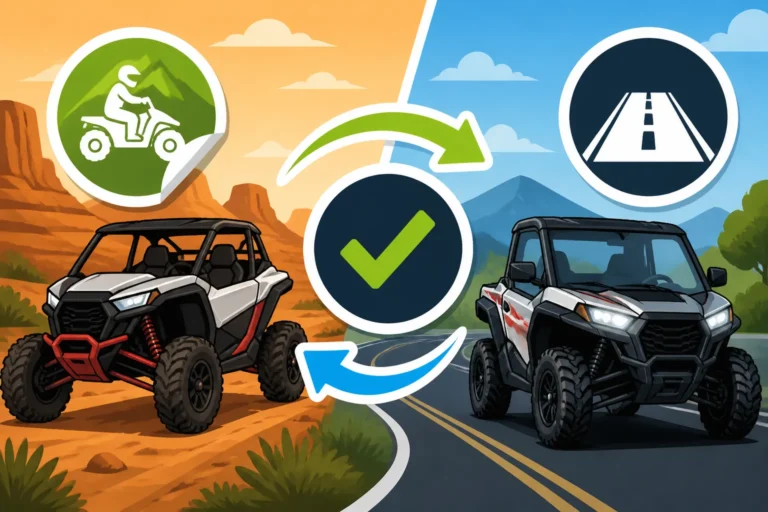
It's also wise to regularly check your tires, lights, brakes, and horn before each road trip to ensure everything is still in top working order. Dust, vibrations, and trail riding can take a toll on aftermarket components, so a quick visual and functional check before you head out on asphalt can prevent a costly roadside stop. By being diligent and responsible, you can enjoy the freedom of your street-legal ATV or UTV for years to come, seamlessly transitioning from dirt to pavement and back again, knowing you're fully prepared and compliant.
Disclaimer
This article is for general informational purposes only and does not constitute professional advice. Laws, prices and regulations vary by location and change over time. Consult a qualified professional for guidance on your specific situation.