Registering a UTV Bought at a Utah Auction
There’s nothing quite like the thrill of finding a fantastic deal on a UTV at a local Utah auction. The adrenaline rush of the bidding, the excitement of winning, and the dream of hitting those incredible trails often overshadow the crucial next step: getting that machine legally registered. Many riders get home, look at their auction receipt, and suddenly realize they have no idea what paperwork they actually need to tackle the Utah DMV. This guide is here to cut through that confusion, giving you a clear, step-by-step path to register your auction-bought UTV in Utah so you can move from the auction block to the trail system with confidence.
The Unique Paperwork Challenges of Auction UTVs
Buying a UTV at an auction can feel like hitting the jackpot. You might snag a machine for a fraction of its retail price, or find that rare model you've been dreaming of. But here's the kicker: the paperwork side of an auction purchase is often vastly different from buying from a private seller or, especially, a licensed dealer. This difference can throw even seasoned riders for a loop, leading to frustration and delays if you’re not prepared.
Why Auctions Can Be Different from Dealer Sales
When you buy a UTV from a reputable dealership, they typically handle all the heavy lifting. They'll collect your information, process the sales tax, submit the registration paperwork to the Utah DMV, and often even hand you the decals and temporary permit on the spot. It's a smooth, turnkey process designed for convenience. You sign a few papers, and the machine is essentially ready to ride (after you get your permanent decals in the mail, of course).
Auctions, however, operate on a different principle. They are often "as-is, where-is" sales. This means you're buying the UTV exactly as it sits, with all its present conditions – mechanical or documentary – and the auction house is generally not responsible for warranties or, crucially, for handling your registration. Their primary role is to facilitate the sale between the previous owner (or the entity that consigned the UTV) and you, the buyer. This hands-off approach often leaves the new owner responsible for securing all necessary documentation and figuring out the registration process on their own. It’s a classic case of saving money upfront, but needing to invest more time and effort on the back end.
Understanding Your Auction Documents
The single most important document you’ll receive from an auction house is the Bill of Sale. This isn't just a receipt; it's your proof of purchase and transfer of ownership. A good bill of sale from an auction should clearly list:
- The date of sale.
- The name and address of the auction house (and often the seller they represent).
- Your name and address as the buyer.
- A detailed description of the UTV, including its make, model, year, and most importantly, the Vehicle Identification Number (VIN).
- The purchase price.
Sometimes, the auction house might also provide other documents, like a title that they received from the previous owner. However, it's very common for UTVs at auction to be sold without a physical title, especially if they are older machines, repossessed units, or inventory from government agencies. If a title is provided, ensure it's properly signed over by the previous owner to the auction house, and then by the auction house to you. If it's missing, don't panic immediately, but understand that this adds a layer of complexity we'll explore shortly. It’s always smart to have a solid bill of sale template handy, perhaps from a resource like LawDepot, even if the auction provides one, just to cross-reference and ensure all critical information is present. You can often make supplemental notes on your own copy.
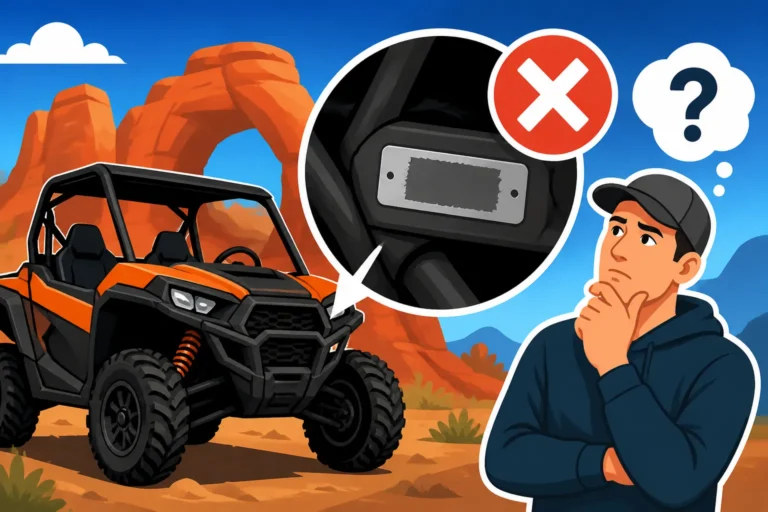
One thing you absolutely must do on site, before you even bid if possible, is to physically verify the VIN on the UTV matches any paperwork provided. Sometimes mistakes happen, and you don't want to get home with a UTV only to find the VIN on your bill of sale doesn't match the machine. This discrepancy will cause significant headaches at the DMV.
Essential Steps Before Heading to the Utah DMV
Before you even think about stepping foot into a Utah DMV office with your new auction find, there are a few critical preparatory steps you need to take. Skipping these can lead to multiple trips, wasted time, and a whole lot of frustration. Think of this as your pre-flight checklist to ensure a smooth takeoff into the registration process.
Gathering Your Proof of Ownership
For an auction purchase, your primary proof of ownership is going to be that bill of sale. It needs to be comprehensive and legible. Utah requires a bill of sale for any private sale, and this applies equally to auction transactions where the auction house acts as the facilitator for the seller. Make sure all the details mentioned above – buyer, seller, date, price, VIN, UTV description – are filled out accurately. You can find more details on general bill of sale requirements in Utah by checking out [Bill of Sale Requirements for a Utah ATV Sale].
If by some chance a title was provided by the auction, you'll need to make sure it's correctly assigned to you. This means looking for the section where the seller signs over ownership and ensuring it's filled out completely. Any omissions or errors here can cause a rejection at the DMV. Sometimes, if the title never made it to the auction, or if it's lost, you'll be dealing with what's often referred to as a "no title" situation. This requires different steps, which we'll cover, but rest assured, it's often surmountable. For complex situations, creating a detailed bill of sale with a service like LawDepot can add an extra layer of legal legitimacy to your ownership claim, especially if the auction's own document is minimal.
The Mandatory VIN Inspection
Many UTVs bought at auction, especially those from out of state or those lacking a clear Utah title history, will require a VIN inspection. This isn't just a formality; it's a crucial step that helps prevent stolen vehicles from being registered and ensures the machine's identity matches its paperwork.
A VIN inspection must be performed by a certified VIN inspector or a law enforcement officer. They will physically examine the VIN on your UTV, compare it to your bill of sale, and check for any signs of tampering. They'll also verify that the VIN hasn't been reported stolen. This is often done at specific DMV locations, designated inspection stations, or by appointment with local police or sheriff's departments. Make sure to call ahead to find out where and when you can get this done. For a deeper dive into this, refer to [VIN Inspections for Utah ATV Paperwork]. This step must be completed before you present your paperwork to the DMV for registration.
Checking for Liens and Stolen Status
This is a step you ideally want to do before you even bid at an auction, but if you've already bought the UTV, it’s still critical to perform. A UTV with an active lien on it means someone else still has a financial claim to the machine. If you register it without the lien being cleared, you could find yourself in a very difficult legal situation down the road, potentially losing your UTV or being responsible for someone else's debt.
You can often perform a basic lien check through the Utah DMV or a service like the National Insurance Crime Bureau (NICB) which also checks for stolen status. Provide the VIN and any information you have about the previous owner. If a lien shows up, you'll need a lien release from the lienholder. Without it, you might not be able to get a clear title, even if one eventually gets processed. This is especially important for vehicles with a title provided, but even if there's no title, an existing lien can complicate things. Always take the time to run that VIN. For more on this, check out [Checking a Used Utah ATV for Theft Records] and [Running a VIN on a Used UTV Before You Pay]. This due diligence protects your investment and prevents future headaches.
Navigating the Utah DMV Process for Auction Buys
Alright, you've gathered your documents, got your VIN inspected, and hopefully, confirmed that your UTV is free of any pesky liens. Now it's time for the main event: visiting the Utah DMV (or online, if applicable for renewals, but first registrations generally require an in-person visit). This stage is where all your preparatory work pays off, and knowing what to expect can make a world of difference in avoiding delays.
Required Documents for Your Visit
When you walk into the DMV, you want to be armed with a complete packet of paperwork. Here’s a rundown of what you’ll likely need:
- Your Valid Photo ID: A current driver's license or state ID card is essential for proving your identity and Utah residency.
- The Original Bill of Sale: This is paramount. Ensure it's signed and complete with all necessary information.
- Proof of VIN Inspection: The official document from the certified inspector or law enforcement officer.
- The Original Title (if applicable): If the auction provided you with a title, make sure it's properly assigned to you.
- Proof of Utah Residency: If your ID isn't enough, you might need a utility bill or lease agreement.
- Payment for Fees and Taxes: Be prepared with your chosen payment method (cash, check, or card, though card transactions often incur a small convenience fee).
For a complete checklist of documents generally required for ATV and UTV registration, take a look at [Documents to Bring to the Utah DMV for an ATV]. If you have no title at all, the process becomes a bit more involved, often requiring an affidavit of ownership or pursuing a bonded title, which we will discuss next.
Paying Your Fees and Taxes
This is where the rubber meets the road, or more accurately, where your wallet meets the counter. When registering a UTV bought at auction, you’ll typically be responsible for three main types of financial obligations:
- Sales Tax: If the sales tax wasn't collected by the auction house (which is common for many types of auctions), you'll pay this directly to the DMV. The tax is calculated on the purchase price listed on your bill of sale. However, be aware that if the DMV believes the purchase price is significantly undervalued, they may assess the tax based on the UTV's fair market value.
- Uniform Fee: Utah assesses a uniform fee on OHVs based on their age. Newer machines pay a higher fee, which gradually decreases as the UTV gets older. This fee is in lieu of traditional property tax. You can learn more about this by reading [The Age-Based Uniform Fee on Utah OHVs].
- Registration Fee: This is the basic fee for the actual registration of your UTV. It helps fund the state's OHV program, trail maintenance, and enforcement.
The total cost can vary significantly depending on the age and purchase price of your UTV. For a general overview of these costs, consult [Utah ATV Sales Tax and Uniform Fees]. Make sure you budget for these expenses in addition to your auction winning bid!
Understanding When You Might Need a Bonded Title
This is a specific scenario that often arises with auction purchases: you bought a UTV, you have a bill of sale, but there is no title, and you have no reasonable way of obtaining one from the previous owner (who might be unknown, uncontactable, or simply not have it). In these cases, Utah may require you to apply for a bonded title.
A bonded title is essentially a title backed by a surety bond. The purpose of the bond is to protect any previous owner or lienholder who might come forward later claiming ownership or a financial interest in the UTV. If such a claim is proven, the bond would pay out to that party, up to the value of the bond.
The process for obtaining a bonded title typically involves:
- Applying to the DMV: You'll submit your bill of sale, VIN inspection, and an application for a bonded title to the DMV. They will review your situation and determine if a bonded title is appropriate.
- Purchasing a Surety Bond: If approved, you'll need to purchase a surety bond from an insurance company or bonding agency. The bond amount is usually a percentage (e.g., 1.5 times) of the UTV's value. This is a one-time fee you pay to the bonding company, not the full bond amount.
- Waiting Period: After you've submitted all documentation and the bond, there's typically a waiting period (e.g., three years) during which the bond is active. After this period, if no claims are made, the bond can usually be released, and you'll have a clean title.
This process can be a bit intimidating, but it's a legitimate pathway to legal ownership. For more detailed information on this, especially for situations where you're missing a title, check out [Registering a UTV in Utah Without a Title].
After Registration: Getting Ready to Ride
Congratulations! You've successfully navigated the paperwork maze, dealt with the DMV, and your auction-bought UTV is now officially registered in Utah. But before you hitch up the trailer and head for the hills, there are a few final but crucial steps to ensure you're fully ready to hit the trails legally and safely.
Decals and Registration Card
Once your UTV is registered, the DMV will issue you a registration card and a set of decals. The registration card is your official proof of registration and must be carried with you whenever you're operating the UTV on public lands. While a physical card is ideal, some riders keep a clear, legible photo on their phone, but be aware that if your phone dies or reception is bad, it might not be accepted. Always best to have the physical card.
The decals are just as important. These stickers visually confirm that your UTV is registered for the current period. Utah law specifies where these decals must be placed on your UTV. Generally, they go on the front and rear of the machine, in a clearly visible location. For side-by-sides, this often means on the front hood area and somewhere prominent on the rear, like the tailgate or a rear fender. Make sure they are affixed securely and are not obstructed by accessories or mud. Incorrect placement or missing decals can result in a citation, so get this right. Find out exactly where to put them by reading [Utah OHV Decals and Where They Go]. For a more general overview of required documents to carry, see [What Paperwork Utah Riders Must Carry].
Considering Insurance and Safety Education
While Utah doesn't always mandate insurance for off-highway vehicles, there are specific situations where it's a legal requirement. For instance, if your UTV is financed, the lender will almost certainly require you to carry full coverage insurance. Additionally, if you decide to make your UTV street legal for road use in Utah, liability insurance becomes mandatory, just like with any other motor vehicle. Even if it's not required, carrying insurance is always a wise decision. Accidents happen, and having coverage can save you from significant financial hardship in the event of damage, injury, or theft. To understand the specifics, check out [When Utah Requires Insurance on an OHV].
Beyond insurance, safety education is also vital, especially for younger riders. In Utah, all OHV operators under the age of 16 are required to complete an approved OHV education course and carry their certificate while riding. While not mandatory for adult riders, taking an OHV safety course is highly recommended. It can refresh your knowledge of safe operating practices, trail etiquette, and local laws, making you a more responsible and confident rider. You can learn more about these requirements and how to get certified by visiting [The Utah OHV Education Certificate].
Smart Tips for Future Auction Purchases
Having gone through the process once, you're now an expert! Here are some final pointers to make your next auction UTV purchase even smoother:
- Pre-Inspection is Key: Whenever possible, attend the auction preview day. Inspect the UTV thoroughly, check for obvious mechanical issues, and most importantly, locate and verify the VIN. Take photos of the VIN and any existing damage.
- Always Get a Robust Bill of Sale: Even if the auction house provides one, don't be afraid to use a comprehensive template from a service like
LawDepotto ensure all critical details are included. The more information, the better. - Budget for Extra Costs: Remember that the winning bid isn't your only expense. Factor in potential auction fees, sales tax, registration fees, the uniform fee, VIN inspection costs, and potentially the cost of a surety bond if no title is present.
- Confirm Auction House Policies: Before you even bid, understand the auction house's policies on titles, documentation, and pickup times. Some auctions might handle certain paperwork for you, while others leave everything entirely to the buyer. Knowing this upfront prevents surprises.
Buying a UTV at auction can be incredibly rewarding, giving you access to machines you might not otherwise consider. By understanding the unique paperwork process and being prepared, you can turn that auction excitement into countless hours of enjoyment on Utah's incredible trails.
Disclaimer
This article is for general informational purposes only and does not constitute professional advice. Laws, prices and regulations vary by location and change over time. Consult a qualified professional for guidance on your specific situation.