The Montana LLC Route and What It Means for Utah Owners
It’s a tale as old as time for many passionate riders here in Utah: you've finally saved up for that dream side-by-side or a shiny new ATV, only to be hit with what feels like a mountain of sales tax, hefty uniform fees, and ongoing registration costs. The sting of these upfront and recurring expenses can definitely take the shine off your new machine, leading many to search for ways to soften the financial blow. This guide is going to dive deep into one specific strategy that often comes up in rider circles—the so-called "Montana LLC route"—to help you understand what it is, why people consider it, and, most importantly, what it really means for you as a Utah owner.
Understanding the Montana LLC Strategy for OHVs
For years, the idea of registering vehicles, especially recreational ones like ATVs and UTVs, through a Montana Limited Liability Company (LLC) has circulated widely among enthusiasts looking to minimize costs. On the surface, it seems like a clever workaround to avoid some of the higher taxes and fees imposed by states like Utah. But before we get too deep, let’s break down what this strategy actually entails.
What Is a Montana LLC for Vehicle Registration?
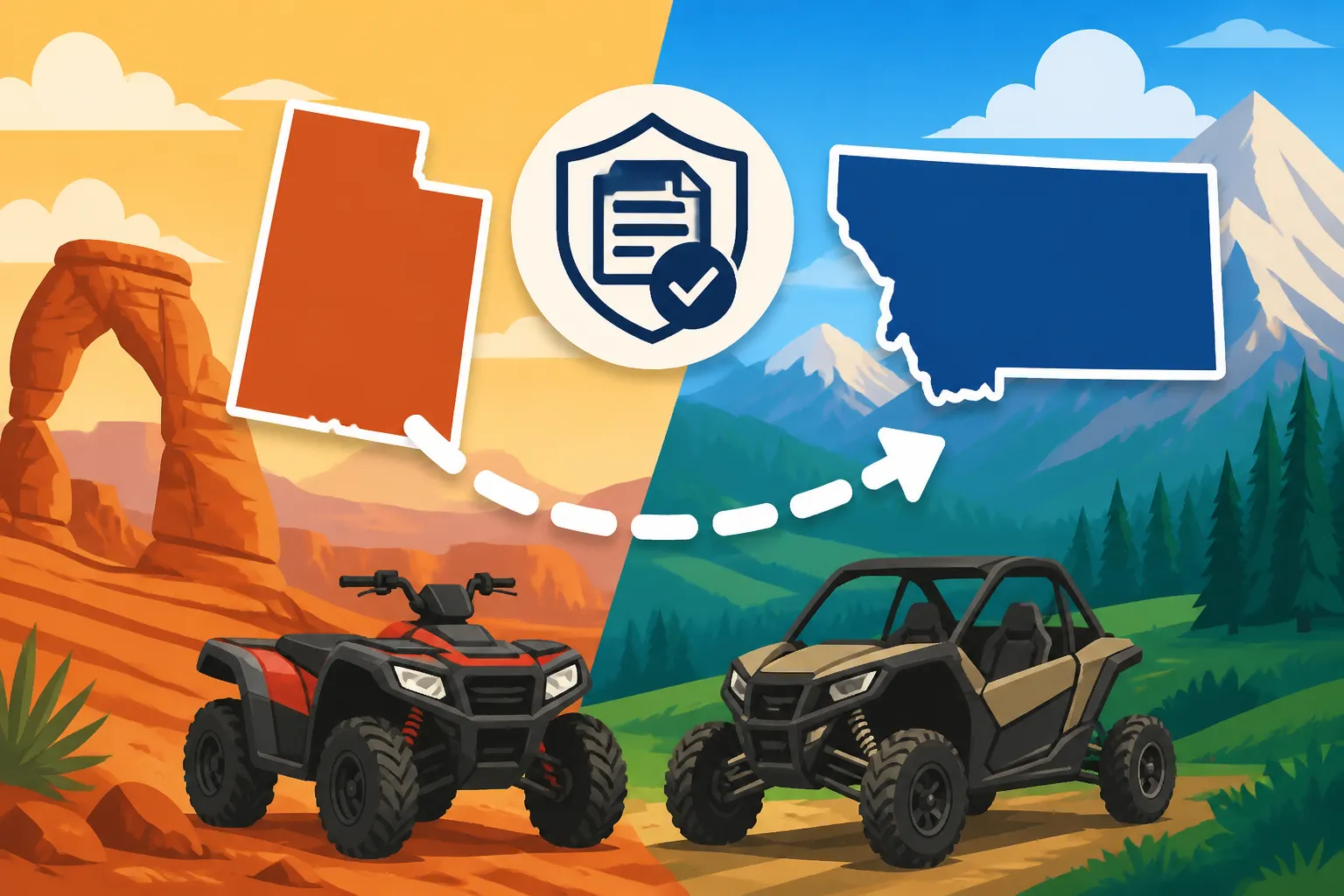
At its core, the Montana LLC strategy involves creating a legal entity—a Limited Liability Company—in Montana. The reason Montana becomes the state of choice for this particular maneuver is simple: Montana does not have a state sales tax, nor does it impose certain recurring personal property taxes on vehicles that many other states do. When you purchase your ATV or UTV, instead of titling and registering it directly in your name in Utah, you would instead title and register it in the name of your newly formed Montana LLC.
The theory behind this is that since the LLC is a Montana entity, and the vehicle is owned by that entity, the vehicle is then subject to Montana’s tax and registration laws, not your home state’s. This would, in theory, allow you to avoid paying Utah sales tax on the purchase of the machine, as well as the annual uniform fees and registration costs associated with owning an OHV directly in Utah. It’s a way for people to separate themselves, personally, from the ownership of the vehicle for tax purposes.
The Appeal to Utah Off-Highway Vehicle Owners
The appeal of this strategy to Utah residents is pretty straightforward when you look at the numbers and the structure of our state's fees. Utah has a state sales tax that applies to vehicle purchases, including ATVs and UTVs. Beyond that, OHV owners in Utah pay annual uniform fees, which are essentially a form of property tax based on the age of your machine, plus the standard registration fees. These can add up significantly, especially on newer, more expensive machines. [Utah ATV Sales Tax and Uniform Fees] outlines these costs, and they are not insignificant.
Imagine you're buying a brand-new side-by-side. The sales tax alone could be thousands of dollars, depending on the purchase price. Then, each year, you're looking at hundreds more in uniform fees and registration. When you compare that to the idea of a one-time LLC setup fee and minimal, if any, ongoing vehicle taxes in Montana, the financial incentive appears quite strong. It's an understandable frustration for riders to feel like they're being nickel-and-dimed, especially when they just want to enjoy our incredible trails. So, when a solution that promises to cut those costs comes along, it naturally garners a lot of attention.
Why Utah Residents Consider This Path
The allure of the Montana LLC isn't just about saving a few bucks; for many, it's about making a significant dent in the total cost of ownership over the lifespan of their off-highway vehicle. Utah's fee structure, while intended to fund trail maintenance and other OHV programs, can feel burdensome when you're writing those checks.
Avoiding Utah Sales Tax on Purchase
One of the biggest drivers for Utah residents looking at the Montana LLC is the desire to avoid paying state sales tax on the purchase of their ATV or UTV. When you buy a new machine from a dealer in Utah, or even a used one through a private sale if certain conditions are met, you're typically on the hook for sales tax. This can be a substantial upfront cost, especially for high-value machines. By having the Montana LLC purchase the vehicle, the transaction technically takes place in a state with no sales tax, thus avoiding that particular charge.
For example, if you buy a $30,000 UTV, a sales tax rate of around 7% would mean paying an extra $2,100 right off the bat. That's a lot of money that could go towards accessories, gear, or more fuel for trail riding! It's an immediate, tangible saving that makes the Montana LLC route look very attractive to many buyers. This is often the first and most compelling reason people start researching this option.
Circumventing Annual Utah Uniform Fees
Beyond the initial sales tax, Utah also imposes annual uniform fees on OHVs, which are essentially a form of property tax. These fees vary based on the age and original value of your machine, typically decreasing as the machine gets older, but they are still a yearly expense that adds up. [The Age-Based Uniform Fee on Utah OHVs] explains how these fees are calculated. For newer machines, these fees can be hundreds of dollars per year.
By having your OHV owned by a Montana LLC, the argument is that the machine is not subject to Utah's uniform fee because it's legally domiciled in Montana. This removes a recurring cost from your budget, year after year. While an individual year's saving might not seem as dramatic as the sales tax, over five or ten years, these cumulative savings become quite significant. Riders understand that ownership costs aren't just about the purchase price, but about the total financial commitment over time, and these ongoing fees contribute heavily to that.
Concerns About Personal Property Taxes
Some Utah residents also worry about personal property taxes on vehicles, which, while covered by the uniform fee for OHVs, can be a concern for other types of vehicles. The Montana LLC offers a perceived shield against any form of state-level personal property taxation. This isn't just about current laws; it's also about a feeling of future-proofing, fearing that new taxes or fees might be introduced.
The underlying motivation is often a desire for financial efficiency and a feeling of fairness. People want to enjoy their recreational vehicles without feeling like the state is taking an excessive cut, especially when they're already contributing to trail upkeep through other means. The Montana LLC seems to offer a clear path to achieving that financial relief, making it a hot topic in many riding communities.
The Mechanics of Setting Up a Montana LLC
If you're considering this strategy, it's important to understand the actual steps involved in setting up and maintaining a Montana LLC. It's not as simple as just saying "Montana LLC" and magically avoiding all taxes. There's a legal process involved, and it does come with its own set of administrative tasks and costs.
Forming the LLC in Montana
The first step is to officially form an LLC in the state of Montana. This involves filing Articles of Organization with the Montana Secretary of State. You'll need to choose a unique name for your LLC and appoint a registered agent who has a physical address in Montana. This registered agent is crucial because they will be the official point of contact for legal and tax correspondence for your LLC. Many companies specialize in providing registered agent services for out-of-state residents forming Montana LLCs. Services like LawDepot can assist with the formation documents, ensuring everything is filed correctly according to Montana state law.
You'll also need to draft an operating agreement for your LLC, which outlines how the company will be managed, who the members are, and their respective ownership percentages. Even if you're the sole member of the LLC, an operating agreement is a vital internal document. This isn't just about paperwork; it's about creating a legitimate legal entity that will technically own your OHV.
Registering Your OHV Under the LLC's Name
Once your Montana LLC is officially formed and active, the next step is to purchase your ATV or UTV and have it titled and registered in the LLC's name in Montana. This means that the bill of sale for the OHV will list your Montana LLC as the buyer, not you personally. [How to Register an ATV or UTV in Utah] provides a good contrast to what this process looks like in your home state, highlighting the differences in where the paperwork is filed.
You’ll then submit the necessary documents to the Montana Department of Justice's Motor Vehicle Division to title and register the machine. This will involve providing proof of ownership (the bill of sale), the LLC's information, and possibly an odometer disclosure if applicable. Once approved, Montana will issue a title and registration for the OHV to your LLC. This is where the physical distinction happens, as the OHV now has Montana paperwork.
Ongoing Maintenance and Costs of the LLC
It’s easy to focus on the initial tax savings, but it's crucial to remember that an LLC is a legal entity that requires ongoing maintenance and incurs its own costs. You'll have annual report filings with the Montana Secretary of State, which come with a filing fee. You'll also continue to pay for the registered agent service, which is a recurring annual expense. Depending on how your LLC is structured and managed, there could be other administrative tasks and potential accounting costs.
Some people might think they can set it and forget it, but ignoring these ongoing requirements can lead to the dissolution of your LLC or other legal complications. It's important to factor these administrative costs into your overall savings calculation to get a realistic picture of the financial benefit. For many, a tool like LawDepot can help keep track of these annual requirements, reducing the chance of missed deadlines.
The Legal Landscape: Utah Residency and OHV Domicile
Here's where the rubber truly meets the road, and where many of the perceived benefits of the Montana LLC strategy begin to face scrutiny, especially for Utah residents. While setting up an LLC in Montana is perfectly legal, the critical question becomes whether that LLC can legally exempt a Utah resident from Utah taxes and fees when the OHV is primarily used and stored in Utah.
Utah's Residency and OHV Registration Laws
Utah law is quite clear: if you are a resident of Utah and your off-highway vehicle is primarily operated, maintained, or stored within the state, it must be registered in Utah. This isn't about where the paperwork for the machine's ownership technically resides; it's about where the machine physically exists and is used. [The Montana LLC Question Utah Owners Keep Asking] often stems from this conflict. Utah's tax code and vehicle registration laws are designed to apply to vehicles physically located and utilized within its borders by its residents.
The concept of "domicile" for a vehicle owned by an LLC becomes central. While the LLC itself is domiciled in Montana, the physical domicile of the OHV is arguably wherever it spends most of its time. If your ATV or UTV is sitting in your garage in Sandy, Utah, and you ride it primarily on Utah trails, then from Utah's perspective, it's a Utah-based machine. Simply owning it through an LLC in another state doesn't automatically change its physical location or the residency of the person primarily benefiting from its use.
The Risk of Audit and Penalties
Utah, like many other states, is well aware of the Montana LLC strategy. State tax authorities and law enforcement agencies are increasingly vigilant about identifying residents who use out-of-state LLCs to avoid local taxes and fees. If Utah tax authorities or the DMV determine that your OHV should have been registered in Utah, you could face significant penalties.
These penalties might include:
- Back taxes and fees: You could be required to pay all the sales tax and uniform fees you would have owed if you had registered the machine in Utah from day one, plus interest.
- Fines: Additional fines can be levied for non-compliance.
- Registration penalties: Your machine could be considered unregistered in Utah, leading to fines if encountered by law enforcement on trails or roads. [Penalties for Riding Unregistered in Utah] highlights the repercussions for this.
- Legal costs: You might incur legal fees if you choose to contest the state's findings.
Imagine being pulled over on a Utah trail, and the ranger checking your registration. If they see a Montana plate and you explain it's owned by an LLC, they might investigate further, especially if your Utah driver's license indicates you're a resident and the machine is clearly used locally. [What a Utah Trooper Checks at a Trailhead] confirms that proper registration is always on their checklist.
Gray Areas and Legal Interpretation
It's important to understand that there's a difference between what might be considered a "loophole" and what is outright tax evasion. While some argue that structuring ownership through an LLC is simply taking advantage of legal distinctions between states, Utah's intent is to collect revenue from vehicles used by its residents within its borders. The "gray area" often comes down to individual circumstances and the strict letter of the law versus its spirit.
For example, if you legitimately live in Montana for part of the year, or if the OHV is truly stored and used primarily in Montana, the argument for Montana registration might be stronger. However, for a full-time Utah resident whose OHV rarely leaves the state, the argument becomes significantly weaker. It often boils down to a risk assessment, and understanding that what seems like a simple workaround can have complex legal implications.
Potential Risks and Downsides for Utah Owners
While the promise of saving on taxes and fees is appealing, the Montana LLC route isn't without its own set of potential pitfalls and disadvantages for Utah residents. It’s crucial to weigh these against the perceived benefits before making a decision.
Legal Challenges and Enforcement
As mentioned, Utah and other states are increasingly vigilant. There have been instances where states have actively pursued residents using out-of-state LLCs, especially for high-value recreational vehicles. The legal precedent often hinges on the concept of situs (where the property is located) and the owner's residency. If your OHV is physically located in Utah, Utah has a legitimate claim to tax it, regardless of where its paper owner (the LLC) is based.
This means you could find yourself in a legal battle with the state's tax commission, facing audits, demands for back taxes, and penalties. The cost of legal representation alone could quickly eclipse any savings you might have achieved on taxes and fees. It's a significant gamble, and while some people may have gone years without issues, the risk remains. It's not a foolproof shield against state scrutiny.
Insurance Complications
Getting insurance for an OHV owned by a Montana LLC but primarily used in Utah can also become complicated. Most insurance policies require the vehicle to be registered and domiciled in the same state as the policyholder's primary residence to avoid issues. If you have an incident or accident with your OHV, and your insurance company discovers that the vehicle is owned by a Montana LLC, but you, a Utah resident, are the primary operator and the machine is stored in Utah, they could potentially deny a claim.
Insurance companies are in the business of assessing risk, and a discrepancy in where a vehicle is registered versus where it's actually used and by whom can be seen as a misrepresentation, potentially voiding your coverage. This is a huge risk, as a significant accident could lead to substantial financial liabilities without proper insurance coverage. Always discuss this specific scenario with an insurance professional to understand the implications for your coverage.
Financing and Loan Considerations
If you financed the purchase of your ATV or UTV, the lender will typically require the vehicle to be titled in your name (or a joint name) and registered in your state of residence. Most lenders are hesitant to finance a vehicle that is titled to an out-of-state LLC, especially if you, the individual, are the borrower and resident of a different state. This is because it complicates their ability to secure their lien on the vehicle if a default occurs.
You might find it difficult to get a traditional loan if you insist on titling the machine under a Montana LLC. Some might try to pay cash to avoid this, but for those needing financing, this can be a major roadblock. It adds another layer of complexity to the purchase process that many don't anticipate.
Administrative Burden and LLC Costs
While we touched on this earlier, it bears repeating: maintaining an LLC involves an ongoing administrative burden and associated costs. You'll need to keep up with annual reports, registered agent fees, and potentially other compliance requirements for the state of Montana. Neglecting these can lead to the LLC being dissolved, which could then throw your OHV ownership into question.
The fees for these services might seem small individually, but they add up over time. When you factor in the initial setup costs, the annual registered agent fees, and any state filing fees, you might find that the "savings" are not as substantial as they first appeared, especially for lower-value machines. For example, [Utah OHV Registration Fees, Start to Finish] breaks down Utah's straightforward registration process, which has far fewer moving parts than maintaining an out-of-state LLC.
| Feature | Utah Personal Registration | Montana LLC Registration (for Utah Resident) |
|---|---|---|
| Sales Tax | Yes, on purchase | No (for LLC purchase in Montana) |
| Annual Uniform Fee | Yes, based on age/value | No (for LLC-owned machine in Montana) |
| Initial Cost | Sales tax, title fee, registration fee | LLC formation fee, registered agent fee, title fee |
| Ongoing Cost | Annual registration fee, annual uniform fee | Annual LLC filing fee, annual registered agent fee |
| Admin Burden | Simple annual renewal | Annual LLC filings, compliance with MT law |
| Legal Risk (UT) | Low, if compliant | Moderate to High (potential for UT audit/penalties) |
| Insurance | Straightforward | Potentially complex, claim denial risk |
| Financing | Standard | Can be difficult, lenders may refuse |
Resale Value and Transfer Issues
When it comes time to sell your OHV, you'll be selling it as the Montana LLC, not as an individual. This can add a layer of complexity for potential buyers, especially if they are also Utah residents and want to register it in their personal name in Utah. They might be wary of buying from an out-of-state LLC, and the process of transferring the title from the LLC back to an individual (or to another LLC) can sometimes be more involved.
There's also the question of proving clear title history if the LLC has not been meticulously maintained. Any buyer will want reassurance that the title is clean and the transfer is legitimate. [Selling an ATV in Utah: Title and Bill of Sale] outlines the simpler process when an individual sells directly to another individual within the state.
Legitimate Alternatives for Utah Riders
If the Montana LLC route feels too risky or complicated for your situation, don't despair! There are legitimate, legal ways to manage the costs and responsibilities of owning an OHV in Utah, ensuring you can enjoy our incredible trails without unnecessary stress or legal headaches.
Understanding Utah's Fee Structure
The first step is to really understand [What the Utah OHV Registration Fee Pays For]. These fees contribute directly to the maintenance, improvement, and expansion of Utah's vast OHV trail system, as well as educational and safety programs. While no one loves paying taxes, knowing that your dollars are going towards the very trails you ride can sometimes soften the blow. Budgeting for these known costs, rather than trying to avoid them, often leads to greater peace of mind.
For example, the initial sales tax is unavoidable for most purchases, but the annual uniform fee is clearly laid out and predictable. You can factor these into your overall budget for your machine. When you're looking at [Utah OHV Registration Cost for One Machine], consider it an investment in the riding opportunities our state provides.
Buying Used and Budgeting Wisely
One of the most effective ways to save money is to consider buying a used ATV or UTV. The sales tax burden is typically lower on a used machine because the purchase price is lower. Additionally, the uniform fees in Utah decrease as the machine ages, so a slightly older, well-maintained used machine will cost less in annual fees than a brand-new one. [Buying a Used ATV in Utah: The Paperwork] explains the process for pre-owned machines.
Beyond the initial purchase, wise budgeting for accessories, maintenance, and regular registration renewals can prevent sticker shock. Think about what you truly need versus what would be nice to have, and prioritize accordingly. This approach allows you to enjoy the sport without overextending your finances or resorting to strategies that carry significant risk.
Exploring Exemptions for Specific Use Cases
While not applicable to everyone, there are some specific exemptions within Utah's OHV laws that might reduce your costs. For instance, machines used exclusively for agricultural purposes on private land may have different registration requirements or exemptions. Similarly, some government or volunteer machines may be exempt. [Farm and Ranch Exemptions in Utah OHV Law] provides details on these specific situations.
It's important to research these thoroughly and ensure your situation truly qualifies. Attempting to claim an exemption when your machine is primarily used for recreation would be incorrect and could lead to issues. However, if your use case genuinely fits, these exemptions are fully legal and designed for specific scenarios.
Consult with Local Professionals
When in doubt about the legalities and financial implications of any vehicle ownership strategy, your best bet is always to consult with professionals who are licensed in Utah. Talk to a Utah-licensed tax advisor, an attorney specializing in vehicle and property law, or even staff at the Utah DMV directly. They can provide accurate, up-to-date information specific to your situation.
While online forums and advice from fellow riders can be helpful, they don't replace professional counsel. A tax advisor can help you understand the full scope of your tax obligations as a Utah resident, while an attorney can explain the nuances of vehicle domicile and state enforcement. Getting clear, professional guidance upfront can save you a lot of grief and money down the road, ensuring you're fully compliant with Utah law and can ride our amazing trails worry-free.
Disclaimer
This article is for general informational purposes only and does not constitute professional advice. Laws, prices and regulations vary by location and change over time. Consult a qualified professional for guidance on your specific situation.