What to Give a Buyer When You Sell an ATV
Selling your trusty ATV or UTV can feel like a major hurdle, especially when you're trying to figure out exactly what paperwork changes hands. You've found a buyer, shaken on a price, and now you're staring at a stack of documents, wondering which ones are absolutely critical for a smooth transaction and which ones are just nice to have. This guide is here to walk you through every piece of information and physical item you should provide to a buyer when you sell an off-highway vehicle (OHV) in Utah, ensuring a clean break for you and a hassle-free start for them.
The Absolute Must-Haves: Title and Bill of Sale
When you're selling an ATV or UTV in Utah, there are two documents that are non-negotiable for a legal and smooth transfer of ownership: the Certificate of Title and a Bill of Sale. Without these, the buyer will face significant headaches trying to register the machine in their name, and you could be left with lingering liability.
The Signed-Over Certificate of Title
The Certificate of Title is the legal document that proves ownership of your ATV or UTV. Think of it as the deed to your machine. For any OHV manufactured in 1988 or newer, Utah law generally requires a title. This is absolutely crucial for the buyer to be able to register the OHV in their name. If you don't have this document, the buyer won't be able to easily prove they own the machine, and the Utah Division of Motor Vehicles (DMV) won't process their new registration.
When you hand over the title, it's not just a matter of giving them the paper. You, as the seller, need to properly sign over the title in the designated sections. This typically involves signing your name (and any other listed owners), printing your name, and often providing the odometer reading if the machine has one. Make sure you fill out the buyer's name and address accurately as well. Any mistakes or omissions on the title can void the transfer, sending both you and the buyer back to the DMV to fix it. This is where attention to detail really matters; incorrect signatures or missing information are common pitfalls. It’s also wise to ensure the vehicle identification number (VIN) on the title matches the VIN on the actual machine, avoiding any last-minute surprises for the buyer. If you've ever had the frustrating experience of trying to get paperwork corrected at the DMV, you'll know why getting it right the first time is so important. For more on what Utah expects, check out [Signing Over a Utah OHV Title Correctly].
What if you've lost the title? This happens more often than you might think. Don't panic, but don't proceed with the sale without addressing it. You'll need to apply for a duplicate title from the Utah DMV before you can legally transfer ownership to the buyer. This process takes time and often a small fee, so it's best to get started on it as soon as you decide to sell. A buyer expecting a title won't be happy if you can't produce it, and legally, they shouldn't buy a titled machine without one. For details on how to handle this, refer to [Replacing a Lost ATV Title in Utah].
A Comprehensive Bill of Sale
Beyond the title, a bill of sale is an incredibly important document for both the buyer and the seller. While the title proves ownership, the bill of sale documents the transaction itself. It's a record of what was sold, for how much, and on what date. In Utah, a bill of sale doesn't always need to be notarized, but it's highly recommended for extra legal protection for both parties. It adds an extra layer of authenticity and can prevent disputes down the road. If you're wondering about notarization, you might find [Do You Need a Notarized Bill of Sale in Utah?] helpful.
What exactly should a bill of sale include? At a minimum, it should clearly state the names and addresses of both the seller and the buyer, the date of the sale, the purchase price, and a detailed description of the ATV or UTV. This description should include the make, model, year, color, and most importantly, the Vehicle Identification Number (VIN). The VIN is paramount for clearly identifying the specific machine being sold and ensuring there's no confusion later. You can find many templates for a bill of sale online, or utilize services like LawDepot to generate a legally sound document specific to your needs. A good bill of sale protects you from claims that the buyer didn't get what they paid for, and it protects the buyer by proving they legally acquired the machine. For a full breakdown, see [Bill of Sale Requirements for a Utah ATV Sale].
Having a clear, detailed bill of sale also helps the buyer when they go to register the machine and calculate sales tax. The purchase price on the bill of sale will be used to determine the sales tax amount they owe, along with the uniform fee. Without it, the DMV might have to estimate, which can sometimes lead to unexpected costs for the buyer. Furthermore, if you're ever questioned about the machine's ownership after the sale, the bill of sale is your proof that you no longer own it, helping to shield you from liability.
Beyond the Basics: Other Important Documents and Items
While the title and bill of sale are the absolute necessities, there are other documents and physical items that you should consider providing to the buyer to make their transition smoother and reinforce your credibility as a seller. These might not be legally required for transfer, but they contribute significantly to a positive experience for everyone involved.
Current Registration and Decal
Even though the buyer will need to register the ATV or UTV in their own name, providing them with your current registration card is a good idea. It shows that the machine was legally registered and ridden recently. While they can't use your registration, it gives them immediate proof of the VIN and other details that they'll need for their own paperwork. Plus, if they're riding the machine home from your place, having proof of some registration (even if it's yours) is better than nothing, though they should ideally register it right away. However, it's critical to understand that your registration doesn't transfer. They need their own.
When you sell an OHV, your primary responsibility regarding registration is to make sure you cancel it once the sale is complete. This prevents you from being held accountable for any incidents involving the machine once it's out of your hands. For more on this, check out [Canceling Registration After Selling Your Quad]. The current decal on the machine is also something to leave on. It indicates past compliance and can serve as a visual confirmation of the machine's history. The buyer will receive a new decal once they successfully register the OHV in their name.
Owner's Manual and Service Records
Imagine buying a new-to-you machine and having no idea how to operate its specific features, or what the factory-recommended maintenance schedule looks like. That's why the owner's manual is a huge bonus for any buyer. It contains essential information about operating the machine safely, maintenance schedules, fluid capacities, and troubleshooting tips. Even if it's a bit battered, it's an invaluable resource. If you've kept any service records—whether from a dealership or your own meticulous notes about oil changes, tire rotations, or parts replacements—these are also fantastic to pass along.
Providing service records demonstrates that you've taken good care of the machine, which can increase the buyer's confidence in their purchase. It shows them the history of the machine's care, helps them plan future maintenance, and confirms that regular upkeep has been performed. This is especially true if you've had significant work done, like a transmission overhaul or engine rebuild. These records add transparency and value to the sale. A buyer might even be willing to pay a little more for a machine with a documented history of proper maintenance.
Keys and Any Extra Accessories
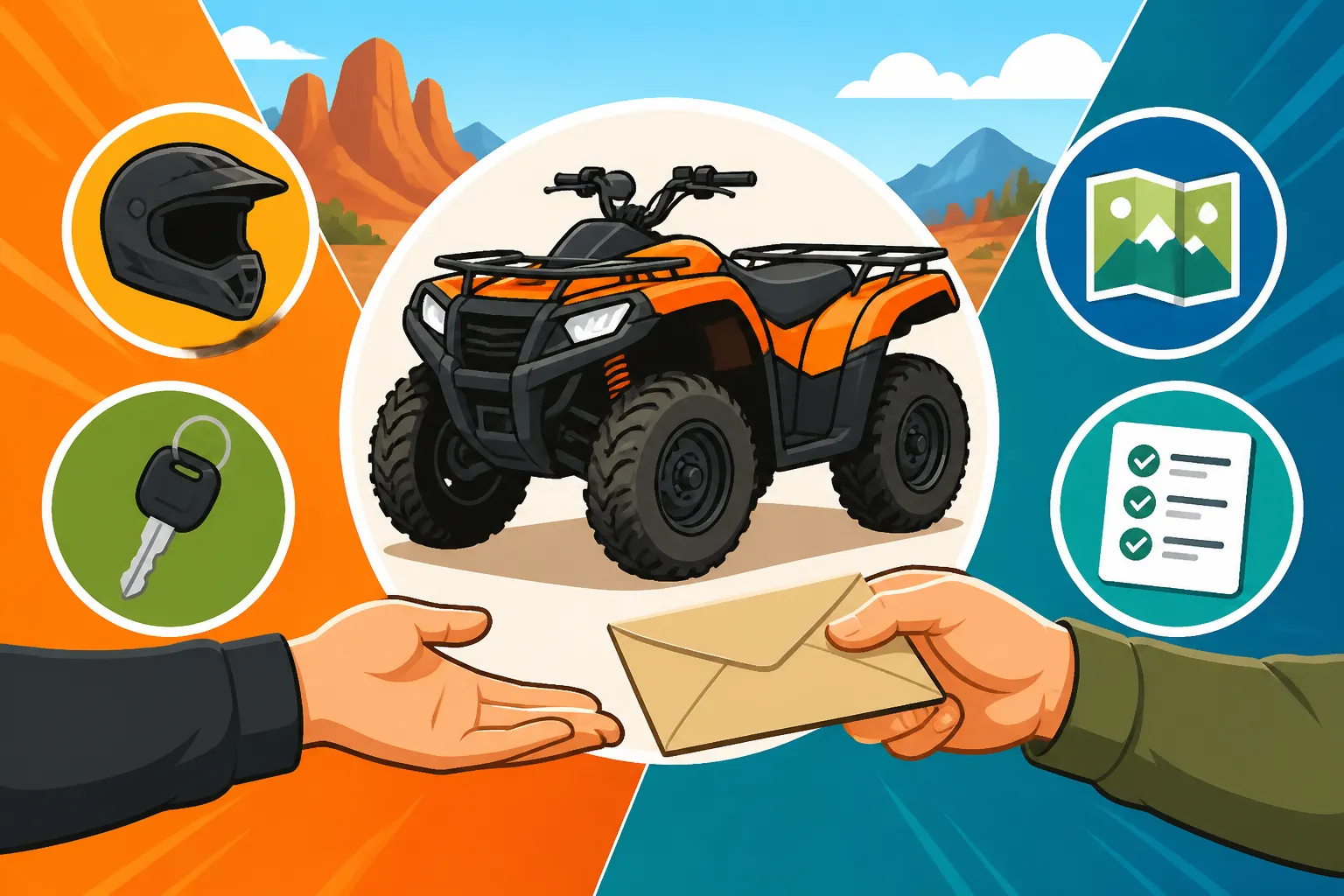
This might seem obvious, but make sure you hand over all sets of keys you have for the ATV or UTV. If there are any locks on storage compartments, a trailer hitch, or even a security device, all corresponding keys should go to the new owner. It's a small detail that makes a big difference in convenience.
Beyond the essentials, if you're including any accessories in the sale, such as a winch, snow plow, extra tires, a cargo box, or even a helmet you're throwing in as part of the deal, ensure these are clearly listed on the bill of sale. This prevents any misunderstandings later. Delivering on these agreed-upon extras helps build trust and leaves the buyer feeling satisfied with their purchase. It's all part of the comprehensive handover that ensures a smooth transaction.
What to Do After the Sale for Your Own Protection
Your responsibility doesn't entirely end when the money changes hands and the documents are signed. There are a few crucial steps you should take after the sale to protect yourself from any potential issues down the road. This is about ensuring a clean break and confirming that the machine is no longer your legal liability.
Keep Copies of All Documents
This is perhaps one of the most important post-sale steps you can take. Make photocopies or take clear photos of everything you give to the buyer: the signed-over title, the bill of sale, and any other relevant documents. This includes both your signature and the buyer's signature. Having these copies provides you with a crucial record of the transaction. If there's ever a dispute about ownership, the sale date, the purchase price, or even the condition of the machine at the time of sale, your copies are your primary defense.
Imagine a scenario where the buyer never registers the ATV, and it's later involved in an incident. Without your copies, it might be difficult to prove that you no longer own the machine. These records are your shield against potential legal headaches, unpaid tickets, or even liability if the machine is involved in an accident after you've sold it. Make sure you store these copies in a safe place, both digitally and physically, if possible. Services like LawDepot that generate documents often provide digital copies for your records, which is a convenient feature. It's all part of ensuring you have peace of mind once the transaction is complete. For a checklist approach to your paperwork, consider [A First-Time Buyer's OHV Paperwork Checklist in Utah], which might help you think of what to keep.
Cancel Your Registration
As mentioned earlier, once the sale is final, you need to cancel your OHV registration with the Utah DMV. This officially removes the machine from your name in the state's records. Failing to do so can leave you potentially liable for issues related to the machine, such as fines for improper riding if the new owner isn't responsible, or even accidents. Your registration fees are for your use of the machine, and once you sell it, that responsibility passes to the buyer.
The process of canceling registration is usually straightforward. You can typically do it online through the Utah DMV website or by visiting a DMV office. It's a quick step that saves you from potential future hassles. Don't assume the buyer will immediately register it; take the proactive step to protect yourself. This also frees up your registration records, preventing confusion.
| Document/Item | Importance Level | What it Does for the Buyer | What it Does for the Seller |
|---|---|---|---|
| Signed-Over Title | Essential | Proves ownership, required for registration | Confirms transfer of ownership, removes liability |
| Bill of Sale | Essential | Proof of purchase, establishes terms, determines sales tax | Records transaction, protects from disputes, defines sales terms |
| Current Registration | Helpful | Provides VIN and details for their own registration | Shows previous compliance, but must be canceled |
| Owner's Manual | Very Helpful | Guides operation, maintenance, and troubleshooting | Enhances value, shows care for the machine |
| Service Records | Very Helpful | Shows maintenance history, builds confidence | Justifies value, demonstrates responsible ownership |
| All Keys | Essential | Allows full use of the machine and accessories | Completes the physical transfer |
| Accessories | As agreed | Adds value and utility to their purchase | Completes the agreed-upon sale package |
Notify Your Insurance Company
If you had insurance on your ATV or UTV, be sure to notify your insurance company immediately after the sale. You'll want to cancel the policy or remove the machine from your existing coverage. Continuing to pay for insurance on a machine you no longer own is a waste of money, and it can also create complications if an incident occurs and the machine is still listed under your policy.
Your insurance company will likely require proof of the sale, which is another reason why keeping copies of your bill of sale and signed title is so important. A quick phone call or online form submission is usually all it takes to update your policy. This ensures that your financial responsibilities for the machine are completely severed, giving you full peace of mind. While Utah doesn't always require insurance on OHVs for trail riding, if you made the machine street-legal, it definitely would have had coverage. For more on this, you might look at [When Utah Requires Insurance on an OHV].
Selling an ATV or UTV can be a rewarding experience, especially when you know you've done everything correctly. By providing the essential title and bill of sale, and considering the helpful extras, you ensure a smooth process for the buyer and safeguard yourself from future complications. Taking these steps sets everyone up for success and gets your machine happily on its way to new adventures with its new owner.
Disclaimer
This article is for general informational purposes only and does not constitute professional advice. Laws, prices and regulations vary by location and change over time. Consult a qualified professional for guidance on your specific situation.