Does a Passenger Need a Certificate?
A passenger in a Utah ATV or UTV generally does not need an OHV education certificate just to ride. The key distinction is whether someone is a passenger or operating the machine. This article explains how that difference works, what families and visitors should check, and why a passenger still needs a safe, legal seat.
Does an ATV or UTV passenger need an education certificate?
Generally, no. Utah’s OHV education certificate is an operator requirement, not a passenger permit. A person who rides along without driving does not need a certificate solely because they are aboard.
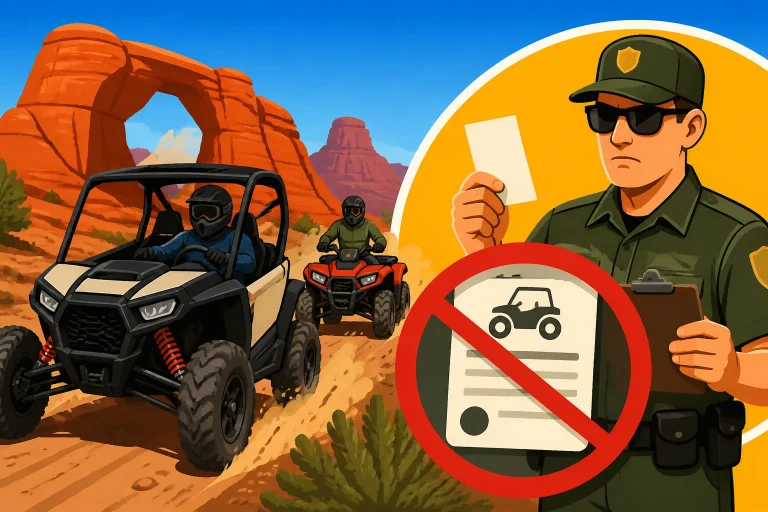
That distinction matters because Utah has several separate OHV requirements that can sound like they apply to everyone in a group. A certificate relates to a person operating a machine. A nonresident OHV permit, when required, relates to the machine being used. Registration and trail-access rules are separate again.
| Requirement | Usually applies to | What to keep in mind |
|---|---|---|
| OHV education certificate | A qualifying operator | A passenger does not need one just to ride |
| Nonresident OHV permit | The OHV, when required | It is not a substitute for an operator’s certificate |
| Registration or other machine documentation | The OHV | Carry what applies to the machine and your trip |
| Passenger age and seating rules | The passenger and machine | A certificate does not make an unsafe or unsuitable passenger setup acceptable |
If a passenger takes the controls, even briefly, they are no longer acting only as a passenger. They may need to meet Utah’s requirements for an operator, including any applicable education requirement. Don’t assume that a passenger can drive a short distance without checking the rules first.
For more on the certificate itself, see The Utah OHV Education Certificate. The rules can depend on factors such as a rider’s age and circumstances, so operators should confirm what applies to them rather than relying on a passenger’s status or another person’s paperwork. Age Limits in Utah OHV Education Law explains why a rider’s age can matter.
What passengers should check before the ride
Not needing a certificate does not mean a passenger can ride in any seat or on any machine. The vehicle needs to be designed to carry that passenger, and the rider should be able to use its safety equipment properly.
Confirm the machine has a passenger seat
Check the manufacturer’s seating configuration and occupant limit. A passenger should use a seat intended for passengers, not perch on a cargo area, fender, lap, or other improvised spot. On an ATV, don’t assume that a second person can ride safely just because there is room. Some models are designed for one rider; others have a passenger seat and handholds. Follow the machine’s specifications.
On a UTV, use an available passenger seat and the restraint system intended for that position. Don’t exceed the stated capacity. If the machine is already full, a child or adult should not be squeezed in as an extra passenger.
A passenger’s ability to hold on and stay seated also matters. If the route involves steep grades, rough terrain, deep sand, or sudden changes in direction, consider whether the passenger can remain secure throughout the ride. If not, choose a different route or leave the passenger off that trip.
Use the safety equipment for that machine
Passengers should wear appropriate protective equipment, including a properly fitting helmet when required or recommended for the machine and circumstances. Eye protection can help keep dust and debris out. For UTVs, passengers should use the seat belt or other installed restraint as designed, and keep arms and legs inside the vehicle.
A helmet or belt doesn’t replace the need for a suitable seat. Nor does a certificate held by the driver make it safe to carry a passenger the vehicle was not designed to carry. If you are unsure about the machine’s capacity or equipment, check the owner’s manual and the current Utah rules before heading out.
Consider the passenger’s size and ability
A passenger should be able to sit in the intended position, reach or use the required restraints, and follow instructions. A young child who cannot fit safely in the seat or use its restraint system may not be ready for that machine, even if the trip is short. A passenger who is tired, frightened, or unable to stay seated can also create a safety risk.
For children, review the applicable rules and supervision requirements before choosing a machine or route. Supervision Rules for Young Utah Riders can help clarify the operator-side requirements, while the vehicle’s manual can help you assess whether a particular passenger can ride safely.
Visitors, families, and common misunderstandings
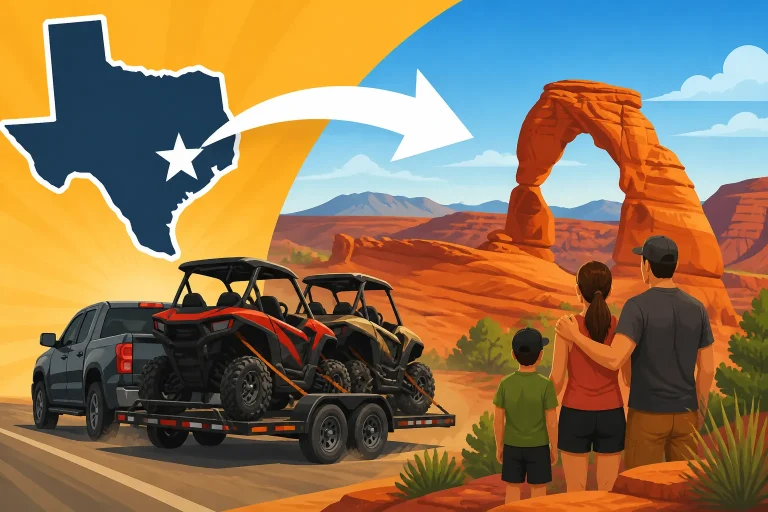
The passenger-versus-operator distinction is especially useful for families and visitors riding in Utah. One person may drive while others ride along, but each requirement still needs to be matched to the right person or machine.
A passenger’s certificate does not cover the driver
An operator cannot rely on a passenger’s certificate as a substitute for their own. If the person driving must have an education certificate, that requirement belongs to the driver. A passenger may hold a certificate, but it does not authorize another person to operate the OHV.
The reverse is also true: a passenger generally does not need to obtain an operator certificate just to ride. If they plan to switch places with the driver, however, they should check their own eligibility and documentation before taking the controls.
A permit and a certificate are not the same thing
Visitors sometimes confuse Utah’s nonresident OHV permit with the education certificate. They serve different purposes. A certificate is tied to an operator who must meet Utah’s education requirement. A nonresident permit is a separate requirement for qualifying machines used in Utah. It is not a driver’s license, and it does not qualify someone to operate an OHV who otherwise lacks the required certificate.
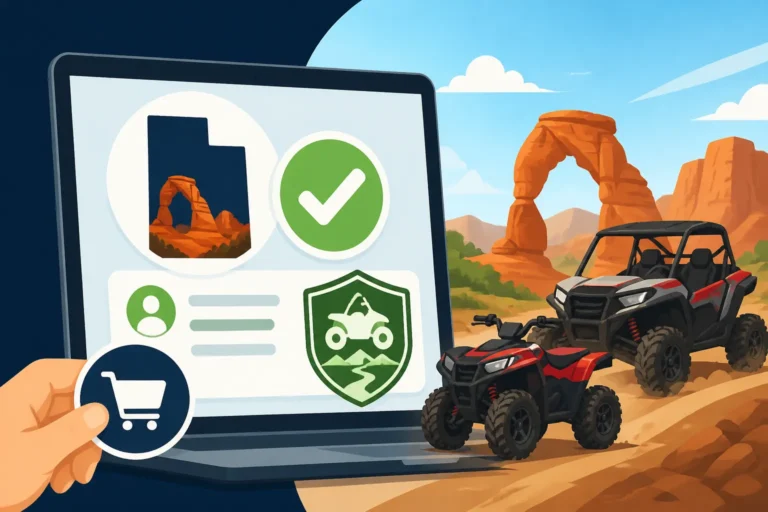
Before a trip, check whether the machine needs a permit and whether the person who will drive needs an education certificate. Who Needs a Utah Non-Resident OHV Permit covers the permit question. For a broader visitor overview, see Utah OHV Rules for Visiting Families and Utah Ended OHV Reciprocity: What Visitors Do Now.
Rental paperwork does not settle every question
If you rent an ATV or UTV, ask the rental provider what documentation and safety equipment are included and what requirements apply to the driver and passengers. A rental company’s permit or paperwork may address the machine, but it should not be treated as proof that every person in the group meets every operator requirement. Does a Rental Shop’s Permit Cover You? discusses that distinction.
Also ask the provider about passenger capacity, minimum passenger age, seat belts, helmets, and route restrictions. The rental company’s policies may be more restrictive than the general rules, and the contract may limit where the machine can go. Follow the machine’s instructions and the rental terms, not just what another group says is allowed.
Street-legal status does not turn a passenger into an operator
Some Utah OHVs may be configured and registered for road use, but that does not change the basic distinction: a passenger is not operating the machine simply by riding in it. A person who drives on a public road must meet the requirements that apply to that vehicle and driver. Street-legal status also does not mean the vehicle can carry more passengers than its seating configuration allows. See Street-Legal Vehicles and the Permit Question for the separate permit issue.
A practical pre-ride check
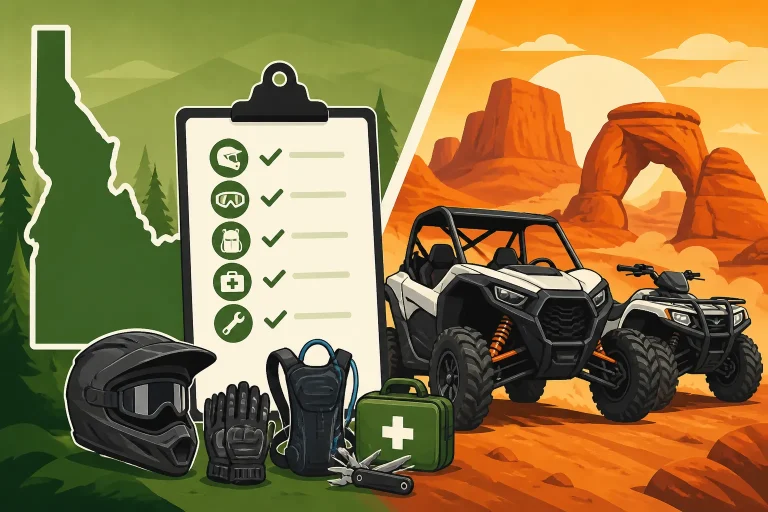
Before leaving the staging area, take a moment to check both the driver’s requirements and the passenger setup. This avoids the common mistake of treating a group’s paperwork as if it applies to everyone in the same way.
- Identify the operator. Confirm who will drive. If someone else may take over, check that person’s eligibility and any certificate requirement too.
- Check the machine’s documents. Confirm registration and any permit or other documentation required for the machine and the trip.
- Verify passenger capacity. Use only seats intended for passengers, and stay within the manufacturer’s occupant limit.
- Fit safety equipment. Make sure each passenger can use the appropriate helmet, belt, or other restraint correctly.
- Choose a suitable route. Consider the terrain, distance, weather, and passenger’s ability to stay secure and comfortable.
- Carry applicable proof. Operators should know what documentation they need to carry. Carrying Your Certificate and Permit on the Trail covers the practical question of having proof available.
A certificate is not a general pass for the whole group. It does not take the place of a machine permit, registration, safe seating, or any other applicable rule. Likewise, a passenger does not usually need an education certificate simply because they are riding along. If the passenger becomes the driver, reassess the requirements before continuing.
The safest approach is to decide roles before starting: who is driving, who is riding, and whether the machine is equipped for everyone aboard. If there is any doubt about a rider’s age, operator eligibility, or passenger seating, confirm the current requirements with an official Utah source or the rental provider before the ride.
Disclaimer
This article is for general informational purposes only and does not constitute professional advice. Laws, prices and regulations vary by location and change over time. Consult a qualified professional for guidance on your specific situation.