Registering an ATV Built From Two Machines
Registering a custom ATV built from two machines in Utah requires proving ownership with titles and bills of sale for both frames and engines.
Start here, or nothing else is legal.
Resident registration, titling and renewal, and public-use versus private-land fees — plus the age and safety-course rules that decide who may ride.
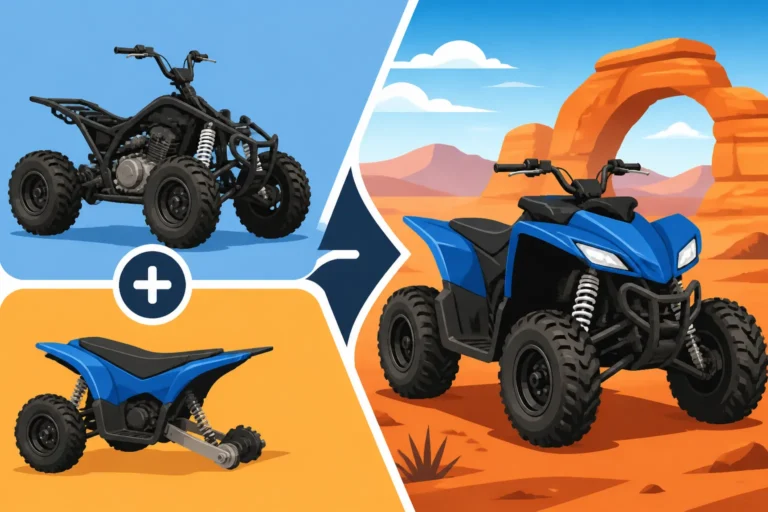
Registering a custom ATV built from two machines in Utah requires proving ownership with titles and bills of sale for both frames and engines.
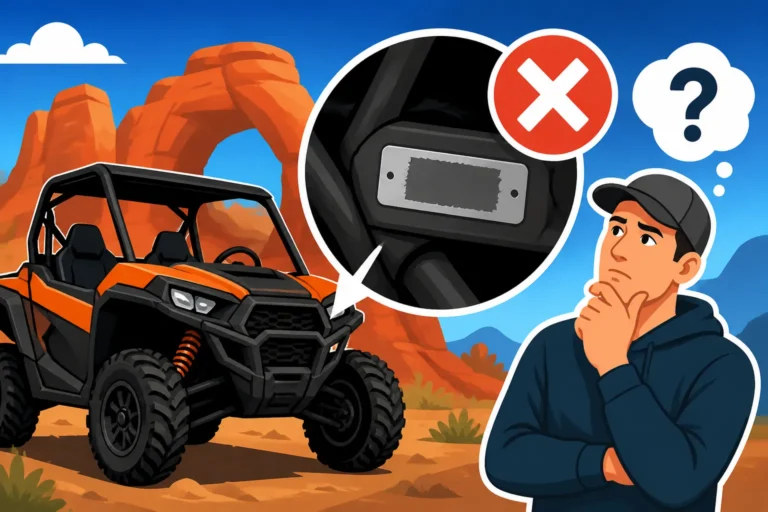
Missing ATV or UTV identification plates cause legal problems for Utah riders, halting vehicle registration and raising theft concerns.
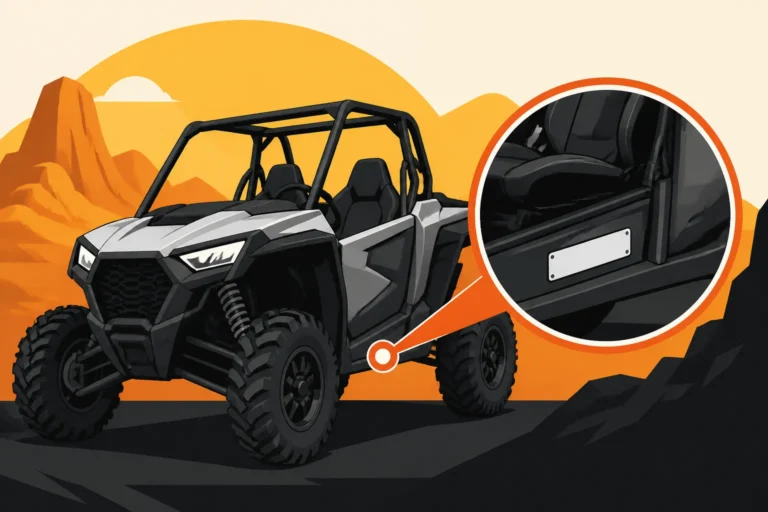
The vehicle identification number location on side-by-sides helps owners complete Utah DMV registration and insurance claims.
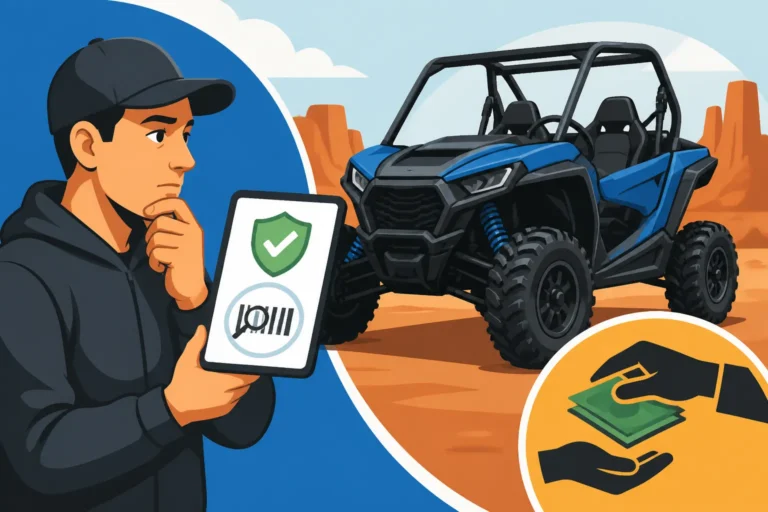
Running a used UTV Vehicle Identification Number check reveals theft history, accident damage, and active liens before you purchase.
Checking a used Utah ATV theft record prevents stolen purchases using databases like the National Crime Information Center.
A lien release process for a used Utah side-by-side explains how to contact lenders and clear vehicle titles at the DMV.
Selling a Utah UTV with an active bank loan requires paying the lender, releasing the lien, and transferring the title properly.
Common errors in Utah ATV title transfers cause legal limbo, registration delays, and ownership disputes for buyers and sellers.
Signing over a Utah OHV title correctly requires completing the transfer section to avoid DMV registration delays for buyers.
Utah ATV and UTV sales require handing over a signed certificate of title and a bill of sale to transfer ownership.