Riding With a Dog in a Side-by-Side
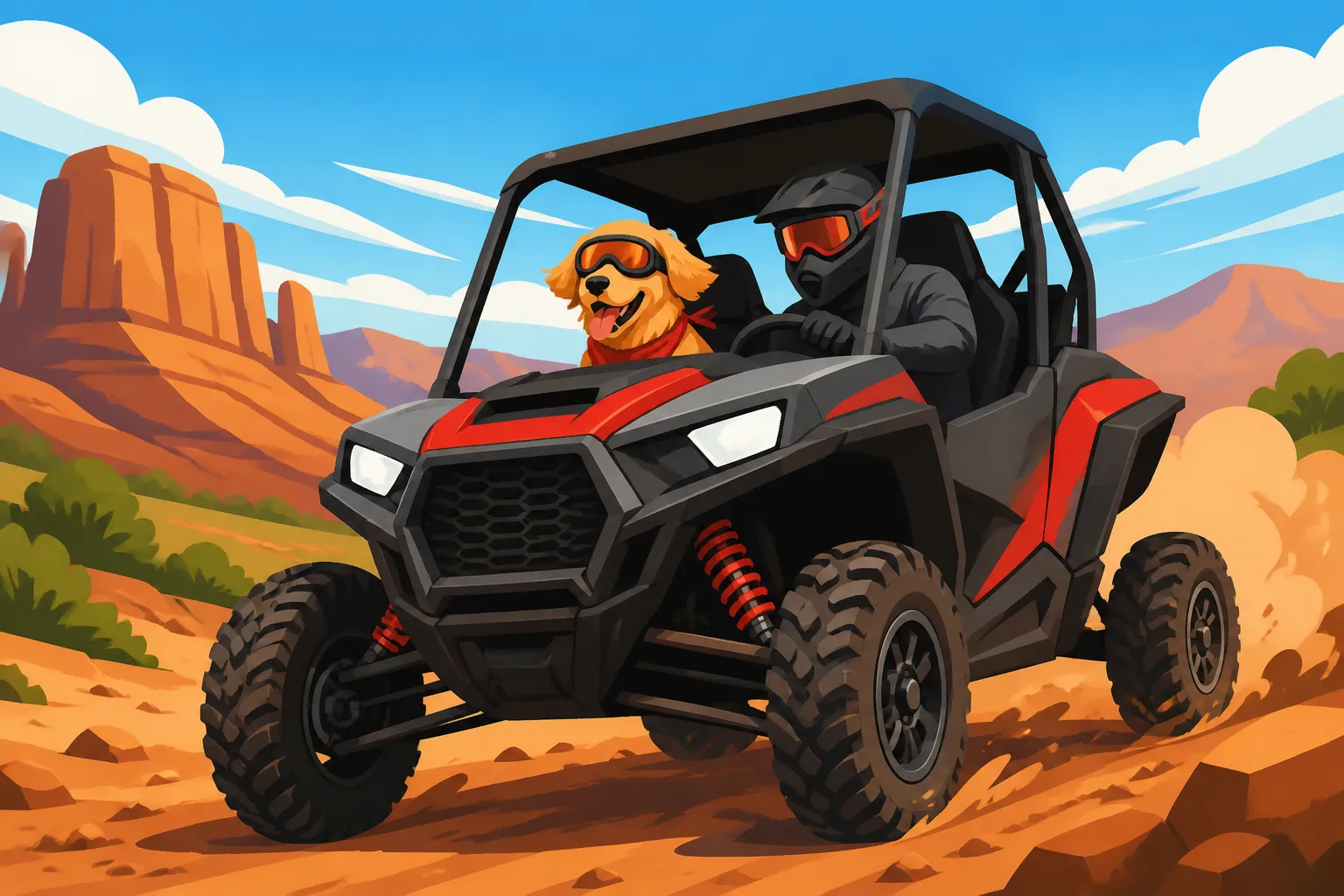
There's nothing quite like the open air, the rumble of an engine, and the stunning Utah scenery passing by from the seat of your side-by-side. For many of us, the only thing that could make that experience better is sharing it with our best furry friend. But bringing your beloved dog along for the ride in your ATV or UTV isn't as simple as just letting them hop in. You've got real concerns: their safety, their comfort, how they'll behave, and even what the local rules might be. This guide will walk you through everything you need to know to make your dog a safe, happy, and well-behaved trail companion, ensuring those shared adventures are memorable for all the right reasons.
Why Bringing Your Canine Companion Along is So Appealing (And the Challenges It Presents)
The bond we share with our dogs is truly special, and it's only natural to want to include them in every aspect of our lives, especially outdoor adventures. Your side-by-side isn't just a machine; it's a vehicle for exploration, and the thought of your dog riding shotgun, tongue lolling in the wind, is incredibly appealing. But while the dream is idyllic, the reality often comes with a set of practical challenges that need careful planning and consideration.
The Joy of Shared Adventure (and Why It's Not Always Easy)
Imagine pulling up to a breathtaking vista in the San Rafael Swell, your UTV humming gently, and looking over to see your dog's excited face, taking in the same expansive desert beauty. These are the moments that truly enrich our lives, making memories that last a lifetime. For active dog owners, leaving a companion behind can feel like leaving a part of the family at home, especially when you know they'd thrive in the outdoor environment. Our dogs offer an unparalleled enthusiasm for life, and their presence can amplify our own enjoyment of the trails. From the playful chase of a stick during a break to their comforting presence on a long ride, they add an invaluable dimension to our off-roading experiences.
However, the reality of a UTV ride is far from a leisurely stroll in the park. Side-by-sides are loud, dusty, bumpy, and often expose riders to varying temperatures and terrains. What might be exhilarating for us can be overwhelming or even dangerous for a dog if they're not properly prepared. The sudden movements, the constant vibration, and the sheer volume of the engine can cause anxiety in even the most stoic canine. Furthermore, unlike a human passenger who can brace themselves or vocalize discomfort, a dog's coping mechanisms are often more subtle, making it crucial for us to anticipate and mitigate potential issues before they arise.
Common Concerns for Pet Owners on the Trail
When you start thinking about bringing your dog on the trail, a whole laundry list of worries probably pops into your head. And you're right to be concerned! What if they jump out? What if a rock flies up and hits them? How will they handle the heat, or the cold? These aren't minor worries; they're legitimate safety concerns that need addressing proactively. The open nature of many side-by-sides, while great for visibility for humans, can be a major hazard for a dog that might try to investigate a passing bird or a new smell, potentially leading to a fall or injury.
Beyond the immediate physical risks, there are other considerations. Dust and debris can irritate a dog's eyes, nose, and respiratory system. The sun can quickly lead to overheating, especially for breeds with thick coats or brachycephalic (short-nosed) dogs. The loud engine noise and wind can damage their sensitive hearing over time. And let's not forget the potential for encountering wildlife or other trail users, which requires your dog to be exceptionally well-behaved and under control at all times. All these factors underscore the importance of preparation and appropriate gear to transform those worries into peace of mind.
Essential Gear for Safe and Comfortable Dog Riding in a UTV
Bringing your dog along for a side-by-side adventure requires more than just a leash and a water bowl. It means investing in specialized gear designed to protect them from the unique hazards of off-roading. Think of it like equipping yourself for a challenging ride: you wouldn't head out without proper safety gear, and your dog deserves the same level of protection. The right equipment can make all the difference between a stressful ordeal and a truly enjoyable experience for both of you.
Securing Your Dog: Harnesses, Crates, and Seatbelts
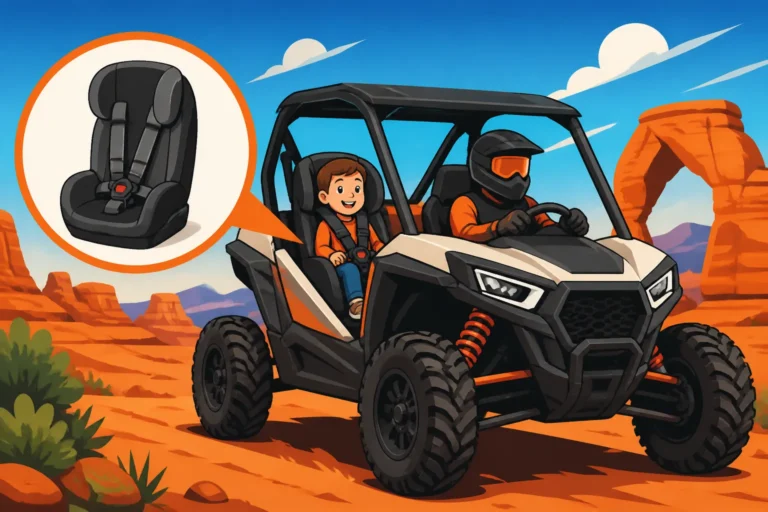
One of the absolute biggest concerns is keeping your dog safely contained within the UTV, preventing them from falling out, jumping, or becoming a distraction. There are a few tried-and-true methods, each with its pros and cons. A secure crate or kennel, especially one specifically designed for vehicle travel or outdoor use, offers the highest level of protection. This is often the safest choice for smaller dogs or those prone to anxiety, as it provides a secure, familiar den. Make sure the crate is firmly secured to the UTV bed or passenger area, preventing it from sliding or tipping during bumps or turns. You can use tie-downs or specialized mounting kits for this.
For larger dogs, or those who prefer to be closer to their human, a sturdy dog seatbelt or a specifically designed UTV dog harness is often the preferred option. These are not your everyday walking harnesses; they are engineered with impact protection in mind, distributing force across the dog's chest rather than their neck. These often attach to your UTV's existing seatbelt system or to a dedicated anchor point. When considering products, look for options from reputable manufacturers like those found in the SuperATV catalog, who often offer accessories designed for rugged off-road environments. Remember, a regular collar and leash is not a safety restraint in a moving vehicle and could cause severe injury in a sudden stop or impact. The goal is to limit movement enough to keep them safe, but not so much that they are uncomfortable or unable to shift their position slightly.
Protecting Paws, Eyes, and Ears
The trail environment can be harsh on a dog's sensitive parts. Their paws, accustomed to softer surfaces, are vulnerable to sharp rocks, hot sand, rough gravel, or even chemical spills. Quality dog booties are indispensable. Look for durable, breathable boots with good traction that stay on securely. It takes some time for most dogs to get used to wearing them, so start acclimating them at home before hitting the trail. Likewise, dust, flying debris, and UV rays can cause eye irritation or even long-term damage. Dog goggles (often called "Doggles") are a fantastic invention for this. Just like the booties, introduce them slowly and positively.
Finally, the noise. UTVs, especially modified ones, can be incredibly loud. Prolonged exposure to high decibel levels can cause hearing damage to your dog, just as it can to humans. Dog ear protection, such as specialized ear muffs or noise-reducing wraps, can help significantly. These are typically designed to fit snugly around their head, similar to a human's hearing protection. While your dog might initially resist these items, their long-term health and comfort are well worth the effort of training them to accept this gear. Think of it as part of their "adventure uniform," and make it a positive experience with treats and praise.
Hydration and First Aid for Fido
Even with the best gear, common sense dictates that you need to be prepared for any eventuality. Water is paramount in Utah's arid climate. Pack more water than you think you'll need, for both yourself and your dog. Collapsible water bowls are a lifesaver, allowing you to offer a drink easily during stops. Dehydration can set in quickly, so offer water frequently, especially on hot days or during strenuous rides. Consider a pet-specific water bottle that allows for easy, spill-free dispensing.
Equally important is a comprehensive doggy first-aid kit. This should include essentials like gauze, antiseptic wipes, vet wrap, tweezers (for splinters or ticks), a thermometer, pain relief (specifically vet-approved for dogs), and any personal medications your dog might need. Knowing basic canine first aid can literally save your dog's life in a remote location. Things like paw injuries, minor cuts, or even heat exhaustion can occur, and having the tools and knowledge to address them promptly is critical. Just as you would carry a [What to Carry on a Utah Day Ride] for yourself, extend that preparedness to your canine co-pilot.
Training and Acclimation for the Trail-Ready Dog
Simply buying all the gear isn't enough; your dog also needs to be mentally and behaviorally prepared for the unique experience of riding in a side-by-side. This isn't just about obedience; it's about comfort, confidence, and safety. A well-adjusted, well-trained dog makes for a much more enjoyable and safer ride for everyone involved.
Getting Your Dog Used to the UTV
The acclimation process should be gradual and positive. Start by introducing your dog to the UTV while it's turned off and parked. Let them sniff around, explore the vehicle, and get comfortable with its presence. Reward calm behavior with treats and praise. Then, introduce the gear: the harness, booties, goggles, and ear protection. Do this in short sessions, always ending on a positive note. Once they're comfortable with the gear, have them sit in the UTV (still off), offering treats and reassurance.
The next step is to introduce the engine noise. Start the UTV for very brief periods, still parked, observing your dog's reaction. If they show signs of stress (panting, whining, trying to escape), stop and try again later with shorter durations or at a greater distance. Gradually increase the engine running time. Once they're okay with the noise, take very short, slow rides, perhaps just around your yard or driveway. Slowly increase the duration and speed, always watching for signs of discomfort. The goal is to make the UTV a source of positive association, not anxiety. A well-acclimated dog is less likely to panic or try to jump out, which is a major safety concern.
Trail Etiquette and Wildlife Encounters
Once your dog is comfortable in the UTV, the next hurdle is their behavior on the trail. This involves not only basic obedience (sit, stay, come) but also trail-specific etiquette. Your dog should always be under voice control or on a leash when outside the UTV, especially in areas where other trail users or wildlife might be present. Utah's public lands are shared spaces, and respect for others is paramount. [Riding Etiquette When You Meet Horses] extends to all trail users, and a rambunctious dog can easily spook horses or other animals, creating a dangerous situation.
Wildlife encounters are another serious consideration. Utah is home to a vast array of animals, from deer and elk to coyotes and even mountain lions. Your dog's natural instinct might be to chase, which can lead them into dangerous situations, get them lost, or disturb wildlife. Even seemingly harmless encounters, like with a squirrel, can lead to your dog darting off unexpectedly. Proper training, including a solid "leave it" command, is essential. Always keep your dog leashed in areas with high wildlife potential or where signs specifically require it. Remember, you are a steward of these beautiful lands, and responsible pet ownership helps preserve access for everyone.
Legal Considerations and Best Practices in Utah
Beyond safety and comfort, it's crucial to understand the legal and practical implications of bringing your dog on Utah's trails and roads. While Utah is generally dog-friendly, there are rules and best practices that ensure everyone's safety and enjoyment of public lands. Ignoring these can lead to fines, conflicts, or even restricted access in the future.
Utah's General Rules for Dogs on Public Lands
Utah's public lands, managed by various agencies like the BLM, Forest Service, and State Parks, generally welcome dogs. However, "welcome" doesn't mean "unrestricted." The golden rule across most public lands is that your dog must be on a leash, typically no longer than six feet, or under immediate voice control. "Immediate voice control" means they respond instantly to commands, regardless of distractions. If you're unsure if your dog truly meets this standard, it's always safer to keep them leashed. Some specific areas, like certain trails within National Parks (e.g., Zion or Bryce Canyon), have stricter rules or even prohibit dogs entirely, so always check local regulations before you go.
Beyond leashes, remember to always clean up after your dog. "Pack it in, pack it out" applies to dog waste too. Leave no trace principles are vital for maintaining the pristine nature of Utah's landscapes. Failing to pick up after your dog can lead to fines and degrades the experience for others. Being a responsible pet owner helps maintain positive relationships between dog owners and land managers, ensuring continued access to these incredible places. A friendly ranger checking for [What a Utah Trooper Checks at a Trailhead] will also be looking for responsible pet ownership.
Protecting Your Pet (and Others) on Street-Legal Routes
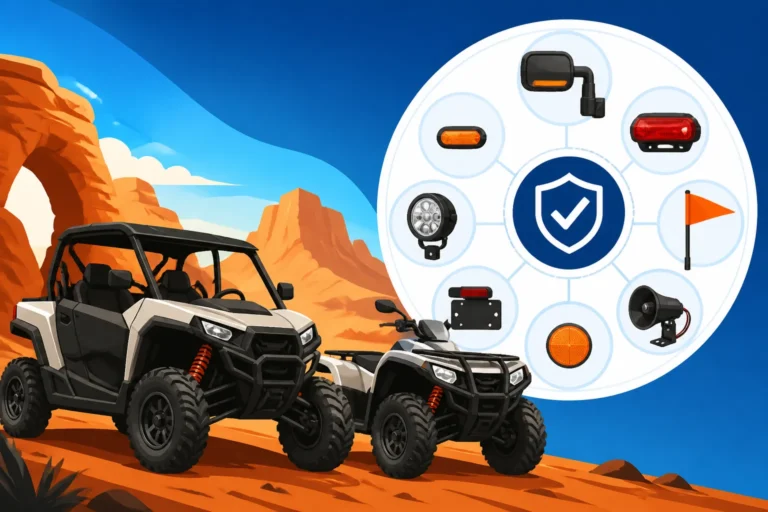
If your side-by-side is street-legal, and you're planning to drive it on paved roads to get to trailheads or to cruise through towns like Moab or Kanab, the rules for your dog might become a bit more specific. Just as you need to meet [Utah Street-Legal ATV Equipment Requirements] for your machine, you need to consider how your dog fits into the overall safety picture. While there isn't a specific "dog seatbelt law" for UTVs in Utah, general vehicle safety principles still apply. An unsecured dog can become a projectile in an accident, injuring themselves or other passengers.
Moreover, an unrestrained dog can distract the driver, leading to accidents. Imagine driving through [Riding Through Town to the Trailhead in Utah] and your dog suddenly tries to jump out or causes you to swerve. Many towns also have their own ordinances regarding animals on public streets, often requiring leashes even when you pull over. When you have [Passengers and Seat Belts on Utah Roads] in your UTV, you wouldn't let them ride unsecured, and the same logic should extend to your canine companions. A secure harness or crate, as discussed earlier, isn't just for off-road safety; it's crucial for road safety too. Always aim for the highest level of safety and control, both for your dog and for everyone else on the road or trail.
Here's a quick reference table outlining key considerations for riding with your dog:
| Aspect | Off-Road / Trail Riding | Street-Legal / Road Riding |
|---|---|---|
| Restraint | Secure harness/seatbelt or well-secured crate. | Same as off-road, preventing distraction & injury. |
| Leash Rules | Required when outside UTV, or strict voice control. | Required when outside UTV, even during stops in town. |
| Paw Protection | Highly recommended (booties) for rough terrain, hot surfaces. | Recommended for hot pavement, gravel shoulders. |
| Eye Protection | Highly recommended (goggles) for dust, debris, UV. | Recommended for wind, dust, sun glare at speed. |
| Ear Protection | Recommended (muffs/wraps) for loud engine noise, wind. | Recommended for prolonged road speeds, louder exhausts. |
| Hydration | Critical. Carry ample water and a bowl. | Critical. Don't rely on finding water sources. |
| Waste Management | Always pack out waste, follow Leave No Trace. | Always pick up waste in urban areas. |
| Distraction | Minimize dog movement/noise to maintain focus on trail. | Critical to avoid driver distraction, especially in traffic. |
| Wildlife/People | Strict control to avoid encounters. | Maintain control around pedestrians, other vehicles. |
| Local Ordinances | Check land manager rules (BLM, FS, State Parks). | Check city/county rules (e.g., noise, leash laws). |
When to Leave Your Dog at Home
Despite our best intentions, there are times when bringing your dog along simply isn't a good idea, or even isn't allowed. It's important to be realistic and prioritize your dog's well-being and the safety of others. Extremely hot or cold weather can be dangerous for dogs, especially in an open UTV. Dogs can suffer from heatstroke much faster than humans, and cold can lead to hypothermia. Similarly, if your dog is prone to anxiety, motion sickness, or is reactive to other dogs or people, the stress of a UTV ride and crowded trails might be too much for them.
Certain trails or areas may have specific restrictions, such as wilderness areas where motorized vehicles and dogs are often prohibited, or areas with sensitive wildlife populations. Always respect signage and local regulations. For example, some events or races might not allow dogs for safety reasons. If your dog isn't trained to ride safely, consistently tries to jump out, or barks incessantly, it might be best to work on those issues at home before attempting a trail ride. A dog that creates a nuisance or a safety hazard detracts from everyone's experience, and it's always better to err on the side of caution. Sometimes, leaving them with a trusted friend or kennel is the most responsible and loving choice.
Disclaimer
This article is for general informational purposes only and does not constitute professional advice. Laws, prices and regulations vary by location and change over time. Consult a qualified professional for guidance on your specific situation.