Whip Flags on the Road and on the Dunes
You've just pulled up to the staging area at Little Sahara or Sand Hollow, excited to hit the dunes, only to realize you're squinting at all the other riders, wondering why some have these tall, colorful flags waving and others don't. Or maybe you’ve made your side-by-side street legal, and now you’re pondering if that whip flag you use for the sand is still necessary (or even legal) when you’re cruising down Main Street in Moab. The confusion around whip flags – where they're required, when they're just a good idea, and what specific rules apply in Utah – is a common headache for many OHV enthusiasts. This guide is here to clear up that mystery, breaking down exactly what you need to know about whip flags for both your dune adventures and your street-legal cruising across Utah.
Understanding Utah's Whip Flag Essentials
Before we dive into the nitty-gritty of specific locations or scenarios, it’s crucial to grasp the fundamental purpose of a whip flag. These aren't just decorative accessories to personalize your ATV or UTV; they're a critical safety device designed to enhance visibility in specific riding environments. Utah, like many other riding states, has clear reasons and rules for their use, primarily focused on preventing accidents and ensuring everyone can enjoy the trails safely.
Why Whip Flags Are Even a Thing
Imagine cresting a tall dune, or navigating a busy sand bowl where machines are popping up from unexpected angles. Without a whip flag, a driver in a low-slung UTV or on an ATV might be completely invisible until it's too late. The primary reason whip flags exist is to make your machine visible to other riders, especially when you're in areas with limited sightlines, heavy dust, or uneven terrain. The tall pole, often fiberglass, extends high above your machine, allowing your flag to wave clearly above obstacles, dunes, or other vehicles. This greatly reduces the risk of collisions, which can be devastating at the speeds and weights involved with modern OHVs. It’s a simple, effective way to shout, "Hey, I'm here!" even when your machine itself is obscured.
This visibility factor becomes even more paramount in designated riding areas that see a lot of traffic. Whether it's a family out for a casual cruise or a group of thrill-seekers tackling a challenging hill climb, everyone benefits from knowing where other machines are. The flags act as an early warning system, giving riders precious extra seconds to react and avoid potential hazards. It's not about being seen by law enforcement; it's about being seen by your fellow riders, ensuring a safer experience for the entire community out on the trails.
The design of a whip flag, with its flexible pole and vibrant flag, is specifically engineered for these demanding environments. They can withstand the constant vibrations, wind resistance, and occasional minor impacts that come with off-road riding, particularly in sand dunes. While seemingly basic, the engineering behind a good whip flag ensures it stays upright and visible when you need it most, a testament to its role as a fundamental safety component in certain OHV scenarios.
Dune Versus Road: A Tale of Two Rules
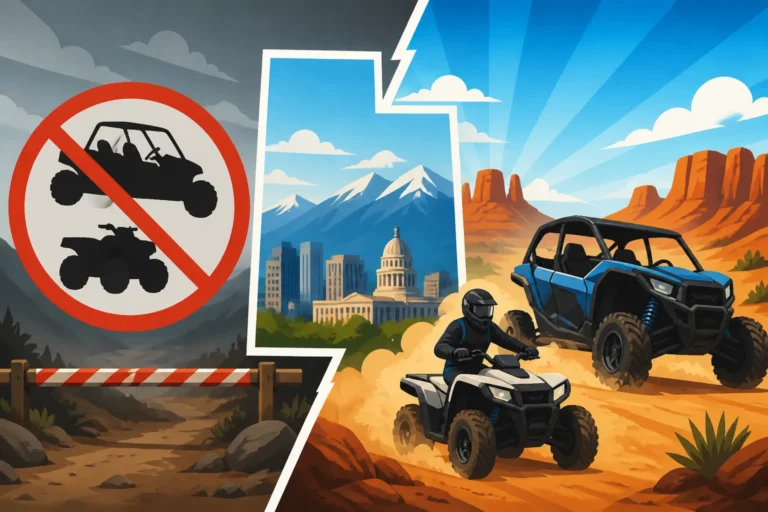
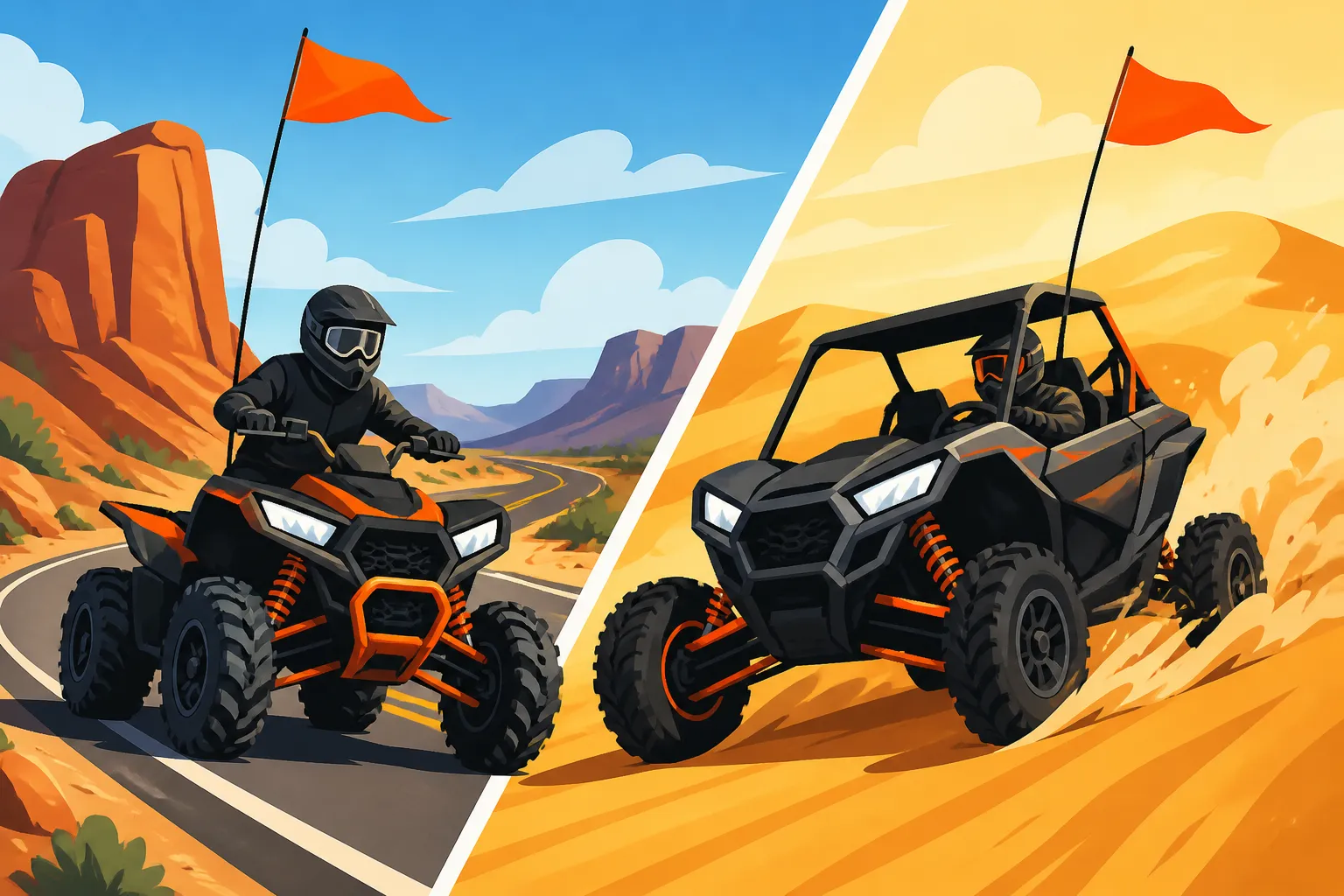
Here's where a lot of the confusion often begins, and it's essential to get this distinction right: Utah's whip flag requirements are largely conditional on the type of terrain you're riding, specifically contrasting designated sand dune areas with typical roads, even those legally open to OHVs. For sand dunes, the rules are generally quite strict and mandated by state or federal land management agencies. This is due to the inherent dangers of sand riding, where visibility can be incredibly poor and machines can appear suddenly over crests or out of dust clouds.
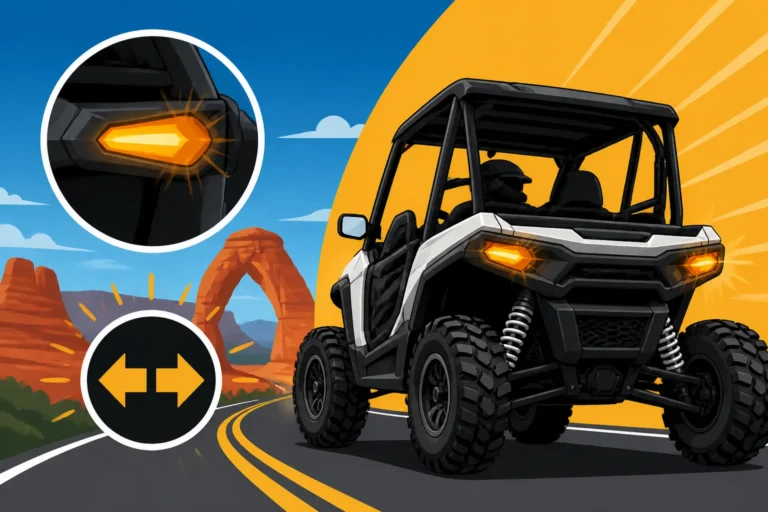
On the flip side, when it comes to riding your street-legal ATV or UTV on a paved or graveled public road in Utah, the regulations shift dramatically. Generally speaking, whip flags are not a legal requirement for street-legal OHVs operating on public roads. The reason for this difference lies in the nature of road travel: vehicles are typically in a more predictable traffic flow, have headlights, taillights, turn signals, and mirrors for visibility, and are expected to follow traffic laws designed for traditional vehicles. The hazards of a blind dune crest simply aren't present on a flat, open road.
Understanding this core difference can save you a lot of guesswork and ensure you're compliant whether you're shredding the sand or heading to town for gas. Many riders mistakenly believe that because a whip flag is essential for dunes, it must be universally required for all OHV use, including street-legal cruising. However, the distinct rules for each environment highlight Utah's practical approach to OHV safety, tailoring requirements to the specific risks of the riding area.
Key Features of a Compliant Whip Flag
So, if you're headed to the dunes, what exactly constitutes a "compliant" whip flag in Utah? It's not just any old flag on a stick. There are generally specific characteristics that authorities look for to ensure the flag serves its intended safety purpose. The two most important aspects are typically height and the flag material itself. For instance, many designated dune areas in Utah, such as those managed by State Parks, will require the top of the flag to be a minimum of eight or ten feet from the ground. This height ensures it's visible over the crests of dunes, even when your machine is in a trough or obscured by other vehicles.
The flag itself also has requirements. It usually needs to be a bright, fluorescent color like orange or red, designed to stand out against the landscape, especially the tan and red hues of Utah's sand. While not always a specific legal requirement, many riders choose a rectangular or triangular flag that's a decent size – something like 6×10 inches or larger – to ensure it catches the eye. The material should be durable and resistant to fading, tearing, and fraying, as it will be exposed to sun, wind, and sand. A frayed, faded flag doesn't provide the visibility needed.
Beyond these core features, you'll also want to consider the whip pole itself. Most compliant flags use a flexible fiberglass pole, which can bend and flex under stress rather than snapping. This is especially important in high winds or if the flag momentarily brushes against an obstacle. A secure mounting system is also paramount; the flag needs to be firmly attached to your machine, typically to the rear bumper, roll cage, or a dedicated flag mount, so it doesn't detach or fall down during aggressive riding. Companies like SuperATV offer a range of robust mounting brackets and quick-release options designed to keep your whip flag securely in place. You want to avoid any situation where your flag might snap off or get tangled, rendering it useless for its primary safety function.
Dune Riding: Where Whip Flags Are Non-Negotiable
When it comes to enjoying Utah's incredible sand dunes, the conversation around whip flags quickly shifts from "maybe" to "mandatory." These unique environments present specific visibility challenges that make whip flags not just a good idea, but a legal requirement for your safety and the safety of everyone else out there. Ignoring these rules can lead to fines, but more importantly, it significantly increases the risk of a serious accident.
Mandatory for Safety: Sand Hollow, Little Sahara, Coral Pink
If your Utah riding plans include any of the state's renowned sand dune areas, such as Sand Hollow State Park, Little Sahara Recreation Area, or Coral Pink Sand Dunes State Park, you can consider a whip flag an absolute necessity. These are not suggestions; they are explicit rules enforced by park rangers and BLM officers. The regulations are in place because these areas are often bustling with activity – ATVs, UTVs, dirt bikes, and sand rails, all moving at various speeds and directions, often kicking up significant dust. In such dynamic and often chaotic environments, a tall, brightly colored flag is the best defense against blind spots and unexpected encounters.
Take Sand Hollow, for example. Its mixture of red rock trails and sprawling sand dunes means riders transition between different terrains, sometimes quickly. When you drop off a rock ledge and enter the dunes, your whip flag becomes instantly crucial for anyone coming over a dune behind you. Similarly, at Little Sahara, with its massive hills and expansive sand bowls, the sheer volume of riders and the constantly shifting landscape make it incredibly difficult to track every machine. A whip flag offers that crucial visual beacon, allowing you to identify other riders from a distance, even if their vehicle is out of sight behind a dune or hidden by dust. [Whip Flag Rules at Sand Hollow] are strictly enforced for this very reason.
Failing to display a compliant whip flag in these areas isn't just a minor infraction; it demonstrates a disregard for safety protocols designed to protect lives. Rangers actively patrol these areas, and if you're caught without a flag, or with one that doesn't meet the height or visibility requirements, you will likely face a citation and be asked to immediately obtain one before you can continue riding. It's far better to be prepared and ensure your flag is properly installed and meets all local requirements than to risk a costly ticket or, worse, an preventable accident. This rule isn't just about adhering to regulations; it's about being a responsible member of the riding community. [Sand Hollow and Sand Mountain: A Rider's Guide] will often emphasize this crucial safety gear.
Installation Best Practices for Dunes
Getting your whip flag installed correctly is just as important as having one. A poorly mounted flag can be a distraction, fall off, or simply not provide the necessary visibility. The key is secure attachment and proper placement. Most riders opt for mounting their whip flag to the rear of their ATV or UTV, often on the bumper, a dedicated flag mount on the roll cage, or a receiver hitch accessory. The goal is to get the base of the whip as high as possible on the machine, which helps achieve the overall height requirement (remember that 8 to 10 feet from the ground).
When choosing a mounting location, consider stability and clearance. You want a spot that's robust enough to handle the leverage of a tall whip flag, especially when it's catching wind at speed. Avoid mounting it in a place where it could interfere with your line of sight, impede a passenger's entry/exit, or get tangled in moving parts of your machine. Many modern UTVs have accessory mounts or roll cage clamps that make attaching a whip flag base straightforward. SuperATV, for example, offers various clamps and mounts that are specifically designed for different roll cage diameters, ensuring a snug and secure fit that can withstand aggressive dune riding.
Always use appropriate hardware and check for tightness before each ride. The constant vibration and jostling of dune riding can loosen bolts over time. Some riders even add a bit of thread locker to bolts for extra security. A quick-release mount can be incredibly convenient, allowing you to easily remove your whip flag for trailering or storage, but ensure the quick-release mechanism itself is robust and won't inadvertently unlatch during your ride. Double-check that the pole itself is securely seated in its mount and that the flag is not tangled or wrapped around the pole. A flag that's twisted up won't be visible.
What to Look for in a Dune Flag
Selecting the right whip flag for your dune adventures goes beyond just meeting the minimum legal height. You want a flag that is durable, highly visible, and capable of withstanding the harsh conditions of sand riding. Start with the pole material: fiberglass is standard because it's flexible, strong, and relatively lightweight. Avoid flimsy plastic poles that can snap easily. The length of the pole is crucial to meet the minimum height requirements – if your UTV is 6 feet tall, you'll need at least a 4-foot whip to hit the 10-foot mark. Measure your machine and consider where you'll mount the flag to determine the necessary pole length.
For the flag itself, vibrant, fluorescent colors are key. Orange, bright red, or neon yellow are excellent choices, as they contrast sharply with the natural tones of sand and sky. Avoid flags that are too small or made from thin, easily torn fabric. A flag that measures at least 6×10 inches is usually a good starting point for visibility, but larger flags will obviously be seen from further away. Some riders even opt for custom flags with unique designs, but always prioritize visibility over intricate graphics. The flag material should be a strong, weather-resistant nylon or polyester that can endure prolonged sun exposure and whipping winds without fraying or fading quickly.
Finally, consider adding an LED whip. While not strictly required, many riders choose these, especially for night riding, as they offer an even greater level of visibility. LED whips come in a dazzling array of colors and patterns, significantly enhancing your presence on the dunes after dark. Brands like SuperATV produce high-quality LED whips that are built tough for off-road abuse and provide exceptional illumination. Whether it's a traditional flag or an illuminated whip, the investment in a good quality product is an investment in your safety and enjoyment of [Utah's Sand Dune Riding Areas].
The Truth About Whip Flags on Utah Roads
Transitioning from the wide-open, dust-filled expanse of the dunes to the more structured environment of Utah's public roads brings a different set of rules and expectations for OHV operators. Many riders, having diligently used whip flags in recreational areas, naturally wonder if the same applies when their machine is street legal and cruising through a town or connecting trailheads. The answer, perhaps surprisingly to some, simplifies things considerably for road use.
Not Required for Street-Legal OHVs
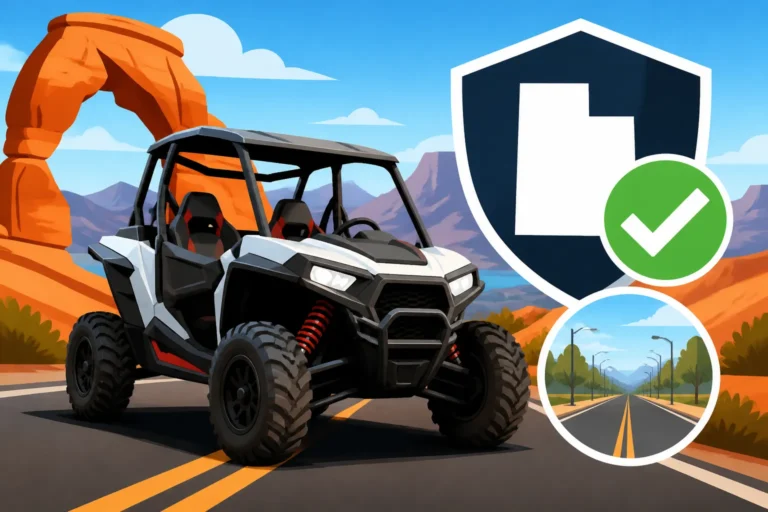
Let's cut right to the chase: if your ATV or UTV has been properly made street-legal in Utah, meaning it meets all the equipment requirements like headlights, taillights, turn signals, mirrors, and has a valid license plate, a whip flag is generally not a legal requirement for road use. This is a common point of confusion, as the safety benefits on the dunes are so clear. However, when operating on a public road, your OHV is treated much like any other vehicle in terms of visibility regulations. The state’s street-legal requirements focus on standard automotive safety features that are universally understood by other drivers and mandated by traffic laws.
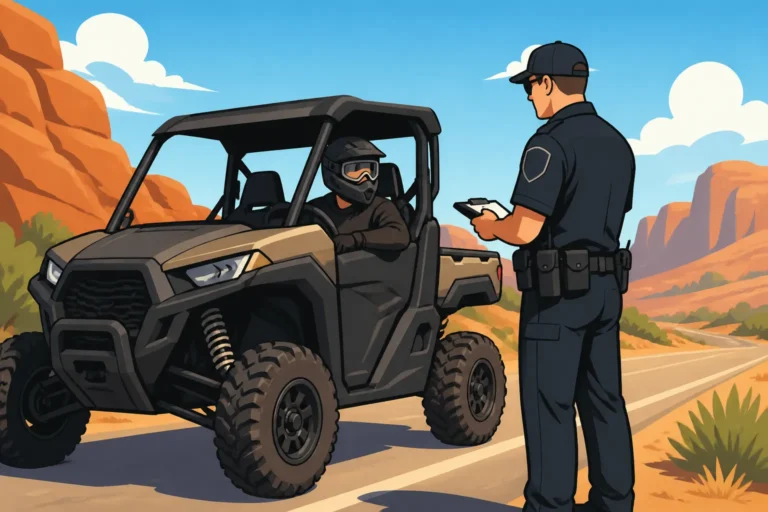
The rationale is straightforward: on roads, vehicles are expected to operate within lanes, follow traffic signals, and use standard signaling devices. The environment is typically more open than a dune field, and other vehicles are generally looking for standard car-like indicators of presence and intent. Your street-legal lights, brake lights, and turn signals fulfill the primary visibility requirements for road safety. A whip flag, while excellent for projecting above dune crests, doesn't add the same functional visibility in a typical road traffic scenario that dedicated road-legal lighting does. An officer checking your machine during a traffic stop will be looking for proper lights, mirrors, and valid registration, not a whip flag. [What a Utah Officer Looks for on a Street-Legal ATV] typically focuses on these street-legal elements.
So, while you might feel safer with one, or just prefer the look, rest assured that you won't be ticketed for not having a whip flag on your street-legal OHV while riding on permissible Utah roads. This distinction is crucial for understanding the state's OHV laws and for making sure you've prioritized the actual legal requirements for your street-legal machine, rather than accessories that are primarily for off-road use. Focusing on keeping your street-legal lights clean and functional will do more for your road visibility than adding a whip flag.
When a Flag Might Be Seen on the Road and Why
Despite not being a legal requirement, you'll undoubtedly see some street-legal ATVs and UTVs sporting whip flags on Utah roads. There are a few common reasons for this. The most frequent scenario is simply convenience: many riders transition directly from dune riding (where the flag is mandatory) to road riding without taking the time to remove their flag. If they’re connecting a trail system that includes both dunes and road sections, leaving the flag on just makes practical sense, ensuring they’re compliant for the dune portions of their ride. For instance, if you're riding through [Riding Through Town to the Trailhead in Utah] to get to a dune area, you'd want your flag mounted for the dunes, so you just keep it on for the road section.
Another reason might be a personal preference for enhanced visibility. Some riders feel that even on the road, the added height of a whip flag makes them more noticeable to distracted drivers, particularly if their OHV is smaller or lower-profile than a full-sized vehicle. While not legally required, there's no law against having a whip flag on your street-legal machine on the road. It becomes a matter of individual choice and perceived safety benefit. You might also see them on machines participating in parades, rallies, or special events where decorative or highly visible flags are part of the festive atmosphere. In these cases, the flag is more about community and celebration than strict legal compliance.
Finally, some riders might simply be misinformed about the regulations. The strong emphasis on whip flags in popular dune areas sometimes leads to the assumption that they are universally required for all OHV operation, including on public roads. This confusion is perfectly understandable given the varying rules and the learning curve involved in making an OHV street legal. However, understanding that your street-legal setup is designed to integrate with standard road traffic laws, which primarily rely on lights and vehicle positioning for visibility, helps clarify why the whip flag takes a backseat on paved surfaces.
Safety Considerations Without a Flag
Since whip flags aren't required for street-legal OHVs on Utah roads, it’s important to shift your focus to the actual safety measures that are critical for road use. The primary concern becomes how visible your OHV is to other drivers, especially since ATVs and UTVs are generally smaller and less substantial than cars and trucks. Ensuring your machine meets all the required street-legal equipment standards is paramount. This includes having bright, fully functional headlights, taillights, brake lights, and turn signals. These are your main tools for communicating your presence and intentions to other motorists.
Beyond equipment, active riding practices are essential. Always assume other drivers may not see you. Maintain a defensive riding posture, anticipate potential hazards, and be prepared to react. Using your turn signals well in advance, making eye contact with drivers at intersections, and positioning your machine to be seen in mirrors are all critical habits. Reflective tape on your machine, or wearing high-visibility gear, can also provide an additional layer of passive safety, especially during dusk, dawn, or in inclement weather. Even a small increase in your visual footprint can make a significant difference.
Remember that while your street-legal UTV might feel substantial on the trail, it's still relatively small compared to many vehicles on the highway. Drivers of larger cars and trucks might simply not be looking for an OHV on the road. Therefore, your active participation in making yourself seen and understood is more crucial than ever. This diligence, combined with adhering to all traffic laws and equipment requirements, ensures you're doing everything possible to stay safe when [Riding Moab, Utah on a Side-by-Side] or navigating any other open road in the state. [Moab's Speed Limit for OHVs on City Streets] and other local ordinances must also be followed.
Choosing, Installing, and Maintaining Your Whip Flag
Even though whip flags aren't required for street-legal road use in Utah, they are absolutely crucial for dune riding and certain other off-road environments. Therefore, choosing a good quality flag, installing it correctly, and maintaining it regularly are vital steps for any serious OHV enthusiast who plans to hit the sand. A cheap, flimsy flag won't stand up to the rigors of the desert, and a poorly maintained one won't provide the visibility you need.
Types of Whip Flags and Their Pros/Cons
When you're shopping for a whip flag, you'll quickly realize there's more variety than just a pole and a piece of fabric. The most basic and traditional option is a plain fiberglass whip with a simple fluorescent orange or red flag.
-
Traditional Fiberglass Whips with Fabric Flags:
- Pros: Generally the most affordable option, lightweight, simple, and effective for basic visibility during daylight hours. They are durable and flexible, designed to bend rather than snap.
- Cons: No visibility at night unless illuminated externally. The fabric flag can fade, fray, or tear over time, especially in strong winds and sun.
- Best for: Budget-conscious riders, daytime dune use, or as a reliable backup.
-
LED Whips: These have become incredibly popular, especially for night riding. The pole itself contains a string of LEDs that illuminate brightly.
- Pros: Outstanding visibility, particularly at night or in low-light conditions. Many models offer customizable colors and patterns, adding a cool aesthetic. They tend to be very durable, as the LEDs are often encased in a protective tube.
- Cons: Significantly more expensive than traditional flags. Requires electrical wiring to your machine's power source, which can be an extra installation step. Can be a power drain if left on for extended periods without the engine running.
- Best for: Riders who frequently ride at night, those looking for maximum visibility and a distinctive look. Brands like SuperATV offer robust and feature-rich LED whip options that are built for the harsh off-road environment.
-
Combination Whips: Some whips combine the best of both worlds, featuring an LED pole and a small fabric flag at the top.
- Pros: Provides both daytime fabric flag visibility and nighttime LED illumination.
- Cons: Can be pricier than plain fiberglass, and the flag component still has the same wear-and-tear considerations as traditional flags.
- Best for: Riders who want comprehensive visibility day and night without needing two separate setups.
Consider your primary riding times and budget when making your choice. If you only ride during the day and want to meet legal requirements, a traditional fiberglass whip is perfectly adequate. If you're hitting the dunes after dark, an LED whip is a serious upgrade in safety and fun.
Maintenance Tips for Longevity
Like any piece of off-road gear, your whip flag will last longer and perform better with a little care. Regular maintenance isn't just about aesthetics; it's about ensuring the flag remains a reliable safety device.
First, inspect your flag pole before and after every dune trip. Look for any cracks, fraying in the fiberglass, or bends that indicate structural fatigue. Even small stress cracks can lead to a broken whip down the line, especially at speed. If you have an LED whip, check the wiring for any nicks, loose connections, or corrosion, which can cause intermittent lighting or complete failure. Secure any loose wires to prevent them from snagging on branches or getting damaged by vibrations.
Second, check the flag material itself. Fluorescent colors, while great for visibility, can fade over time with continuous sun exposure. Look for tears, rips, or significant fraying. A tattered flag won't provide the same visual warning as a whole, vibrant one. If your flag is looking worn, it's a small investment to replace just the fabric portion, which can often be slipped onto your existing whip. [Utah OHV Decals and Where They Go] also highlights the importance of maintaining visible markings, and the same principle applies to your flag.
Finally, pay attention to your mounting system. The bolts, clamps, or quick-release mechanism can loosen with the constant vibration of riding. Give them a quick check and tighten them if necessary. If your mounting bracket is bent or damaged, replace it. A loose flag mount is an accident waiting to happen, as the flag could fall off or whip around dangerously. If you have a quick-release mount, ensure the locking pin or lever engages fully and securely. Regular cleaning, especially after dusty rides, can also prevent grit from building up in moving parts or obscuring the LED lights.
Where to Buy a Quality Whip Flag
When it comes to purchasing a whip flag, whether it's a basic fabric model or a high-tech LED version, prioritize quality and durability. While you might find inexpensive options at general sporting goods stores, specialized OHV accessory retailers, both online and local, will generally offer products better suited to the demands of off-road riding. These retailers often stock brands known for their robust construction and compatibility with various ATV and UTV models.
Look for manufacturers who understand the unique stresses of off-road environments. For instance, companies like SuperATV are well-regarded in the aftermarket OHV accessory world. They often design their whips and mounting hardware with features like heavy-duty fiberglass, reinforced flag materials, and vibration-resistant mounts, which can be crucial for longevity on the dunes. Checking customer reviews can also provide valuable insights into a product's real-world performance and durability.
Consider whether you prefer to shop in person or online. Local dealerships or dedicated off-road shops might offer the advantage of expert advice and hands-on inspection of products. Online retailers often have a wider selection and competitive pricing, but you'll need to do your own research on specifications and compatibility. No matter where you buy, remember that a whip flag is a safety device first and foremost. Investing in a reliable, high-quality flag is a small price to pay for the peace of mind and protection it offers out on the trails.
Comparing Whip Flag Rules: Dunes vs. Roads
To help clarify the core differences, here's a quick comparison of whip flag requirements for Utah's diverse riding environments:
| Feature | Sand Dunes (e.g., Sand Hollow, Little Sahara) | Public Roads (Street-Legal OHV) |
|---|---|---|
| Legal Requirement | Mandatory | Not required |
| Primary Purpose | Visibility over crests, through dust, in crowded areas | Not applicable; standard vehicle lighting for visibility |
| Minimum Height | Typically 8-10 feet from the ground | No height requirement |
| Flag Color | Bright fluorescent (orange/red) recommended | No specific color requirement |
| Visibility | Crucial for preventing collisions in off-road terrain | Rely on headlights, taillights, turn signals |
| Enforcement | Actively checked by park rangers/BLM | Generally not checked by law enforcement for road use |
| LED Whips | Highly recommended for night riding | Optional, but not legally necessary |
The bottom line for Utah riders is clear: if you're venturing onto the sand, a compliant whip flag is a non-negotiable piece of safety equipment. For your street-legal adventures on public roads, however, you can confidently leave the whip flag for the dunes and rely on your machine's road-legal lighting and your diligent riding practices to keep you visible and safe. Always remember to check specific park or land management rules before you ride, as requirements can sometimes vary slightly from one area to another.
Disclaimer
This article is for general informational purposes only and does not constitute professional advice. Laws, prices and regulations vary by location and change over time. Consult a qualified professional for guidance on your specific situation.