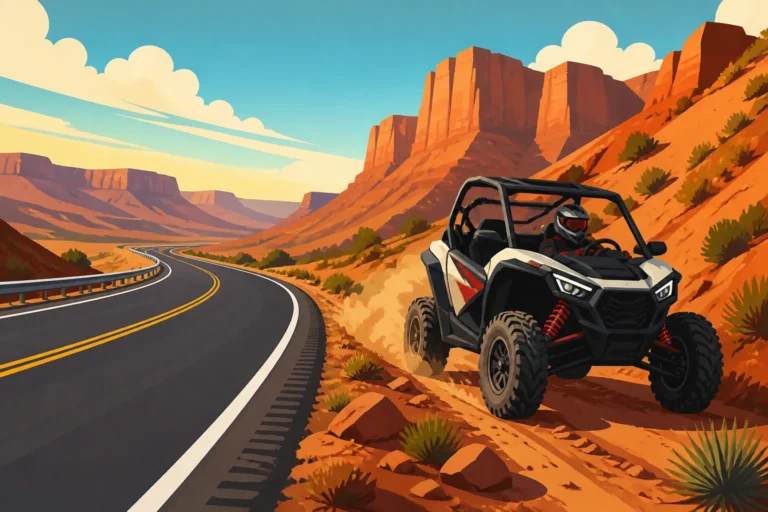
Getting From Hurricane to Sand Mountain by Road
It’s a truly iconic Utah experience: you’re staying in Hurricane, the sun is shining, and the red rock playground of Sand Mountain is calling your name. But the thought of loading up the trailer, driving a few short miles, and then unloading again can feel like a real chore, especially when the dunes are so close. This guide is all about simplifying that process, showing you exactly how you can legally and safely drive your street-legal ATV or UTV directly from Hurricane to the exhilarating trails of Sand Mountain.
Navigating Utah's Street-Legal OHV Laws for Road Travel
Before you even think about putting tires to pavement between Hurricane and Sand Mountain, you absolutely must understand Utah's specific laws regarding street-legal Off-Highway Vehicles (OHVs). It’s not just a matter of slapping a license plate on your machine; there are strict requirements that many riders, especially those new to the concept, often overlook. Getting this wrong can lead to fines, an impounded machine, or worse, a dangerous situation on public roads.
The Foundation: Making Your OHV Street Legal
The journey to riding from Hurricane to Sand Mountain begins with properly converting and registering your ATV or UTV for street use. Utah has a fantastic system that allows this, but it’s contingent on meeting specific equipment standards. Think of it like giving your machine a "road-worthiness" makeover. Without this, your adventure ends before it even begins.
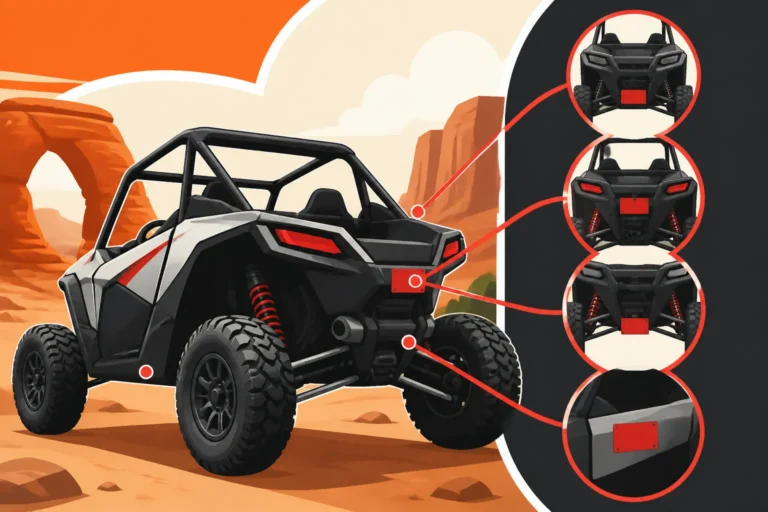
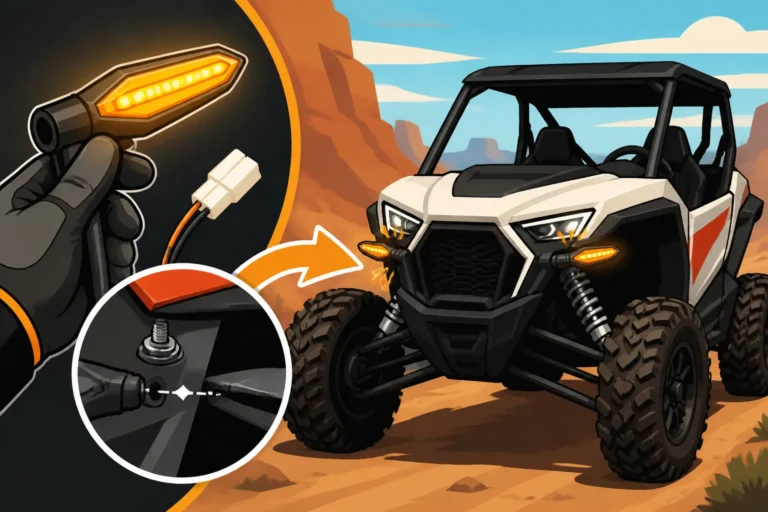
First and foremost, your machine needs to pass a street-legal inspection. This isn't just a friendly once-over; it's a detailed check to ensure your OHV has all the necessary safety features for operating alongside cars and trucks. You'll need headlights and tail lights, definitely, but also turn signals, brake lights, a horn, a license plate light, and mirrors on both sides. A windshield or eye protection is mandatory, and you'll need a functioning speedometer. Don't forget proper tires and a muffler that meets noise limits. Many riders opt for kits from companies like SuperATV that bundle these required components, making the conversion process much smoother. These kits are designed to address the specific needs of UTVs and ATVs for road use, helping you check off each requirement.
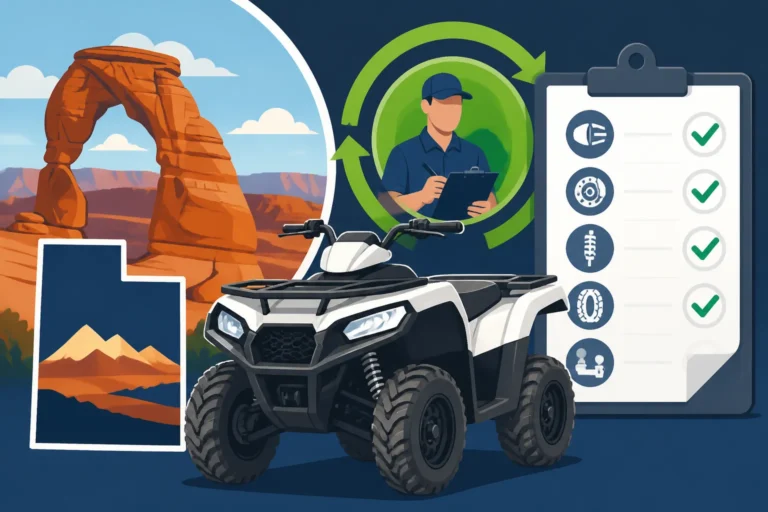
Once your machine is properly equipped, you’ll take it to a certified inspection station. They’ll verify that everything is up to snuff according to state law. This is a critical step, and trying to skip it or cut corners can lead to immediate issues. After passing inspection, you can then proceed with registering your machine for street-legal use at the Utah DMV. This involves paying the necessary fees and receiving your street-legal license plate and registration. Remember, you’ll also need to keep your regular OHV registration current, so you'll effectively be paying for two forms of registration, but it's worth it for the freedom it provides. For a deeper dive into what you need, check out [Utah Street-Legal ATV Equipment Requirements].
Understanding Where Street-Legal OHVs Can Drive
Just because your OHV is street-legal doesn't mean you can drive it absolutely anywhere. Utah has specific rules about which roads are open to street-legal OHVs. Generally, you can ride on most public roads with a posted speed limit of 50 mph or less. This is excellent news for routes like the one from Hurricane to Sand Mountain, as these roads typically fall within that speed range. However, major interstates and freeways are strictly off-limits, no matter how street-legal your machine is.
You'll also find that some cities and counties might have specific ordinances or restrictions. While Utah law generally supports street-legal OHV use, local jurisdictions can sometimes add their own layers of regulation. In Washington County, where Hurricane and Sand Mountain are located, street-legal OHV use is widely embraced, which is a big part of why this particular route is so popular. Always keep an eye out for signage, and if you’re unsure about a specific road or area, it’s best to err on the side of caution or consult local resources. Being aware of these rules will save you a lot of potential headaches and ensure a smooth, enjoyable ride. For more detail on allowed roads, take a look at [Where Street-Legal ATVs Can Drive in Utah].
The Route from Hurricane to Sand Mountain by Street-Legal UTV/ATV
Driving your street-legal UTV or ATV from Hurricane to Sand Mountain is one of the ultimate conveniences for local riders. It transforms a trailer chore into part of the adventure. This section breaks down the straightforward path, offering practical advice for navigating the roads and ensuring a seamless transition from pavement to sand.
Getting Out of Hurricane and Onto State Route 9
Your journey typically begins from wherever you're staying in Hurricane. Many riders will find themselves needing to get onto State Route 9 (SR-9), which is the main artery that eventually leads towards Sand Mountain. Thankfully, SR-9, particularly through Hurricane, generally has speed limits that are conducive to street-legal OHV travel, staying well within the 50 mph threshold. The city of Hurricane itself is very OHV-friendly, with many streets and businesses openly welcoming street-legal machines. This means you can comfortably drive from your lodging, a restaurant, or a fuel stop directly onto the main road.
As you head east on SR-9, you'll pass through the more developed parts of Hurricane. This stretch is typically busy, so it's crucial to be extra vigilant. Remember, you're sharing the road with passenger vehicles, large trucks, and even RVs. Maintaining proper lane position, signaling turns well in advance, and being aware of your surroundings are paramount. Many street-legal enthusiasts upgrade their machines with enhanced lighting, like LED light bars or auxiliary turn signals, which can be particularly helpful in traffic. You can find many of these crucial upgrades from brands like SuperATV, which offers a wide array of lighting solutions designed for both visibility and durability.
The key is to ride defensively and predict potential actions from other drivers. Don't assume they see you, even if your machine is brightly colored and equipped with a whip flag for added visibility. Keep a safe following distance, especially since OHVs can sometimes have different braking characteristics than cars. The short urban stretch of SR-9 is the most demanding part of the drive in terms of traffic awareness, but once you clear the main city, the road becomes more open, and the excitement for Sand Mountain truly builds.
The Scenic Drive Towards Sand Hollow State Park
Once you've navigated through the main commercial areas of Hurricane, SR-9 begins to open up, offering some truly scenic views as you head towards Sand Hollow State Park. This is where the red rock landscapes start to dominate, and the feeling of adventure really takes hold. You'll be following SR-9 for a relatively short distance before you reach the turn-off for Sand Hollow.
The speed limit along this stretch of SR-9 is typically 50 mph, which is perfect for street-legal OHVs. The road is generally well-maintained, but always be mindful of other traffic. This is a popular route for people heading to Zion National Park, as well as locals and tourists accessing Sand Hollow. You’ll eventually see clear signage for Sand Hollow State Park. The main entrance for the OHV area is usually accessed by turning south off SR-9 onto a paved road that leads directly into the park. This transition is usually smooth, taking you off the busier highway and onto roads specifically designed for park access.
You'll pay your day-use fee at the Sand Hollow State Park gate, just like any other vehicle entering the park. Once inside, the paved roads lead you directly to the extensive OHV staging areas. From here, you’re just moments away from the famous red dunes of Sand Mountain. The beauty of this route is how seamlessly your street-legal machine takes you from town life to the heart of the riding area, maximizing your time on the trails and minimizing the hassle of loading and unloading. For details on park entry, see [Sand Hollow State Park's Tunnel to the Dunes].
Transitioning from Pavement to Play Area
One of the greatest advantages of being street-legal on this route is the seamless transition from public roads to the designated riding areas. Once you've entered Sand Hollow State Park and followed the paved access roads to the staging areas, you're essentially at the doorstep of Sand Mountain. There's no need to stop and de-trailer; you just drive right off the paved lot and onto the dirt and sand trails.
The staging areas at Sand Hollow are typically large, paved or gravel lots where riders unload their machines. For you, this is simply a place to pause, check your tire pressure (often lowering it for better traction in the sand), make any last-minute adjustments, and ensure all your gear is secure. You’ll see plenty of signs directing you to the various access points for the dunes and rocky trails. Many riders find it helpful to have a [GPS Apps Utah Riders Actually Use] to navigate the vast network of trails within Sand Hollow, especially when venturing into new areas or trying to find specific obstacles.
It’s important to remember that while you're still within park boundaries, the rules of the trail take over. Ensure you have your [Whip Flag Rules at Sand Hollow] attached and visible, and that all riders in your group have the appropriate safety gear. This direct transition makes for an incredibly efficient and enjoyable riding experience, truly highlighting the benefits of having a street-legal machine in Southern Utah.
Essential Preparations for Your Road-Legal Journey
Embarking on a road journey from Hurricane to Sand Mountain with your OHV requires more than just a street-legal conversion. Thoughtful preparation ensures not only your safety but also the longevity of your machine and the enjoyment of your trip. Don't just fuel up and go; take the time to run through these crucial checks.
Vehicle Maintenance and Pre-Ride Checks
Before any road trip, even a short one to the dunes, a thorough pre-ride inspection of your street-legal ATV or UTV is non-negotiable. You’re asking your machine to perform in a very different environment than pure off-road trails. Start with your tires: check the pressure and inspect for any signs of wear, punctures, or damage. While you might air down for the dunes, ensure they’re at proper street pressure for the paved journey. Your brakes are paramount; confirm they are responsive and not spongy. Test all your street-legal lighting – headlights, tail lights, brake lights, turn signals, and the license plate light – to ensure they’re all functional and bright. A burnt-out bulb can earn you an unnecessary traffic stop.
Next, check your fluid levels: engine oil, coolant, and brake fluid. A road trip, even a short one, can put more consistent strain on your engine than stop-and-go trail riding. Ensure your battery terminals are clean and tight, and that your charging system is working correctly. Don't forget your mirrors; make sure they're clean, securely mounted, and adjusted for optimal rear visibility. Many aftermarket parts, like those from SuperATV, are designed with durability and ease of maintenance in mind, which can make these pre-ride checks simpler. Finally, ensure your horn is loud and clear – it's a vital safety device on the road. Taking these few minutes before you depart can prevent breakdowns or safety issues, letting you focus on the fun ahead.
What to Carry: Documents, Safety Gear, and Supplies
When you're driving your OHV on public roads, you need to carry specific documents, just like you would in a car. This includes your driver's license, your current street-legal registration, and proof of insurance. While Utah doesn't always require insurance for off-road use, it's absolutely mandatory for street-legal machines on public roads. Have physical copies of these documents readily accessible, or ensure your digital copies are easily viewable on your phone, even in areas with spotty service. [Carrying Digital Proof of Registration on the Trail] is a good option, but a physical copy is always a smart backup.
Beyond documents, consider your personal safety gear. While helmets aren't always required for adults in UTVs on Utah roads, they are highly recommended, especially given the open nature of many OHVs. Eye protection is legally required if your machine doesn't have a full windshield. Pack plenty of water, especially for summer rides in Southern Utah, as temperatures can soar. A basic tool kit, a tire repair kit, and a small air compressor are always wise additions, as road hazards can cause flats just as easily as trail hazards. Also, consider a first-aid kit and a communication device like a satellite messenger if you plan to venture deep into the dunes once you reach Sand Mountain, where cell service can be unreliable. Thinking through these essentials ensures you're ready for any eventuality, whether on the road or the trail.
| Item Type | Essential Items for Road-Legal OHV Travel | Notes |
|---|---|---|
| Documents | Valid Driver's License, OHV Street-Legal Registration (current), Proof of OHV Insurance (mandatory for road use), OHV Education Certificate (if applicable), Non-Resident Permit (if applicable). | Keep physical copies in a waterproof bag or digital copies readily accessible. Check [What Paperwork Utah Riders Must Carry] for specifics. |
| Safety Gear | Helmet (recommended, especially for ATVs), Goggles/Eye Protection (required without windshield), Sturdy Footwear, Gloves, Sunscreen. | Even with a windshield, goggles offer superior dust and insect protection. |
| Vehicle Prep | Full Fuel Tank, Proper Tire Pressure (for road), Functioning Headlights, Tail Lights, Brake Lights, Turn Signals, Horn, Mirrors (both sides), License Plate Light, Securely Mounted License Plate, Whip Flag (for dune riding). | Double-check all lights before leaving. Consider a spare tire or good tire repair kit for flats. |
| Supplies | Plenty of Water, Snacks, Basic Tool Kit, Tire Repair Kit (plugs, patch kit), Portable Air Compressor, First-Aid Kit, Jumper Cables, Navigation Device (GPS or phone with offline maps), Communication Device (cell phone, satellite messenger for remote areas), Small Shovel (for sand). | Hydration is crucial in Utah's desert climate. A satellite messenger can be a lifesaver where cell service drops out, which it does frequently at Sand Hollow. |
Safety and Etiquette on Utah Roads
Riding your OHV on public roads is a privilege, and with that comes a responsibility to operate safely and courteously alongside other vehicles. The experience of driving your UTV to the trail should be enjoyable and hassle-free, but that requires adherence to traffic laws and a good understanding of road etiquette.
Adhering to Traffic Laws and Road Rules
When your ATV or UTV is street legal, it’s treated much like any other motor vehicle on the road. This means you must obey all traffic laws: observe speed limits, stop at stop signs and red lights, use your turn signals, and yield the right-of-way. Remember that OHVs, by their nature, often have a higher center of gravity and different handling characteristics than a typical car or truck. This means you need to adjust your driving accordingly, especially when turning, braking, or navigating uneven road surfaces. Speed limits, particularly the 50 mph maximum for OHVs on Utah roads, are not suggestions; they are strictly enforced.
In towns like Hurricane, you’ll encounter various traffic situations: residential streets, busy commercial strips, and intersections. Pay close attention to school zones, pedestrian crossings, and parking regulations. Never assume other drivers see you, especially because OHVs sit lower and are narrower than typical vehicles. Make eye contact when possible, and use your horn if necessary to alert distracted drivers. You'll also need to follow specific rules regarding passengers and seat belts. For instance, [Utah Seat Belt Rules for UTV Passengers] are just as important on the road as they are on the trail. By driving predictably and following all rules, you contribute to a positive perception of street-legal OHV riders and help ensure this valuable privilege continues.
Being a Courteous and Responsible Rider
Beyond the letter of the law, being a courteous and responsible rider on public roads is essential. This starts with how you interact with other motorists. Avoid aggressive driving, excessive noise, or weaving through traffic. Keep your machine well-maintained, not just for safety but also to avoid unnecessary smoke, fluid leaks, or overly loud exhaust that might annoy other road users. While a certain level of engine noise is inherent to many OHVs, ensure your muffler meets street-legal requirements and isn't excessively loud. Moab, for example, has [Moab's Noise Ordinance and What It Measures] that are very relevant to street-legal machines.
When driving through residential areas in Hurricane, be mindful of noise levels, especially early in the morning or late in the evening. Remember that not everyone shares your passion for OHVs, and respecting their peace and quiet goes a long way. If you’re riding in a group, maintain proper spacing between machines and avoid blocking traffic. Pull over safely to let faster traffic pass if you’re moving slower than the flow of vehicles. Your actions reflect on the entire OHV community, and by demonstrating responsible and respectful behavior, you help maintain public support for street-legal riding. This ensures that the scenic drive from Hurricane to Sand Mountain remains an accessible and enjoyable option for all of us.
Disclaimer
This article is for general informational purposes only and does not constitute professional advice. Laws, prices and regulations vary by location and change over time. Consult a qualified professional for guidance on your specific situation.