Driver License Rules on Utah Roads
It's an exciting time when you decide to take your ATV or UTV beyond the dirt and gravel of the trails and onto Utah's public roads, opening up a whole new world of adventure, convenience, and access to breathtaking areas. But before you hit that pavement, there's a crucial piece of paperwork you need to sort out that often causes a lot of confusion: your driver's license. This guide will cut through the noise, explaining exactly what you need to know about driver license rules on Utah roads for your off-highway vehicle, so you can ride confidently and legally.
The Core Requirement: A Valid Driver License for Street-Legal OHVs
One of the biggest misconceptions riders have when they make their ATV or UTV street legal is thinking that the rules for driving it on the road are somehow different from a car or truck. The truth is, once your off-highway vehicle (OHV) meets all the requirements to be considered street legal in Utah, it's treated much like any other motor vehicle on those public roads. And just like any other motor vehicle, you, the operator, need to be properly licensed to drive it.
Why a Regular License is Essential
The state of Utah views street-legal ATVs and UTVs as legitimate vehicles when they're traversing public roadways. This means all the standard traffic laws, safety regulations, and, yes, licensing requirements apply. It can feel a little frustrating, especially when you're used to the freedom of the trails where a different set of rules governs operation. Many riders think, "Hey, it's still an ATV, not a car!" But the moment those tires touch asphalt or concrete on a state highway or city street, the distinction between an off-road toy and a road-going vehicle blurs significantly in the eyes of the law.
Law enforcement officers aren't going to differentiate between you driving a pickup truck or a [Street-Legal Kits That Suit Utah's Rules] UTV down Main Street in Kanab. If you're on a public thoroughfare, you need to be able to demonstrate you have the fundamental qualifications to operate a motor vehicle safely. This isn't just about showing you can steer and brake; it's about proving you understand traffic laws, road signs, and the general rules of the road that keep everyone safe. Without that valid driver's license, you're essentially operating an unregistered, uninsured, and unqualified vehicle in the eyes of the law, which can lead to some serious headaches and penalties.
Who Needs One and When
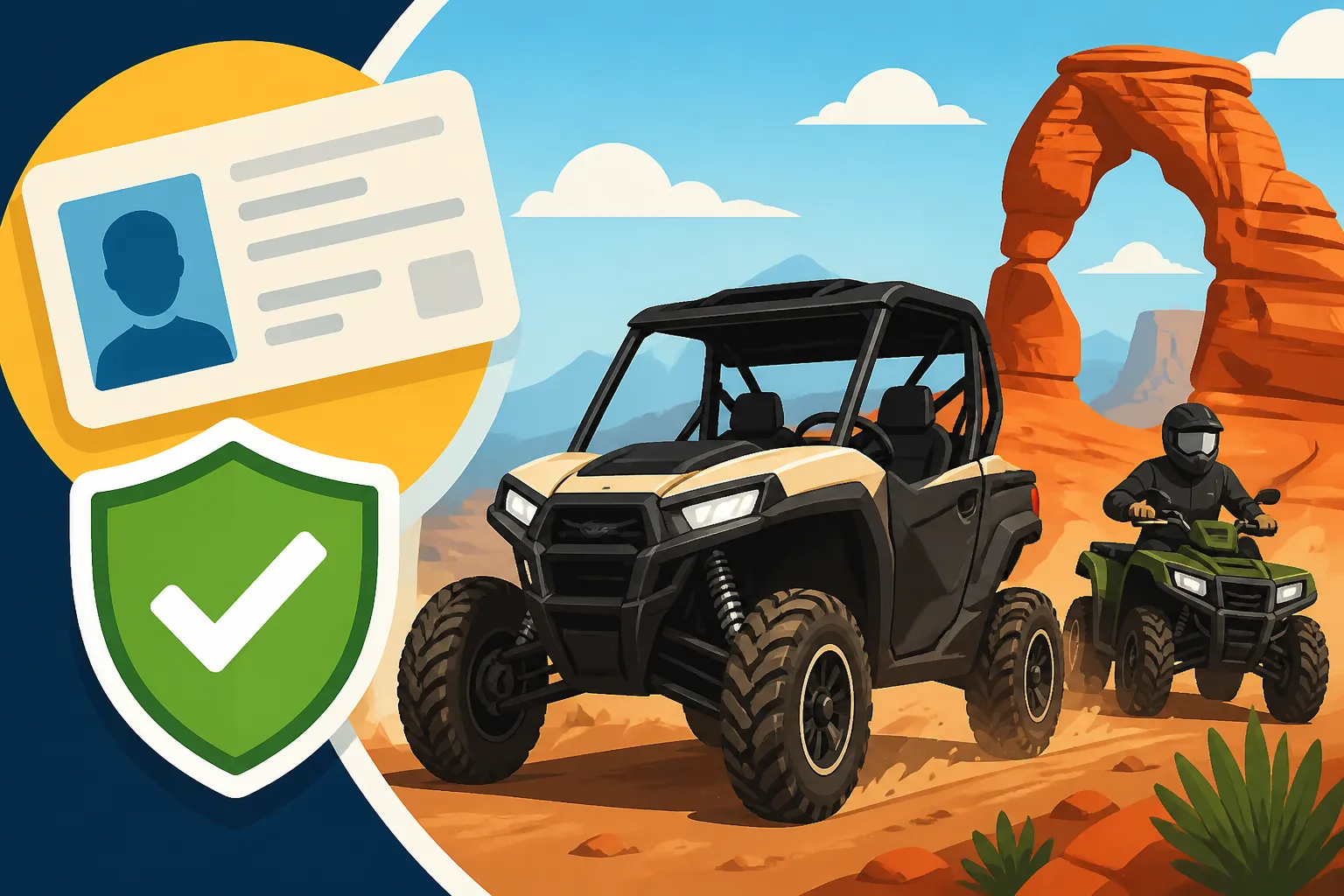
Simply put, anyone operating a street-legal ATV or UTV on a public road in Utah must possess a valid driver's license. There's no exception based on the type of OHV (quad vs. side-by-side), its engine size, or even how short a distance you plan to travel on the road. Whether you're just crossing a highway to get to another trail section or planning a multi-day road adventure that connects several trail systems, that license needs to be in your wallet.
This also applies regardless of age, provided the age is above the minimum licensing age. If you're old enough to hold a driver's license in Utah, and you're driving a street-legal OHV on the road, you need to have it. This is a clear distinction from purely off-road riding, where younger riders with proper certification and supervision might be allowed. The second you enter the public road system, the rules change completely, shifting from off-highway recreation guidelines to standard motor vehicle laws. Don't leave home without it, even if you just plan on riding [Riding Through Town to the Trailhead in Utah].
Understanding Utah's Age and Licensing Rules for OHVs
Utah has different rules for off-highway vehicle operation depending on whether you're strictly on designated trails or transitioning onto public roads. This can be a major source of confusion for riders, especially those with younger family members who love to ride. It's crucial to understand these distinctions to avoid legal issues.
Minimum Age for Road Use
In Utah, the minimum age to obtain a regular, unrestricted driver's license is 16 years old. This is the baseline for anyone wishing to operate a street-legal OHV on public roads. If you're 15 and 9 months with a learner's permit, you can't just hop on your street-legal UTV and cruise through town, even if you're an experienced off-road rider. The same age restrictions and graduated licensing rules that apply to driving a car also apply to your street-legal ATV or UTV.
This means if a young rider has a provisional license, they must adhere to all the associated restrictions, such as curfews, passenger limits, or the requirement for a licensed adult in the vehicle. While it's fantastic to see families enjoying the trails together, putting a 14-year-old who is certified to ride off-road behind the wheel of a street-legal side-by-side on a public street is a recipe for a ticket, or worse. The thrill of taking your rig from the trail to the road is undeniable, but it comes with the responsibility of following the same rules as every other licensed driver. For more specifics, check out [Age to Drive a Street-Legal ATV in Utah].
The OHV Education Certificate vs. Driver License
Here's where many riders get tripped up: the difference between an OHV education certificate and a standard driver's license. For off-road riding in Utah, most operators under 18 (and even some adults, depending on their age and machine type) are required to complete an approved OHV education course and carry a certificate. This certificate proves you understand safe riding practices and environmental rules for off-highway use. It’s essential for trail riding, whether you're tackling the [Paiute Trail Sections Beginners Should Skip] or exploring the [San Rafael Swell: Utah's Desert Maze].
However, this OHV education certificate does not substitute for a driver's license when you're on public roads. Think of it this way: your boating license doesn't let you drive a car, right? The same principle applies here. The OHV certificate is for off-road competency, while a driver's license is for on-road competency. You absolutely need both if you're a young rider who wants to legally navigate public roads on a street-legal OHV and hit the trails. An adult over 18 riding a street-legal UTV on a public road only needs the valid driver's license, though taking [The Adult OHV Education Course in Utah] is always a great idea for safety and understanding trail etiquette.
| Requirement Type | Purpose | Age Group Affected (Generally) | Valid For |
|---|---|---|---|
| Driver License | Legal operation of motor vehicles on public roads | 16+ years | Street-legal OHVs, cars, trucks |
| OHV Certificate | Safe and legal off-highway operation | All ages (under 18 mandatory) | Designated OHV trails and riding areas |
What Kind of Driver License Works for Street-Legal OHVs?
Once your OHV is street legal, you might wonder if you need a special kind of driver's license or an endorsement. Thankfully, for most riders, the answer is straightforward, and it's likely the same license you already carry for your car.
Standard Driver Licenses
For the vast majority of street-legal ATV and UTV owners in Utah, a standard Class D driver's license is all you need. This is the same basic license that allows you to operate a passenger car, light truck, or van. There isn't a special "OHV endorsement" or a unique license category required specifically for street-legal off-highway vehicles. Once your machine has passed inspection, has all the required safety equipment (like those sturdy mirrors from SuperATV, turn signals, and a horn), and is properly registered and plated, it's considered road-worthy.
This simplifies things considerably. You don't have to go through extra testing or paperwork just to drive your UTV on public roads. The state's view is that if you're qualified to drive a car, you're qualified to drive a street-legal OHV, assuming it meets all the vehicle-specific requirements. It's a testament to the comprehensive nature of driver licensing that it covers a wide array of vehicle types, including these increasingly popular street-legal off-road machines. Just remember, while the license is standard, the vehicle might feel very different to drive on pavement compared to a traditional car, so always exercise extra caution and practice defensive driving.
Provisional Licenses and Their Limits
For younger riders, or those new to driving, a provisional license or learner's permit comes with specific restrictions that must be honored when operating a street-legal OHV on public roads. These restrictions are put in place to ensure new drivers gain experience under controlled conditions, minimizing risks. For example, a learner's permit typically requires a licensed driver (usually 21 years or older) to be present in the passenger seat. This applies to your UTV just as it would a car.
If a provisional license restricts night driving or limits the number of passengers, those rules also transfer to your street-legal ATV or UTV. You cannot, for instance, have three teenage friends in your four-seat UTV at 10 PM if your provisional license only allows one passenger and prohibits driving after dark. Failing to follow these provisional license rules can result in tickets, fines, and even the suspension of the license, setting back a young driver's progress. It's vital that parents and young riders understand these limitations fully before venturing onto public roads, as these regulations are designed for safety and apply universally across all legal road-going vehicles.
What Happens If You Don't Have the Right License?
The temptation to just "go for it" and drive your OHV on the road without the proper license can be strong, especially if you're just trying to get to a nearby trail or run a quick errand. However, the consequences of driving without a valid license in Utah can be severe and far-reaching, impacting your finances, your driving record, and even your freedom.
Penalties for Unlicensed Driving
If you're caught operating a street-legal ATV or UTV on a public road in Utah without a valid driver's license, you're facing more than just a slap on the wrist. This isn't like a minor parking ticket; it's a serious traffic offense. Penalties can range from significant fines that hit your wallet hard to points being added to your driving record, which can lead to increased insurance premiums. In some cases, especially if it's a repeat offense or combined with other infractions, your vehicle could be impounded, leaving you stranded and adding hefty towing and storage fees to your financial burden.
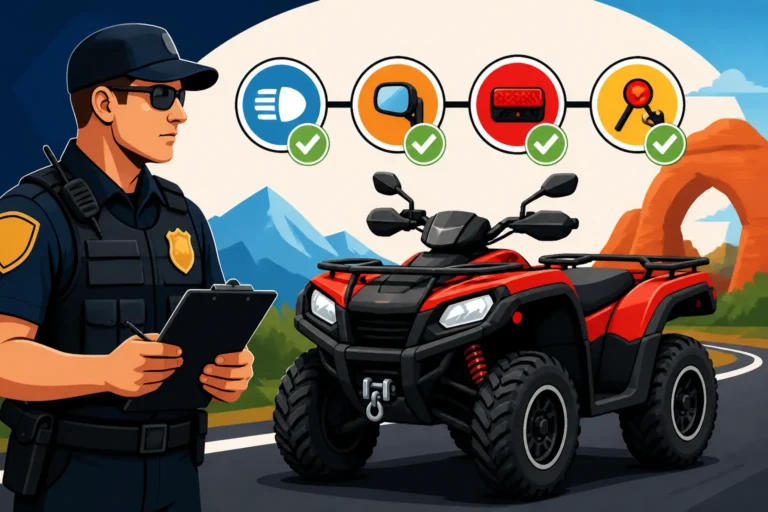
Imagine you're enjoying a fantastic ride near [Coral Pink Sand Dunes State Park for OHVs], and you decide to cross a short stretch of highway to get to a gas station. A trooper pulls you over, and you realize you left your wallet at the campsite. Even if you have a license, not having it on your person can result in a citation. If you genuinely don't possess a valid driver's license, the situation escalates quickly. This isn't just a minor administrative error; it's seen as a direct challenge to public safety and the legal framework of driving. Law enforcement officers, like those performing a [What a Utah Officer Looks for on a Street-Legal ATV] check, are trained to ensure compliance, and a missing license is a clear violation.
Insurance Implications
Beyond the immediate legal penalties, driving a street-legal OHV on public roads without a valid driver's license can have catastrophic consequences for your insurance coverage. Most, if not all, insurance policies have clauses that render the policy null and void if the vehicle is being operated illegally. This means if you get into an accident while driving unlicensed, your insurance company can deny your claim, leaving you personally responsible for all damages. This could include vehicle repairs or replacement, medical bills for injuries to yourself or others, and property damage to other vehicles or infrastructure.
Consider a scenario: you've invested in making your UTV street legal, maybe even adding some aftermarket components from SuperATV, and you've got it insured for road use. But one day, you let your friend, who doesn't have a valid license, take it for a spin on a public road, and they get into a fender bender. Your insurance company will likely refuse to pay because the driver was operating the vehicle outside the terms of your policy. What initially seemed like a minor oversight or a friendly favor could easily snowball into tens of thousands of dollars in out-of-pocket expenses, crushing debt, and immense financial stress. Always ensure anyone driving your street-legal OHV on the road is fully licensed and compliant with all Utah traffic laws.
Special Considerations for Visitors and Out-of-State Riders
Utah is a mecca for OHV enthusiasts, attracting riders from all over the country and beyond. If you're visiting with your street-legal machine, you might have questions about how your out-of-state driver's license applies to Utah's road rules.
Out-of-State Licenses in Utah
Good news for our out-of-state friends: Utah generally recognizes valid driver's licenses issued by other U.S. states, territories, and Canadian provinces. So, if you're coming from Arizona with a valid Class D license, you can legally operate your street-legal ATV or UTV on Utah's public roads, provided your machine also meets Utah's [Utah Street-Legal ATV Equipment Requirements] and you have the necessary non-resident permits for trail riding.
The key here is "valid." Your license must be current, not suspended or revoked in your home state, and you must adhere to any restrictions placed on it (e.g., corrective lenses). Utah isn't going to make you get a special Utah driver's license just for your vacation. The principle of reciprocity ensures that if you're legally qualified to drive a car in your home state, you're generally recognized as qualified to drive a similar vehicle, including a street-legal OHV, on Utah roads. Always carry your physical driver's license with you, as a law enforcement officer will need to verify it.
International Driver Licenses
For our international visitors looking to enjoy Utah's incredible OHV opportunities, the rules can be a little more nuanced. If you possess a valid driver's license from your home country, you can typically use it to operate a street-legal OHV on Utah roads for a limited period, often up to six months. However, it's highly recommended, and sometimes required, to also carry an International Driving Permit (IDP) alongside your original license.
An IDP is essentially a translation of your driver's license into multiple languages. It's not a standalone license but serves as a crucial companion document, especially if your home country's license isn't in English or doesn't use a format familiar to U.S. authorities. Having both the IDP and your original license will help avoid any misunderstandings with law enforcement. Always double-check current Utah Division of Motor Vehicles (DMV) guidelines or consult with an international driving authority before your trip to ensure you're fully compliant, making your riding experience as smooth and enjoyable as possible.
Disclaimer
This article is for general informational purposes only and does not constitute professional advice. Laws, prices and regulations vary by location and change over time. Consult a qualified professional for guidance on your specific situation.