What a Used Quad Really Costs to Get Legal
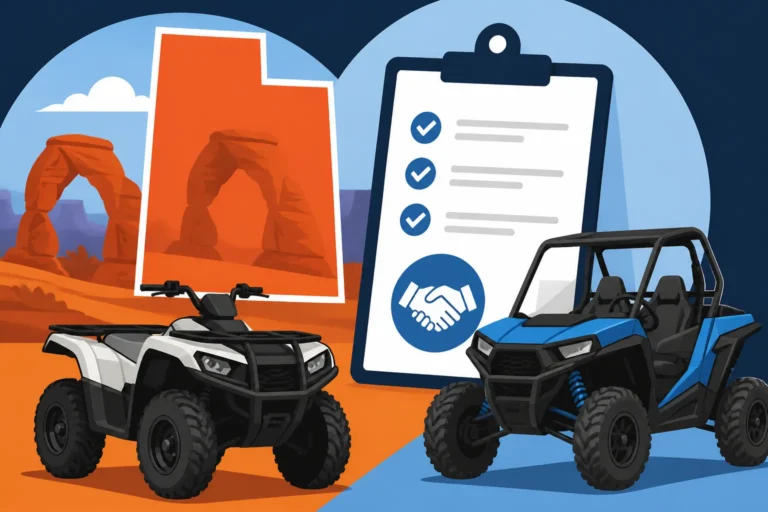
It's incredibly exciting to bring home a "new-to-you" off-highway vehicle, whether it's a trusty quad or a side-by-side. But let's be honest, that initial purchase price is rarely the final number you actually pay to get it trail-ready and legal. Many riders, especially first-time buyers or those new to Utah, get a rude awakening when they realize the hidden fees and requirements that add up quickly. This guide is here to pull back the curtain on all those often-overlooked expenses, helping you budget accurately so you can hit the trails without any unwelcome financial surprises.
Understanding the Initial Purchase: Beyond the Sticker Price
You've found the perfect used quad, maybe on a local classifieds site or from a buddy. You negotiate a price, shake hands, and think you're golden. But hold on a second! The sticker price, or even the agreed-upon price with a private seller, is just the starting point. There are several crucial financial components that get tacked on almost immediately, and if you haven't budgeted for them, you might find yourself in a bind before you even get to the DMV.
Utah Sales Tax and Uniform Fees
Right off the bat, you're going to encounter sales tax. In Utah, even private party sales of off-highway vehicles are subject to sales tax, which many people forget. It’s not just for dealer purchases. When you go to register your OHV, the state will assess sales tax based on the purchase price you declare on your bill of sale, or on the vehicle's fair market value if the declared price seems unusually low. This can be a significant chunk of change, especially on a newer or higher-value machine. You'll want to factor this into your budget upfront.
Beyond sales tax, Utah also assesses a "uniform fee" on OHVs. This isn't a fixed amount; it's calculated based on the age of the machine. Newer machines pay a higher uniform fee, and it decreases as the vehicle gets older. This fee is paid annually during your registration renewal process. It's designed to be a simpler alternative to personal property tax for these types of vehicles. While it might not be a huge surprise if you're expecting registration, the exact amount can vary more than you'd think, so always be prepared for it. You can learn more about [Utah ATV Sales Tax and Uniform Fees].
Creating a Valid Bill of Sale
Often overlooked, but critical for both legal protection and accurate tax assessment, is a proper bill of sale. For private party sales, you and the seller are responsible for creating this document. While you might find free templates online, ensuring they meet Utah's specific requirements can be tricky. A well-crafted bill of sale protects both buyer and seller, detailing the vehicle's specifics, the agreed-upon price, and acknowledging the "as-is" nature of many used sales.
You can often find reliable legal templates from services like LawDepot, which offer customizable documents that help ensure all the necessary information is included. This small investment in a robust bill of sale can save you a world of headaches down the line, especially if any disputes arise or if the DMV questions your declared purchase price. Don't just scribble something on a napkin; a professional document is essential for a smooth transfer of ownership and proper tax calculation. Without one, you might run into issues when trying to get your new-to-you machine registered. [Bill of Sale Requirements for a Utah ATV Sale] provides more detailed guidance.
The Utah DMV Gauntlet: Registration and Titling Costs
Once you've paid the seller and squared away sales tax (or are ready to do so at the DMV), your next stop is the Utah Division of Motor Vehicles (DMV) or a county office that handles OHV registration. This is where the machine officially becomes "legal" in your name, but it comes with its own set of fees and potential hurdles.
Title Transfer and Application Fees
Every time an OHV changes hands in Utah, the title needs to be transferred to the new owner. This isn't free. There's a title transfer fee that the state charges to update their records and issue a new title in your name. If the previous owner never titled the machine, or if the title is lost or damaged, you could face additional complexities and fees to obtain a new title. Sometimes, a seller might have an older machine that wasn't previously titled because it predated Utah's titling requirements, but you'll still need to get a new title established in your name for registration purposes. Knowing [Utah ATV Title Requirements Explained] is crucial here.
The application for a new title usually goes hand-in-hand with your initial registration. Make sure you have the original title from the seller, properly signed over, and any lien releases if there was a loan on the vehicle. If you're dealing with a lost title, the process can become more involved, sometimes requiring a bond or a more extensive paperwork trail.
Annual Registration Fees and OHV Program Contributions
This is the recurring cost that every rider needs to budget for. Utah's OHV registration includes several components. First, there's a basic registration fee. Second, a portion of this fee contributes directly to the state's OHV program, which funds trail maintenance, signage, education, and enforcement. This ensures that the trails we all love to ride are kept in good condition.
The exact total for registration varies based on the type of machine (ATV vs. UTV), its weight, and its age (due to that uniform fee we mentioned earlier). It's not a one-size-fits-all number, so it's always wise to check current figures on the Utah State Parks and Recreation website or by calling your local DMV. Don't forget, these fees are typically renewed every year, so it's an ongoing expense you'll need to factor into your annual riding budget. For a full breakdown, check out [Utah OHV Registration Fees, Start to Finish].
Potential Fees for Missing Paperwork or VIN Issues
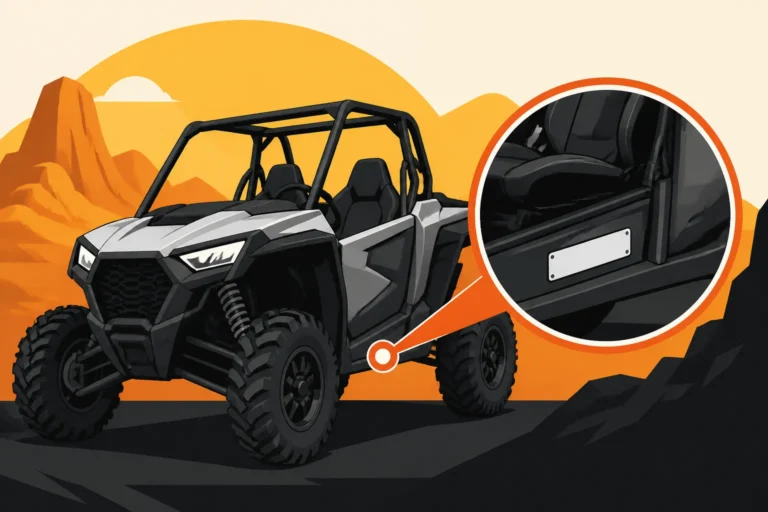
Life happens, and sometimes sellers don't have all their ducks in a row. If the seller doesn't provide a proper title, or if the bill of sale is incomplete, you might face delays and additional costs. The DMV might require you to get a VIN inspection to verify the vehicle's identity, especially if it's an older model or if there's any discrepancy in the paperwork. A VIN inspection usually carries a small fee, and it might require you to transport the machine to a specific location for verification.
Even if you use a reliable template from LawDepot for your bill of sale, always double-check with the seller that they have the actual title in hand and that it's clear of any liens. Having all your documents in order before you visit the DMV will save you both time and potential extra fees. Knowing [VIN Inspections for Utah ATV Paperwork] can help you prepare.
Unexpected Paperwork and Compliance Costs
Beyond the immediate purchase and DMV fees, there are other financial considerations that often catch riders off guard. These might not be mandatory for every machine or every rider, but they are common enough to warrant attention when you're budgeting for a used quad.
Safety Education and Permits
If you're new to riding, or if you have younger riders in your family, you might need to factor in the cost of OHV safety education. Utah requires anyone under 18 to complete an approved OHV education course before operating an OHV on public lands. While many courses are affordable, it's still an expense to consider. Even for adult riders, taking a safety course is highly recommended and can sometimes offer insurance discounts, making it a worthwhile investment.
Also, if you plan to visit Utah from out of state with your newly acquired OHV, or if you're a new resident bringing in an out-of-state machine, you might need to deal with additional permits. Utah requires a non-resident OHV permit for out-of-state machines on public land. This might not apply directly to getting your used quad legal in Utah if you're a resident, but it's a related compliance cost many riders encounter when planning their adventures. Always check [The Utah OHV Education Certificate] and [Utah's Non-Resident OHV Permit Explained] if these apply to your situation.
Insurance: Protecting Your Investment
While Utah doesn't universally mandate insurance for all off-highway vehicles used strictly on trails, it's a cost you absolutely should consider. Most financing companies will require full coverage if you've taken out a loan to purchase your quad. More importantly, personal liability and property damage insurance protect you in case of an accident. Imagine hitting another rider or damaging property on the trail; without insurance, you could be on the hook for significant costs.
Even if you only ride on private land, your homeowner's insurance might not cover your OHV, or it might have very limited coverage. Specialty OHV insurance can cover theft, damage, and liability both on and off the trail. The cost of this can vary widely based on your machine's value, your riding habits, and your chosen coverage limits, but it's an essential expense for peace of mind and financial security. It's truly an investment in protecting your investment, and something many new buyers overlook in their initial budget. [Insuring a Utah UTV That Never Leaves the Trail] offers further insights.
Preparing for the Trails: Essential Upgrades and Maintenance
"Getting legal" isn't just about paperwork; it's also about ensuring your machine is safe and reliable for the trails. A used quad, even one in great condition, will likely need some attention before it's truly ready to ride, and these costs can add up.
Required Safety Gear and Accessories
Utah has specific requirements for what you need to have on your OHV when riding on public lands. This includes things like a properly mounted OHV decal, which you get after registration. But beyond that, consider essential safety gear for yourself. Helmets are mandatory for riders under 18 and highly recommended for everyone else. Eye protection is also a must. If your used quad didn't come with a first-aid kit, fire extinguisher, or a whip flag (especially for dune riding areas like Sand Hollow or Little Sahara), you'll need to purchase these.
These aren't just "nice-to-haves"; they're crucial for safety and, in some cases, legally required. Budgeting for quality helmets, goggles, and other protective gear is just as important as the vehicle itself. After all, you can't enjoy your new machine if you're not safe while riding it.
Immediate Maintenance and Repairs
When you buy a used quad, even if the seller claims it's in perfect running order, it's a good idea to budget for some immediate maintenance. This could include:
- Fluid changes: Engine oil, transmission fluid, differential fluid, and brake fluid. You don't know the last time these were serviced.
- Tires: Worn tires affect handling and safety. New tires, especially specialty ones for mud or sand, can be a significant cost.
- Brakes: Pads and rotors might need replacement.
- Filters: Air filter, oil filter, and fuel filter.
- Battery: An old battery can leave you stranded on the trail.
- Suspension components: Bushings, bearings, and shocks wear out over time.
Getting a pre-purchase inspection from a reputable mechanic can help you identify these needs before you buy, allowing you to negotiate a better price or at least be prepared for the repair costs. However, even with an inspection, minor issues can pop up. Always set aside a contingency fund for unexpected repairs or maintenance after purchase. This proactive approach ensures your machine is reliable and safe, saving you from bigger, more expensive breakdowns later on.
Summary of Potential Costs for Your Used Quad
To help you visualize all the potential expenses, here's a table summarizing the types of costs you might encounter when acquiring a used quad in Utah. Remember, specific figures will vary, so always check current rates and tailor your budget accordingly.
| Cost Category | Description | Typical Timing | Potential Impact |
|---|---|---|---|
| Purchase & Tax | |||
| Purchase Price | What you pay the seller for the machine itself. | One-time | Basis for all other value-based fees. |
| Utah Sales Tax | State tax on the purchase price (or fair market value). | One-time (at registration) | Can be a significant percentage of the sale price. |
| DMV & Legal | |||
| Title Transfer Fee | Fee to put the vehicle title in your name. | One-time (at registration) | Essential for legal ownership. |
| Annual Registration Fee | Basic fee + uniform fee + OHV program contributions. | Annual | Mandatory for public land use; funds trail systems. |
| VIN Inspection Fee | If VIN needs verification for missing title/discrepancies. | As needed | Small fee, but can delay registration. |
| Bill of Sale/Legal Templates | Cost for a professional, legally sound bill of sale (e.g., LawDepot). | One-time | Protects buyer/seller, ensures proper documentation. |
| Safety & Compliance | |||
| OHV Safety Course (Youth) | Mandatory education for riders under 18. | One-time | Ensures safe riding practices. |
| Non-Resident OHV Permit | If applicable for out-of-state visitors/new residents. | Annual | Required for legal riding on Utah public lands if from out of state. |
| OHV Insurance | Liability, comprehensive, or collision coverage. | Monthly/Annual | Protects against financial loss from accidents, theft, or damage. |
| Riding Readiness | |||
| Safety Gear (Helmet, Goggles) | Personal protective equipment. | One-time (as needed) | Essential for personal safety; helmets mandatory for under 18. |
| Trail Accessories | Whip flag, first-aid kit, fire extinguisher. | One-time (as needed) | Required for certain areas or good practice. |
| Immediate Maintenance/Repairs | Fluid changes, tires, brakes, filters, battery, suspension. | As needed (post-purchase) | Ensures reliability and safety of the machine; prevents larger repairs. |
Budgeting for a used quad means looking beyond the price tag and anticipating these additional, but crucial, expenses. By understanding all the costs involved, from sales tax and registration to insurance and maintenance, you can ensure a smooth, legal, and enjoyable transition into owning your next off-highway vehicle in Utah. This comprehensive approach will help you avoid financial stress and get straight to what matters: hitting the amazing trails Utah has to offer. To make sure you don't miss anything, check out [A First-Time Buyer's OHV Paperwork Checklist in Utah].
Disclaimer
This article is for general informational purposes only and does not constitute professional advice. Laws, prices and regulations vary by location and change over time. Consult a qualified professional for guidance on your specific situation.