Fixing a Registration Mistake at the Utah DMV
We’ve all been there: you finally get your ATV or UTV registered in Utah, breathe a sigh of relief, and then weeks or months later, you spot a glaring error on your paperwork. It’s incredibly frustrating to think you’ve done everything right, only to find a typo or an outdated detail has slipped through the cracks, potentially jeopardizing your ability to ride legally. This guide is here to walk you through exactly how to fix those registration mistakes with the Utah DMV and State Parks, ensuring your off-highway vehicle (OHV) paperwork is absolutely spotless.
Common Registration Mistakes and How They Happen
Dealing with vehicle registration, especially for off-highway vehicles, can feel like navigating a maze. It’s easy for small errors to creep in, whether it's on your end or even at the DMV. These aren't just minor annoyances; they can cause real headaches down the line, from getting pulled over to difficulties selling your machine. Understanding the most common pitfalls can help you identify if you’ve encountered one and prepare you to correct it.
Incorrect Owner Information (Name, Address)
Imagine this: you've been riding your trusty side-by-side all season, and a new renewal notice never arrives. You realize you moved last year and forgot to update your address with the DMV. Or perhaps, when you received your initial registration card, you noticed your name was misspelled. These might seem like trivial errors, but they can significantly impact your ability to receive official correspondence, renew your registration on time, or even prove ownership. A simple typo can make your legal documentation less clear, potentially leading to questions about the true owner of the machine. It’s a common scenario, especially if you’ve recently changed your name, moved to a new home, or if there was a simple transcription error during the initial registration process. These details are critical for the state to maintain accurate records and for you to assert your legal claim to the OHV.
Machine Information Errors (VIN, Make, Model)
This is a big one. The Vehicle Identification Number (VIN) is your OHV's unique fingerprint. A single incorrect digit or letter can make your registration invalid, as the machine on paper simply won't match the machine you're riding. I've heard stories from riders who were stopped on a trail and faced questions because their registration card showed a slight discrepancy in the VIN or even the model year. The machine details, such as the make, model, and year, are also used to determine things like the appropriate uniform fee. If the wrong model or year is listed, you could be paying too much or too little, and either way, it's an error that needs to be rectified. These mistakes often stem from hurried data entry, misreading the VIN plate, or even confusion during a private sale where details might not have been meticulously verified.
Payment and Fee Discrepancies
Nobody likes paying more than they have to, and nobody wants to be told they haven't paid enough! Registration fees for OHVs in Utah involve several components, including the registration fee itself, specific uniform fees based on the machine's value, and sometimes county fees. If there’s an error in how your machine was valued, or if a fee was miscalculated by the system or the clerk, you might find yourself with a discrepancy. This could manifest as an unexpected charge, a refund you never received, or even an outstanding balance that prevents you from renewing in the future. These issues can be particularly tricky to untangle because they often involve the intersection of the DMV's financial records and your personal payment history. It's a prime example of why it's so important to review every single line item on your receipt and registration card as soon as you get them.
The Step-by-Step Process for Correction
So, you’ve spotted an error. Don't panic! The Utah DMV and State Parks understand that mistakes happen, and they have processes in place to help you correct them. The key is to be prepared, patient, and methodical. Rushing in without the right documentation or understanding the correct procedure will only lead to more frustration and wasted trips.
Identifying the Error and Gathering Proof
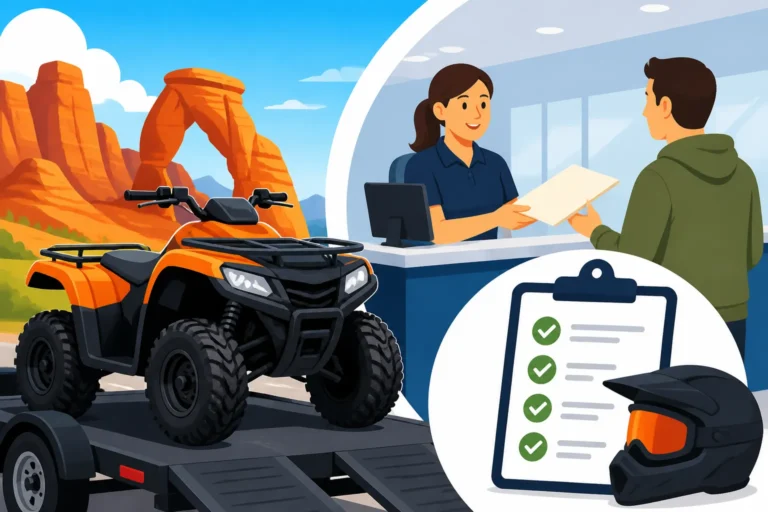
Before you even think about heading to the DMV, take a moment to clearly identify the mistake. Is it a misspelled name? An incorrect VIN? A wrong address? Once you know exactly what’s wrong, gather all relevant documents that support the correct information. Think of it like building a case: you need evidence. This might include:
- Your original Bill of Sale: This is crucial, especially for proving purchase details, VIN, make, model, and the date of sale. Make sure you understand [Bill of Sale Requirements for a Utah ATV Sale].
- Original Certificate of Title: This document shows legal ownership and often contains the most accurate machine and owner information. Familiarize yourself with [Utah ATV Title Requirements Explained].
- Previous Registration Cards: If the error is recent but was correct on an older card, this can serve as proof.
- Proof of Identity: Your driver’s license or state ID with your correct legal name and address.
- Proof of Address Change: Utility bills, lease agreements, or other official mail if the mistake is an outdated address.
- Inspection Records: If a VIN was mistyped, any prior VIN inspection could be helpful.
Having these documents neatly organized will save you immense time and potential frustration when you finally interact with a DMV representative.
Contacting the Utah DMV or State Parks
Once you have your ducks in a row, you need to figure out who to contact. For most registration and titling errors related to owner information (names, addresses) or core vehicle identification (VIN, make, model), the Utah Division of Motor Vehicles (DMV) is your primary point of contact. They handle the official records for titles and registrations.
However, for issues specifically related to OHV stickers, uniform fees that are processed by Utah State Parks, or questions about the recreational aspect of your registration, you might need to contact the Utah State Parks OHV Program. This division often oversees the OHV decal and specific funds related to trail maintenance, even though the core registration is through the DMV.
It's often wise to start with the DMV. You can check their website for their general customer service number, but for complex issues, an in-person visit is often best. Not all DMV offices handle OHV paperwork, so it's a good idea to call ahead or check the website to find [Which Utah DMV Offices Handle OHV Paperwork] near you that can assist with your specific problem. Be prepared for potentially long wait times, especially if you just walk in.
Required Forms and Documentation
While a specific "correction form" might not always exist for every single type of error, you'll generally need to fill out some standard paperwork. The most common forms you might encounter include:
- Application for Utah Certificate of Title: Even if you're not getting a new title, this form might be used to update information on record.
- Affidavit of Correction: For minor errors, especially on a title or bill of sale, an affidavit (a sworn statement) explaining the error and providing the correct information can be very effective. Sometimes, your notary or an online legal service like LawDepot can help you draft a general affidavit if the DMV doesn't have a specific form.
- Personal Identification: Always bring your valid ID.
- Original Documents: As mentioned above, your original title, registration, and bill of sale are crucial.
The DMV clerk will review your documents and advise you on any specific forms or procedures required for your particular mistake. It's often a good idea to explain your situation clearly and concisely to the clerk, providing them with all your gathered evidence upfront. They can then guide you to the exact paperwork needed to rectify the issue.
Specific Scenarios and Their Solutions
Let's dive into some of the most common registration mistakes riders face and how you can specifically tackle them. Each type of error might require a slightly different approach, so knowing what to expect can ease your mind.
Correcting a Misspelled Name on an OHV Title
A misspelled name on your OHV title is more than just an inconvenience; it can create a legal headache when you try to sell your machine or if law enforcement needs to verify ownership. Imagine trying to transfer the title to a new owner, only to find the name on the title doesn’t exactly match your driver’s license. That's a red flag.
To fix this, you’ll typically need to:
- Gather Proof of Correct Name: Your state-issued driver's license or ID card is the primary document here. If your name changed due to marriage or divorce, bring your marriage certificate or divorce decree.
- Visit the DMV: Go to a DMV office that handles title corrections.
- Complete a Title Application/Affidavit: You may need to fill out a new application for a certificate of title, indicating the correction, or complete a specific affidavit for correction. The goal is to formally state what the error is and what the correct name should be. This process is detailed in [Correcting a Misspelled Name on an OHV Title].
- Pay Any Fees: There might be a small fee for issuing a corrected title.
The DMV will then process your request and issue a new title with the correct spelling.
Updating Your Address on Utah OHV Records
Moved recently? It's easy to overlook updating your address for your OHV, especially when you have a million other things to change. However, if your address is incorrect, you won't receive important notices like renewal reminders. This can lead to a lapsed registration and potential penalties for riding an unregistered machine. For guidance on avoiding such scenarios, you might want to look into [When a Utah Renewal Notice Never Arrives].
Here’s how to update your address:
- Online (if available): Many states allow address changes for vehicle registrations online through their DMV portal. Check the Utah DMV website first to see if this is an option for OHVs.
- By Mail: You might be able to mail in an address change form.
- In Person: Visit your local DMV office.
- Provide Proof of New Address: Bring documents like a utility bill, lease agreement, or another official piece of mail showing your new address along with your ID.
This is usually a straightforward process, and often there's no fee for just an address change unless you need a new physical registration card printed. For more detailed steps on this, refer to [Updating Your Address on Utah OHV Records].
Fixing VIN or Machine Detail Errors
This is a critical correction, as a wrong VIN makes your paperwork effectively worthless for identifying your machine. Law enforcement uses the VIN to verify your machine against state records, and any mismatch can lead to serious questions.
To correct a VIN or other machine details (make, model, year):
- Gather Original Documentation: Your Bill of Sale and Title are paramount here, as they should reflect the correct VIN and machine details.
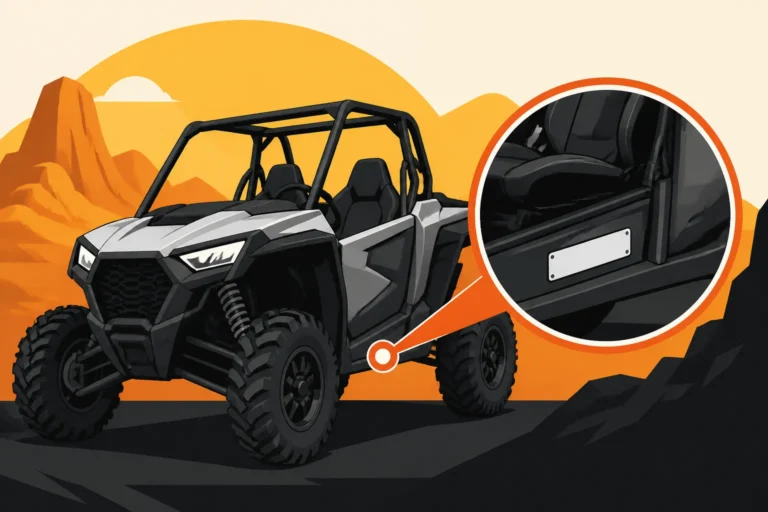
- Locate the Physical VIN: Double-check the VIN on your actual ATV or UTV. It’s usually stamped on the frame. Compare this carefully with your paperwork.
- Consider a VIN Inspection: For major VIN discrepancies, the DMV might require a [VIN Inspections for Utah ATV Paperwork] to verify the correct number. This is often done by a certified inspector.
- Visit the DMV: Present your evidence to the DMV. You'll likely need to complete a new title application or an affidavit of correction.
- Be Prepared for Questions: The DMV may ask how the error occurred to ensure there's no fraudulent activity. Be honest and provide all your documentation.
This correction might take a bit longer than a simple address change, given the importance of the VIN.
Resolving Uniform Fee or Tax Calculation Errors
The uniform fee and sales tax on OHVs in Utah are based on the machine's value. If you suspect an error in how these were calculated, it’s worth investigating. This could happen if the DMV used an incorrect valuation method or if there was a data entry error regarding your machine's make, model, or year.
- Review Your Receipt and Valuation: Look closely at your initial registration receipt. How was the value of your machine determined? [How Utah Values a UTV for Its Uniform Fee] explains this process.
- Gather Proof of Correct Value: If you believe your machine was overvalued, provide documentation such as NADA guides, recent sales receipts for comparable machines, or a professional appraisal.
- Understand Sales Tax: For issues related to sales tax, refer to information on [Utah ATV Sales Tax and Uniform Fees].
- Contact the DMV/State Parks: Depending on whether the error is in the base uniform fee (often collected by the DMV but passed to State Parks) or sales tax (collected by the DMV), you might start with either agency. Be ready to explain your case and present your evidence.
Resolving fee discrepancies can sometimes involve a refund process or an adjustment to future fees, so patience and clear documentation are your best tools.
What to Expect at the DMV and Beyond
Navigating the DMV can be a test of patience, and correcting a mistake is no exception. Understanding the administrative timeline and how to safeguard against future errors will make the process much smoother.
Processing Times and Follow-Up
Once you’ve submitted your correction request and all supporting documentation, don't expect an immediate fix. The DMV has to process the changes, update their records, and potentially issue new documents like a corrected title or registration card. The processing time can vary greatly depending on the type of correction, the volume of work at the DMV, and whether additional verification is needed (like a VIN inspection).
- Minor Changes (e.g., address update): These might be processed almost immediately if done in person, and a new registration card printed on the spot.
- Major Changes (e.g., name on title, VIN correction): These can take weeks, as they often involve issuing a new official title document which is typically mailed to you.
- Payment Adjustments: Refunds or adjustments can also take time to process through the state's financial systems.
It’s always a good idea to ask the clerk for an estimated processing time and if there’s a way to check the status of your request online. Keep copies of everything you submit, along with your original documents and any receipts for fees paid. If you haven't received your corrected documents within the estimated timeframe, don't hesitate to follow up. Understanding [How Long Utah OHV Registration Takes to Process] can help manage your expectations.
Avoiding Future Mistakes
The best way to deal with registration mistakes is to prevent them from happening in the first place! Here are a few tips to help you keep your OHV paperwork pristine:
- Double-Check Everything: When you receive any new registration card, title, or renewal notice, immediately review every single detail. Look at your name, address, VIN, make, model, and the expiration date. A quick five-minute review can save you hours of headache later.
- Use Checklists: When buying a new or used OHV, follow a comprehensive checklist for all paperwork requirements. A great resource for this is [A First-Time Buyer's OHV Paperwork Checklist in Utah].
- Update Information Promptly: If you move, change your name, or sell your machine, update the DMV as soon as possible. Don't put it off until renewal time.
- Keep Records: Maintain a dedicated file for all your OHV documents – physical and digital. This includes bills of sale, titles, registration cards, proof of insurance, and any correspondence with the DMV or State Parks.
- Utilize Tools for Private Sales: If you're involved in a private sale, either buying or selling, use resources like LawDepot to generate accurate, legally sound bills of sale and other necessary documents. This can help ensure that all the correct information, especially the VIN and buyer/seller details, are captured correctly from the start, minimizing errors when it comes time for the new owner to register.
- Ask Questions: If anything on your paperwork looks unfamiliar or incorrect, don't hesitate to ask a DMV representative for clarification. It’s better to ask a "silly" question than to ride around with incorrect documentation.
Potential Costs and Fees for Corrections
While some minor corrections, like an address change, might be free, many corrections that involve issuing a new official document often come with a fee.
- Corrected Title Fee: If the mistake requires a new certificate of title to be printed (e.g., name change, VIN correction), there will likely be a fee similar to what you’d pay for a duplicate title. This is often the cost of issuing a new legal document.
- Duplicate Decal Fee: If your corrected registration involves getting a new OHV decal (which is less common for simple data errors but could happen if the old decal was tied to incorrect machine info), there might be a small charge for that. Check out [The Cost of a Duplicate OHV Decal in Utah] for an idea of these costs.
- VIN Inspection Fee: If a VIN inspection is required to verify the correct number, there will be a fee for the inspection itself, paid to the certified inspector.
It's always a good idea to ask about any potential fees when you contact the DMV or State Parks about your correction. Being aware of these potential costs means you won't be caught off guard when you go in to finalize your paperwork.
Remember, patience and preparation are your best friends when dealing with the DMV. You've got this!
Disclaimer
This article is for general informational purposes only and does not constitute professional advice. Laws, prices and regulations vary by location and change over time. Consult a qualified professional for guidance on your specific situation.