How Utah Handles a Title From Another State
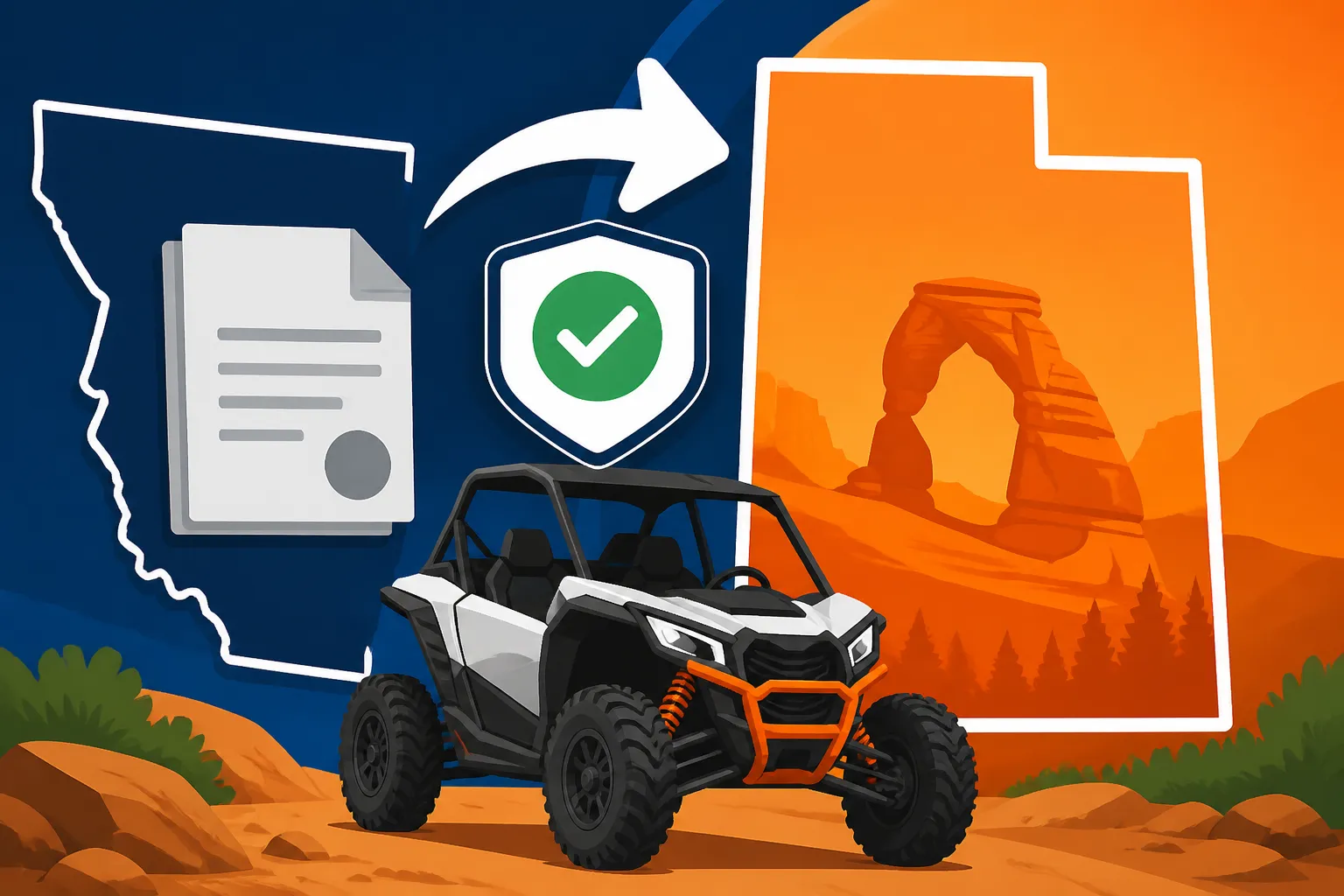
Bringing an ATV or UTV into Utah from another state can feel like navigating a maze of paperwork, especially when it comes to the title. Many riders move here, buy a machine from a friend across the border, or find that perfect deal out-of-state, only to wonder if their current title will even be recognized, or what to do if their home state didn't title off-highway vehicles at all. This guide is here to demystify the process, helping you understand exactly what Utah's Driver License Division (DLD) – which handles OHV registration – expects when you present an out-of-state title or need to prove ownership without one.
The Basics of Out-of-State Titles in Utah
When you're dealing with an ATV or UTV from another state, Utah's primary goal is to ensure legitimate ownership and collect the appropriate taxes and fees. The way they achieve this largely depends on the titling practices of the state your machine is coming from. It's not always a straightforward copy-and-paste, and sometimes the nuances can catch you off guard.
Why Utah Cares Where Your Title Came From
Utah's interest in your OHV's title history isn't just about bureaucracy; it's about protecting consumers, preventing theft, and ensuring everyone contributes fairly to the state's OHV programs. A title is the ultimate proof of legal ownership. When you bring an out-of-state machine into Utah, the DLD needs to verify that you are indeed the rightful owner and that the vehicle hasn't been stolen or involved in any other legal disputes. This verification process also sets the stage for calculating sales tax, which applies even if you bought it privately and moved it here. If the paperwork isn't quite right, you could face delays or even be unable to register your machine, meaning you won't be able to hit those incredible Utah trails.
Key Differences: Titled States vs. Non-Titled States
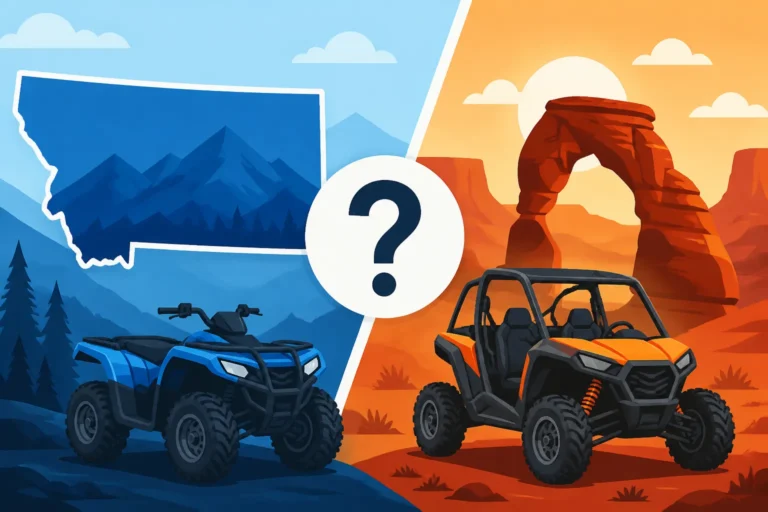
This is often where the biggest headaches come in. Some states, like California or Arizona, have comprehensive titling programs for ATVs and UTVs, much like they do for cars. You'll typically receive a physical title certificate when you purchase an OHV, and that title is transferred from seller to buyer. If you're coming from one of these states, the process is usually a bit smoother because Utah recognizes the formal documentation.
However, many other states, especially in the Midwest or certain parts of the East Coast, do not issue traditional titles for off-highway vehicles. In these "non-titled states," ownership might only be proven through a bill of sale, a certificate of origin from the manufacturer, or simply a registration card. This doesn't mean you're out of luck in Utah; it just means the DLD will require different documentation to establish ownership before they can issue you a Utah title and registration. Understanding this distinction upfront is crucial for preparing your paperwork. For more on what Utah looks for, check out [No Title From the Seller: What Utah Requires].
Registering an OHV with a Title from Another State
If you're lucky enough to be moving to Utah or buying an OHV from a state that does issue titles for these machines, your path to registration will be more familiar. It largely mirrors registering a vehicle bought within Utah, with a few extra steps to account for its out-of-state origins.
What Documents You'll Need to Bring
When you head to the Utah DLD office, you'll need more than just your good intentions. Be sure to gather:
- Your out-of-state title: This is paramount. It must be properly signed over to you by the previous owner, just like you would for any vehicle sale. Make sure all fields are filled out correctly, without erasures or white-out, as these can trigger delays.
- A Bill of Sale: Even if you have a title, a bill of sale is highly recommended, especially for private party transactions. It provides clear evidence of the purchase price, date, and buyer/seller information. This helps the DLD accurately assess any sales tax you might owe. You can find reliable templates online, like those offered by LawDepot, to ensure it covers all the necessary details.
- Completed Application for Utah Title (Form TC-656): You'll fill this out at the DLD, but having your information ready can speed things up.
- Proof of Identity: Your driver's license or state ID.
- Proof of Residency: A utility bill or other document showing your Utah address, if you're a new resident. [Moving to Utah With an ATV You Already Own] provides more context on residency.
Always double-check the DLD's website for the most current list, as requirements can sometimes change. Making [One Trip to the DMV Instead of Three] by having everything ready is always the goal.
The Utah VIN Inspection Requirement
Even with a perfectly clean out-of-state title, Utah will almost always require a VIN inspection for your OHV. This isn't about checking the mechanical condition of your machine; it's a critical step for verifying the vehicle's identity. The inspection ensures that the VIN on your title matches the VIN physically stamped on the frame of your ATV or UTV. It helps prevent fraud and ensures the machine isn't stolen.
You can usually get a VIN inspection done at a local Utah law enforcement agency (like a sheriff's office or police department) or at a certified inspection station. Some DLD offices might even have an inspector on site, but it's best to call ahead and confirm. Be prepared to bring your machine, or at least a clear photo of the VIN plate, depending on the inspector's preference and whether the machine is trailered. For more details on this crucial step, see [VIN Inspections for Utah ATV Paperwork].
Transferring Ownership and Paying Fees
Once your out-of-state title is validated and the VIN inspection is complete, the DLD will process the title transfer into your name in Utah. This is also when you'll pay all applicable fees:
- Sales Tax: If you recently purchased the OHV, you'll owe Utah sales tax on the purchase price, unless you've already paid sales tax in another state that has reciprocity with Utah, or if the sale qualifies for an exemption (e.g., [Taxes on an ATV Gifted Between Relatives]).
- Uniform Fees: Utah assesses an annual uniform fee based on the value of the OHV, which varies depending on its age and type. [The Age-Based Uniform Fee on Utah OHVs] explains this in more detail.
- Registration Fees: These are the annual fees that keep your OHV legal to ride on designated trails. [Utah OHV Registration Fees, Start to Finish] breaks down the costs.
- Title Fee: A one-time fee for issuing the new Utah title.
You'll then receive your Utah OHV registration card and decals, which you'll need to display on your machine. [Utah OHV Decals and Where They Go] shows you exactly where.
What if the Other State Doesn't Title OHVs?
This scenario can feel a bit more daunting, but don't panic! Utah has procedures in place for machines coming from non-titling states. It simply means you'll need to provide alternative documentation to satisfy the DLD that you are the legitimate owner.
Proving Ownership Without a Title
If your previous state didn't issue a title for your ATV or UTV, you'll need to present a combination of documents that, together, establish a clear chain of ownership. Here's what Utah typically looks for:
- Manufacturer's Statement of Origin (MSO) or Manufacturer's Certificate of Origin (MCO): This is the document issued by the manufacturer when the OHV is brand new. If you're the first owner, or if the MSO has been passed down through subsequent sales, it's a strong piece of evidence. This should be properly assigned to you.
- Bill of Sale: A detailed bill of sale is absolutely essential here. It should include the full names and addresses of the buyer and seller, the date of sale, the purchase price, and a complete description of the OHV, including the VIN. Using a professional template, perhaps from LawDepot, can help ensure all legal requirements are met.
- Prior Registration Documents: If the OHV was previously registered in the non-titling state, bringing those registration cards can help establish a history of ownership. This shows that the state acknowledged its existence and the previous owner's claim to it.
- Affidavit of Ownership: In some cases, if other documentation is scarce, the DLD might accept a sworn affidavit from the seller or a previous owner attesting to the ownership history. This is less common for initial titling but can be useful in specific, tricky situations.
- [Registering a UTV in Utah Without a Title] goes into much more detail on this specific challenge.
Remember, the goal is to paint a clear picture of how you acquired the machine. The more documentation you have, the smoother the process will be.
Registering a Machine You Inherited in Utah
If you've inherited an ATV or UTV that was never titled in Utah, especially if it came from a non-titling state, the process has its own set of rules. You'll generally need the death certificate of the previous owner, a copy of the will or probate documents indicating you are the rightful heir, and then whatever ownership documents (MSO, bill of sale, old registrations) the deceased owner possessed. This can be complex, and you might consider getting a clear bill of sale from the estate's executor to yourself, or use an affidavit of heirship if probate is not involved.
Registering a UTV That Was Never Titled Anywhere
Sometimes, you might encounter a situation where an OHV, perhaps an older model or one from a very lax state, has simply never had a formal title issued by any state. This could also be the case for [Registering a Homebuilt or Kit UTV in Utah]. In such instances, Utah requires you to provide extensive proof of ownership. This typically includes the MSO/MCO, a continuous chain of notarized bills of sale from every owner since new (if available), and sometimes even a sworn statement. The DLD needs to be absolutely certain of your claim before issuing a new Utah title. A robust bill of sale from a reputable source like LawDepot becomes even more critical in these situations.
Common Hurdles and How to Clear Them
Even with the best preparation, unexpected issues can arise. Knowing some common pitfalls and how to address them can save you a lot of time and frustration. The DLD processes thousands of transactions, and they've seen it all, so don't be afraid to ask questions.
Lost or Mismatched Paperwork
- Lost Out-of-State Title: If you've lost the out-of-state title before transferring it to Utah, you'll need to apply for a duplicate title from the issuing state's DMV or equivalent agency. This can take time, so start this process as soon as possible. Utah cannot issue a new title without clear evidence of the last titled owner.
- Mismatched Names/VINs: If the name on the title doesn't perfectly match the name on the bill of sale, or if there's a typo in the VIN, this will cause a red flag. Minor discrepancies might be corrected with an affidavit, but major ones could require contacting the previous owner or even the state where the title was issued. Ensure all names are identical to your legal ID, and VINs are precisely correct.
- Incomplete Signatures: A title or bill of sale that isn't fully signed by all required parties (e.g., if there were two owners and only one signed) will not be accepted. Make sure every signature line is properly completed. For additional guidance, refer to [Mistakes That Void an ATV Title Transfer].
Older Machines and Title Exemptions
Utah does have some specific rules for older off-highway vehicles, especially those manufactured before titling was common practice. For instance, [Registering a 1987 ATV in Utah] or even [Registering a 1990s Four-Wheeler in Utah] might be simpler in terms of titling requirements. Generally, machines manufactured before a certain year (often around 1988) might not require a traditional title in Utah, and a strong bill of sale combined with a VIN inspection and prior registration might be sufficient to establish ownership for registration purposes. However, it's always best to contact the DLD directly for clarification on your specific vintage machine.
How Long Registration Takes
Once you have all your ducks in a row – the proper title or ownership documents, VIN inspection, and application – getting your Utah registration processed usually happens the same day at a DLD office. You'll walk out with your temporary registration, and your new Utah title will be mailed to you within a few weeks. Online renewals or certain complex cases might take longer, but for an initial registration with an out-of-state title, in-person is often the quickest route. For more on processing times, see [How Long Utah OHV Registration Takes to Process].
Here's a quick comparison of the two main scenarios:
| Feature | Coming from a Titled State | Coming from a Non-Titled State |
|---|---|---|
| Primary Proof of Ownership | Original Out-of-State Title (properly signed over) | MSO/MCO + Comprehensive Bill of Sale + Prior Registrations |
| Required Supporting Docs | Bill of Sale (recommended), ID, Application | ID, Application, potentially an Affidavit |
| VIN Inspection Required? | Almost always | Yes, always |
| Sales Tax | Yes, on purchase price (unless exempt/paid elsewhere) | Yes, on purchase price (unless exempt) |
| Complexity | Generally lower, more straightforward process | Higher, requires more documentation to prove ownership chain |
| Common Hurdles | Lost title, incorrect signatures, VIN discrepancies | Lack of continuous documentation, missing MSO/MCO, unclear history |
Navigating the nuances of out-of-state titles for your ATV or UTV can be a bit of a project, but with the right preparation and understanding of Utah's requirements, you'll be well on your way to getting your machine legally registered and ready for adventure on our incredible trails.
Disclaimer
This article is for general informational purposes only and does not constitute professional advice. Laws, prices and regulations vary by location and change over time. Consult a qualified professional for guidance on your specific situation.